Samuel Whittemore: The Minuteman who Proved You're Never Too Old to Fight

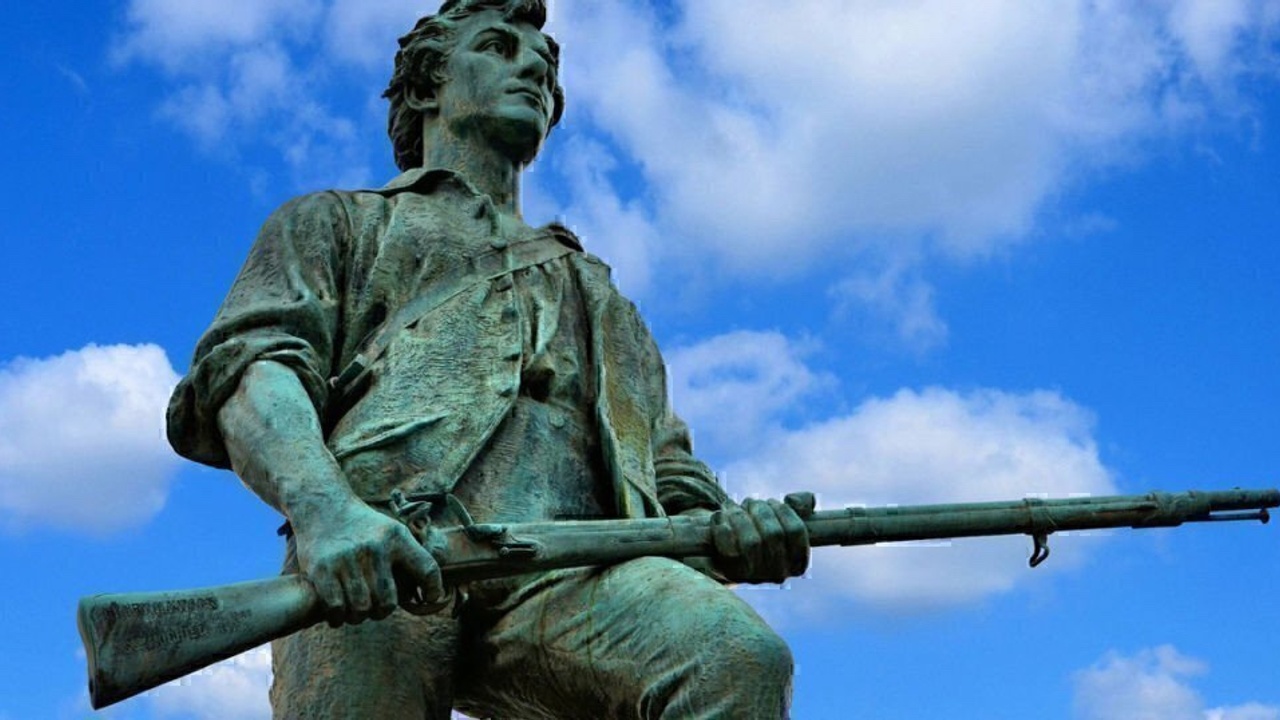
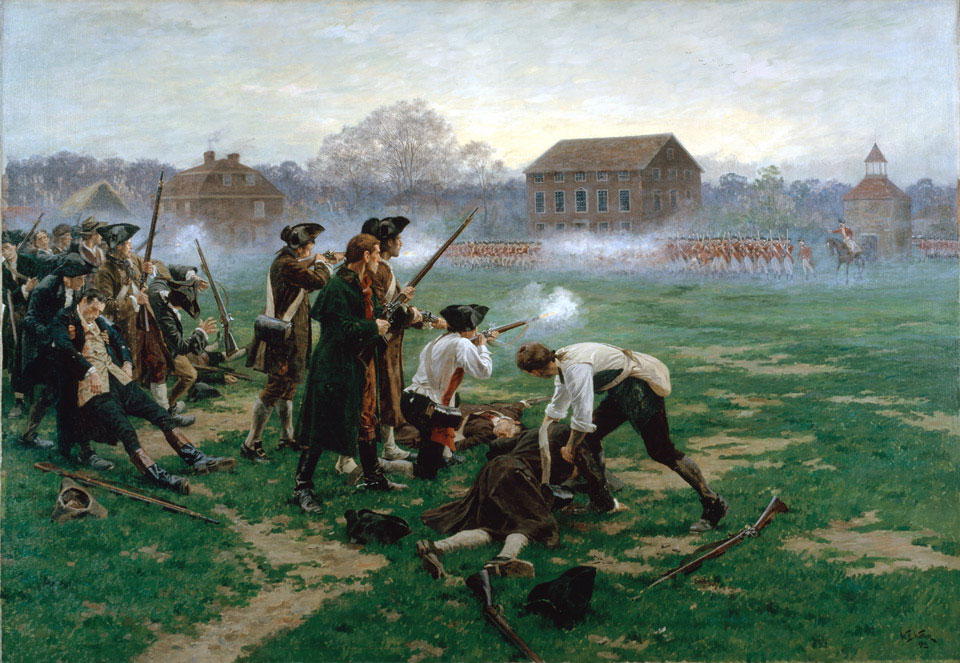
The Battles of Lexington and Concord were the first military engagements of the American Revolutionary War, fought On This Day, April 19, 1775.

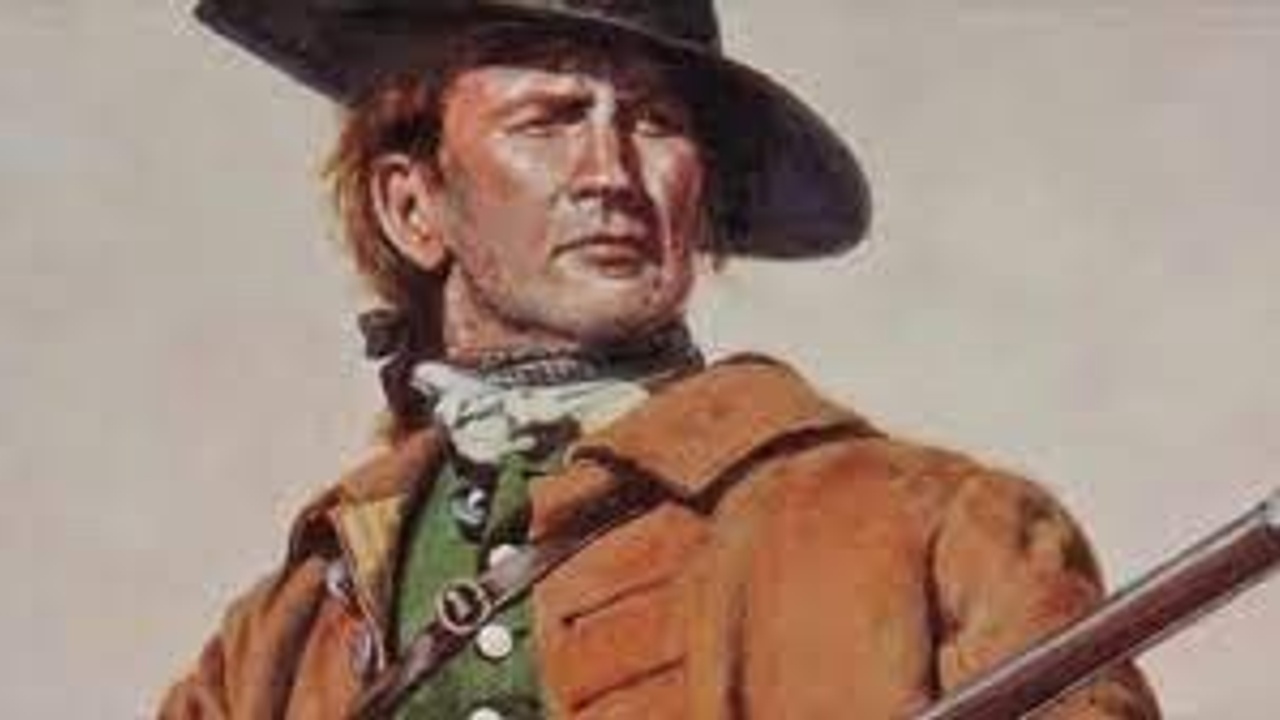
One of the more colorful veterans of that opening engagement was Samuel Whittemore.

No alt text provided for this image

Samuel Whittemore was in his mid-40s when he enlisted as a private in Colonel Jeremiah Moulton’s Third Massachusetts Regiment. He had fought in the French and Indian War, again fighting the French in Canada, and he even spent a brief period on board a ship that was hunting for a pirate.

He was always ready to drop his farming tools, pick up his weapons and march off to battle.

At the age of 64, in 1745, he was among the forces that stormed the French fortress at Louisburg, Nova Scotia, where he captured a fine, albeit gaudy and overdecorated, French saber that he would treasure the rest of his long life. As legend has it, Whittemore said that the former owner of the saber had "died suddenly," but furnished no further details.

As a young married man Sa

...
Continue Reading...

The Shot Heard Round the World

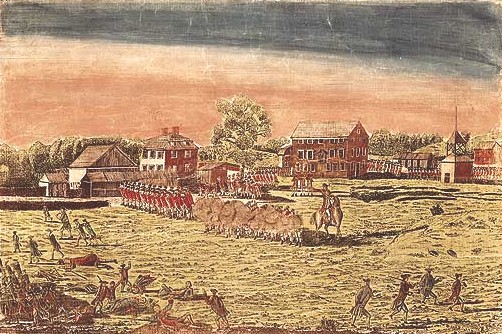
245 years ago, On this Day—April 19, 1775—the American Revolution begins with the Battles of Lexington and Concord.

Minute Men and militias rush to confront the British Regulars early that morning.


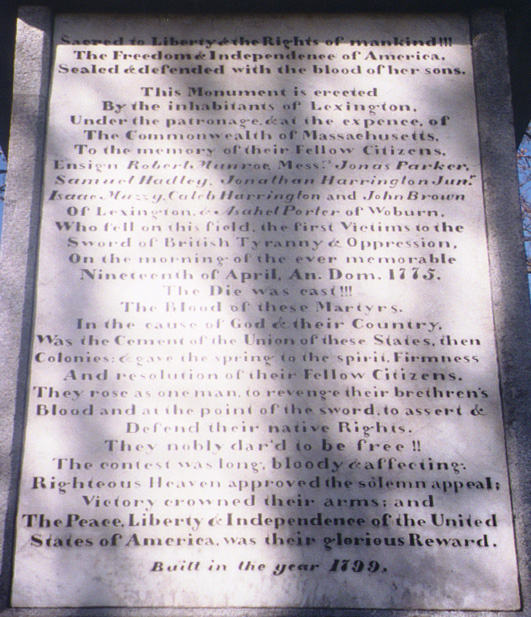
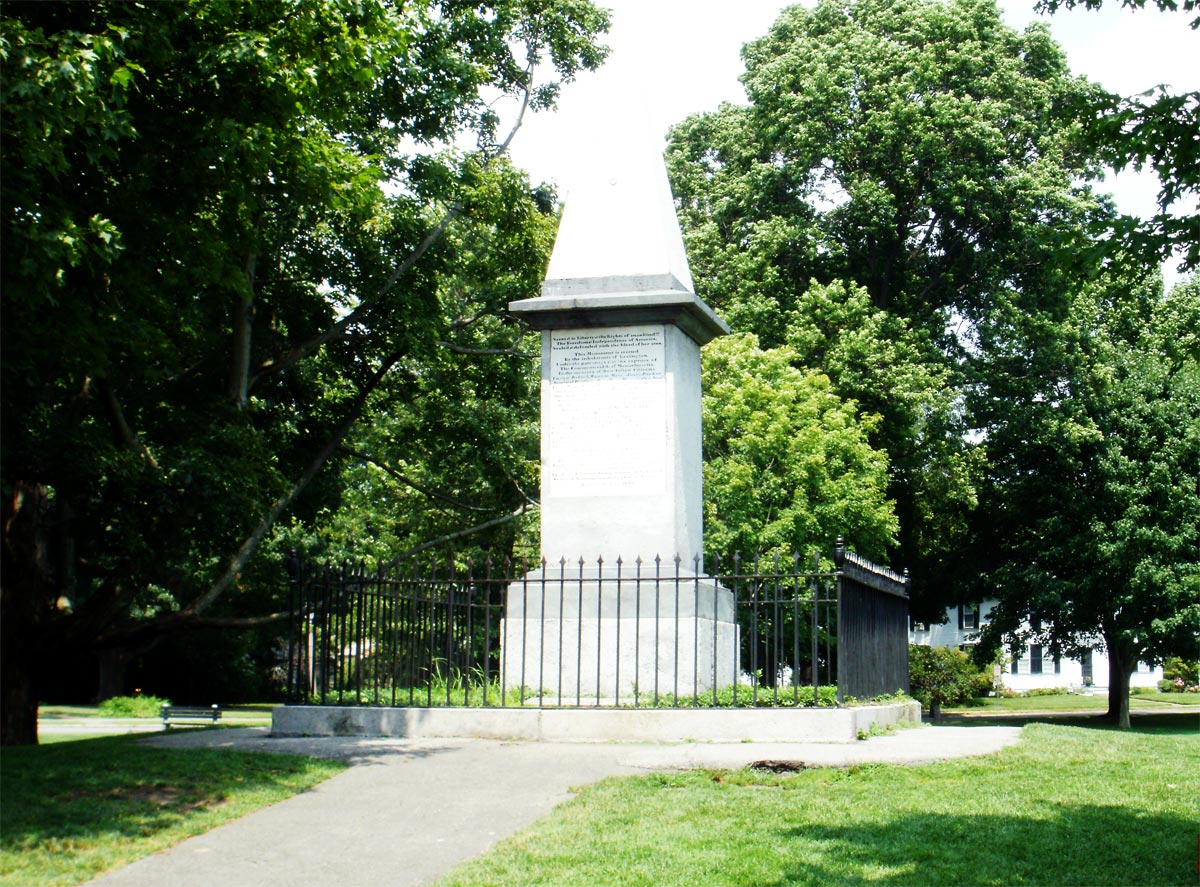
Robert Munroe is one of the first eight Patriot casualties in that opening engagement of the Revolutionary War—and the first officer killed on Lexington Common.

He is a soldier from Cambridge Farm who was born in 1712, who later had moved to Lexington, Massachusetts. Robert married Anna Stone on July 28, 1737, in Lexington. They have 6 children. Their first and last children did not survive childhood.


Robert is one of the 77 men present when the Company meets the British on Lexington Common. He is the third-highest ranking militia officer in the action there.


At the time of his death, at 63 years of age, he is one of sixteen Munroe's who are members of Captain John Parker's Company of Minute Men, and holds the rank of Ensign, the lowest infantry officer rank.

His wife, Anna, passes away f...

Continue Reading...

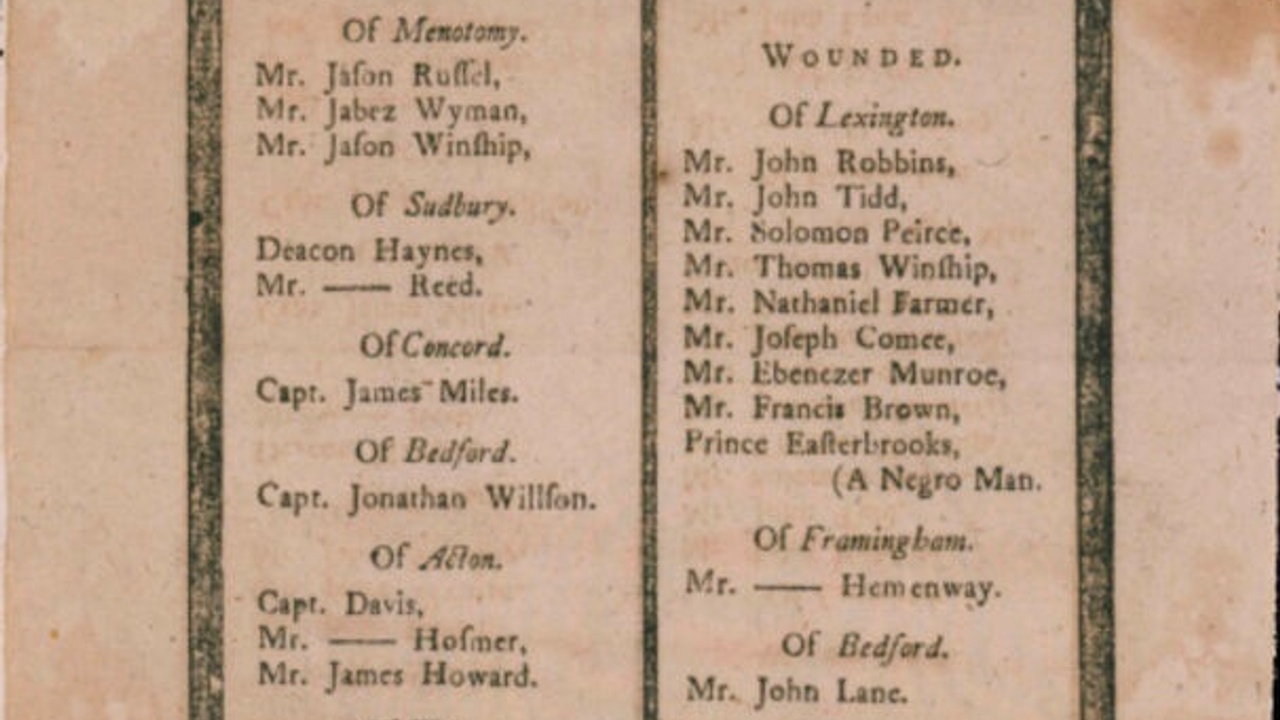
Casualties of the Battle of Lexington and Concord

When the smoke cleared on this day, 245 years ago, April 19, 1775, here were the casualties of the Battle of Lexington and Concord:

KILLED.

Of Lexington.

* Mr. Robert Munroe,
* Mr. Jonas Parker,
* Mr. Samuel Hadley,
* Mr. Jonan Harrington,
* Mr. Caleb Harrington,
* Mr. Isaac Muzzy,
* Mr. John Brown,
Mr. John Raymond,
Mr. Nathaniel Wyman,
Mr. Jedediah Munroe.

Of Menotomy.

Mr. Jason Russel,
Mr. Jabez Wyman,
Mr. Jason Winship,
Of Sudbury.
Deacon Haynes,
Mr. ----- Reed.

Of Concord.

Capt. James Miles,
Of Bedford.
Capt. Jonathan Willson,
Of Acton.
Capt. Davis,
Mr. ----- Hosmer,
Mr. James Howard.

Of Woburn.

* Mr. Azael Porter,
Mr. Daniel Thompson.
Of Charlestown.
Mr. James Miller,
Capt. William Barber's Son.
Of Brookline.
Isaac Gardner, Esq;

Of Cambridge.

Mr. John Hicks,
Mr. Moses Richardson,
Mr. William Massey.
Of Medford.
Mr. Henry Putnam.

Of Lynn.

Mr. Abednego Ramsdell,
Mr. Daniel Townsend,
Mr. William Flint,
Mr. Thomas Hadley.

Of Danvers.

Mr. Henry Jacobs,
Mr. Samuel Cook,
Mr. Ebenezer Goldthwait,
Mr. George Southwick,
Mr. Benjamin Dalan...

Continue Reading...

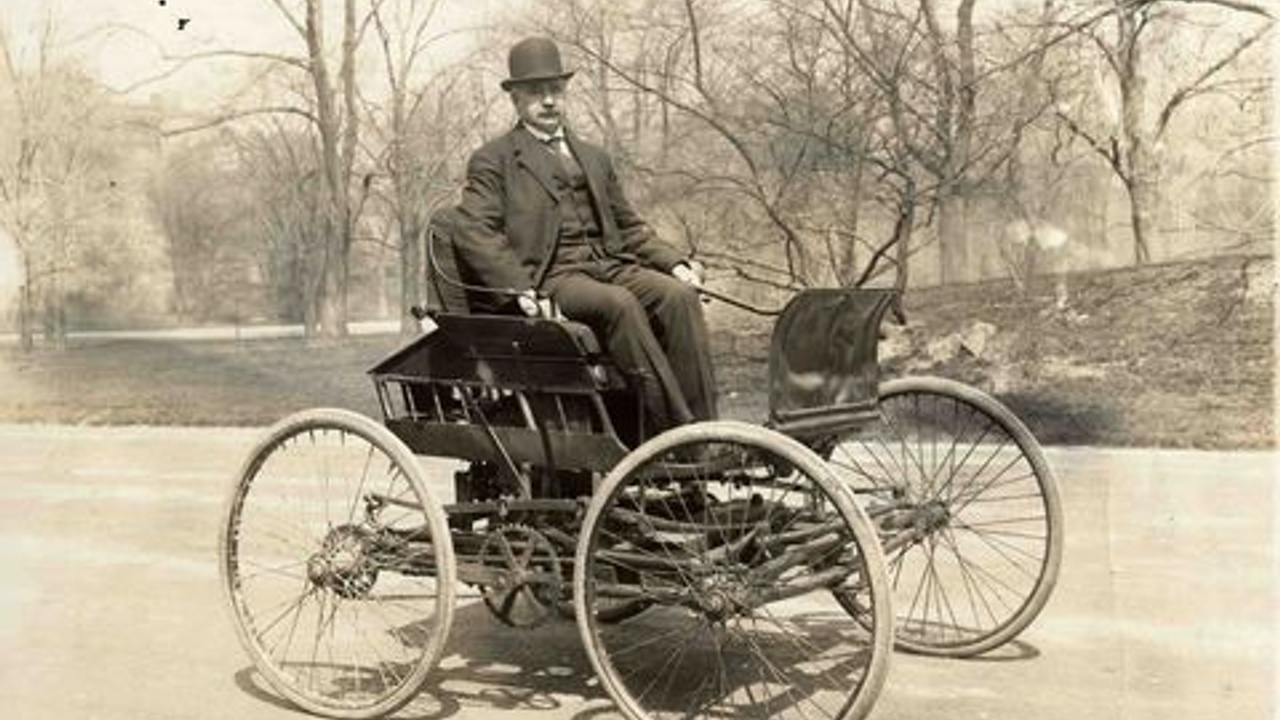
The Inventor of the First Mass Produced Car also Invented Stainless Steel Cutlery—and Oversaw Construction of the First Long-Distance Natural Gas Pipe

American inventor, metallurgist, automotive pioneer, entrepreneur and industrialist, Elwood Haynes developed and built one of the first automobiles. For anyone, that would be more than enough for a lifetime achievement—but he was responsible for so many more invaluable contributions that endure to this day.

No alt text provided for this image

Haynes was born on October 14, 1857, in Portland, Indiana, the fifth of ten children of Jacob M. Haynes and Hilinda S. Haines Haynes. His family was of English descent.

Both of Haynes' parents were dedicated Presbyterians and outspoken prohibitionists and educated their children from a young age to avoid liquor. His mother was the founder of a local Women's Temperance Movement Union. His paternal grandfather Henry Haynes was a gunsmith and mechanic, and tutored Haynes about metallurgy. In 1866, the family moved from their two-room house in Portland into the countryside outside of town where they purchased a larger home to better accommodate their growing number of children.

No alt text provided for this image

A...

Continue Reading...

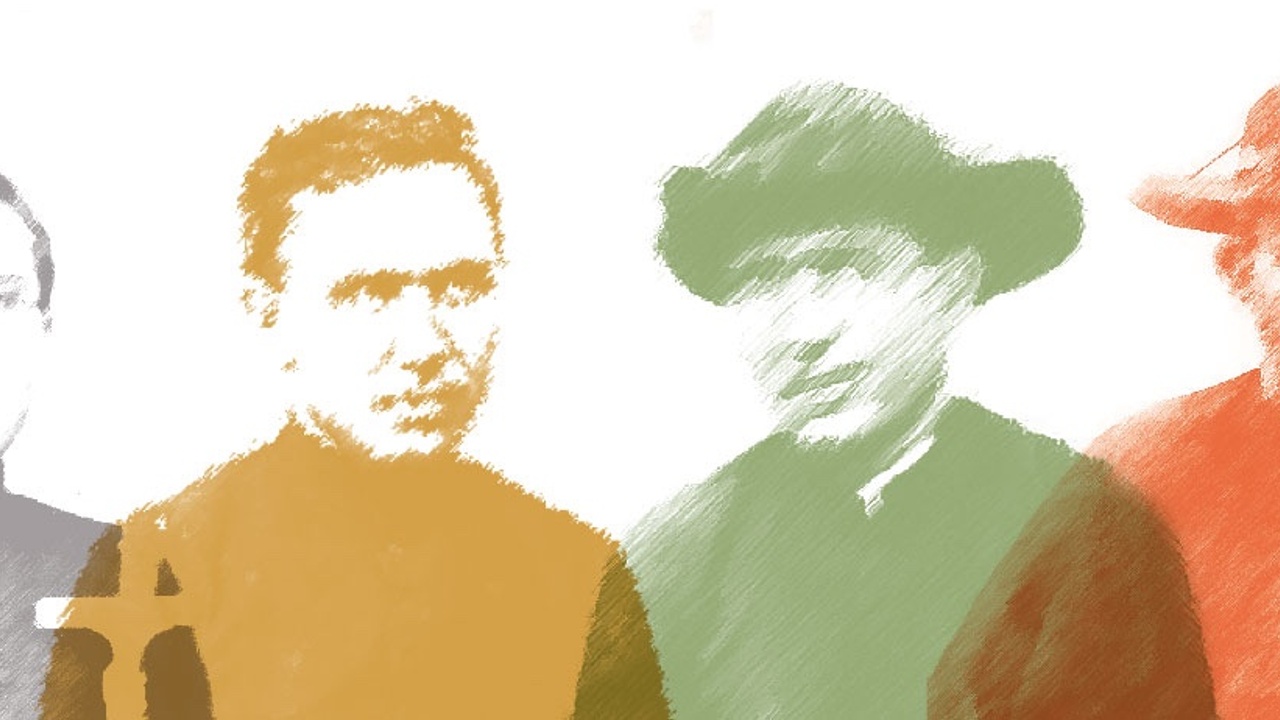
Father Damien’s Legacy: Leader by Example & "Martyr of Charity"​

Father Damien was born Jozef De Veuster, was a Roman Catholic priest from Belgium, and missionary who dedicated his life to the lepers of Hawaii and eventually contracted the disease himself. He was declared a Saint by the Catholic Church. Father Damien has been described as a "martyr of charity". In the Anglican Communion and other Christian denominations, Damien is considered the spiritual patron for leprosy and outcasts.

No alt text provided for this image

Jozef De Veuster was the youngest of seven children and fourth son of the Flemish corn merchant Joannes Franciscus ("Frans") De Veuster and his wife Anne-Catherine ("Cato") Wouters in the village of Tremelo in Flemish Brabant in rural Belgium on 3 January 1840. His older sisters Eugénie and Pauline became nuns, and his older brother Auguste (Father Pamphile) joined the Congregation of the Sacred Hearts of Jesus and Mary (Picpus Fathers).

Jozef was forced to quit school at age 13 to work on the family farm.

His father, a small farmer, sent him to a college a

...
Continue Reading...

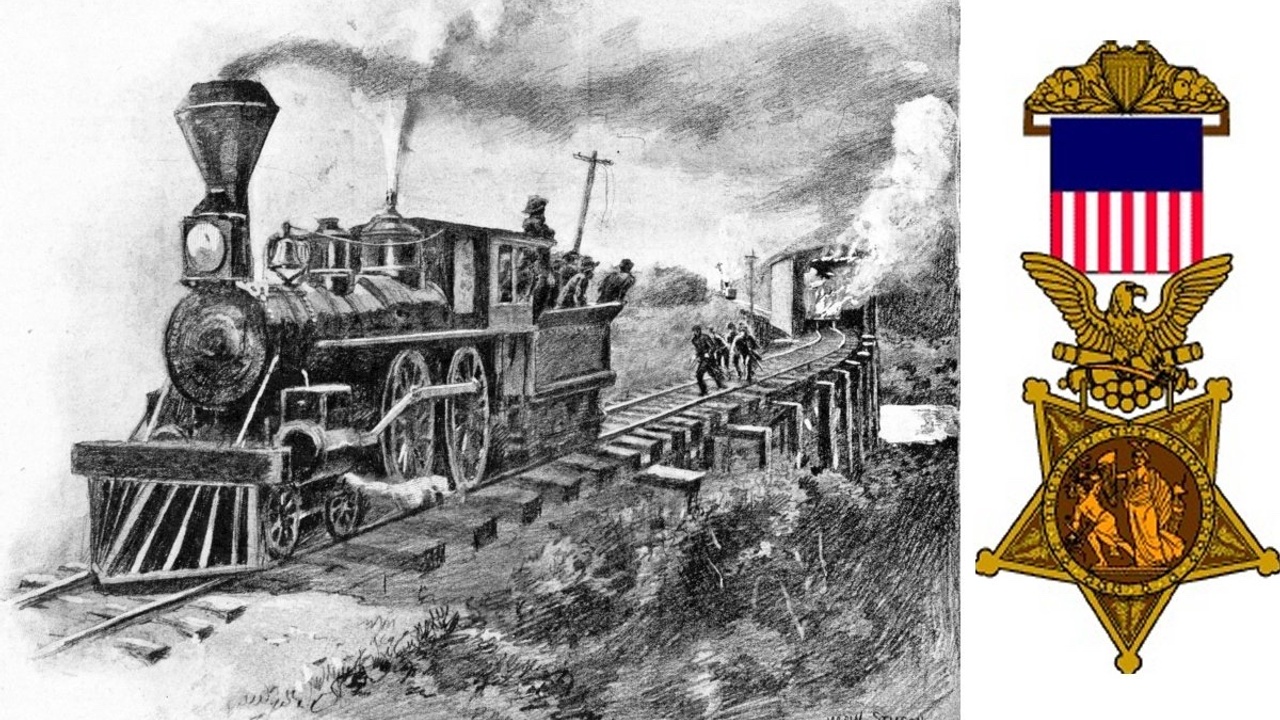
The Great Locomotive Chase and the First Recipients of the Medal of Honor

On This Day, April 12, 1862, Union soldiers and sympathizers steal a passenger train and take it from Atlanta, Georgia to Chattanooga, Tennessee sabotaging railway tracks, bridges, and telegraph lines along the way. They were pursued by Confederate troops, first on foot, then by handcar, and eventually by train. The raiders eventually ran out of wood for the steam engine and had to abandon the train, where they tried to escape on foot. The leader of the raid, civilian scout James J. Andrews, and his men were eventually captured. Eight of the men, including Andrews, were hanged. Six of the soldiers became the first to receive the Medal of Honor. However, Andrews was not eligible since he was a civilian.

The raid became known as "The Great Locomotive Chase.”

No alt text provided for this image

The Great Locomotive Chase has become a legendary, but still relatively little-known event that unfolded during the early years of the Civil War. It was an attempt by Union forces and sympathizers to destroy railroad infrastructu...

Continue Reading...

Apollo 13

On This Day, April 11, 1970, Apollo 13 Launched from Kennedy Space Center.

No alt text provided for this image

The mission was commanded by Jim Lovell with Jack Swigert as command module pilot and Fred Haise as Apollo Lunar Module pilot. Swigert was a late replacement for Ken Mattingly, who was grounded after exposure to rubella.

No alt text provided for this image

Two days later, the lunar landing was aborted after an oxygen tank in the service module failed two days into the mission, leading to famous expression, "Houston, we have a problem."

No alt text provided for this image

To survive, the crew needed to overcome limited power, loss of cabin heat, shortage of potable water, and make makeshift repairs to the carbon dioxide removal system.

No alt text provided for this image

There was a critical need to adapt the command module’s cartridges for the carbon dioxide scrubber system to work in the lunar module. Working together, thousands of miles apart, the crew and mission controllers were successful in improvising a solution.

No alt text provided for this image

Looping around the Moon, the crew returned safely to Earth six days later on April 1...

Continue Reading...

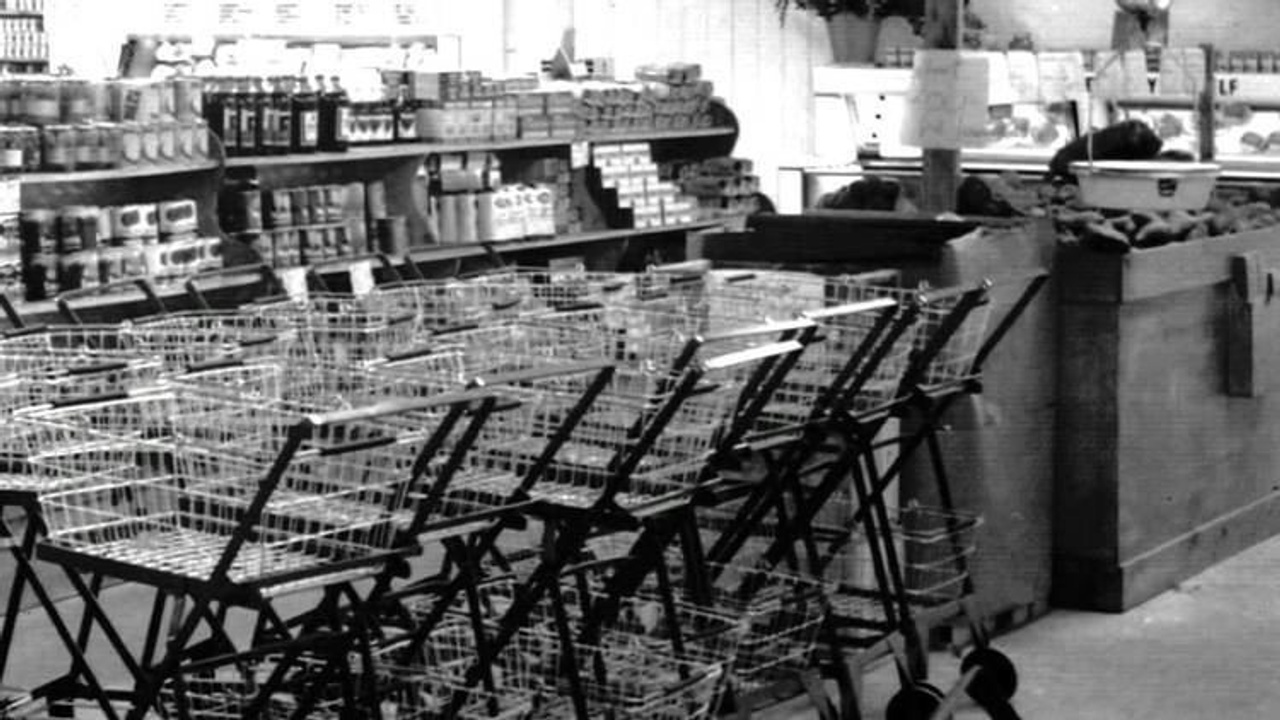
The Inventor of the Shopping Cart also invented the Baggage Cart

On This Day, April 9, 1940, the patent for the first shopping cart is granted to its inventor Sylvan Goldman, the owner of a Humpty Dumpty Grocery store in Oklahoma City. It was essentially a folding chair with wheels and baskets attached. The carts were initially a flop, as shoppers were reluctant to use them--men found them effeminate and women thought them too much like a baby carriage - so he hired models to shop with them.

No alt text provided for this image

Eventually, folding carts became very popular and Goldman became a multimillionaire by collecting a royalty on every folding design shopping cart in the United States.

By any measure, Goldman was an innovator. In addition to his invention of the shopping cart, early in his career as a grocer he developed many of the advertising and marketing techniques now commonly used by supermarkets.

He once said his idea for the shopping cart came from watching women carrying baskets. ''They had a tendency to stop shopping when the baskets became too full or too heavy,'...

Continue Reading...

The Architect of the Space Needle also Invented the American Mall

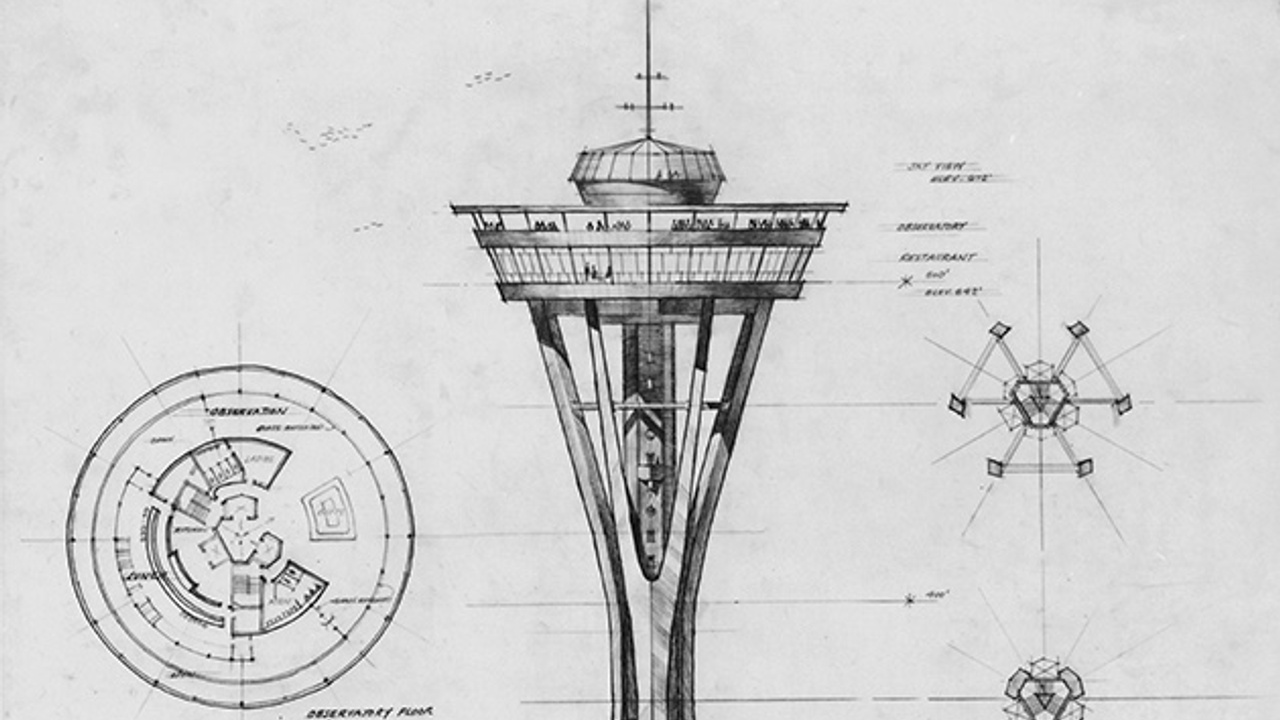
Architect John Graham, Jr. was born On This Day, April 8, 1908. In the late 1940s, he designed the what has become the modern shopping center. He also designed the Space Needle for the 1962 Seattle World's Fair and the first revolving restaurant in Honolulu, Hawaii.

No alt text provided for this image

John Graham, an architect whose designs included the Space Needle for the 1962 World's Fair in Seattle,

Born and raised in Seattle, John Graham Jr., attended the Moran Military Academy and then Queen Anne High School, graduating in 1925. He began his formal architectural education at the University of Washington in 1926, and then transferred to Yale, where he received his Bachelor’s degree in architecture in 1931. Due to the Depression, Graham worked in the retail business before joining his father’s architectural practice as a partner in 1937. Business was booming for the firm, and at the age of 30, Graham Jr. opened a branch office in New York City with engineer William Painter as a partner.

No alt text provided for this image

During the late 193

...
Continue Reading...

The Inventor of Long-Distance Television also invented the Color Fax and the Changeable Sign!

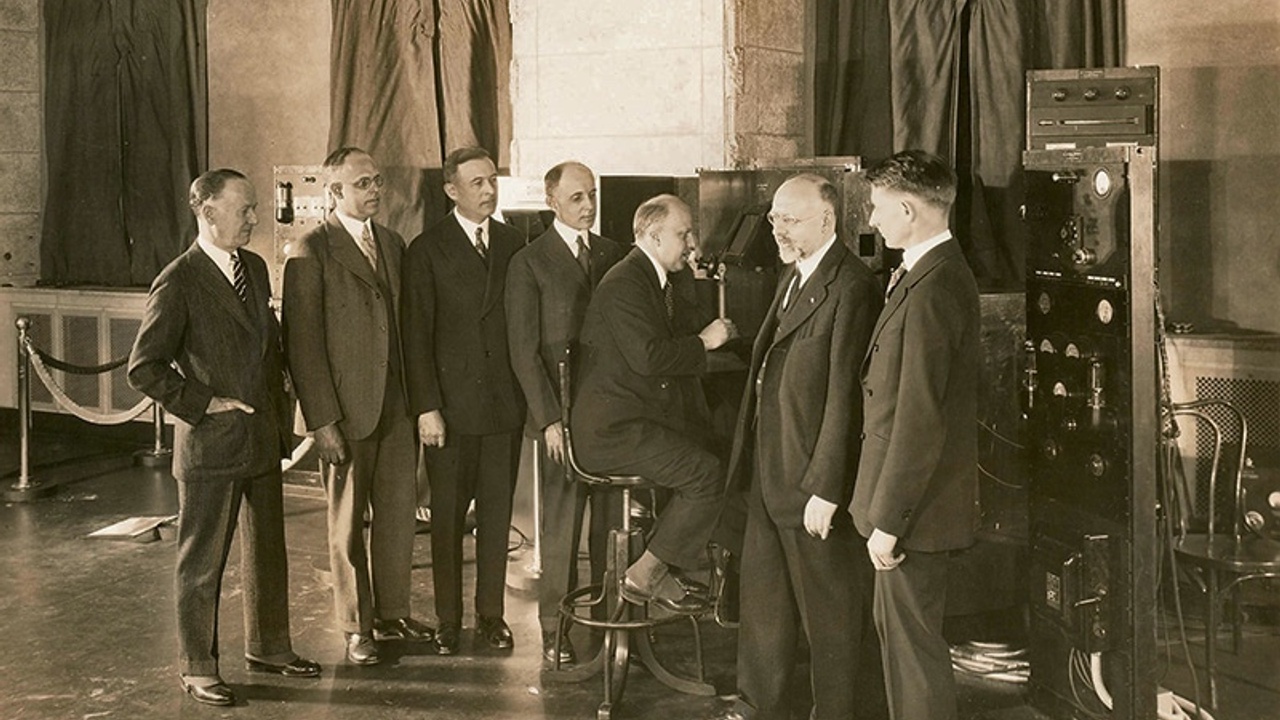
On This Day, April 7, 1927, Herbert Eugene Ives of Bell Laboratories and the inventor of long-distance television transmission, broadcasts a picture from Washington D.C. to New York, a distance of about 200 miles over telephone lines.

No alt text provided for this image

It was a speech by then U.S. Secretary of Commerce and future U.S. President Herbert Hoover announcing, "Today we have, in a sense, the transmission of sight for the first time in the world's history. Human genius has now destroyed the impediment of distance in a new respect, and in a manner hitherto unknown."

No alt text provided for this image

Ives was born on July 31, 1882 in Philadelphia to Frederic Eugene Ives and Mary Olmstead. He studied at the University of Pennsylvania.

Just like his father, Herbert Ives became an expert in color photography. His main point of interest was aerial photography. He was also an avid coin collector.

In 1903, Ives patented the technique for the "Changeable Sign", which showed different pictures from different angles.

He continued his studies at ...

Continue Reading...
1 2 3 4 5 6 7 8 9 10
Close

50% Complete

Two Step

Lorem ipsum dolor sit amet, consectetur adipiscing elit, sed do eiusmod tempor incididunt ut labore et dolore magna aliqua.