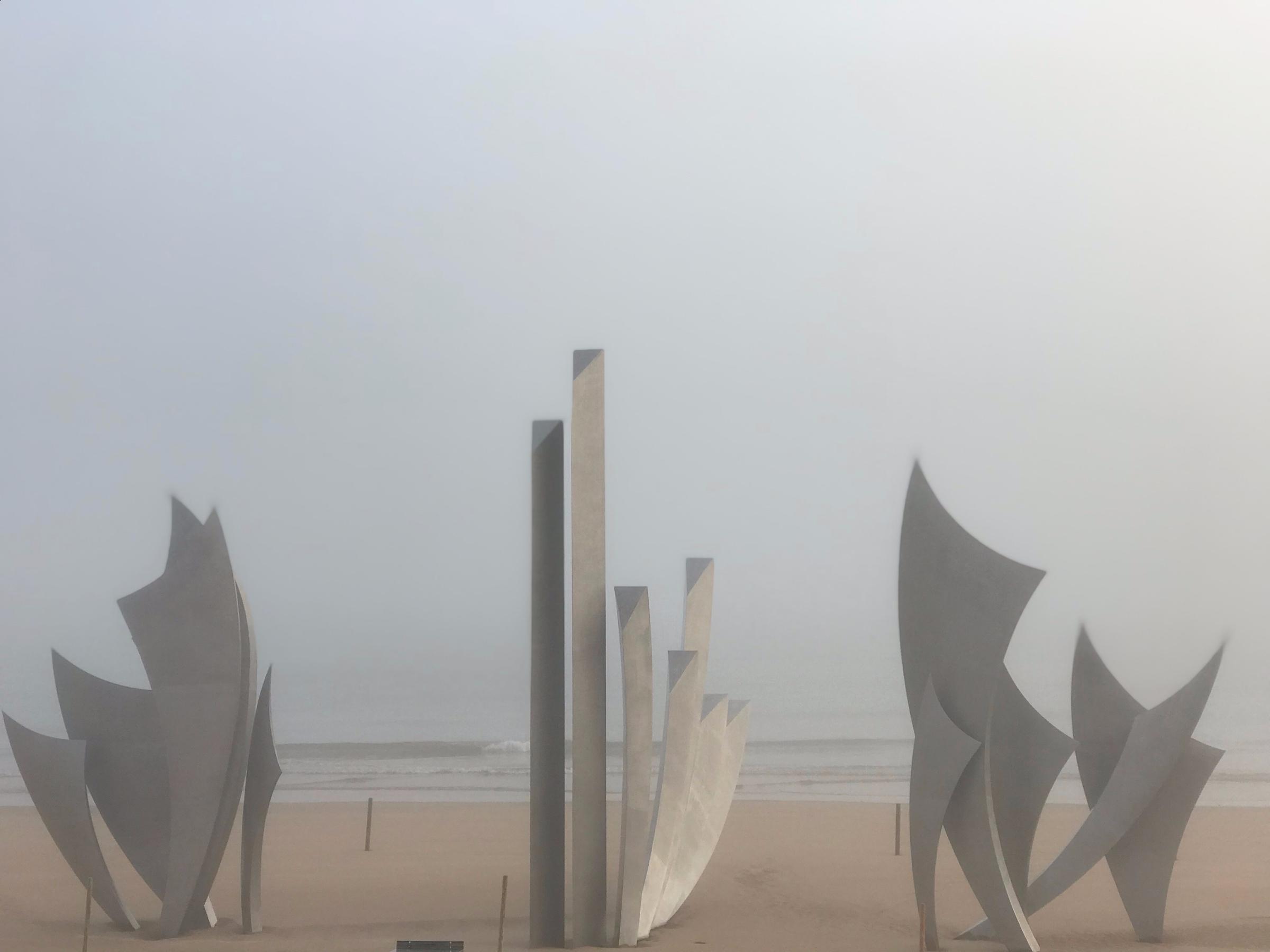
Ground Truth in Benghazi: The Timeline
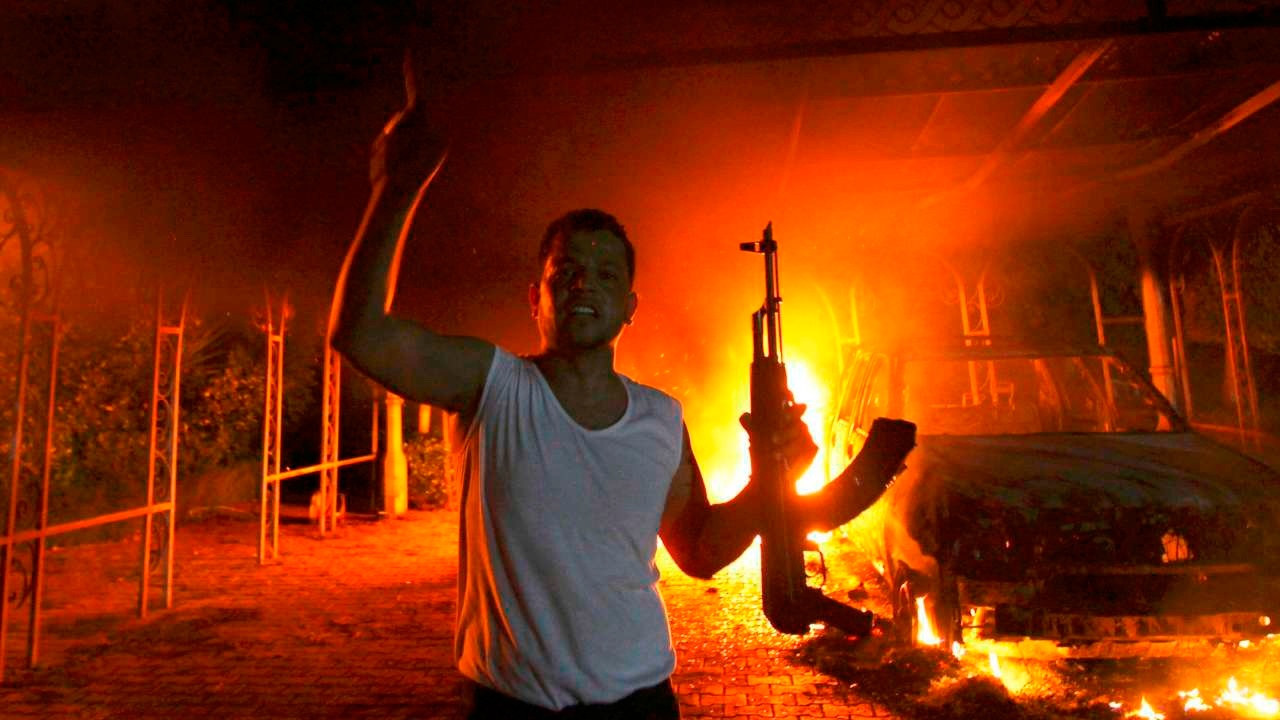
While it is easy to speculate on what happened (or didn't happen) in the attempts to help our people in Benghazi, the timeline should be as objective and complete as possible. This timeline is a compilation from nearly twenty separate open sources. It is obviously not complete, and in some cases, may beg more questions than it answers, but it does offer sever
...Timeline: Siege at the United States Capitol
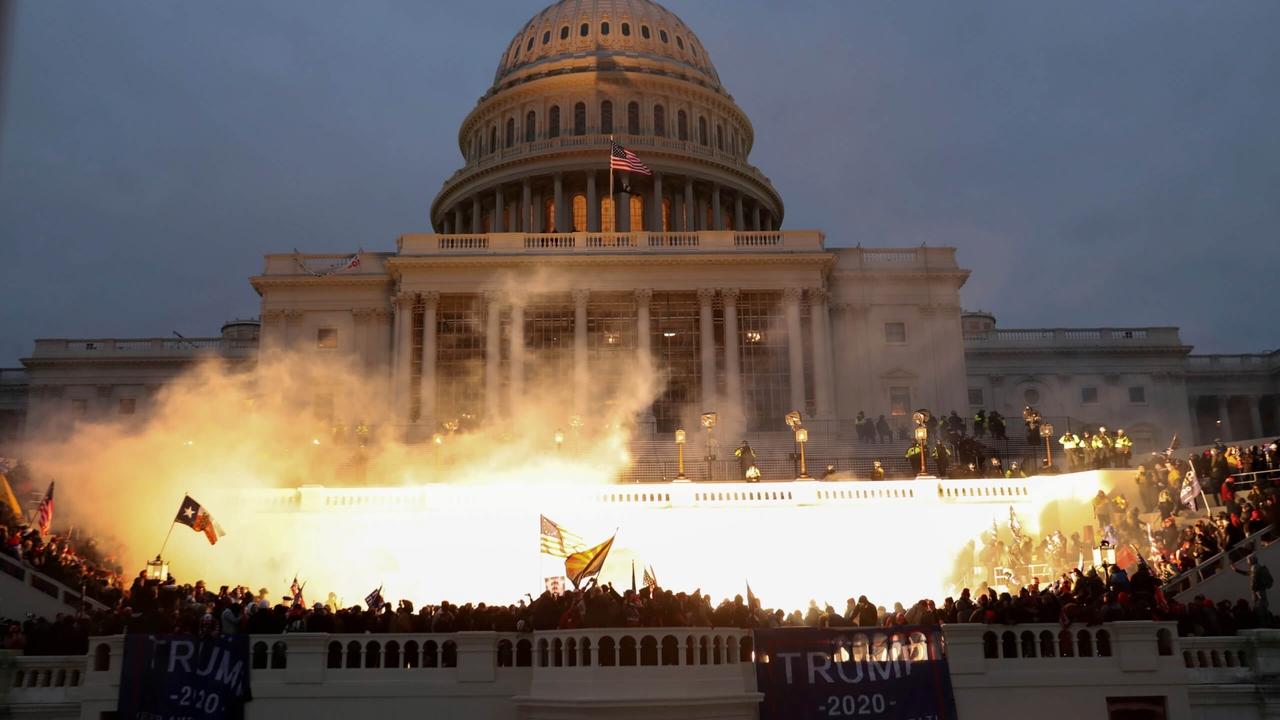
I've compiled this timeline of events relating to what occurred at our Capitol on Wednesday, January 6, 2021. It's derived from multiple sources, and attempts to sequentially describe major events that transpired that day, and in the days previous and following. In reviewing the timeline, my hope is that we can walk away with a better understanding of the factors that contributed to the siege at the United States Capitol. It's a work in progress, and will continue to be updated as information becomes available. I welcome (constructive) feedback, and recommended objective edits/additions.
Timeline:
November 5, 2020
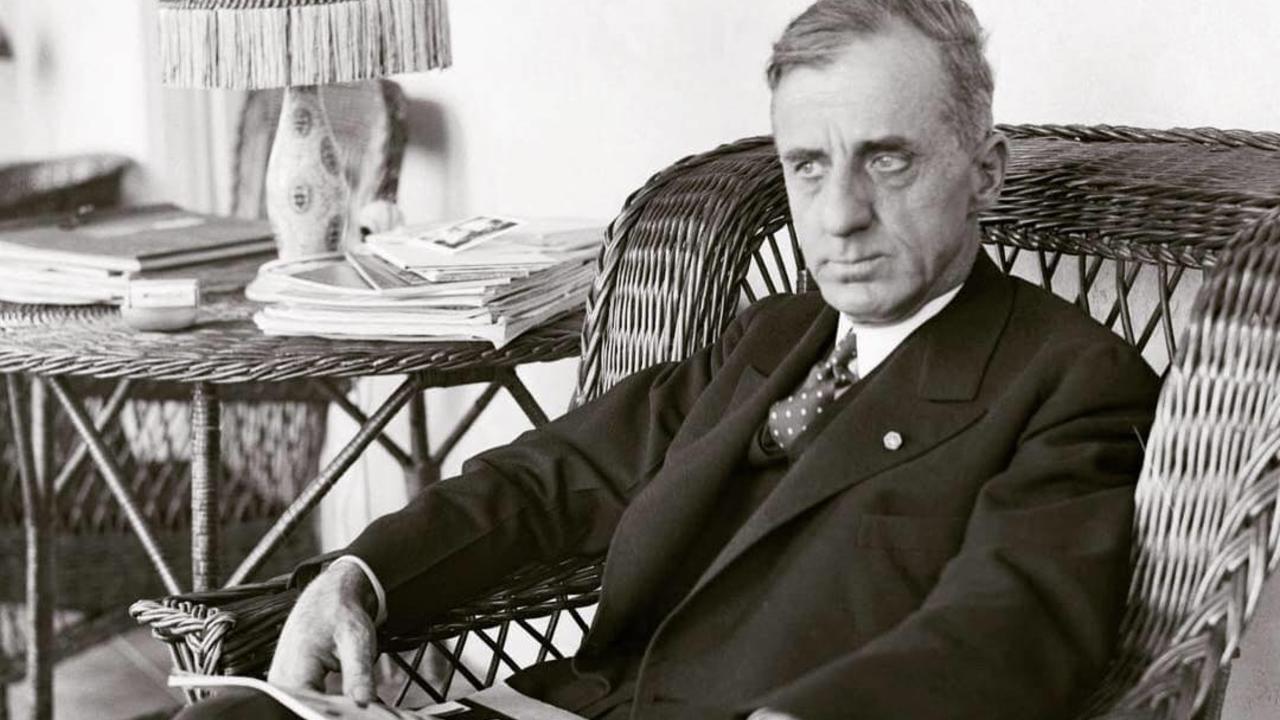
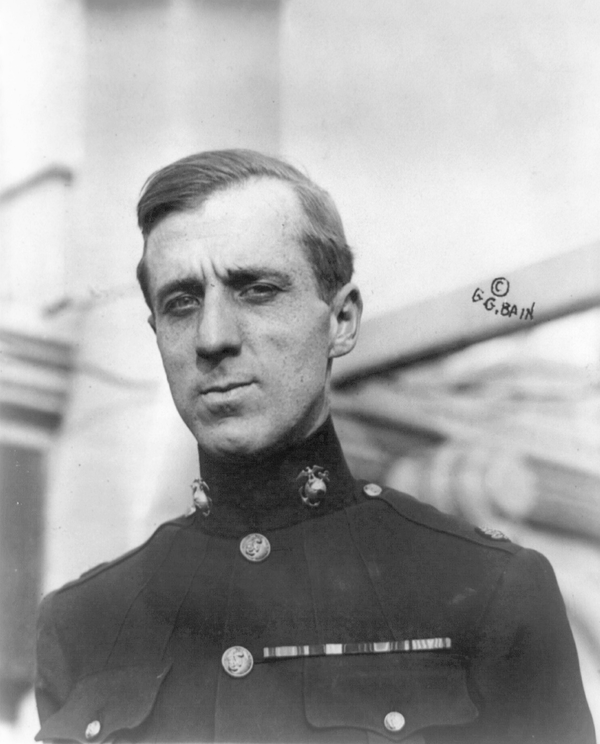
TWO Medals of Honor and Something Even More: The Story of Major General Smedley Butler
Dining-in speech at U.S. Military Academy 2003, by Lieutenant Colonel Guy Lofaro
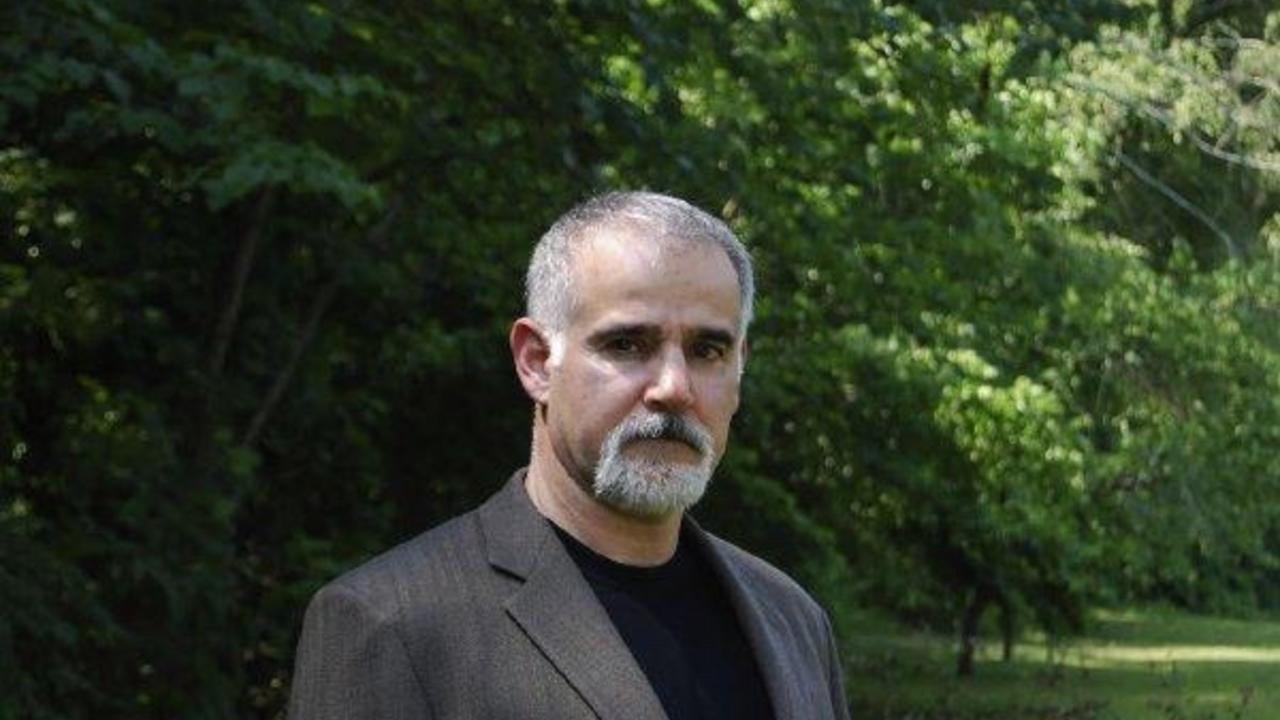
This copy of a speech given at a "Dining In," a traditional formal military officers' dinner - usually an annual stag affair held by units on bases and posts. I've been told by friends who know him, that Guy Lofaro was a legendary professor at West Point and is a tremendous speaker. This speech provides exceptional insight into the values and dedication required by all of our military servicemen and women today. It's an excellent tribute, and has been making the rounds throughout the ranks....
Let me say before beginning, that it has been my pleasure to attend several dinings-in here at West Point and hence, I have some basis for comparison. You people have done a fine job and you ought to congratulate yourselves.
In fact, why don't we take this time to have the persons who were responsible for this event, stand, so we can acknowledge them publicly. I guess I am honored with these invitations because there exists this rumor that I can tell a story. Cadets, who I have had in class, so...
General George Washington's Resignation as Commander-in-Chief of the Continental Army
On this day, December 23, 1783 General George Washington resigned his commission as Commander-in-Chief of the Continental Army. That act signaled his return to civilian life at Mount Vernon, but ultimately it was much more than that. It set the stage for how the United States would ultimately be led and governed. Today, Luke and I took a walk down to the Maryland State House in Annapolis. Unfortunately, because of the current health crisis, the State House is closed to the public, so we couldn't get in to shoot this as we'd intended—undeterred, we sat down on a park bench outside and did it there. We posted some additional photos from our previous visits to the State House. It was a windy day, and we did this pretty quickly--but hopefully, it will serve as a good reminder of how significant this day is, and especially, how meaningful George Washington's actions were 237 years ago. Today.
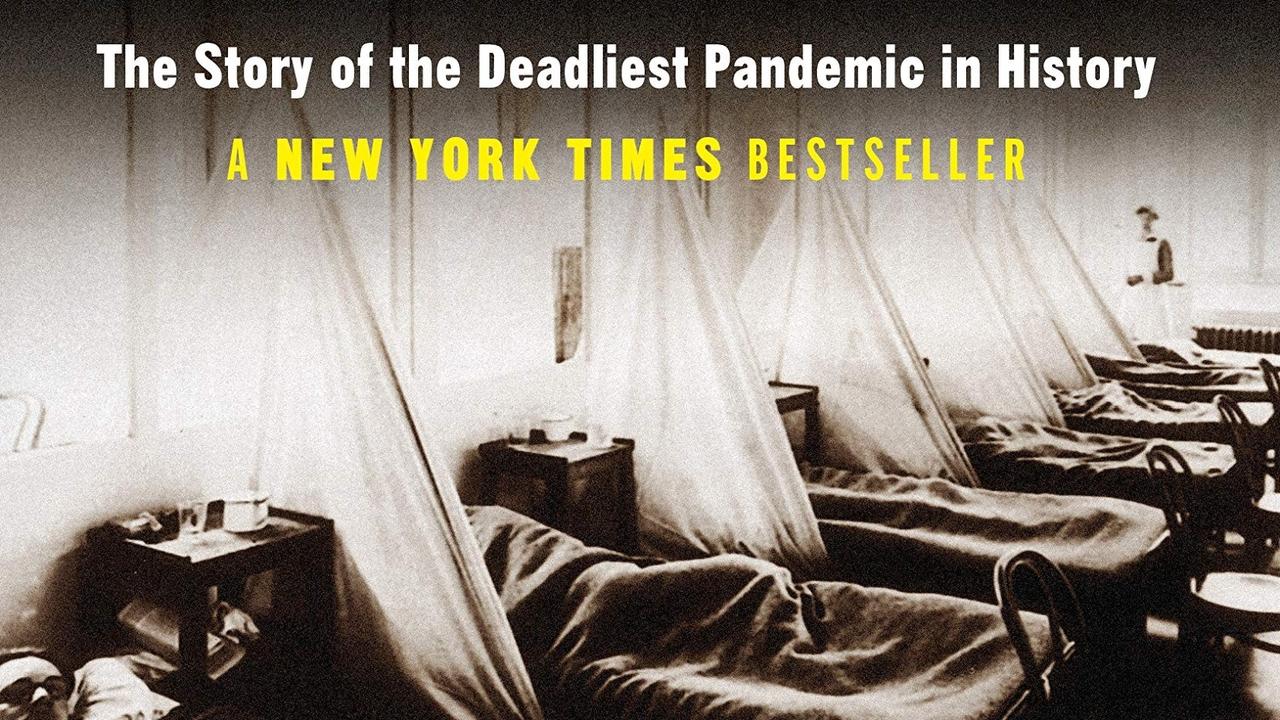
The Great Influenza by John Barry
Medal of Honor: Sergeant Bernard Taylor
Bernard Taylor was born in St. Louis, Missouri in 1844. He later enlisted in the United States Army in Washington, D.C. as a private with Company A of the 5th Cavalry. Assigned to frontier duty in the Arizona Territory, Taylor saw action during the Apache Wars and eventually rose the rank of sergeant. He was described as "an admirable specimen of the Irish-American soldier.”
Taylor was called ‘Barney’ by the troopers when off duty, but respectfully addressed ‘Sergeant’ at all other times. Both King and Eaton knew him well. He had been in many a scout and skirmish with the regiment, and was hailed as a daring, resolute, intelligent man, and a non-commissioned officer of high merit.” He was an expert horseman, a quick and accurate shot, a gallant and enthusiastic trooper, and never more enthusiastically in his element than in the rough mountain scouting.
On November 1, 1874, Taylor left Camp Verde with a small cavalry patrol headed by First Lieutenant Charles King in pursuit of a hos
...Battle of Carentan: Purple Heart Lane
Just completed another "D-Day Experience" video program that discusses The Battle of Carentan and what became known by the Soldiers who fought there, as "Purple Heart Lane."
The objective of the attacking American forces was consolidation of the U.S. beachheads--Utah Beach and Omaha Beach--and establishing a continuous defensive line against the German counterattacks that were certain to follow.
This is an interesting battle and event to study--it features the first bayonet charge of World War II, a Medal of Honor to the man who led it, and multiple Distinguished Service Crosses.
It's also a very complex battle--primarily because of the series of bridges along the causeway into Carentan, the movements and maneuver, the logistics, personalities and key locations involved; not to mention the series of attacks and counterattacks that occurred over the course of those several days in June 1944--less than a week after D-Day. But one thing was as clear to those men and women then, as it is ...
21-Year Old WWII Soldier’s Sketchbooks Reveal a Visual Diary of His Experiences
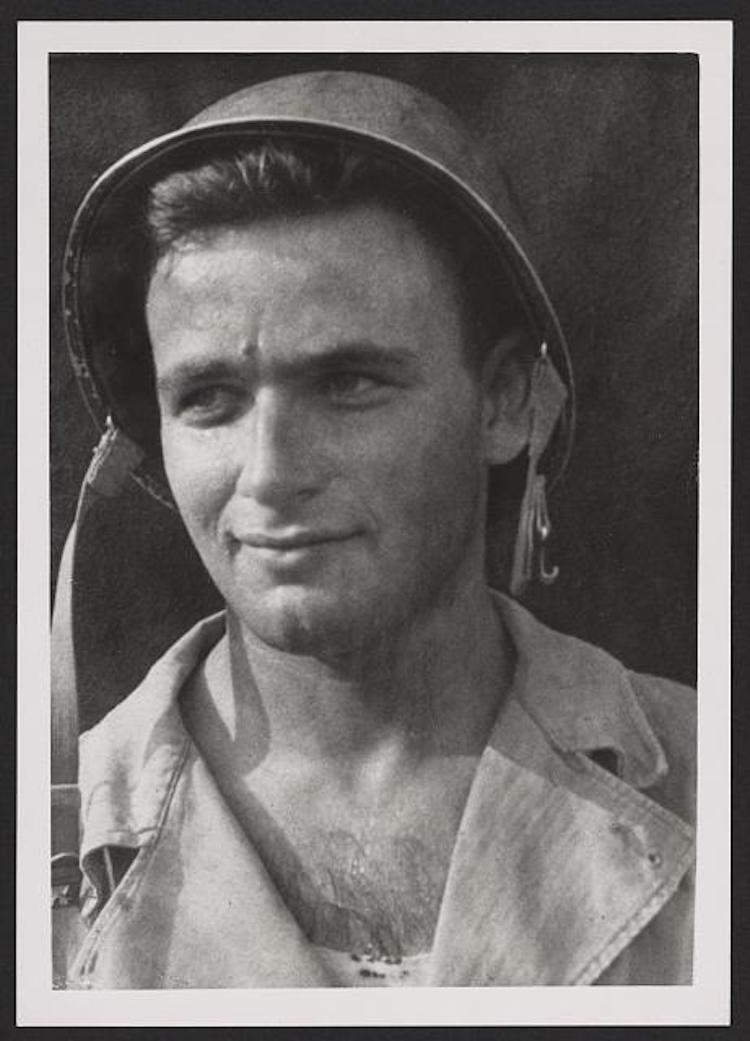 Victor Lundy
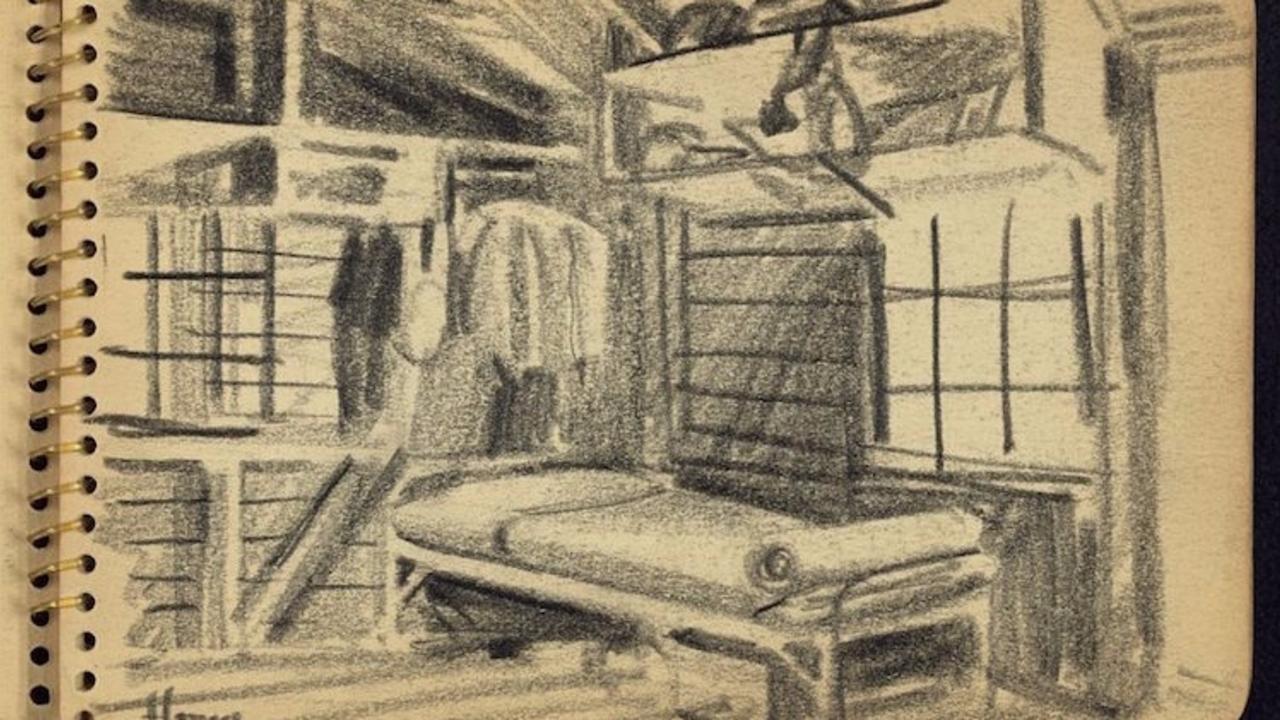
True artists must find a creative outlet no matter what the circumstance—including times of war. Thanks to the creative passion and steady hand of then 21-year old soldier Victor Lundy, we have a breathtaking visual record of World War II, in the form of documentary sketches. For Lundy, “drawing is sort of synonymous with thinking,” which means we are left with an intimate archive of sketches that unfold one soldier’s experience fighting on the front lines. Lundy was studying architecture in New York when, enthralled with the idea of rebuilding a post-war Europe, he enrolled in the Army Special Training Program. By 1944, with D-Day looming, the Army needed reinforcements, which meant that young Lundy would be thrown into the infantry. This shocking turn of events didn’t stunt his creativity, though.
Lundy, who is now 92, recalls his inability to listen during lectures. “I was busy sketching,” he admits. During his time in the infantry, he continued to sketch in his pocke...
Two Extraordinary Leaders in Four Photos
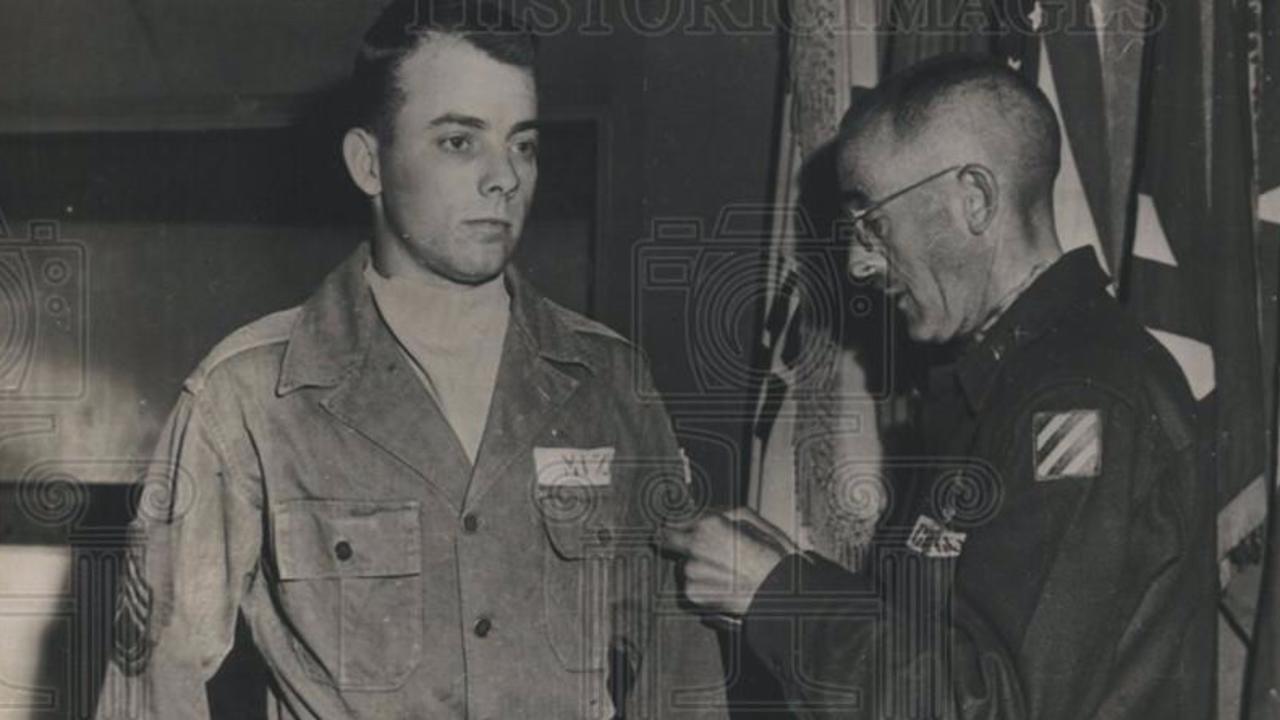
Major General Charles Canham pinning Master Sergeant stripes on Ola Mize.
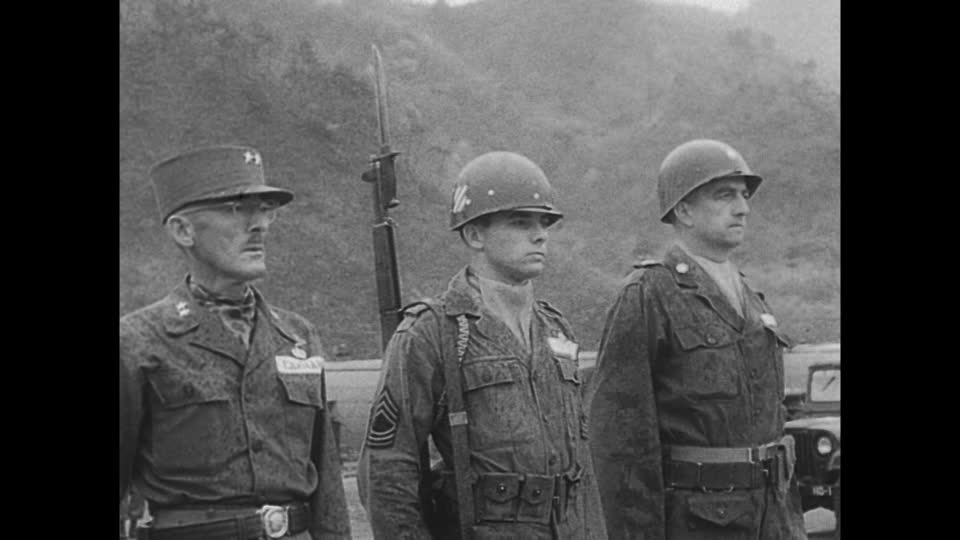 Major General Charles Canham awarding the Medal of Honor to Ola Mize.
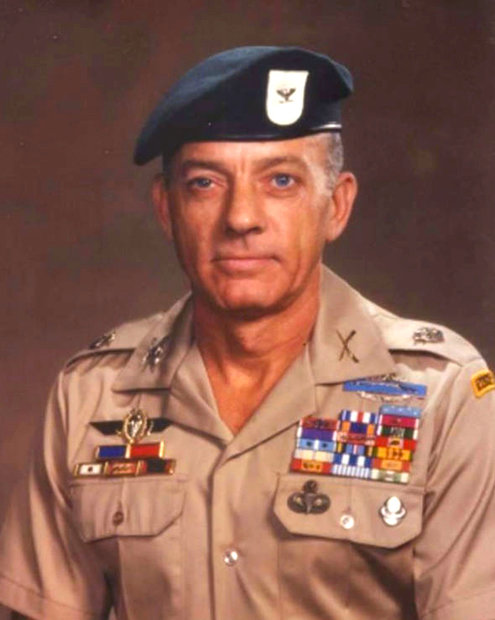
Mize later joined Army Special Forces where he gained a commission and served three tours during the Vietnam War. He retired in 1981 as a colonel. He died on March 12, 2014 at 82 years of age.
On June 10, 1953, Ola Mize and his unit were manning Outpost Harry near Surang-ni, Korea, when the post came under heavy enemy attack. Mize organized defensive positions, rescued wounded soldiers, and engaged the enemy until reinforcements arrived about noon the next day.
Ola Mize was subsequently promoted to Master Sergeant and, on September 24, 1954, he was awarded the Medal of Honor for his actions at Outpost Harry by MG Charles Canham.
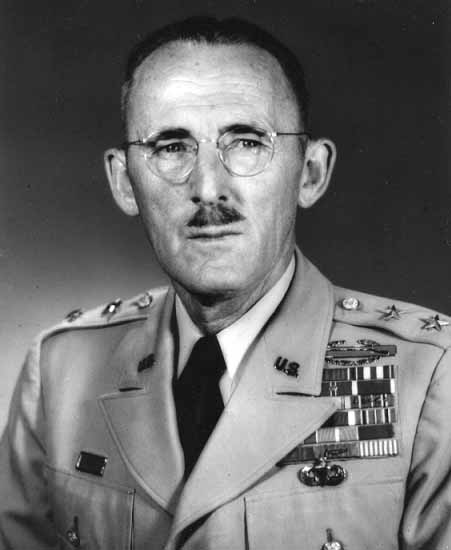
Canham was one of the pivotal (and very visible) leaders on Omaha Beach on D-Day. For his actions from Omaha Beach to the liberation of Saint Lô, he received the Distinguished Service Cross. Canham died on Au
...