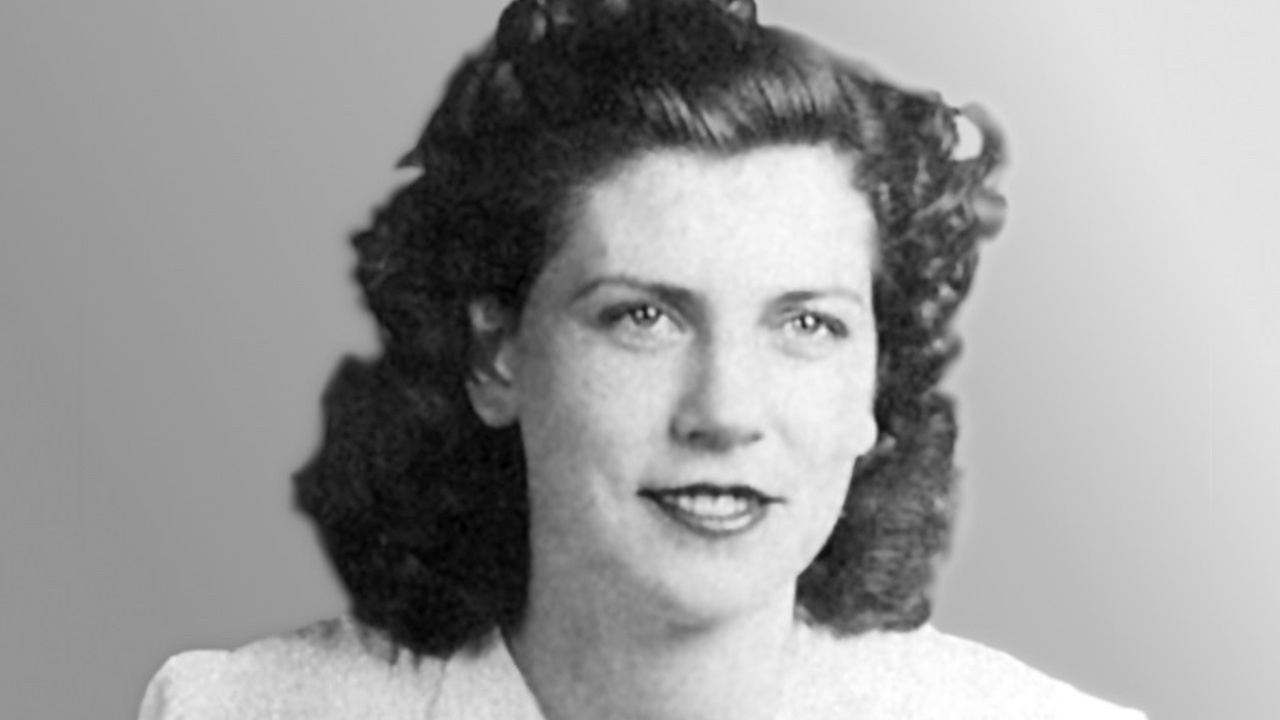
Margaret Knight, Inventor of the Paper Grocery Bag (and 87 other Inventions)

In her time, she was called "the most famous woman inventor,” but today, chances are, you’ve never even heard of Margaret Eloise Knight. It’s unfortunate, because If you do any grocery shopping, you have her to thank for making it so much easier. Her invention created a product that is as unassuming as it is ubiquitous.

A self-taught engineer, Margaret Knight invented the machine to produce flat-bottomed paper bags, and then founded the Eastern Paper Bag Company in 1870, creating paper bags for groceries very similar to the ones used today.

During her lifetime, as a woman-inventor during the late 19th and early 20th Centuries, she overcame a surprising amount of adversity to achieve both her goals and the recognition she deserved—at a time when few women held intellectual property. Here is her story…

Early Years and Early Inventions

Margaret E. Knight was born in York, Maine on February 14, 1838 to Hannah Teal and James Knight. After her father died, “Mattie,” as her parents nickna...

Continue Reading...

The Inventor of the First Mass Produced Car also Invented Stainless Steel Cutlery—and Oversaw Construction of the First Long-Distance Natural Gas Pipe

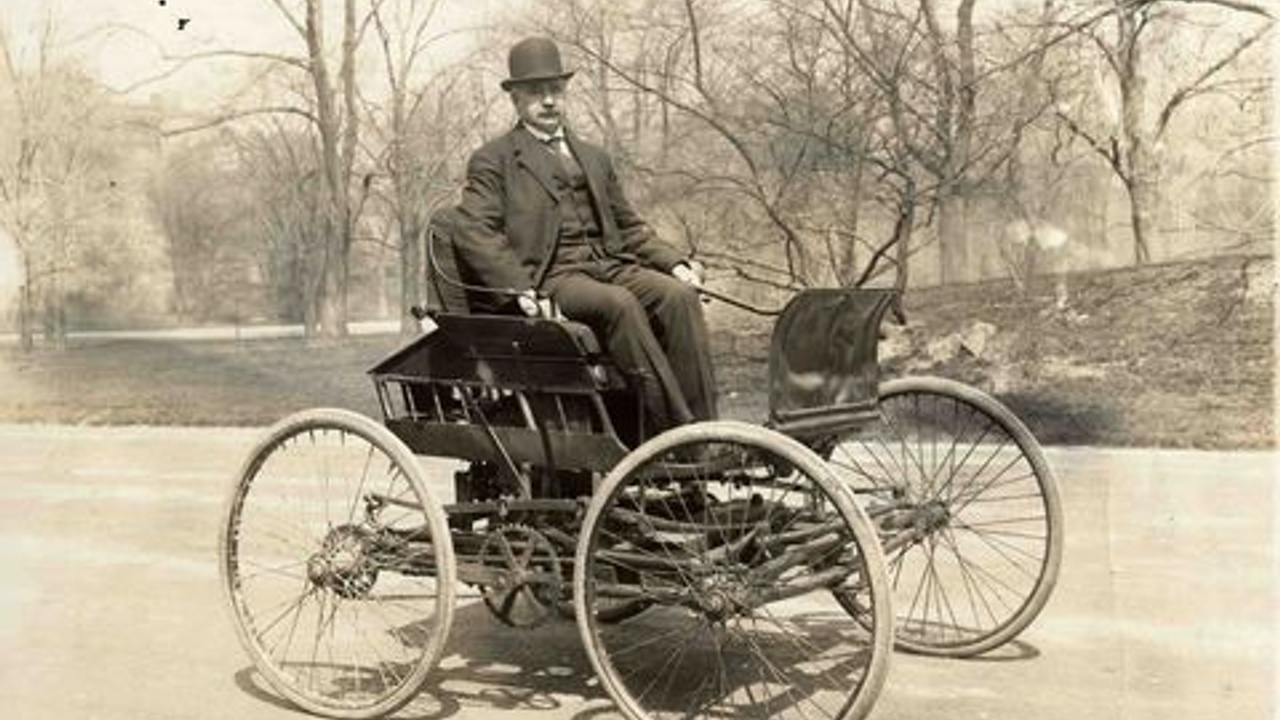
American inventor, metallurgist, automotive pioneer, entrepreneur and industrialist, Elwood Haynes developed and built one of the first automobiles. For anyone, that would be more than enough for a lifetime achievement—but he was responsible for so many more invaluable contributions that endure to this day.

No alt text provided for this image

Haynes was born on October 14, 1857, in Portland, Indiana, the fifth of ten children of Jacob M. Haynes and Hilinda S. Haines Haynes. His family was of English descent.

Both of Haynes' parents were dedicated Presbyterians and outspoken prohibitionists and educated their children from a young age to avoid liquor. His mother was the founder of a local Women's Temperance Movement Union. His paternal grandfather Henry Haynes was a gunsmith and mechanic, and tutored Haynes about metallurgy. In 1866, the family moved from their two-room house in Portland into the countryside outside of town where they purchased a larger home to better accommodate their growing number of children.

No alt text provided for this image

A...

Continue Reading...

The Inventor of the Shopping Cart also invented the Baggage Cart

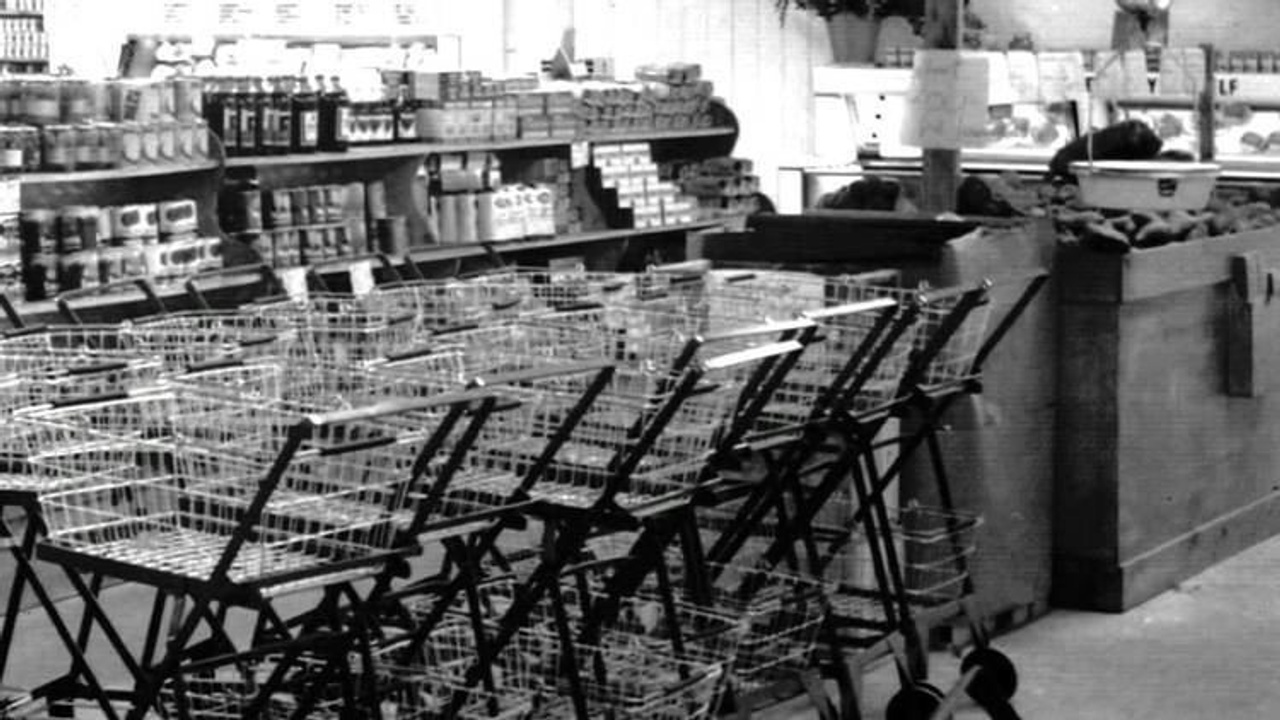
On This Day, April 9, 1940, the patent for the first shopping cart is granted to its inventor Sylvan Goldman, the owner of a Humpty Dumpty Grocery store in Oklahoma City. It was essentially a folding chair with wheels and baskets attached. The carts were initially a flop, as shoppers were reluctant to use them--men found them effeminate and women thought them too much like a baby carriage - so he hired models to shop with them.

No alt text provided for this image

Eventually, folding carts became very popular and Goldman became a multimillionaire by collecting a royalty on every folding design shopping cart in the United States.

By any measure, Goldman was an innovator. In addition to his invention of the shopping cart, early in his career as a grocer he developed many of the advertising and marketing techniques now commonly used by supermarkets.

He once said his idea for the shopping cart came from watching women carrying baskets. ''They had a tendency to stop shopping when the baskets became too full or too heavy,'...

Continue Reading...

The Inventor of Long-Distance Television also invented the Color Fax and the Changeable Sign!

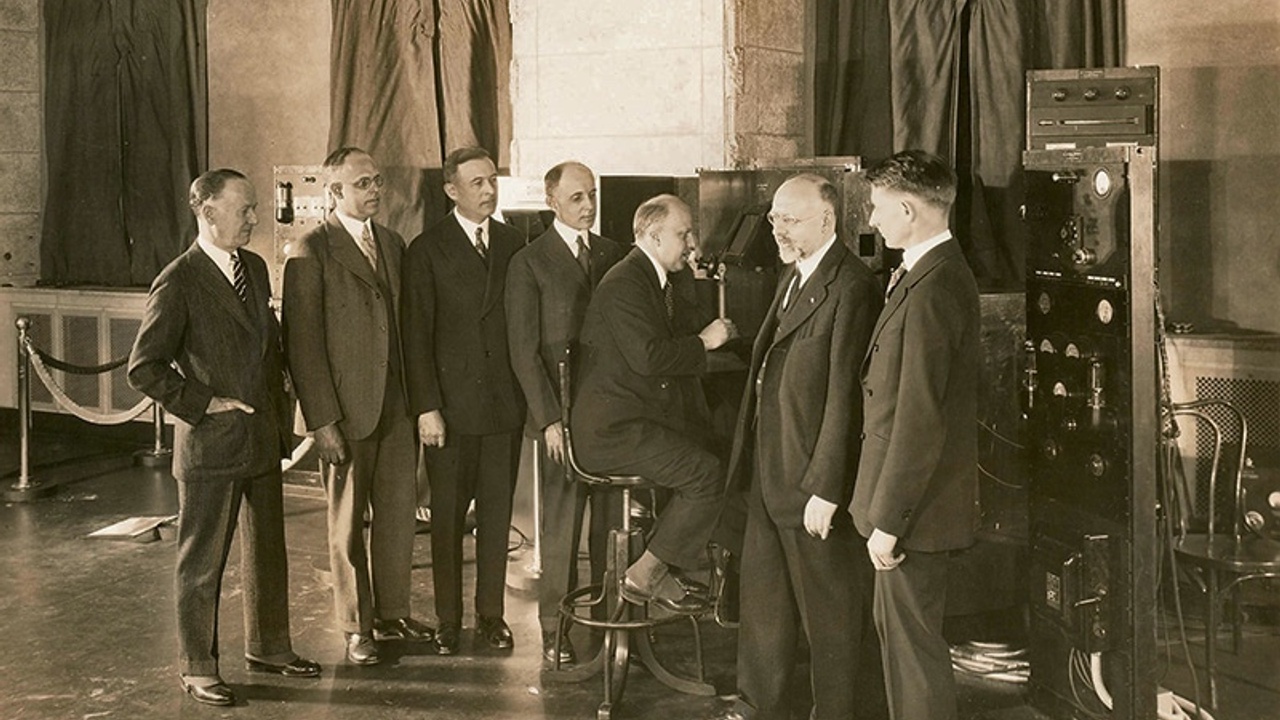
On This Day, April 7, 1927, Herbert Eugene Ives of Bell Laboratories and the inventor of long-distance television transmission, broadcasts a picture from Washington D.C. to New York, a distance of about 200 miles over telephone lines.

No alt text provided for this image

It was a speech by then U.S. Secretary of Commerce and future U.S. President Herbert Hoover announcing, "Today we have, in a sense, the transmission of sight for the first time in the world's history. Human genius has now destroyed the impediment of distance in a new respect, and in a manner hitherto unknown."

No alt text provided for this image

Ives was born on July 31, 1882 in Philadelphia to Frederic Eugene Ives and Mary Olmstead. He studied at the University of Pennsylvania.

Just like his father, Herbert Ives became an expert in color photography. His main point of interest was aerial photography. He was also an avid coin collector.

In 1903, Ives patented the technique for the "Changeable Sign", which showed different pictures from different angles.

He continued his studies at ...

Continue Reading...

The One-Eyed Surfer who “Invented” the Wetsuit

American surfer, entrepreneur, adventurer, and inventor, Jack O'Neill was born On This Day, March 27, 1923.

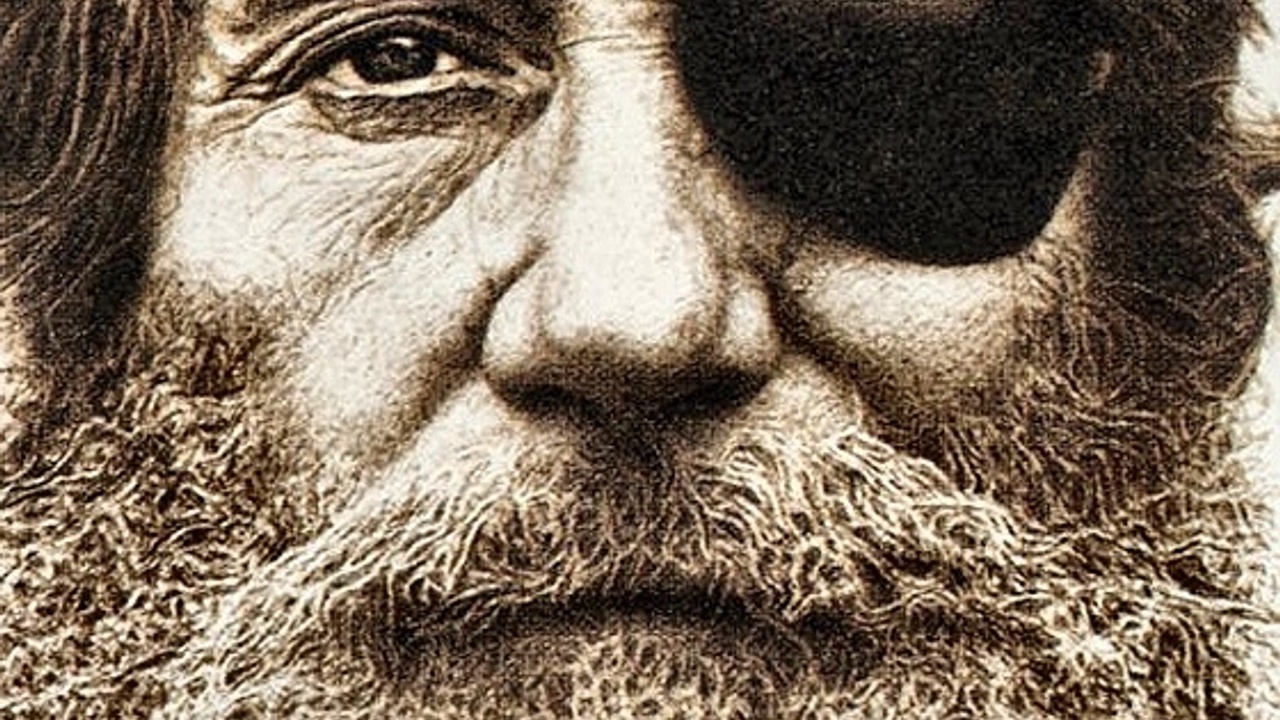
O’Neill is widely credited with inventing the wetsuit. Wanting to surf longer in the colder waters of Northern California, he popularized the neoprene wetsuit. He established the O'Neill surf wear and gear company in 1952. He was widely known for his eye patch, which he wore due to a surfing accident.

No alt text provided for this image

Although O'Neill is widely perceived to be the wetsuit inventor, an investigation concluded that UC Berkeley physicist Hugh Bradner was most likely the original inventor.

Jack O'Neill was a Denver native who grew up in Oregon and southern California, where he began body surfing in the late 1930s. He received a degree in business from University of Portland in Oregon.

During World War II, O’Neill was a pilot in the Naval Air Corps before moving to San Francisco, CA, where he worked as a taxi driver, fisherman, lifeguard, longshoreman, traveling salesman, and draftsman. Duri

...
Continue Reading...

The First Escalator, and its Little-Known Inventor who was Ahead of his Time

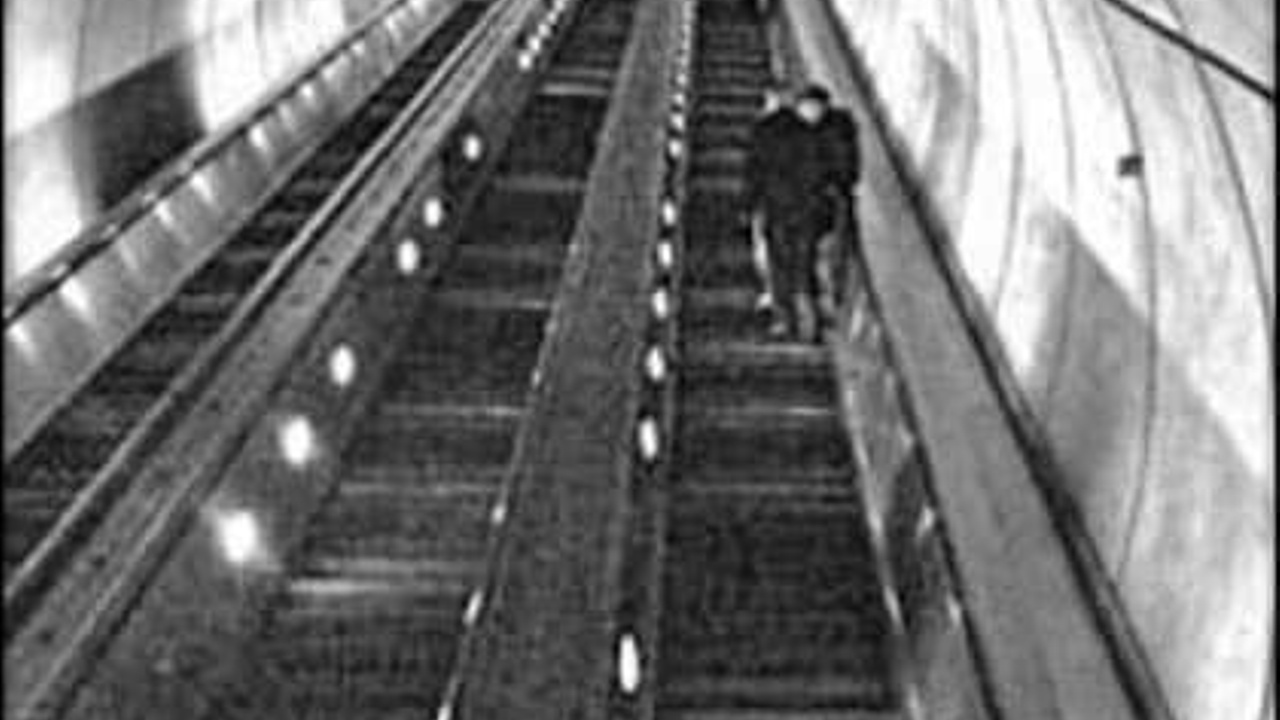
On this Day, March 15, 1892, the escalator is patented, by American inventor Jesse Wilford Reno. The idea for his "inclined elevator" was originally part of his proposal to build an underground New York City subway. The subway proposal was rejected, but the inclined elevator caught on. It included a rubber-coated moving handrail and a comb of projected fingers on the ends to help prevent feet from getting caught in the mechanism. The first one was demonstrated at Coney Island, New York, and transported some 75,000 people during its two-week stay there. It was then moved to the Manhattan entrance of the Brooklyn Bridge.

No alt text provided for this image

In researching the life of Jesse Wilford Reno it quickly becomes apparent that not much is really published about him—and what is out there is scattered and disparate.

Here’s what we’ve been able to compile about what we do know about Jesse Reno...

Jesse W. Reno was born on August 4, 1861 in Fort Leavenworth, Kansas. He was the son of American Civil War notable Majo...

Continue Reading...

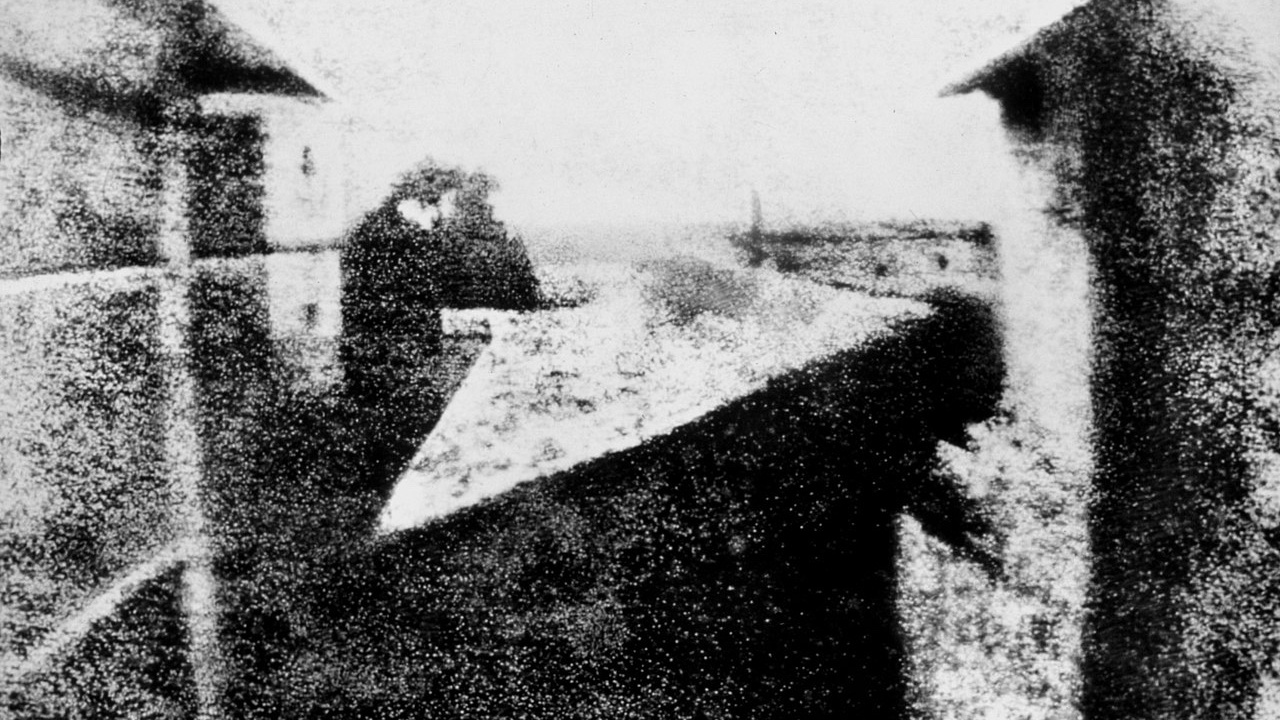
The Inventor of Photography also Invented the First Internal Combustion Engine!

French inventor, Joseph Nicéphore Niepce was born today, March 7, 1765 in Chalon-sur-Saône, Saône-et-Loire, where his father was a wealthy lawyer. He had an older brother Claude, a sister, and a younger brother, Bernard.

No alt text provided for this image

He created the first true photographs, but with the help of his brother, Claude, he also invented the first internal combustion engine.

Niépce was educated for the Catholic Priesthood. While studying at the seminary, he decided to adopt the name Nicéphore in honor of Saint Nicephorus the ninth-century Patriarch of Constantinople.

At the seminary, his studies taught him experimental methods in science, and by practicing those, he rapidly achieved success and ultimately graduated to become a professor at the college.

Because his family was suspected of royalist sympathies, Niépce fled the French Revolution but returned to serve in the French army as a staff officer under Napoleon Bonaparte in 1791 and served a number of years in Italy and on the island of Sardi

...
Continue Reading...

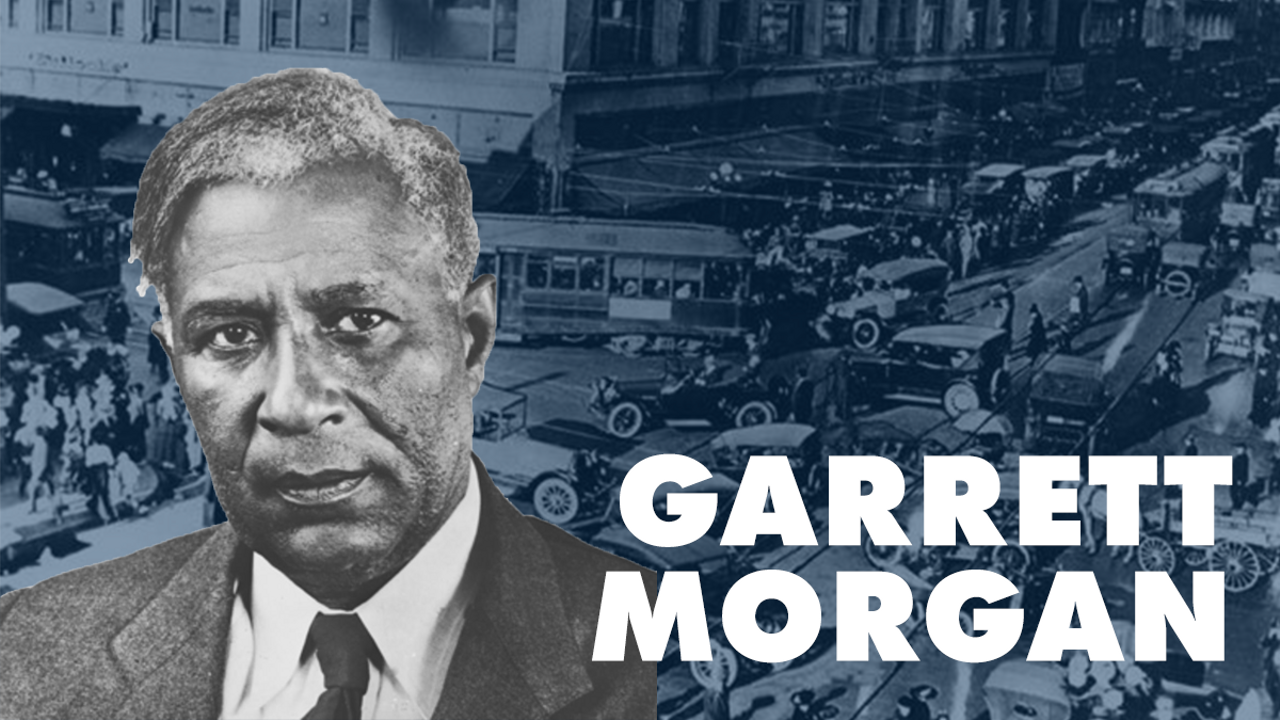
The Untold Story of Garrett Morgan: Inventor of the Gas Mask, the Improved Traffic Light...and More!

On this Day, March 4, 1877, African-American businessman and inventor, Garrett Morgan was born.

No alt text provided for this image

The seventh of eleven children of two formerly enslaved parents, he was born in Kentucky.

Like many American children growing up at the turn of the century, Morgan had to quit school when he was just 14 years old, to work fulltime. Morgan was able to hire a tutor and continue his studies while working in Cincinnati. In 1895, he moved to Cleveland, where he began repairing sewing machines for a clothing manufacturer. This experience sparked Morgan's interest in how things worked, and he built a reputation for fixing them.

No alt text provided for this image

Madge Nelson became his first wife in 1896, but that union ended in divorce. In 1908 he married again to Mary Anne Hassek, and they had three sons.

His businesses thrived. In 1907, he and Mary Anne opened Morgan's Cut Rate Ladies Clothing Store. The shop, that made coats, suits, dresses, and other clothing, ultimately had 32 employees.

No alt text provided for this image

Around 1910, his interes

...
Continue Reading...
Close

50% Complete

Two Step

Lorem ipsum dolor sit amet, consectetur adipiscing elit, sed do eiusmod tempor incididunt ut labore et dolore magna aliqua.