
The Great Locomotive Chase and the First Recipients of the Medal of Honor
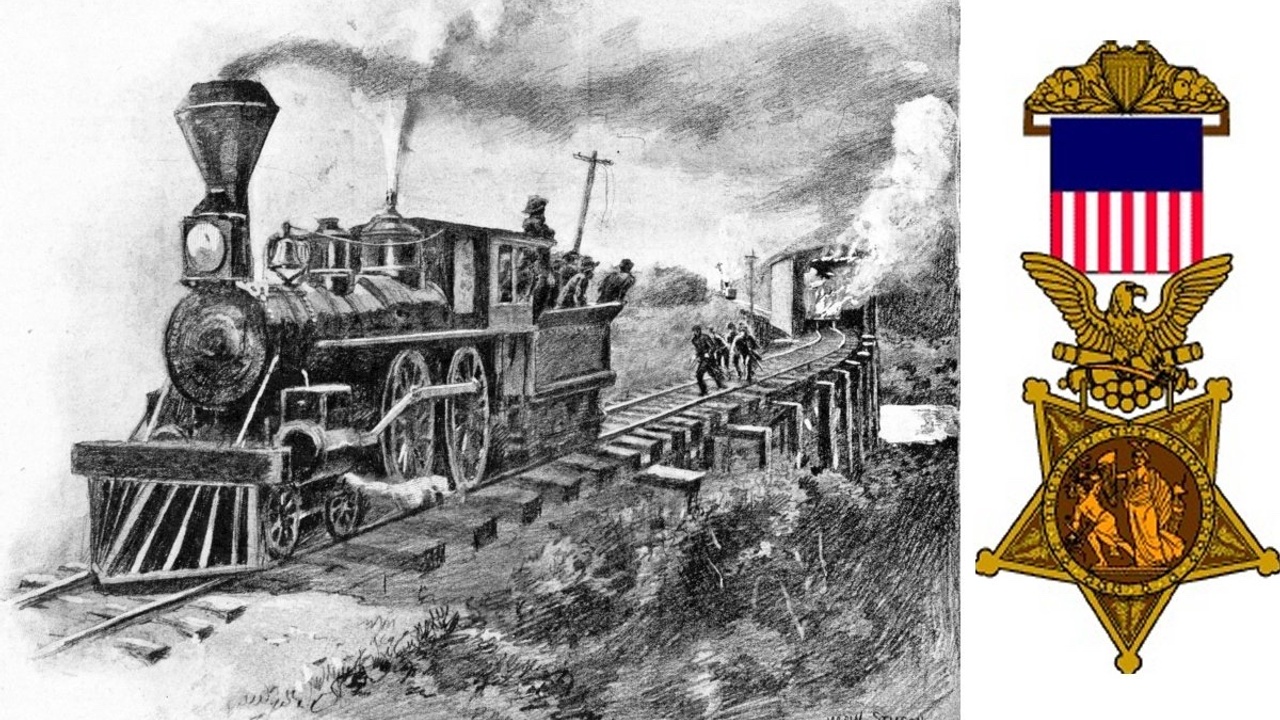
On This Day, April 12, 1862, Union soldiers and sympathizers steal a passenger train and take it from Atlanta, Georgia to Chattanooga, Tennessee sabotaging railway tracks, bridges, and telegraph lines along the way. They were pursued by Confederate troops, first on foot, then by handcar, and eventually by train. The raiders eventually ran out of wood for the steam engine and had to abandon the train, where they tried to escape on foot. The leader of the raid, civilian scout James J. Andrews, and his men were eventually captured. Eight of the men, including Andrews, were hanged. Six of the soldiers became the first to receive the Medal of Honor. However, Andrews was not eligible since he was a civilian.
The raid became known as "The Great Locomotive Chase.”

The Great Locomotive Chase has become a legendary, but still relatively little-known event that unfolded during the early years of the Civil War. It was an attempt by Union forces and sympathizers to destroy railroad infrastructu...
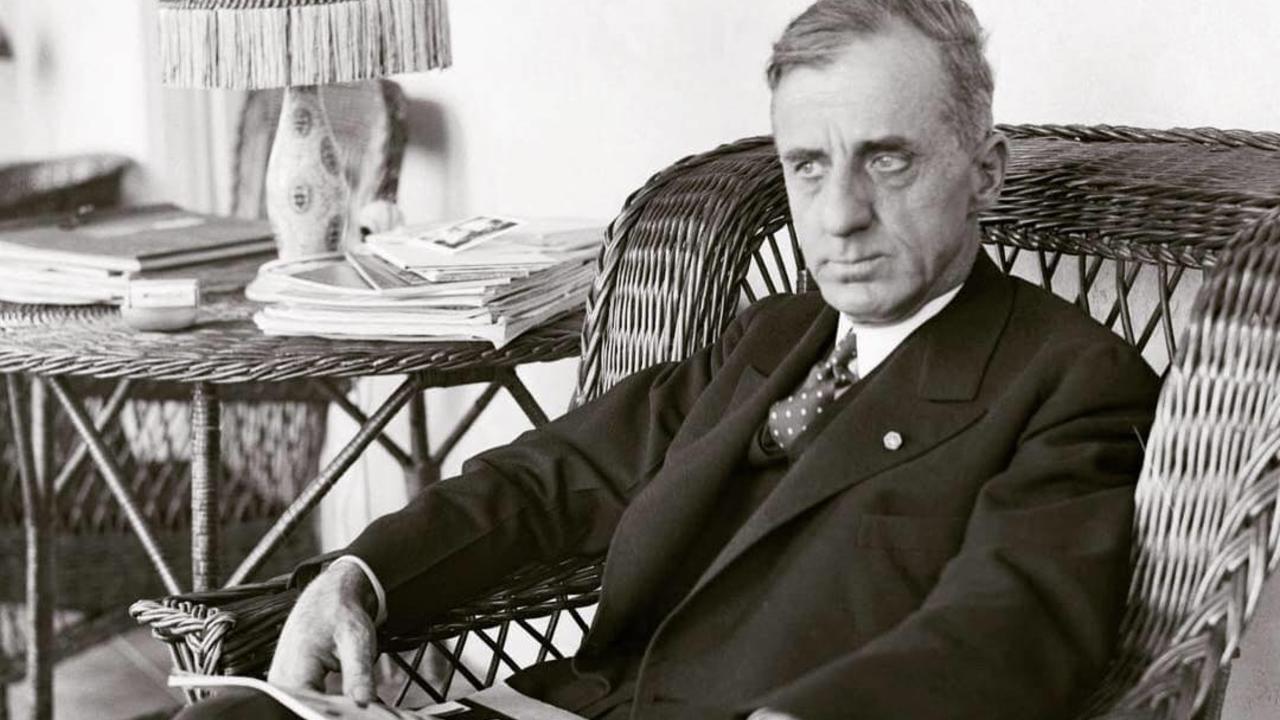
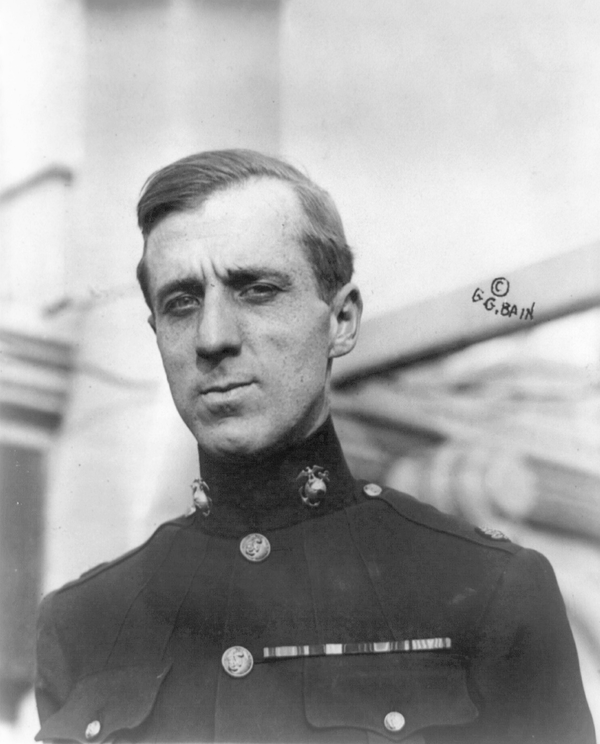
TWO Medals of Honor and Something Even More: The Story of Major General Smedley Butler
Battle of Carentan: Purple Heart Lane
Just completed another "D-Day Experience" video program that discusses The Battle of Carentan and what became known by the Soldiers who fought there, as "Purple Heart Lane."
The objective of the attacking American forces was consolidation of the U.S. beachheads--Utah Beach and Omaha Beach--and establishing a continuous defensive line against the German counterattacks that were certain to follow.
This is an interesting battle and event to study--it features the first bayonet charge of World War II, a Medal of Honor to the man who led it, and multiple Distinguished Service Crosses.
It's also a very complex battle--primarily because of the series of bridges along the causeway into Carentan, the movements and maneuver, the logistics, personalities and key locations involved; not to mention the series of attacks and counterattacks that occurred over the course of those several days in June 1944--less than a week after D-Day. But one thing was as clear to those men and women then, as it is ...