The Independence Day Discussion of July 4, 1776
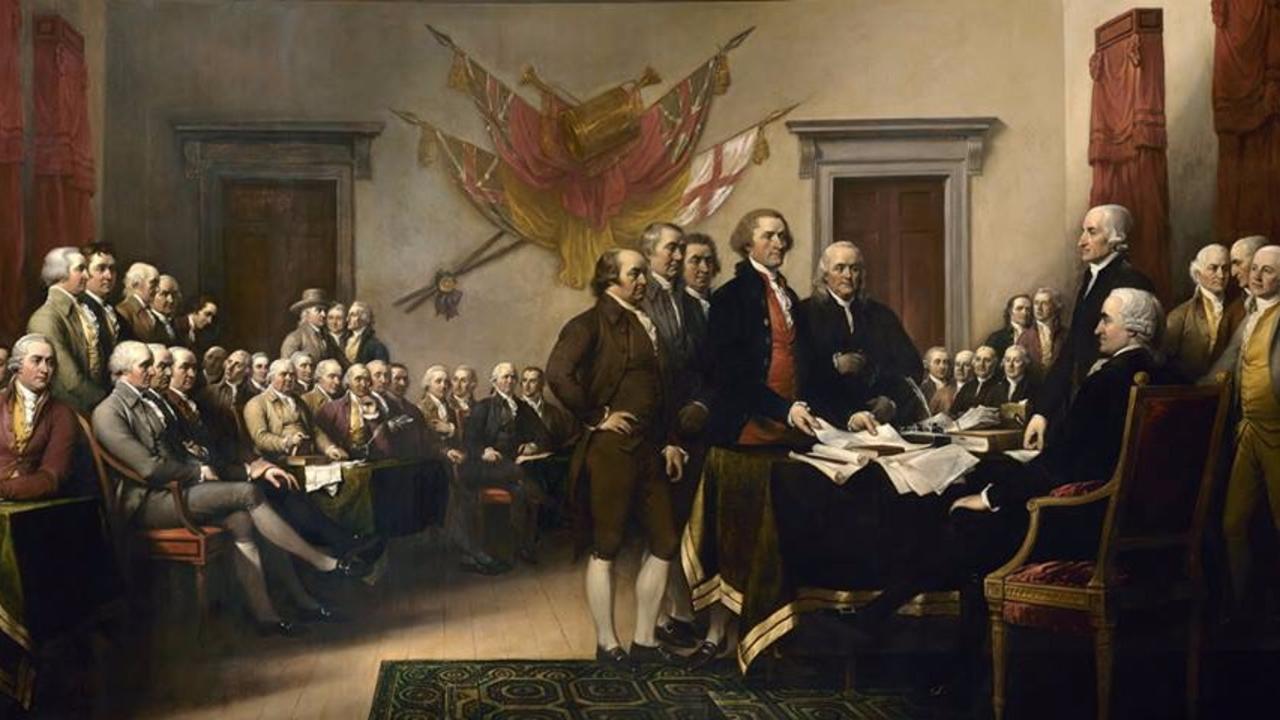
“When in the Course of human events….”
Words that came alive in the calm, concerned heads of men--aged twenty-six to seventy--from New York to South Carolina, all born in a foreign land. Assembled together in the frantic, summer air.
Rebelling against repeated injuries, usurpations, and tyranny, they met on that hot Philadelphia day, on the first of July, seventeen hundred and seventy-six.
And on the second day, 12 of 13 Colonies replied “Aye” to Richard Henry Lee’s motion for Independence from the King—a treasonable act, punishable by death, they knew.
Over the next two days and nights, Jefferson and the Committee of Five listened to the debate, with quill in hand.
“Let facts be submitted to a candid world,” one said.
“When should governments long established be changed? John Dickinson and the delegation from New York asked.
“Surely, prudently, not for light and transient causes,” the answer came. “And nor are these.”
“So what exactly are these sacred truths we hold?” Anothe
...Leadership By Example: 1LT Alonzo H. Cushing in Gettysburg
Many things to think about today on the eve of our nation’s independence, but if you’re looking for a great example of all that is right about America, here is one young man who 156 years ago this afternoon—led by example, who wouldn’t quit, and who sacrificed himself at a place called “The Angle,” near a weed-choked corpse of trees on Cemetery Ridge in Gettysburg, Pennsylvania.
His name is 1st Lieutenant Alonzo Cushing. He was 22 years-old and an experienced veteran of numerous battles. At Gettysburg, he commanded Battery A, 4th United States Artillery. He died defending a vital part of the Union line against Pickett's Charge, and although mortally wounded would not leave his post. Grasping his intestines with one hand and the lanyard of his gun with the other, he shouted above the chaos of the battle to his Sergeant, Frederick Fuger standing beside him, "I’ll give them one more shot!" Seconds later a Confederate bullet struck him through the mouth, killing him instantly. His lifel...
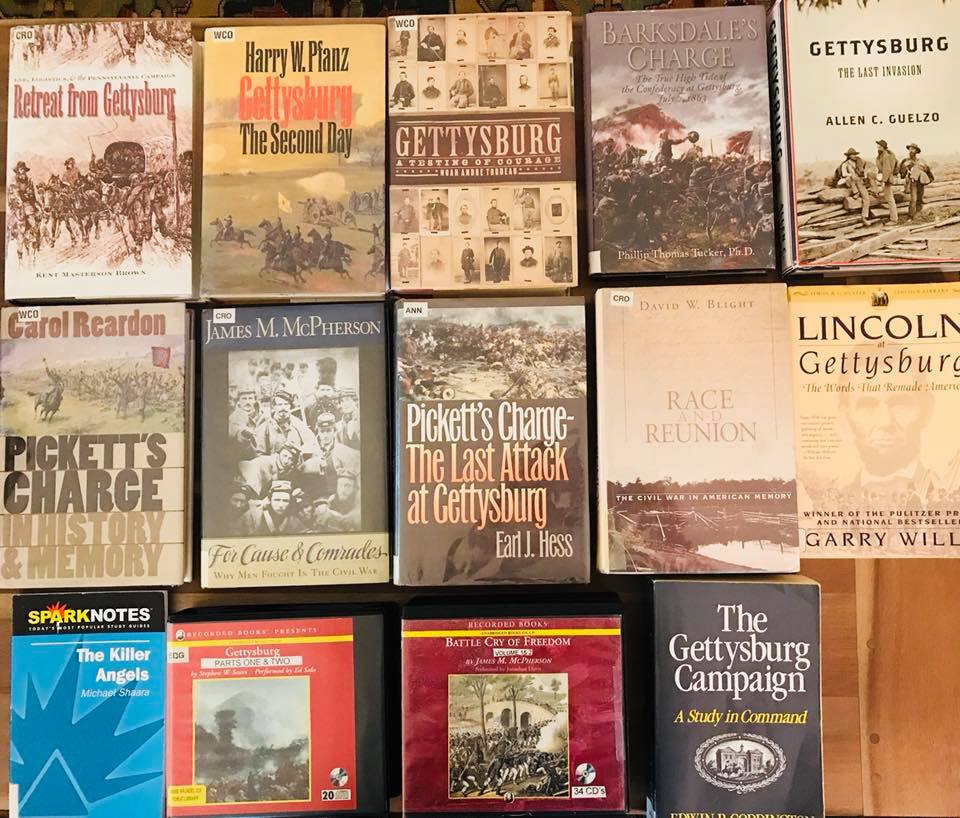
Battle of Gettysburg Reading List
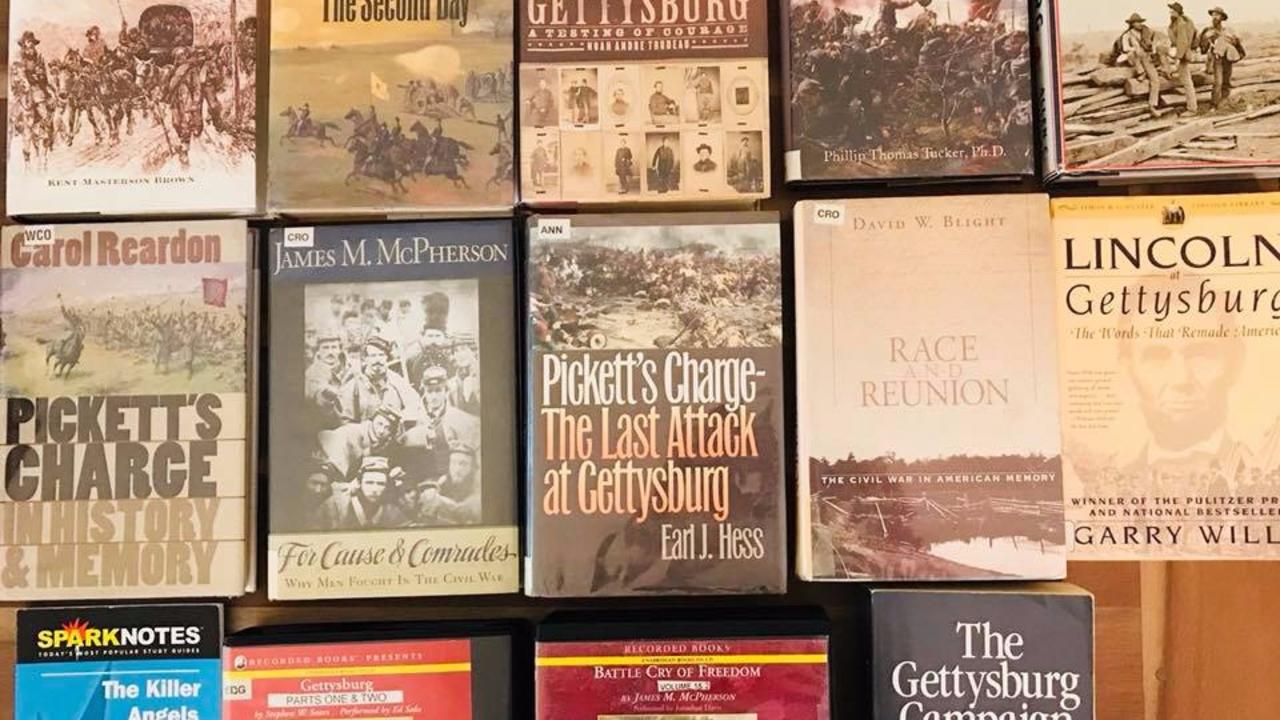
On this 156th Anniversary of the costliest battle on the American continent, I’ve been asked for the best books on the Battle of Gettysburg. This isn’t a complete kit by any means, but it’s a good start!
July 2, 1863: The Second Day at Gettysburg
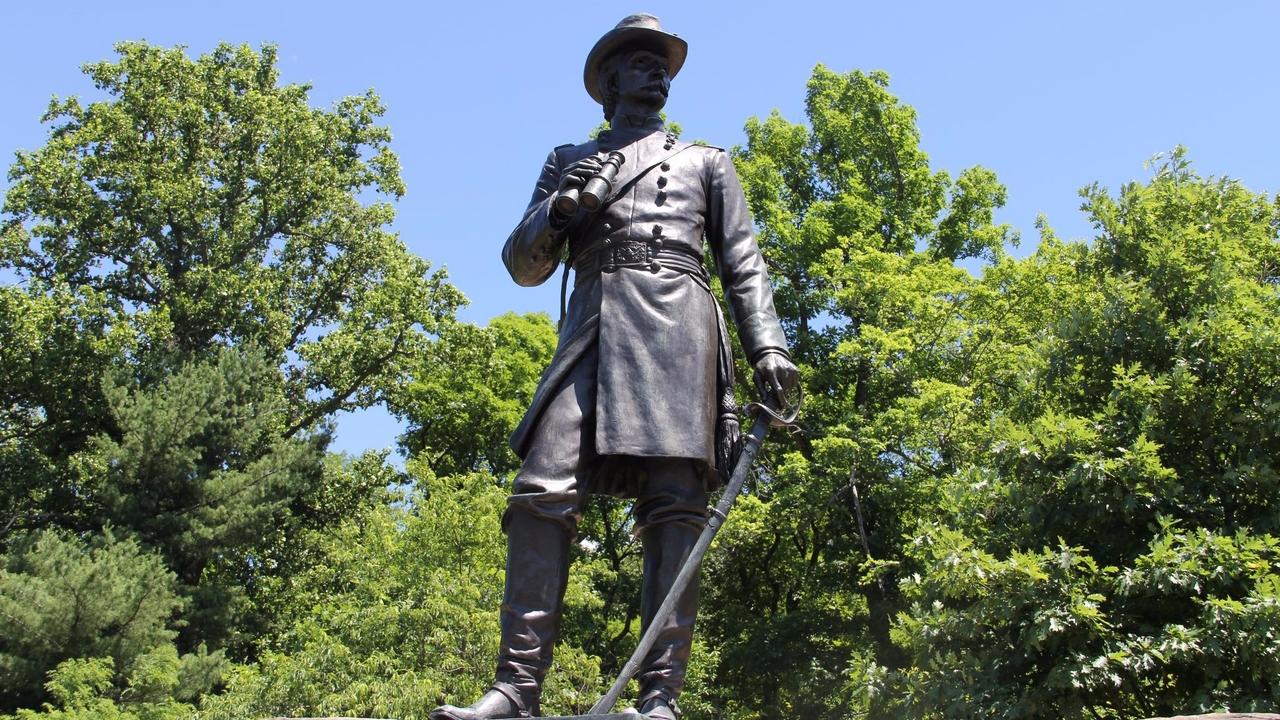
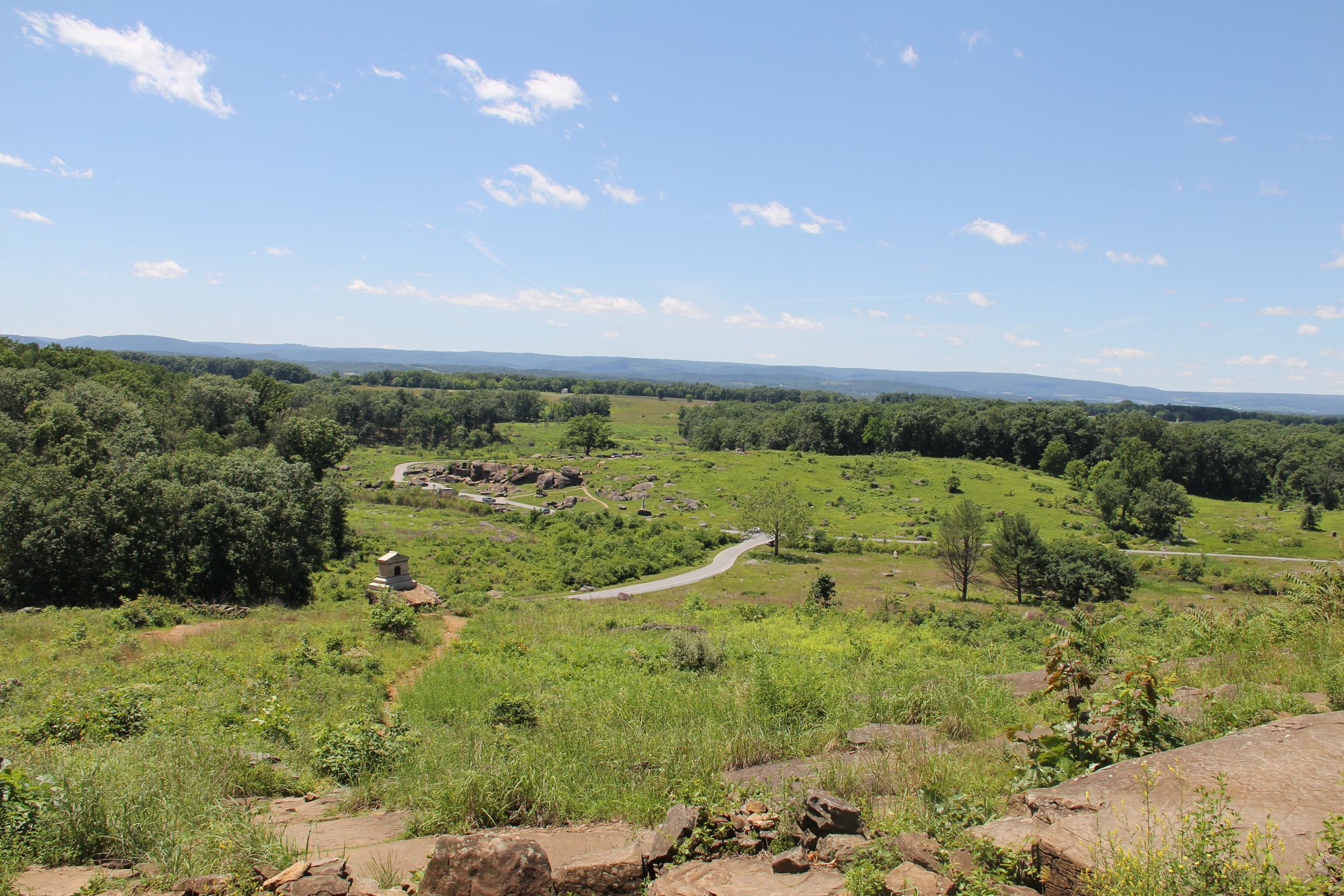
By the afternoon of July 2, 1863, all of General George Meade's seven infantry corps had arrived and occupied defensive positions on the hills and ridges south of Gettysburg. As each Union Corps took up their positions, the Federal line took on the shape of a fishhook. This configuration allowed Meade to take advantage of interior lines to move his troops freely.
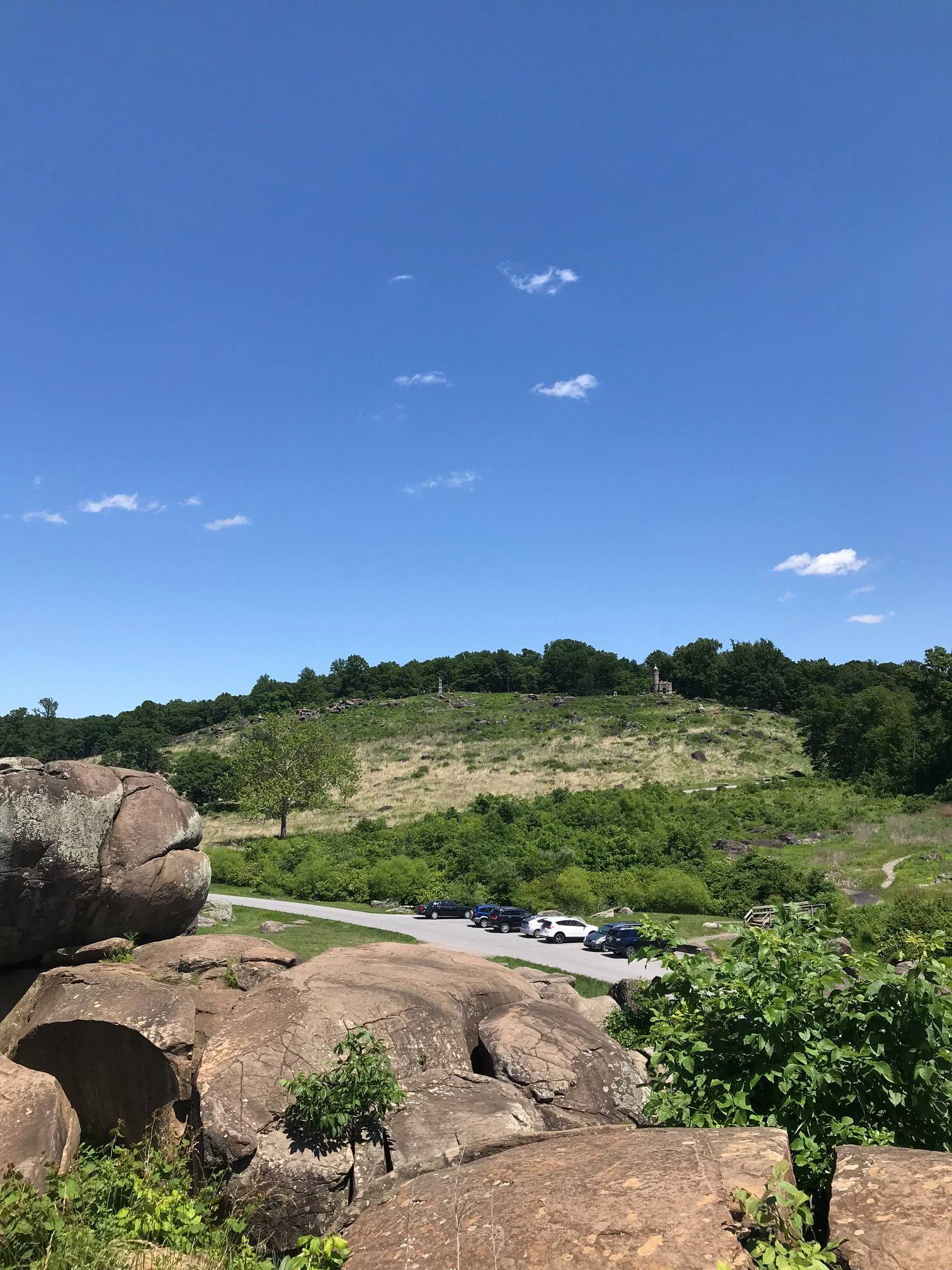
General Robert E. Lee's plan was to test both the right flank and the left flank of the Union line, and wanted Longstreet to lead a major attack against the Union's southernmost flank--the tail of the fishhook. Longstreet did so, but reluctantly, taking hours longer than anticipated.
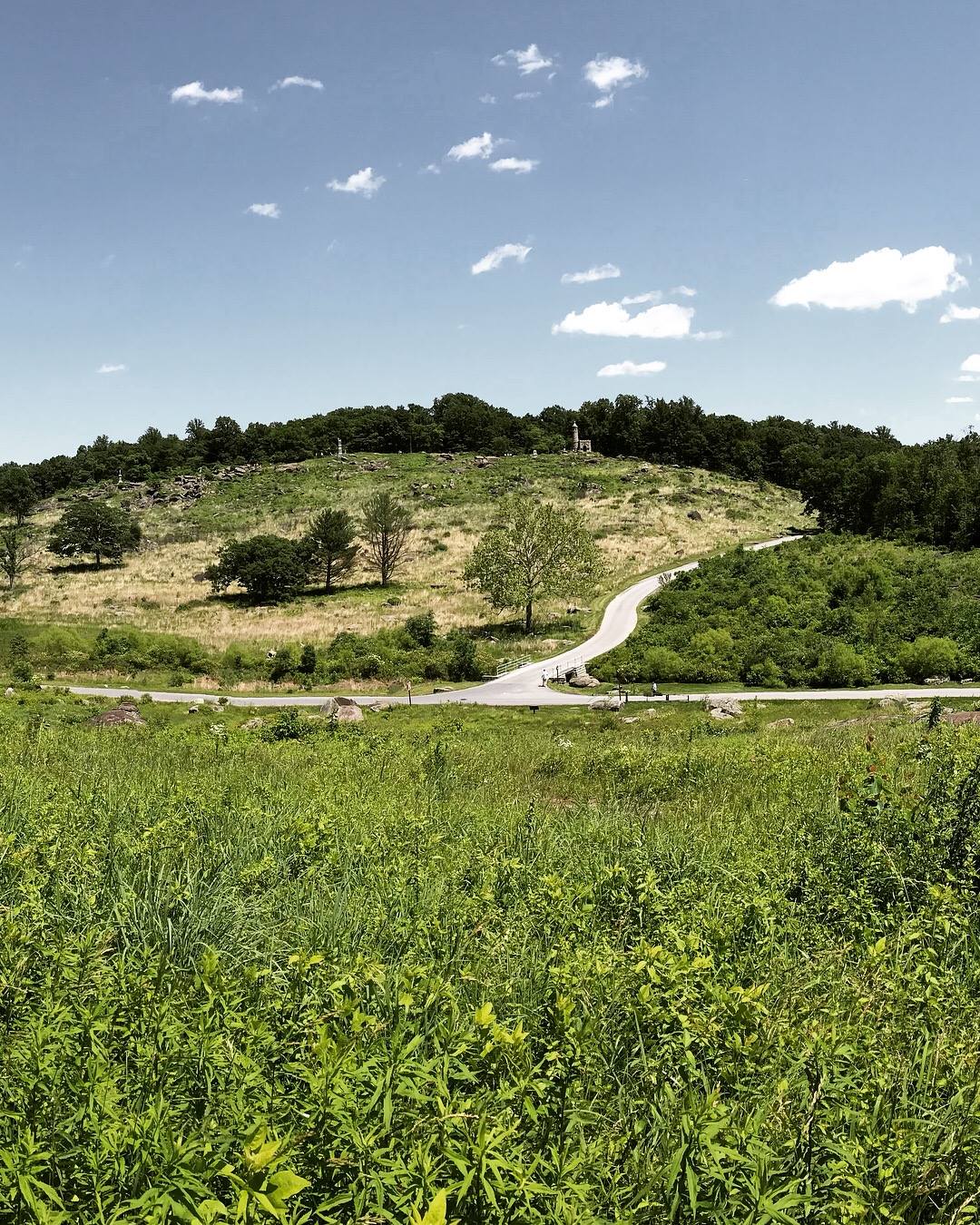
While Longstreet's countermarch has been described as a measure to confuse the Union forces, it was more due to a flawed reconnaissance by Lee's topographical engineer, Captain Samuel Johnston. Working against the Army of Northern Virginia, was the the sheer exhaustion of the rapid countermarches in scorching hot temperatures, without suf...
The 75th Anniversary of the Battle of Gettysburg
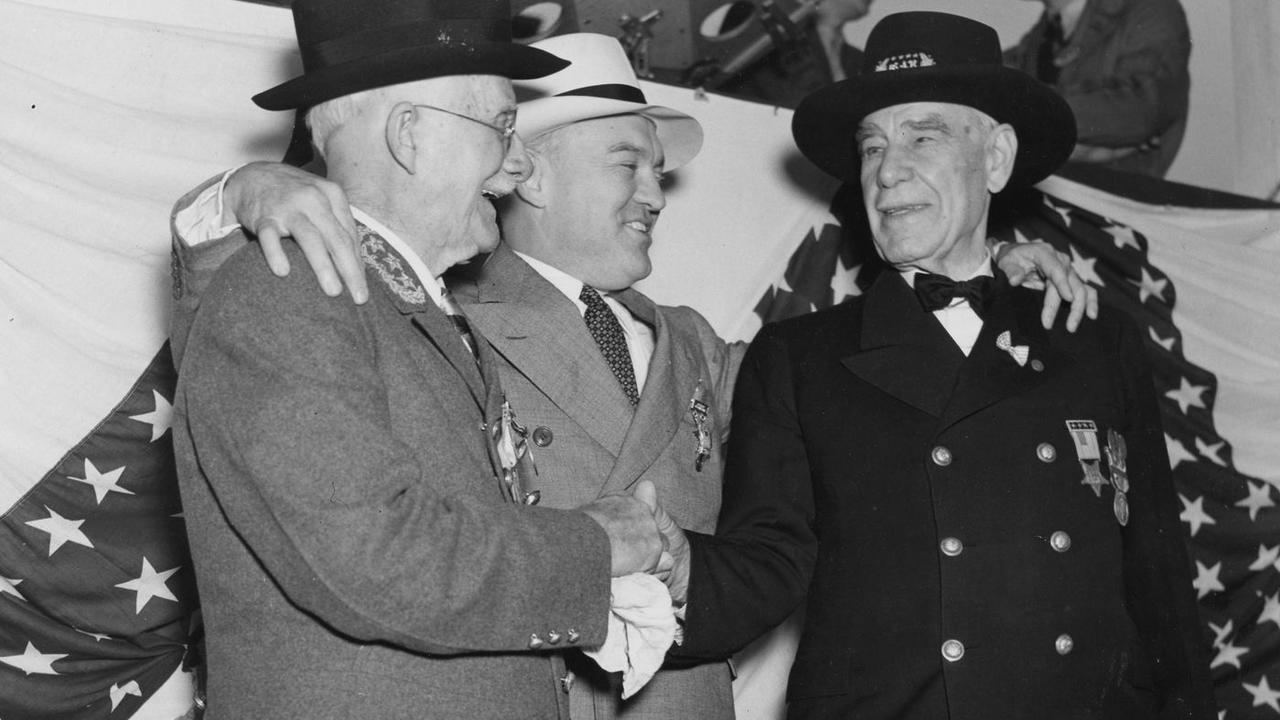
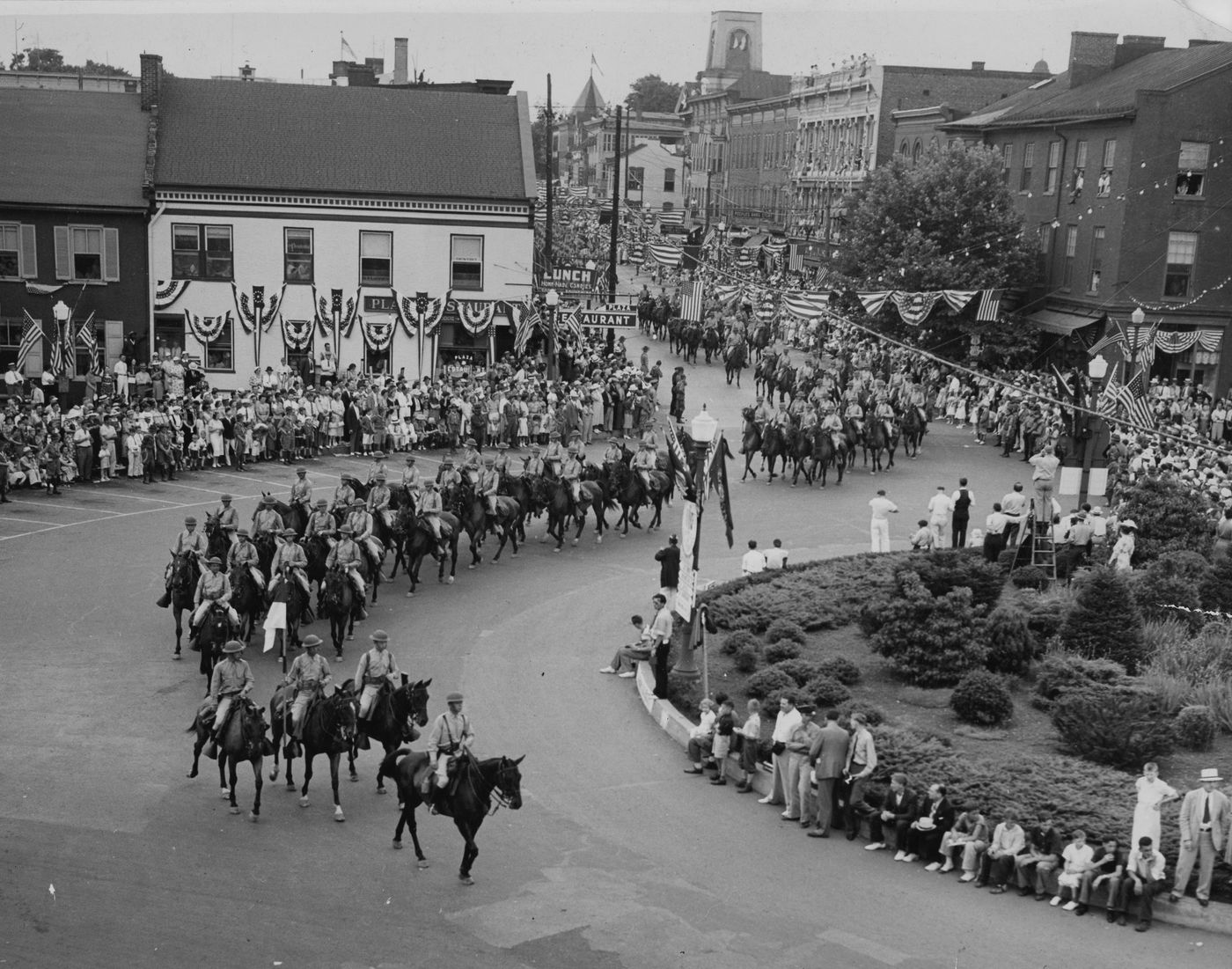
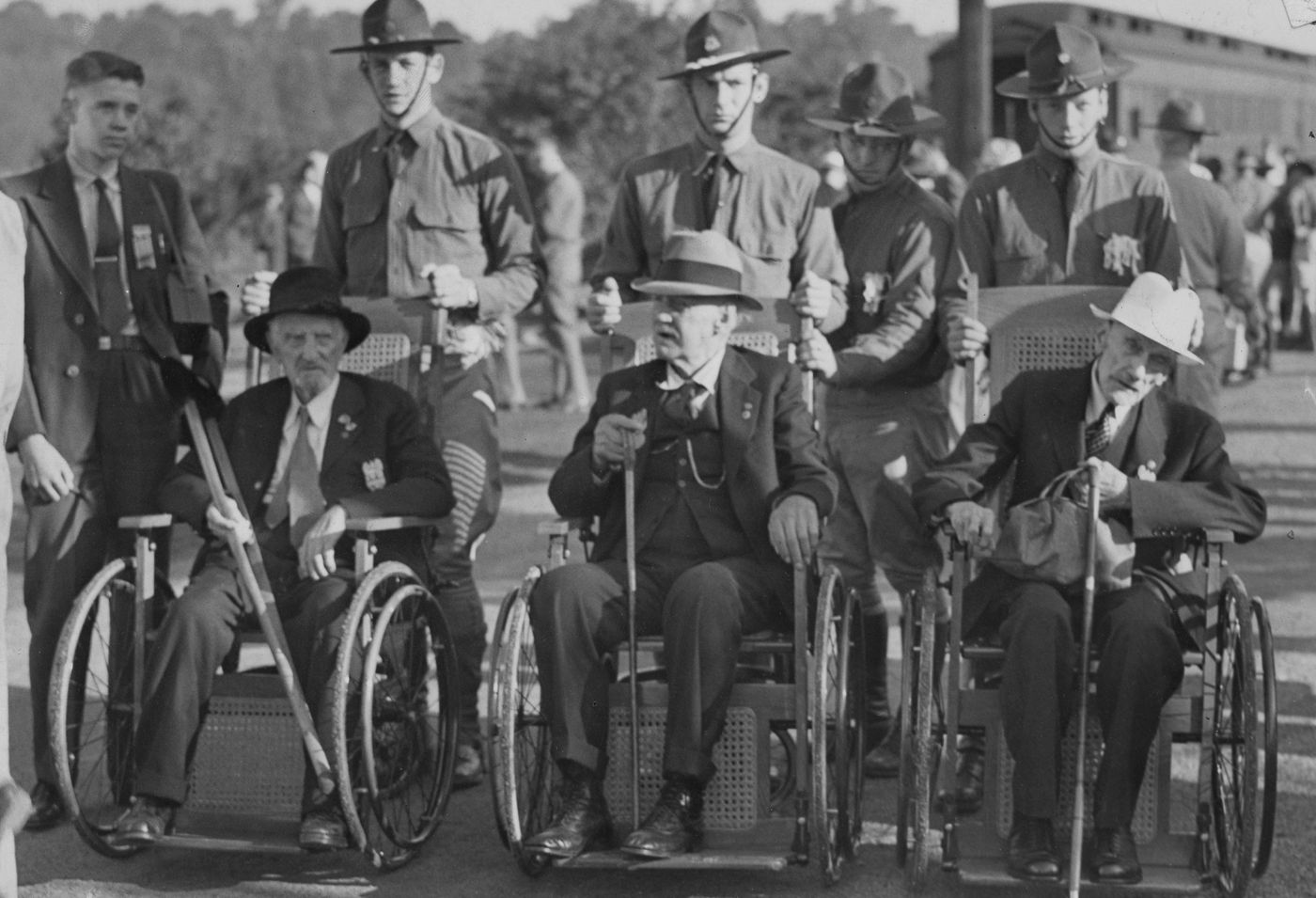
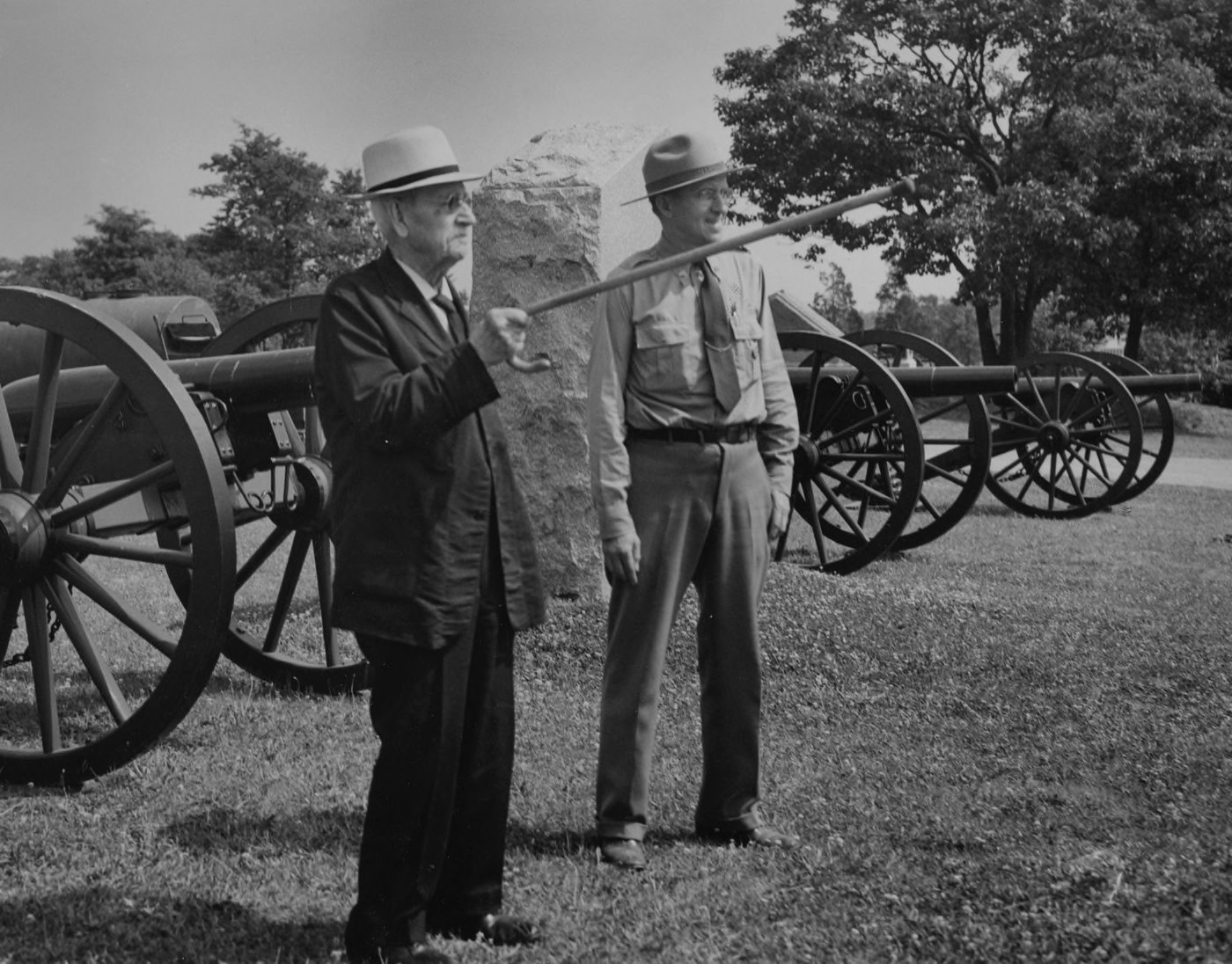
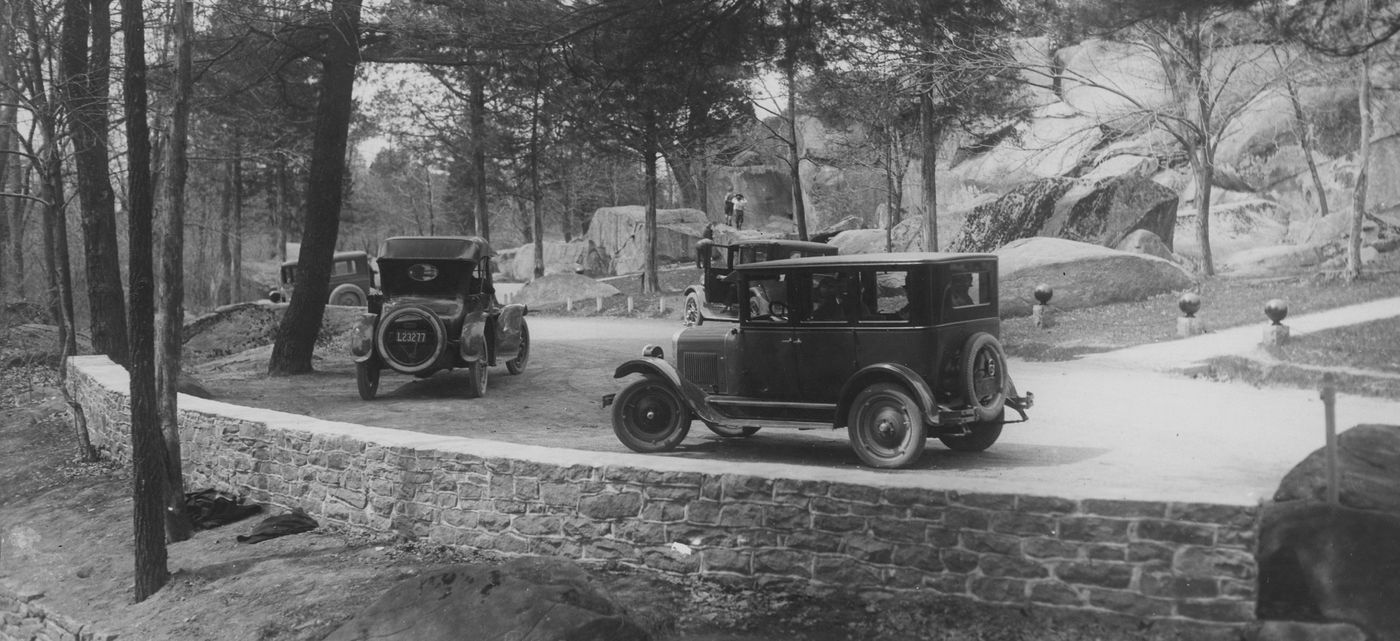
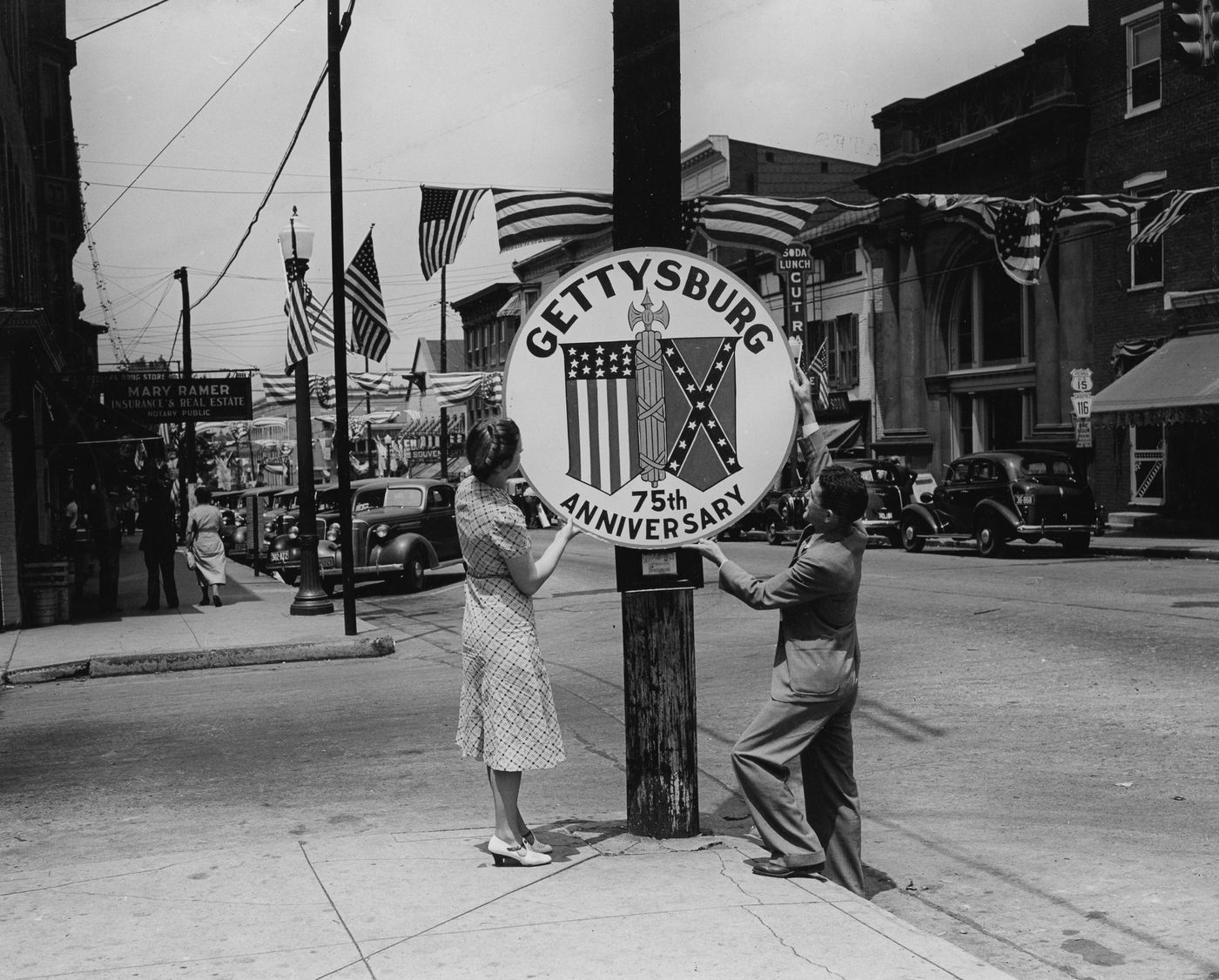
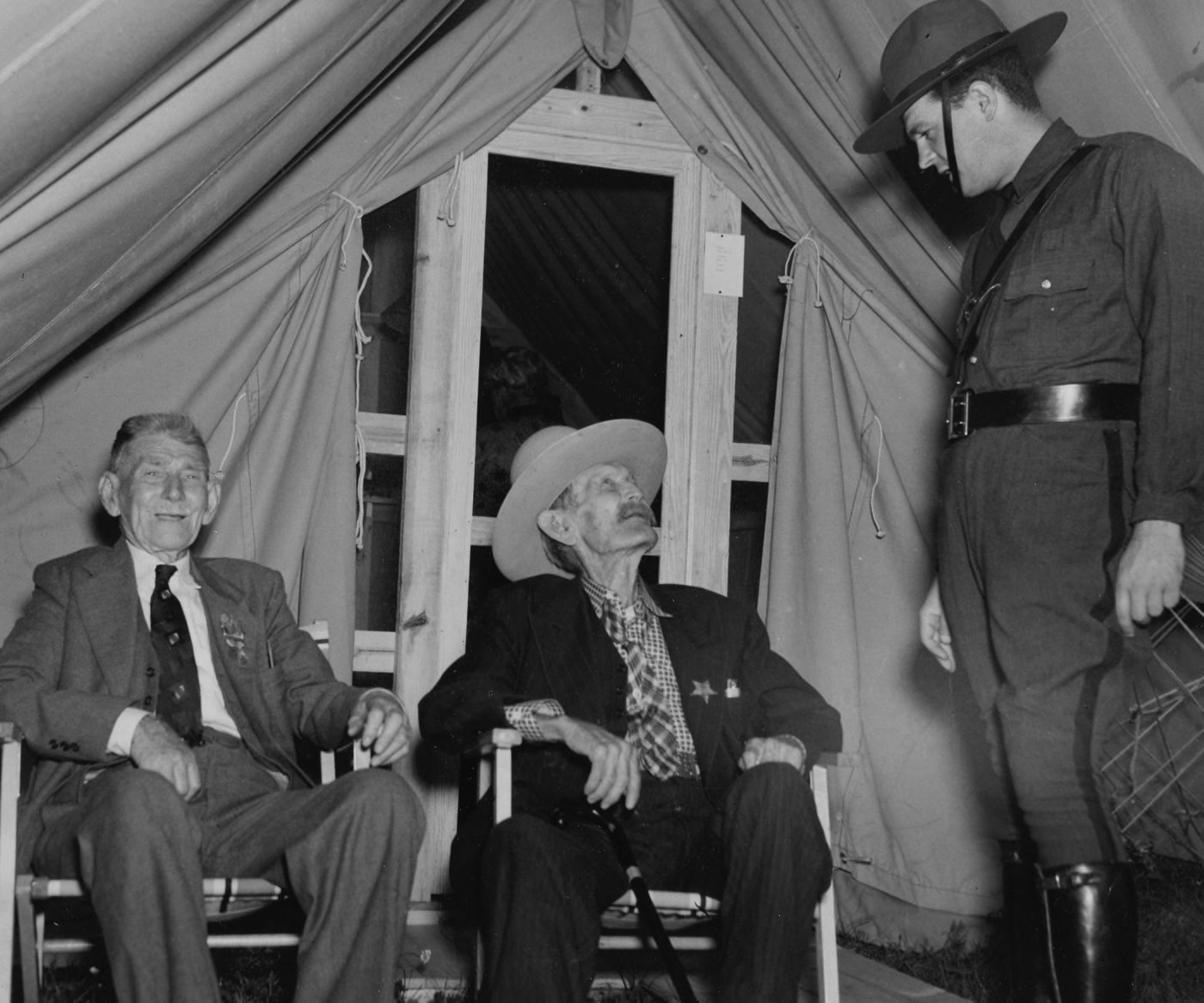
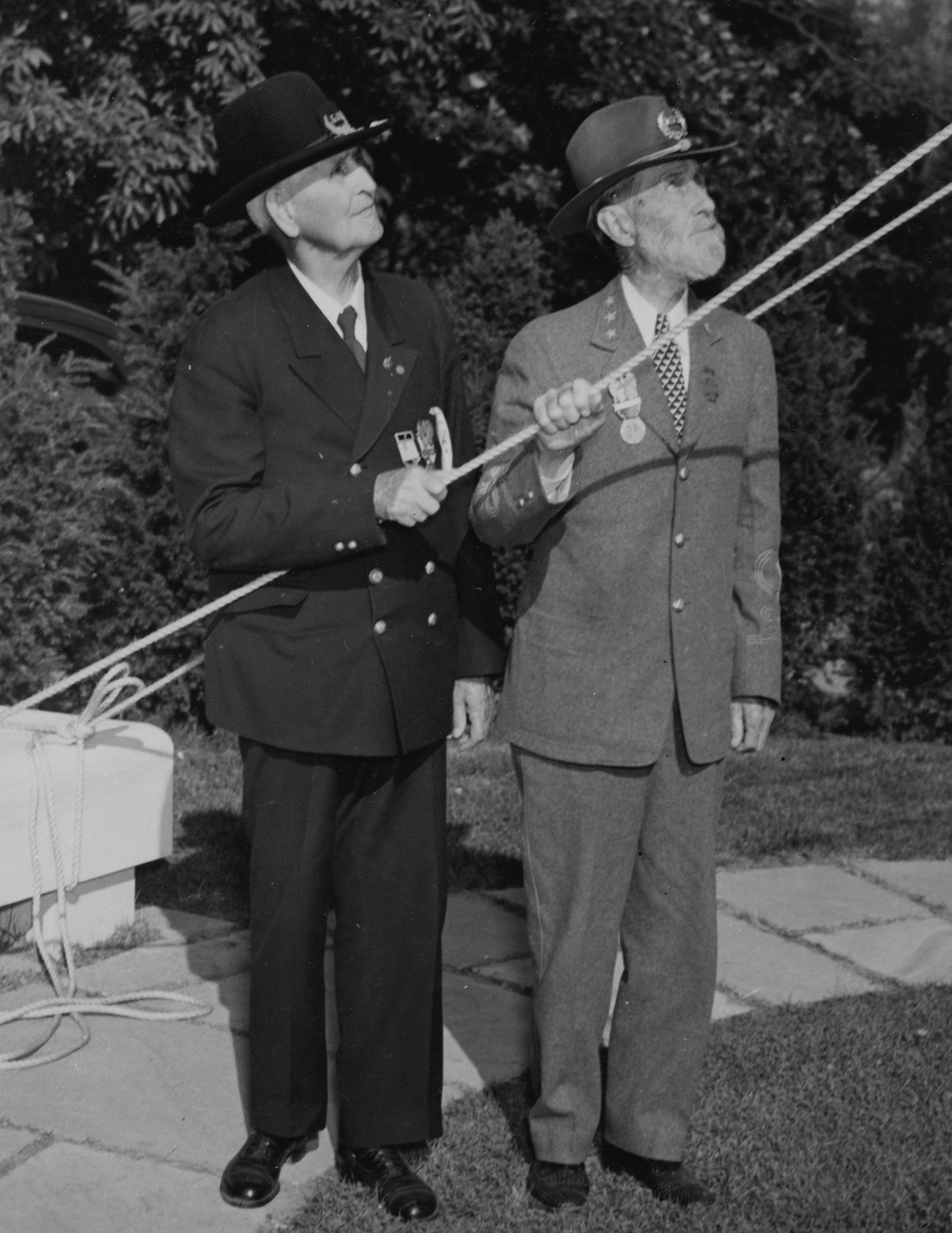
156 years ago, the greatest and costliest battle ever fought on American Soil broke out in and around the crossroads town of Gettysburg, Pennsylvania, and continued for three terrible days. 75 years later, the Peace Light Memorial was dedicated by FDR, and was attended by hundreds of veterans of both sides—along with 300,000 other spectators.
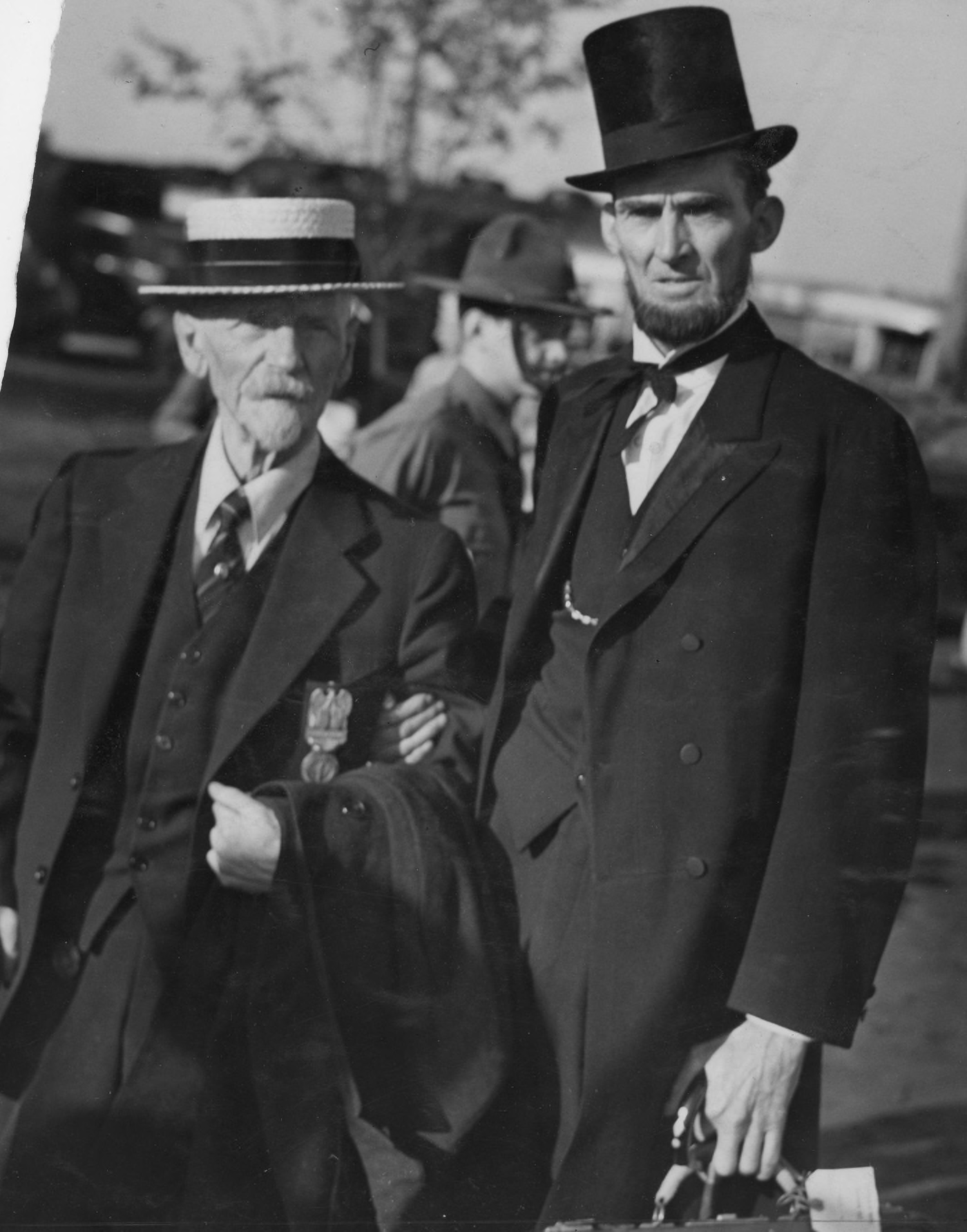
Today, 81 years later, our collective memory and understanding of the Battle of Gettysburg and the Civil War is waning. Fading with it are the searing lessons learned and even an elementary understanding of the enormous sacrifices that those veterans all hoped would endure.
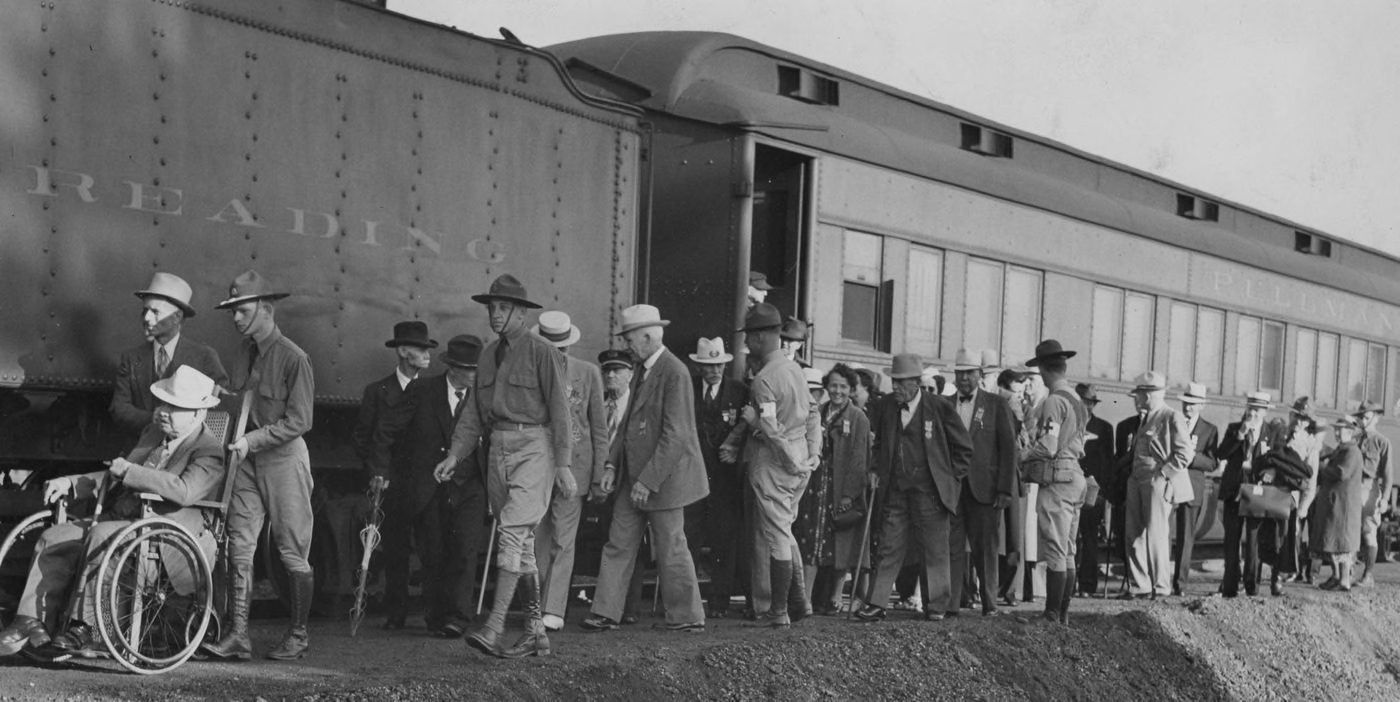
Look at these photos, and you’ll realize the Battle of Gettysburg was not that long ago. There are youngsters who attended the 75th Anniversary of Gettysburg still alive today. So, when you think about it, we’re really only two handshakes removed from that extraordinary event in our nation’s history.
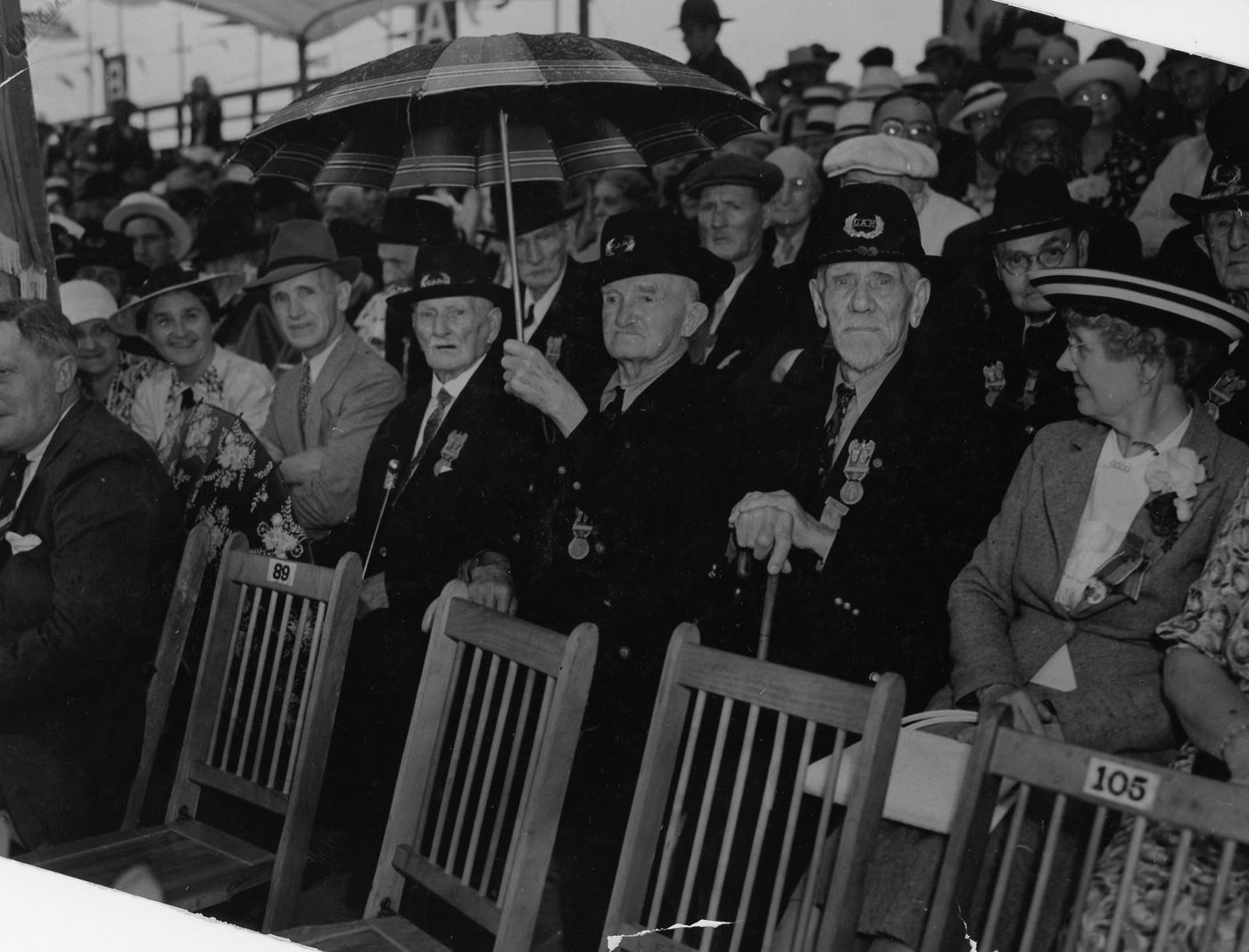
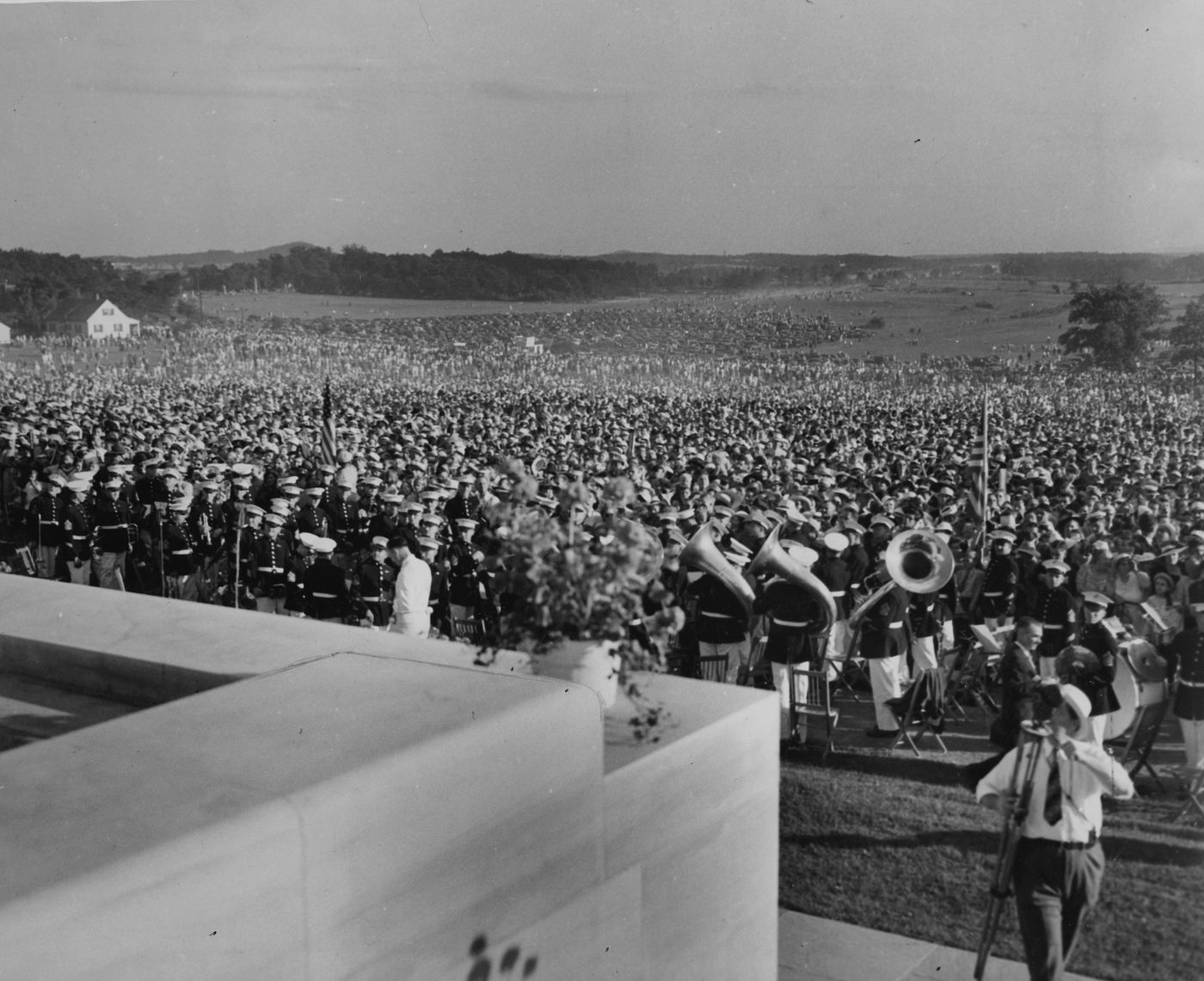
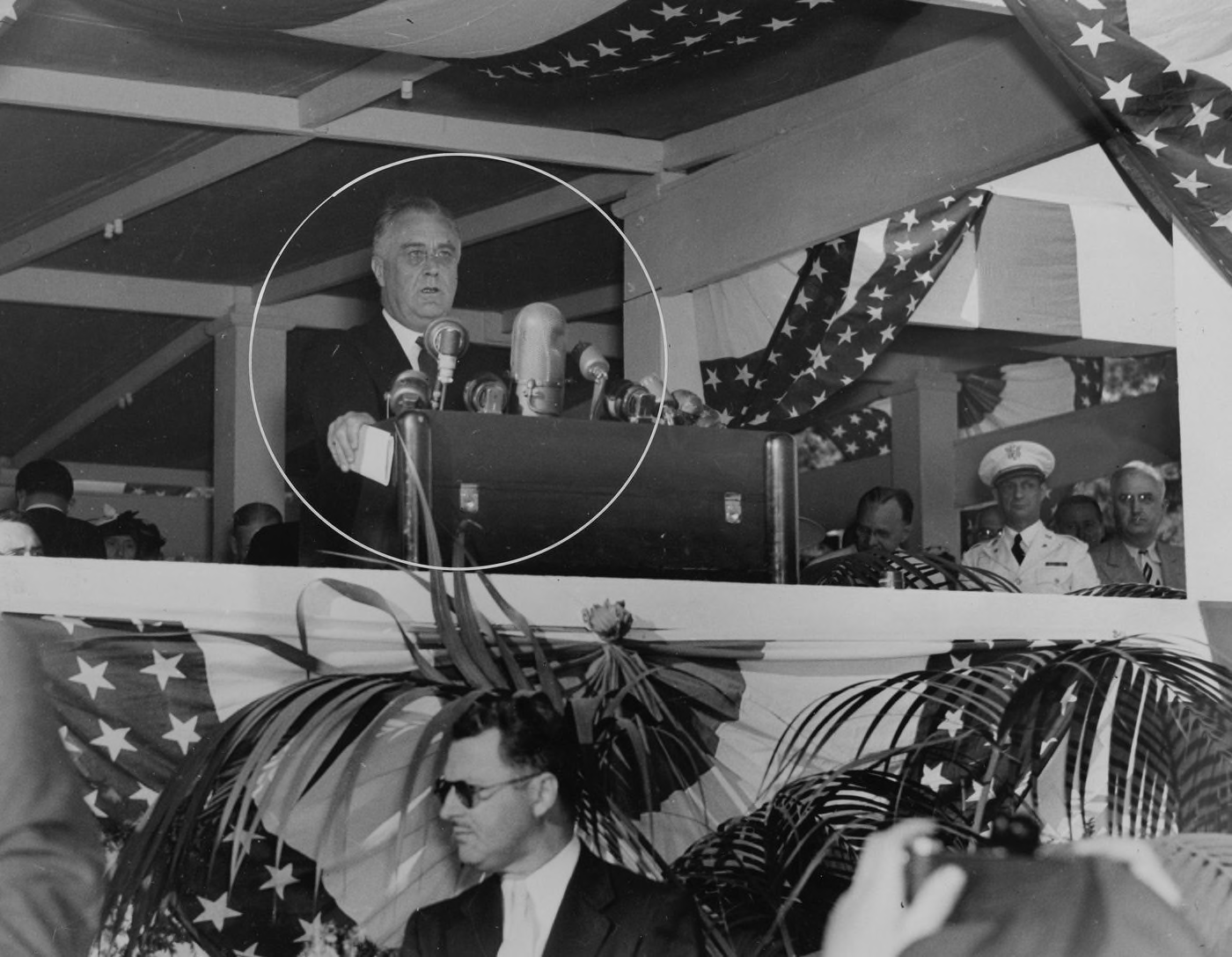
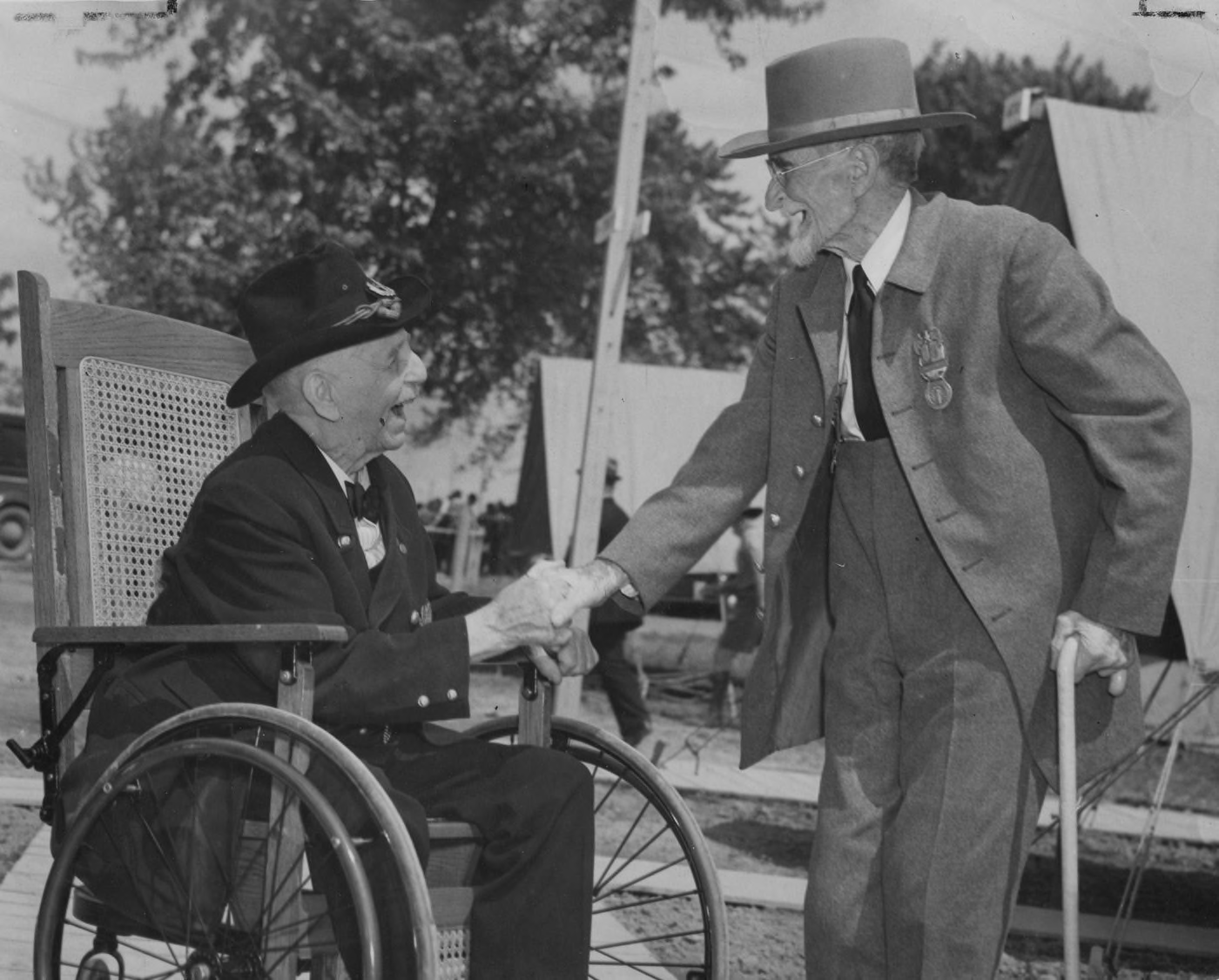
"Loyalty" and "Fidelity": Medal of Honor Recipient Lieutenant (J.G.) John Kelvin Koelsch (USN)
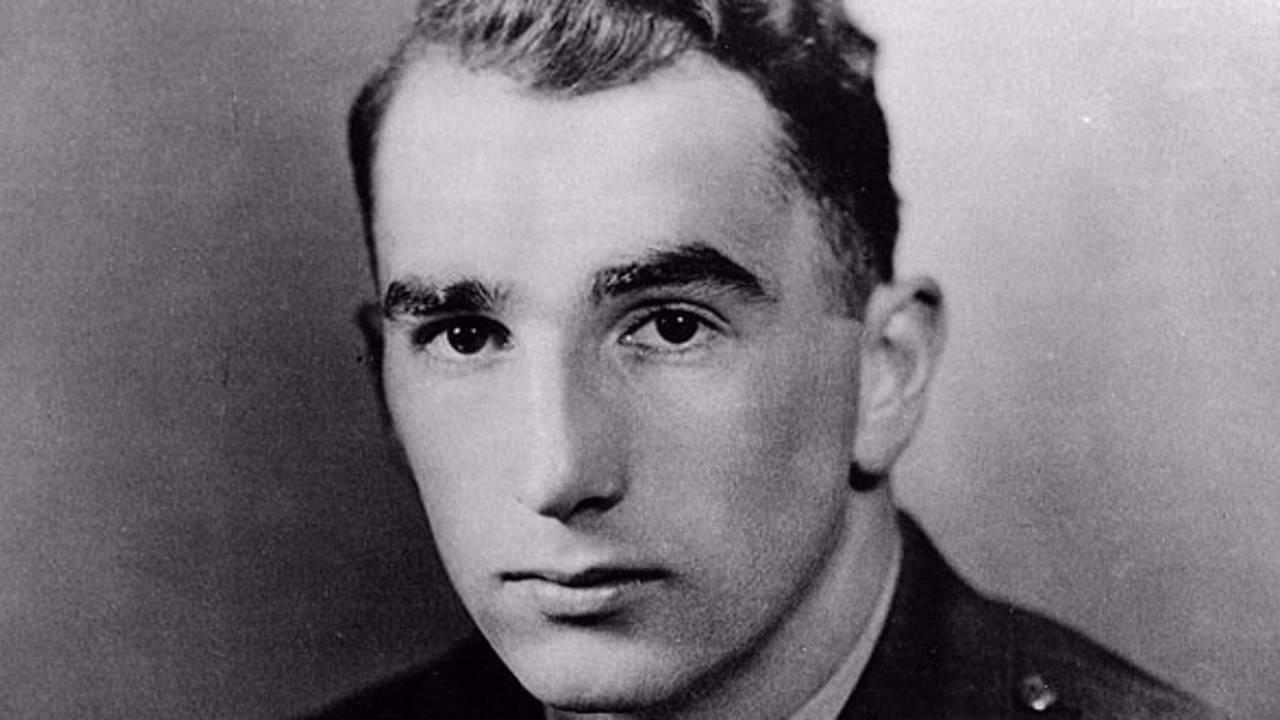
Last week, my son and I were walking through Arlington National Cemetery's Section 30, and came upon the grave of John Kelvin Koelsch. His story epitomizes all of the values we expect of our leaders, but if I had to choose two of those that are especially evident in the case of “Jack” Koelsch, they would certainly be "Loyalty" and "Fidelity."
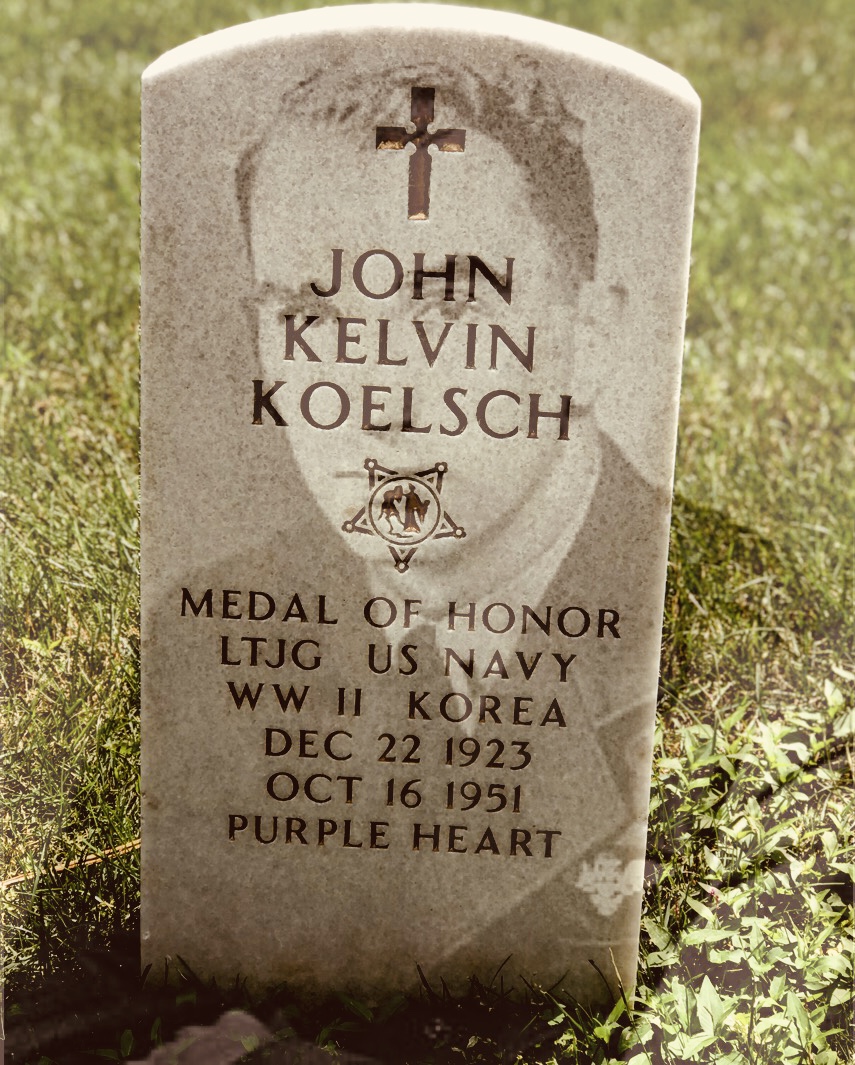
John “Jack” Kelvin Koelsch was born 22 December 1923 in the family home at 2 Draycott Place, Chelsea (a borough in the southwest part of London, England). He was the third son of Henry August Koelsch and Beulah Anne Hubbard Koelsch. Mr. Koelsch was an American banker. The family returned to America aboard White Star liner R.M.S. Adriatic, sailing from Liverpool on 26 April 1954, and arriving at the Port of New York on 5 May.
In America, the Koelsch family lived in Briarcliff Manor, Westchester County, New York.
He got his education at Princeton University before commissioning into the U.S. Naval Reserve as an aviation cadet on September 14,...
Admiral Bertram Ramsay’s Final Diary Entry the Night before D-Day.
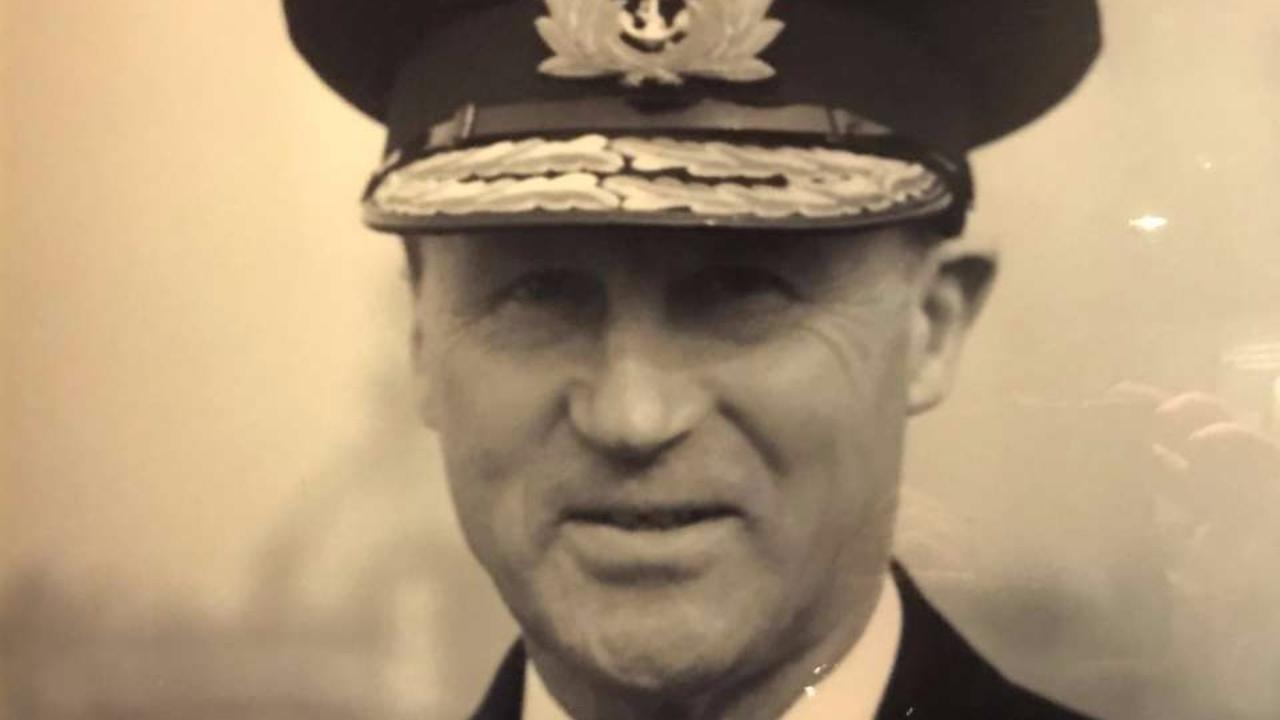
‘Monday, June 5, 1944. Thus has been made the vital and crucial decision to stage the great enterprise which [shall?], I hope, be the immediate means of bringing about the downfall of Germany’s fighting power & Nazi oppression & an early cessation of hostilities.
‘I am not under [any] delusions as to the risks involved in this most difficult of all operations . . . Success will be in the balance. We must trust in our invisible assets to tip the balance in our favor.
‘We shall require all the help that God can give us & I cannot believe that this will not be forthcoming.’
A Preview of My Visit to Bedford, Virginia
Last week, I visited Bedford, Virginia--home of the National D-Day Memorial, and the "Bedford Boys." Bedford is a special place for many other reasons. We'll be featuring those incredible stories in The D-Day Experience soon--likely on the day word made its way to Bedford of their fallen sons' sacrifice over a month previous.
The 75th Anniversary of D-Day in Photos
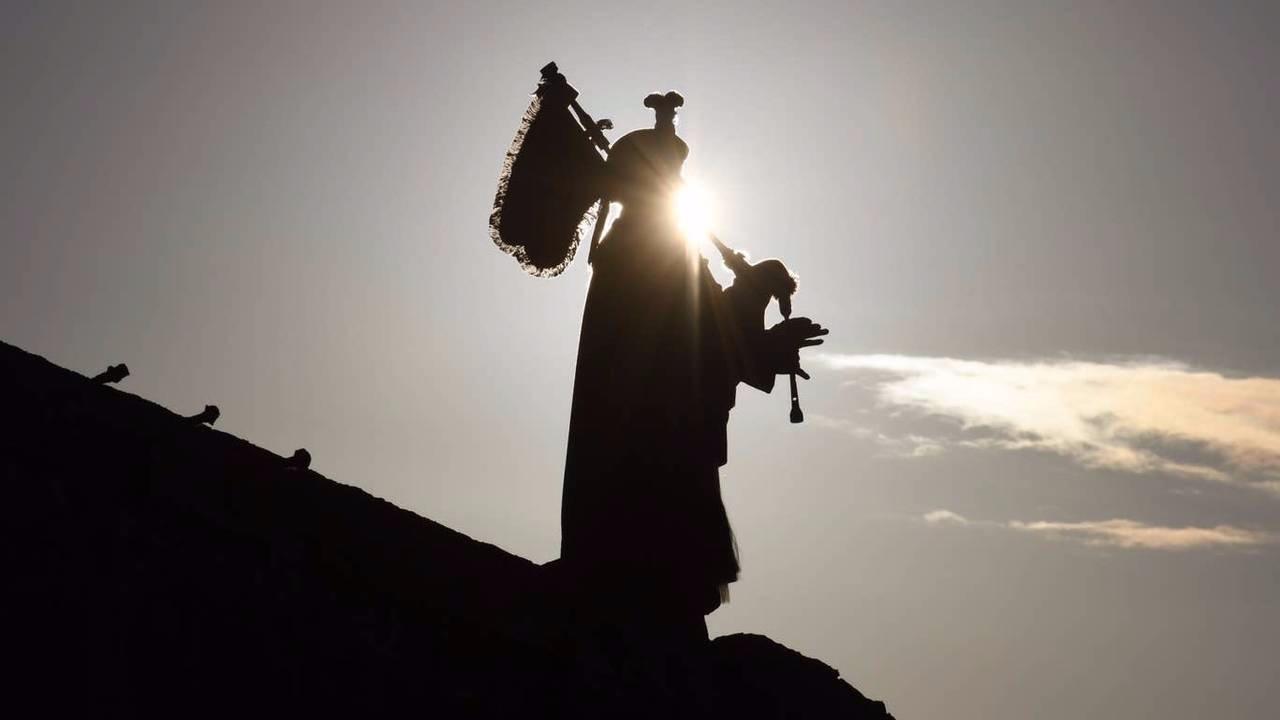
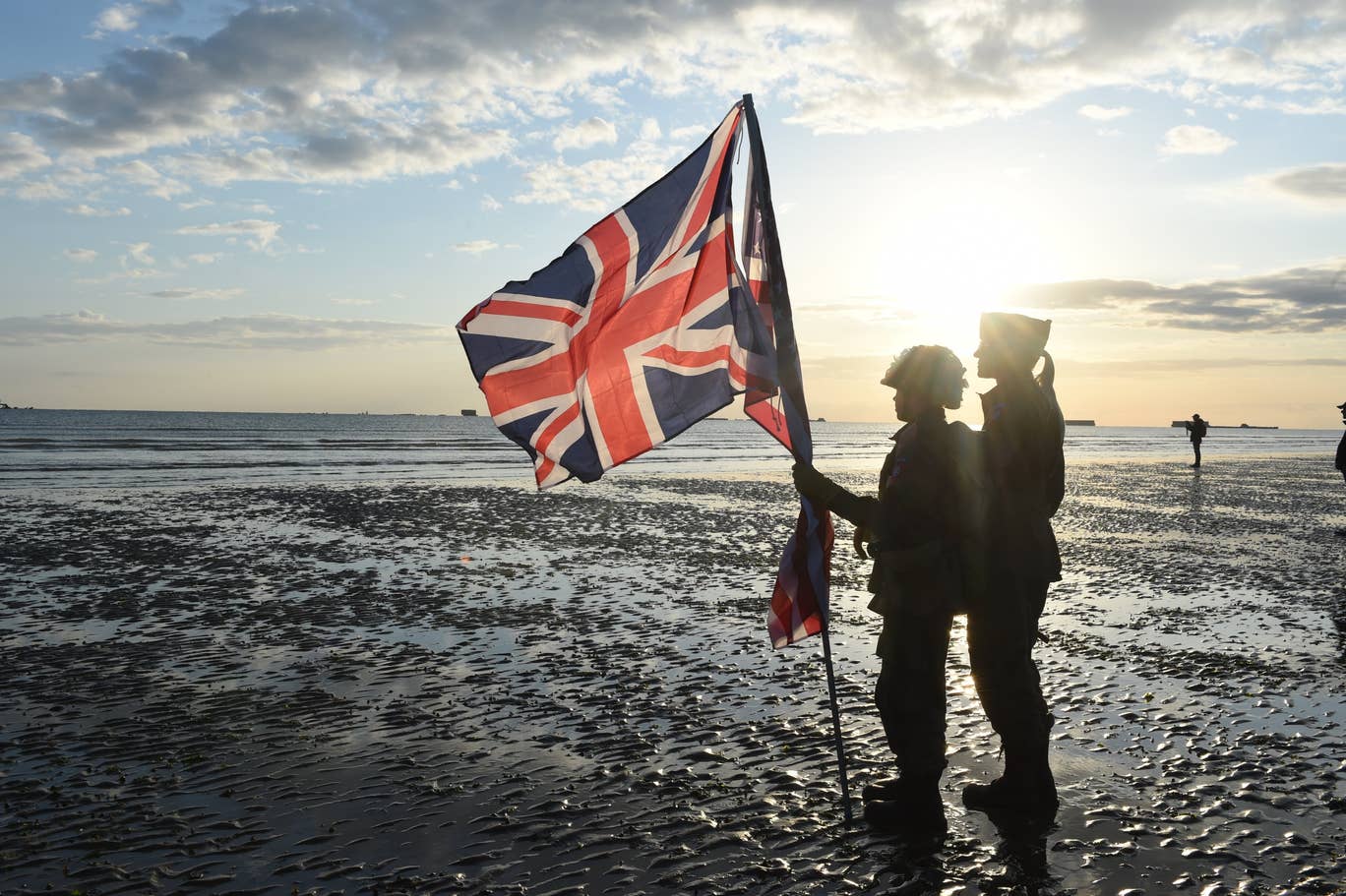
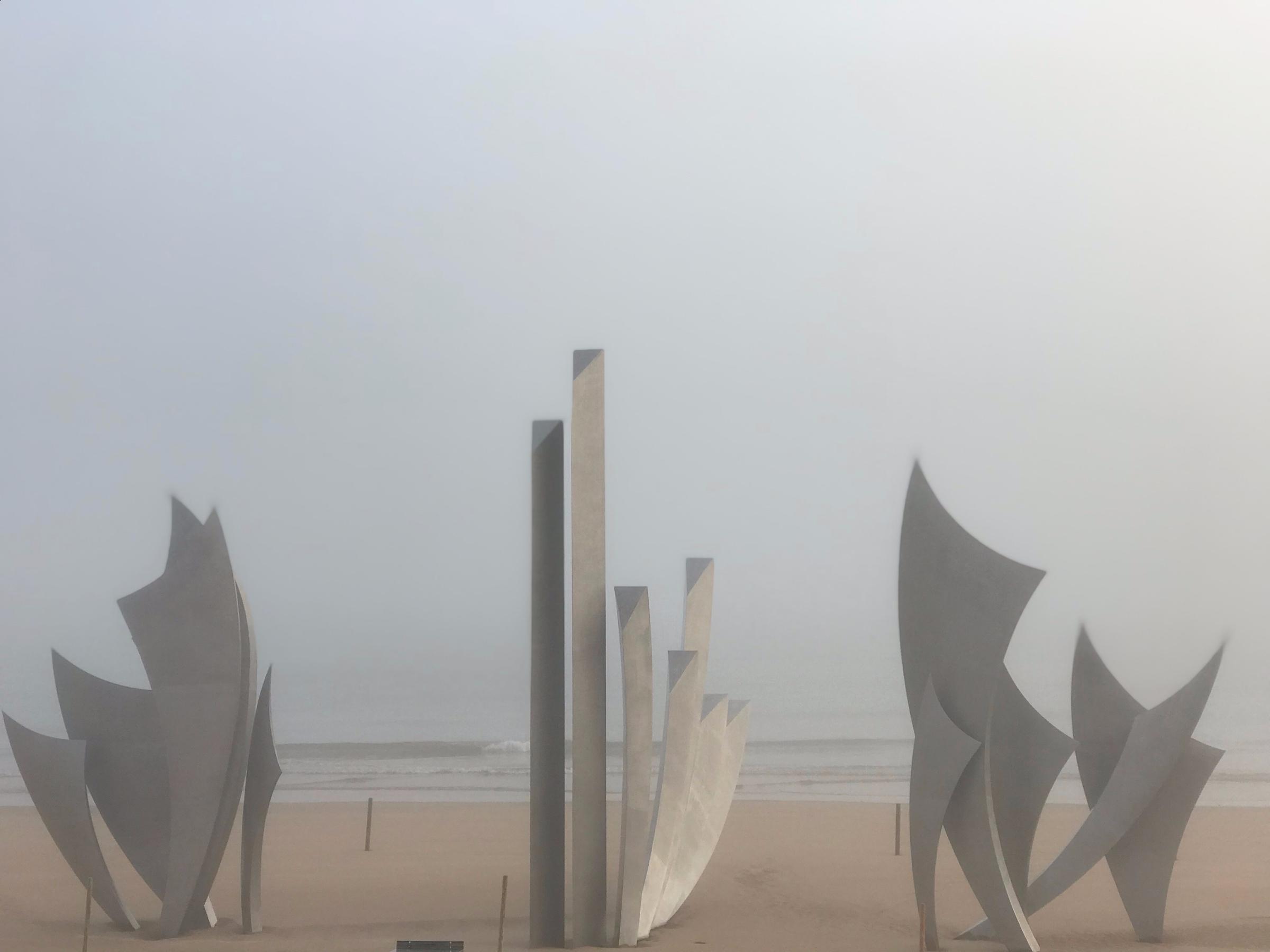
D Day 2019: 75th Anniversary at Arromanches Beach, France (Jeremy Selwyn)
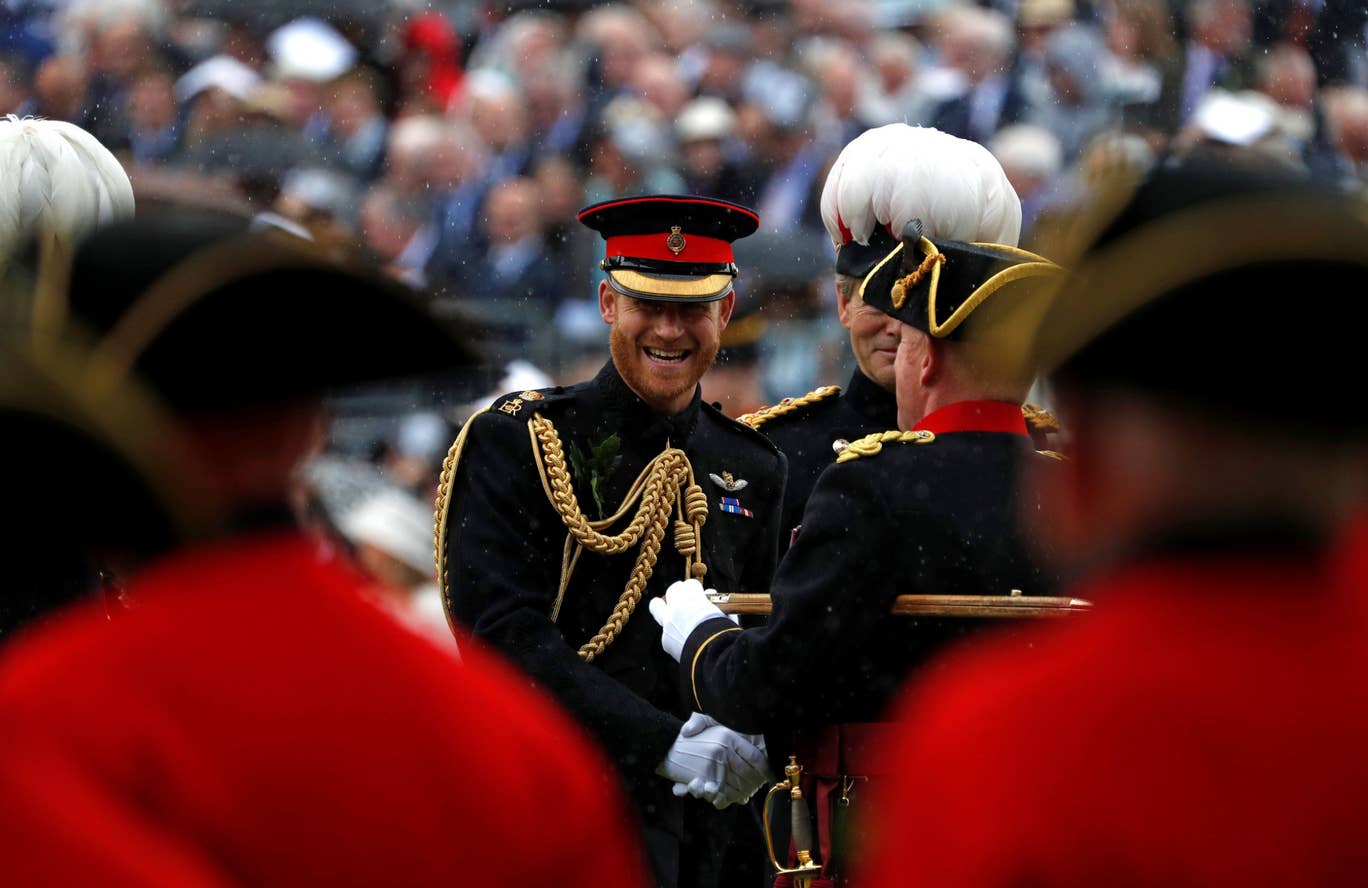
Prince Harry, Duke of Sussex reacts as he arrives to review the Chelsea Pensioners during the annual Founder's Day Parade at the Royal Hospital Chelsea in London (AFP/Getty Images)
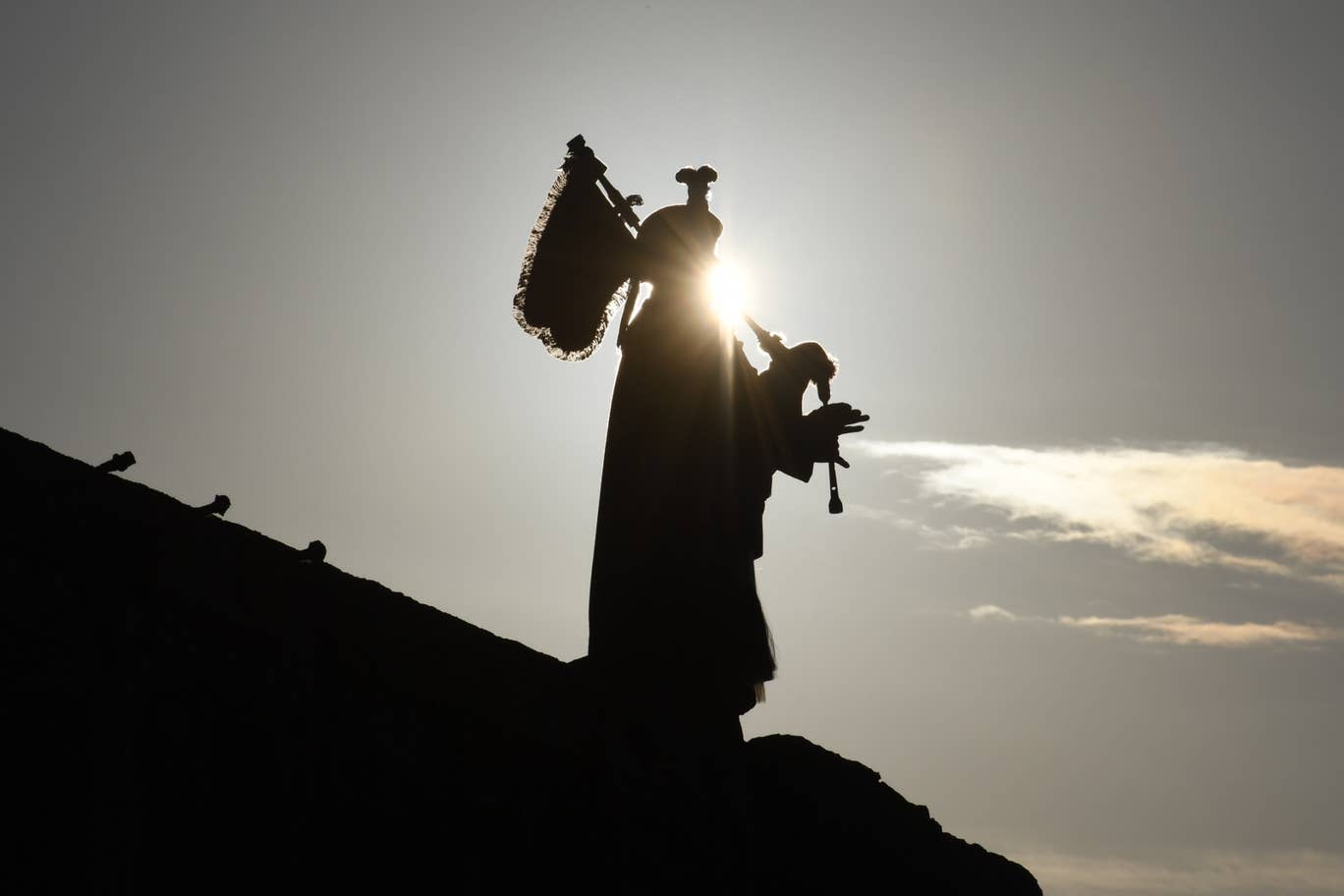
A lone piper plays on the Mulberry harbour at Arromanches in Normandy (Jeremy Selwyn)
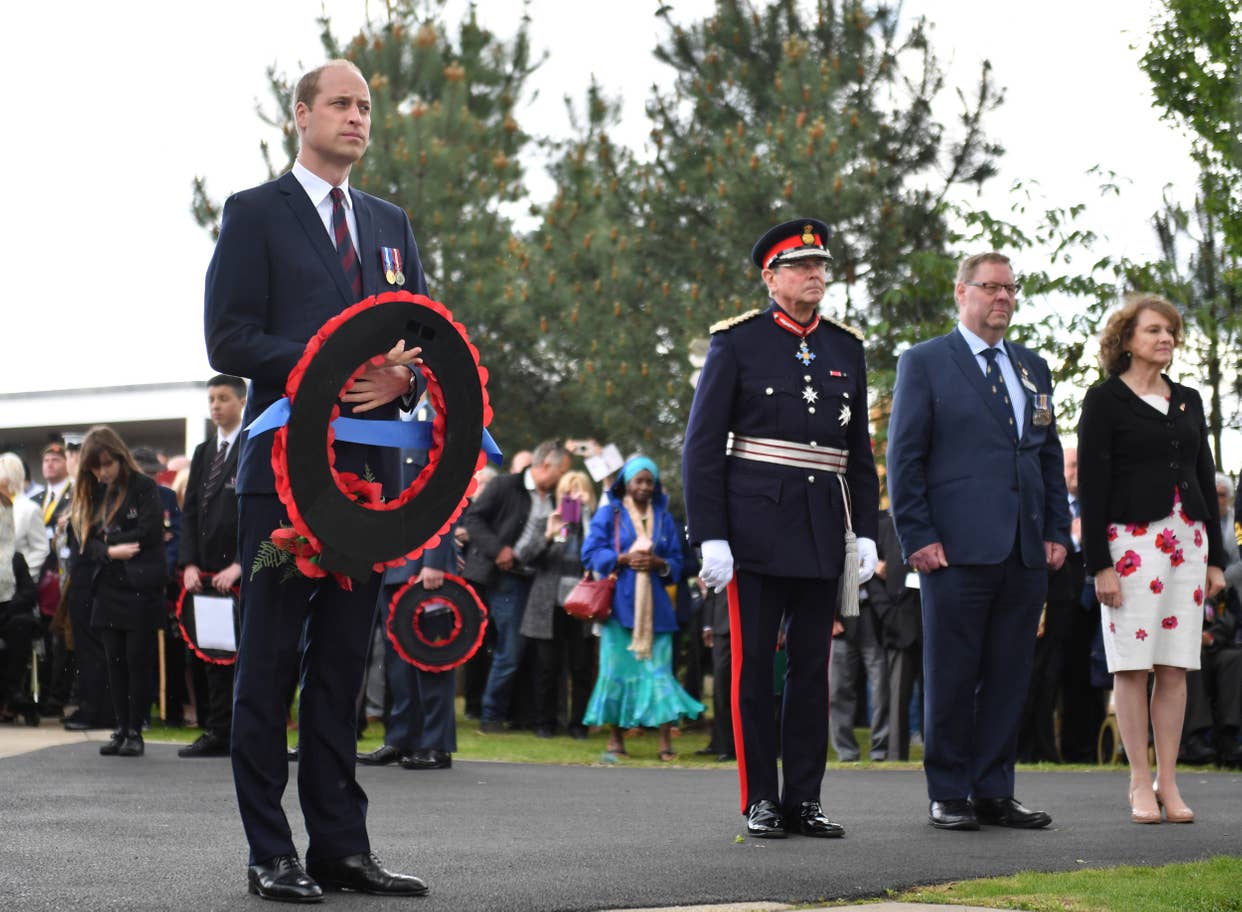
Prince William, Duke Of Cambridge lays a wreath at The National Memorial Arboretum (Getty Images)
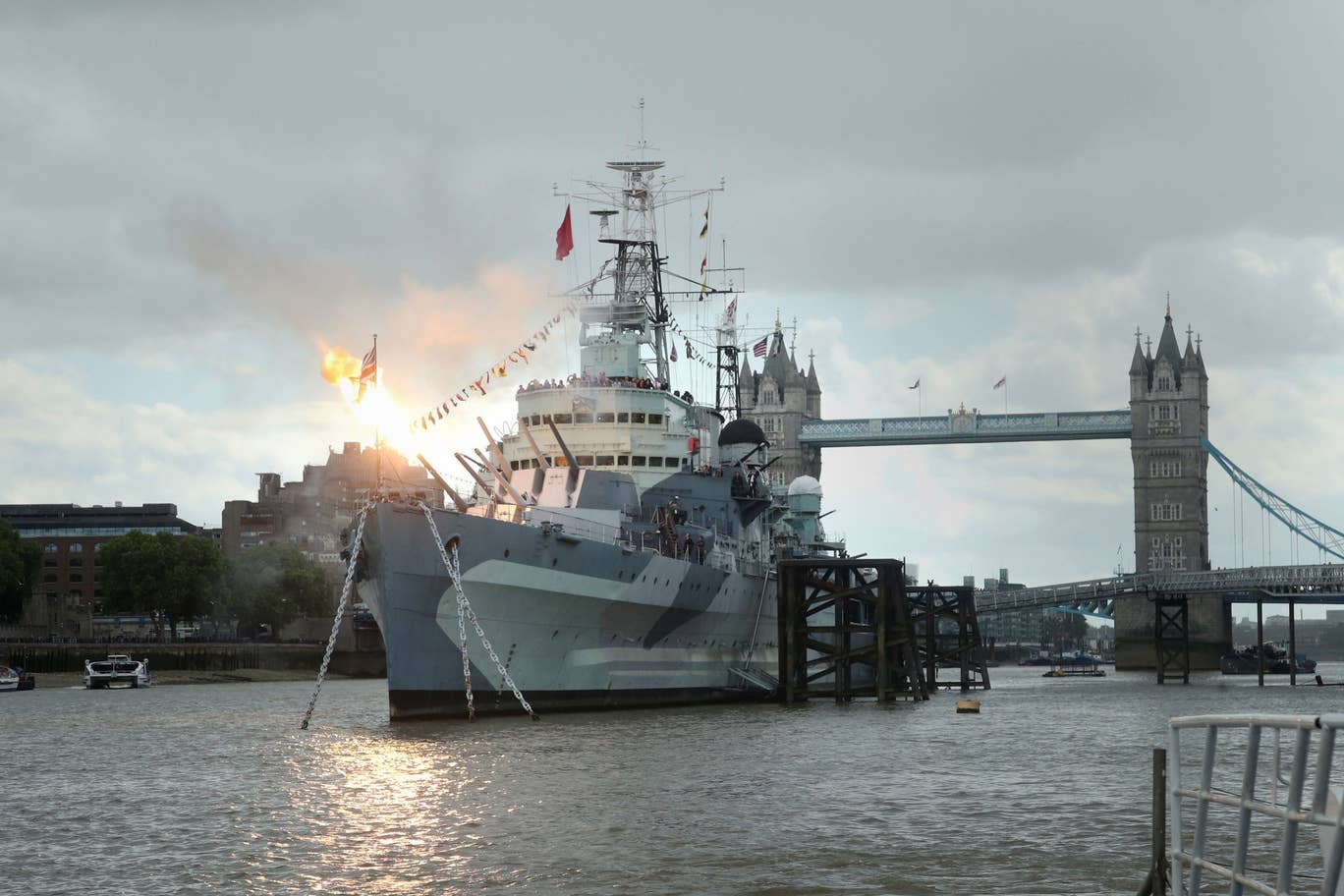
The 6 inch guns on board HMS Belfast in London are fired to mark the 75th anniversary of the D-Day landings (PA)
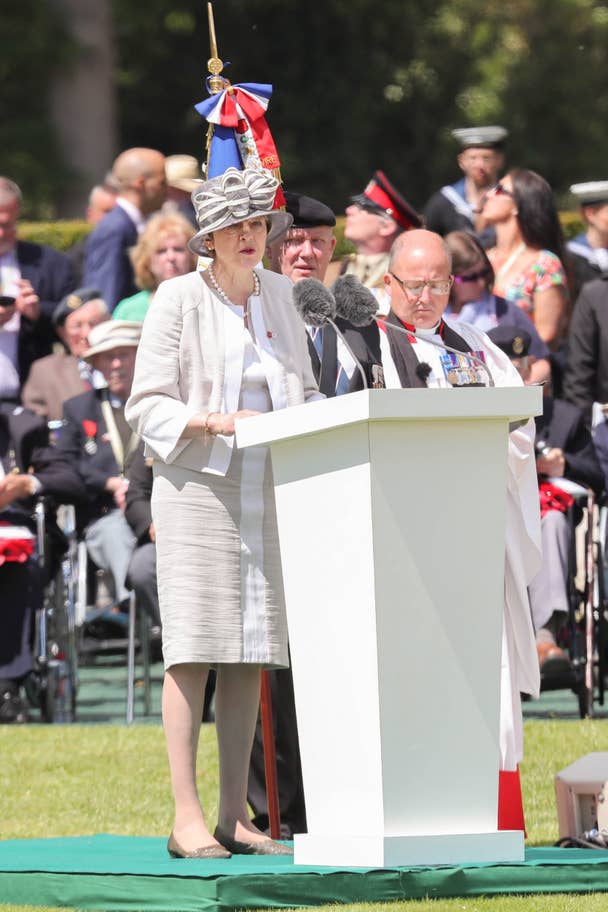
Prime Minister, Theresa May makes a speech at a memorial service at Bayeux War Cemeter (Getty Images)
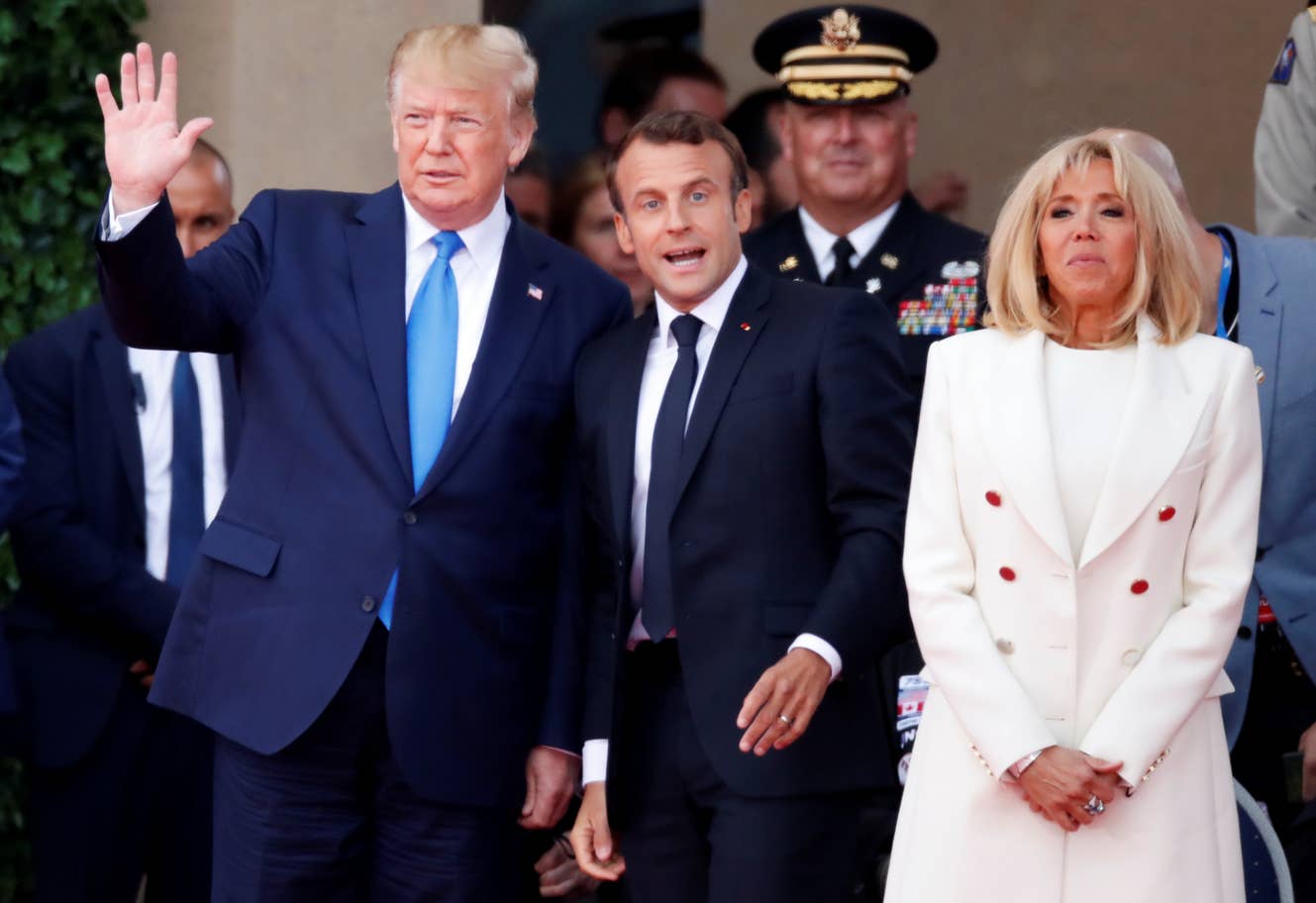
U.S President Donald Trump, French President Emmanuel Macron and his wife Brigitte Macron stand during a ceremony to mark the 75th anniversary of the D-Day at the Normandy American Cemetery and Memorial in Colleville-sur-Mer, France (Reuters)
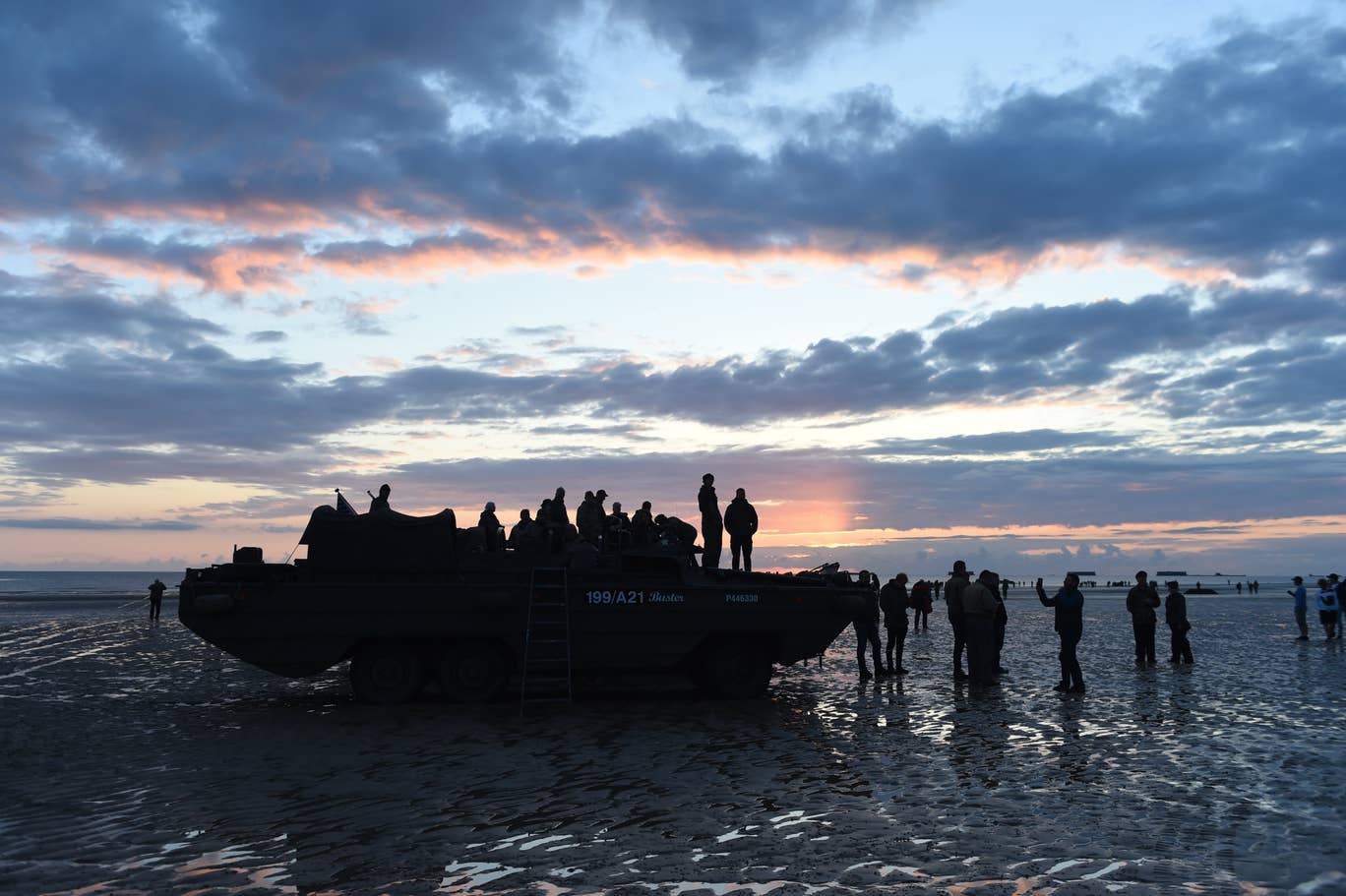
D Day 2019: 75th Anniversary at Arromanches Beach, France (Jeremy Selwyn)
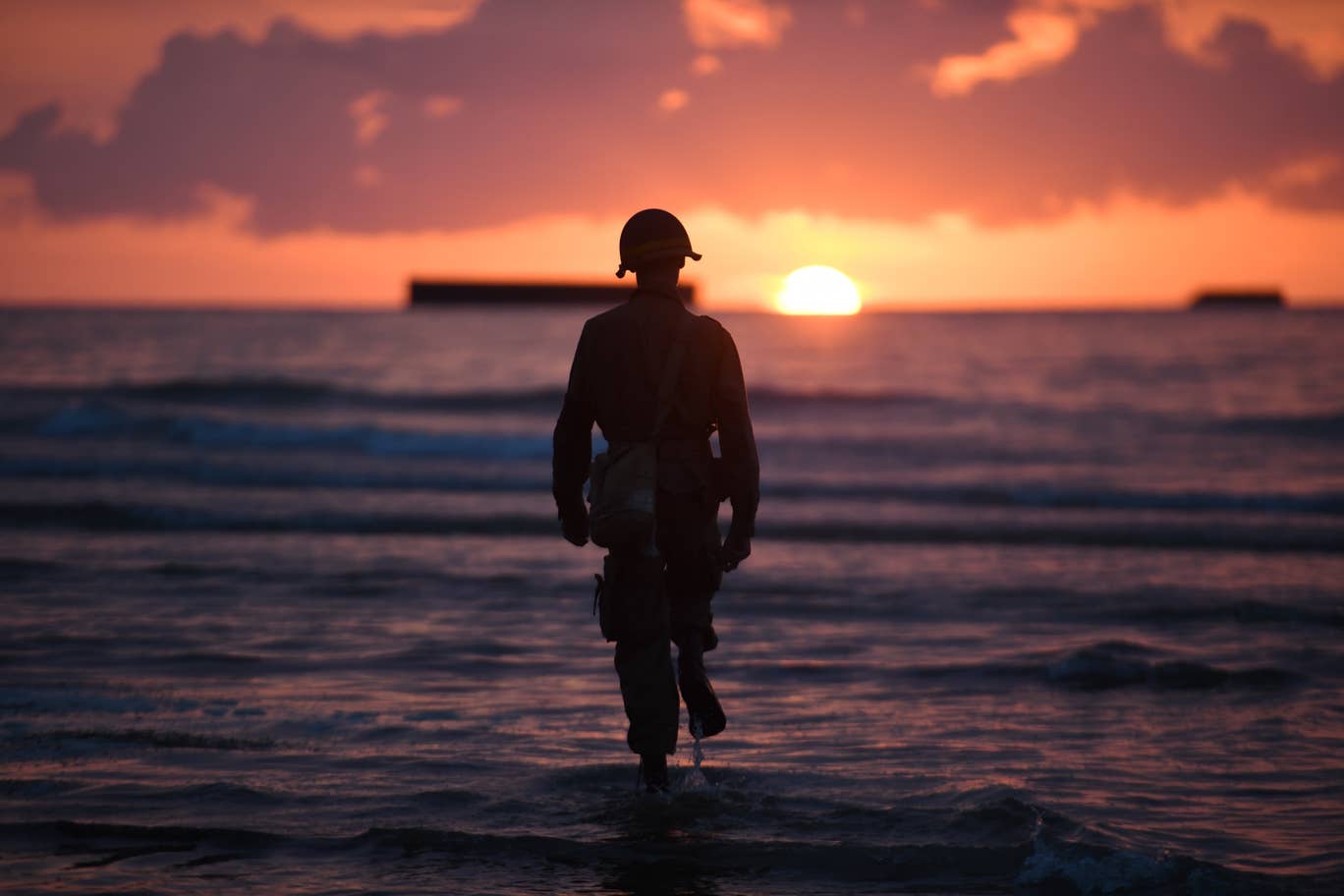
D D...
D-Day: 75 Years Later
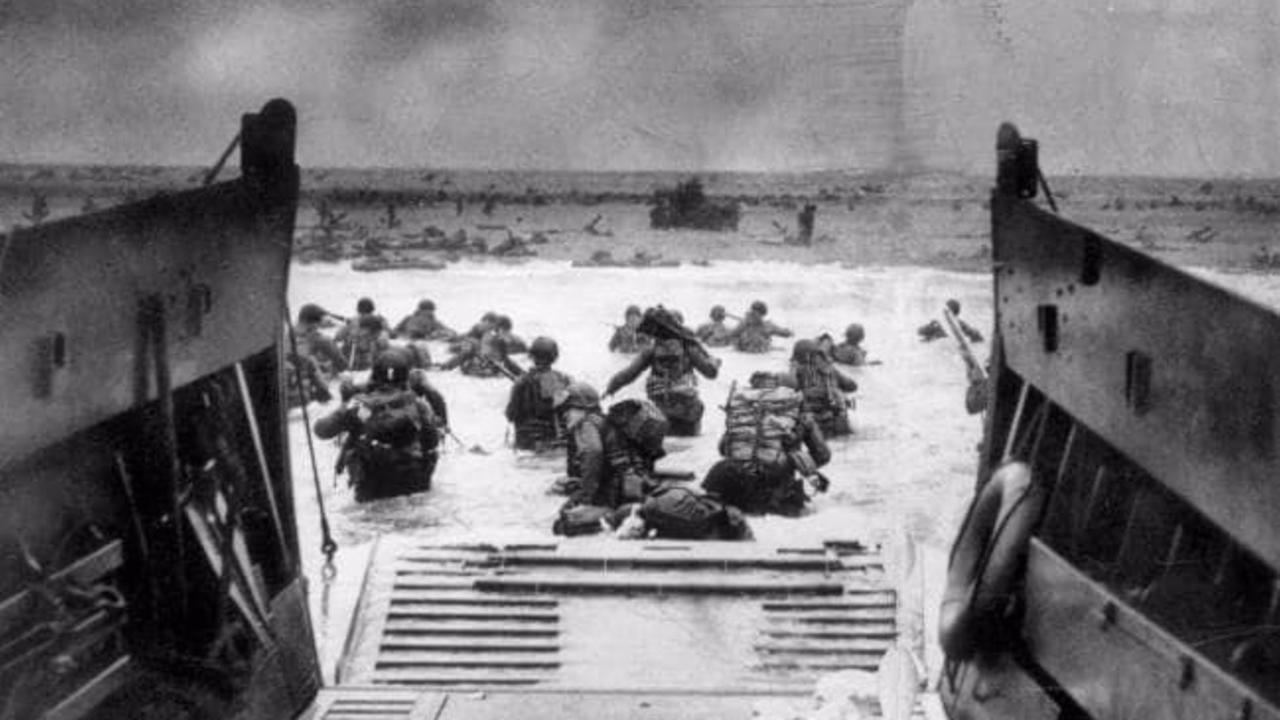
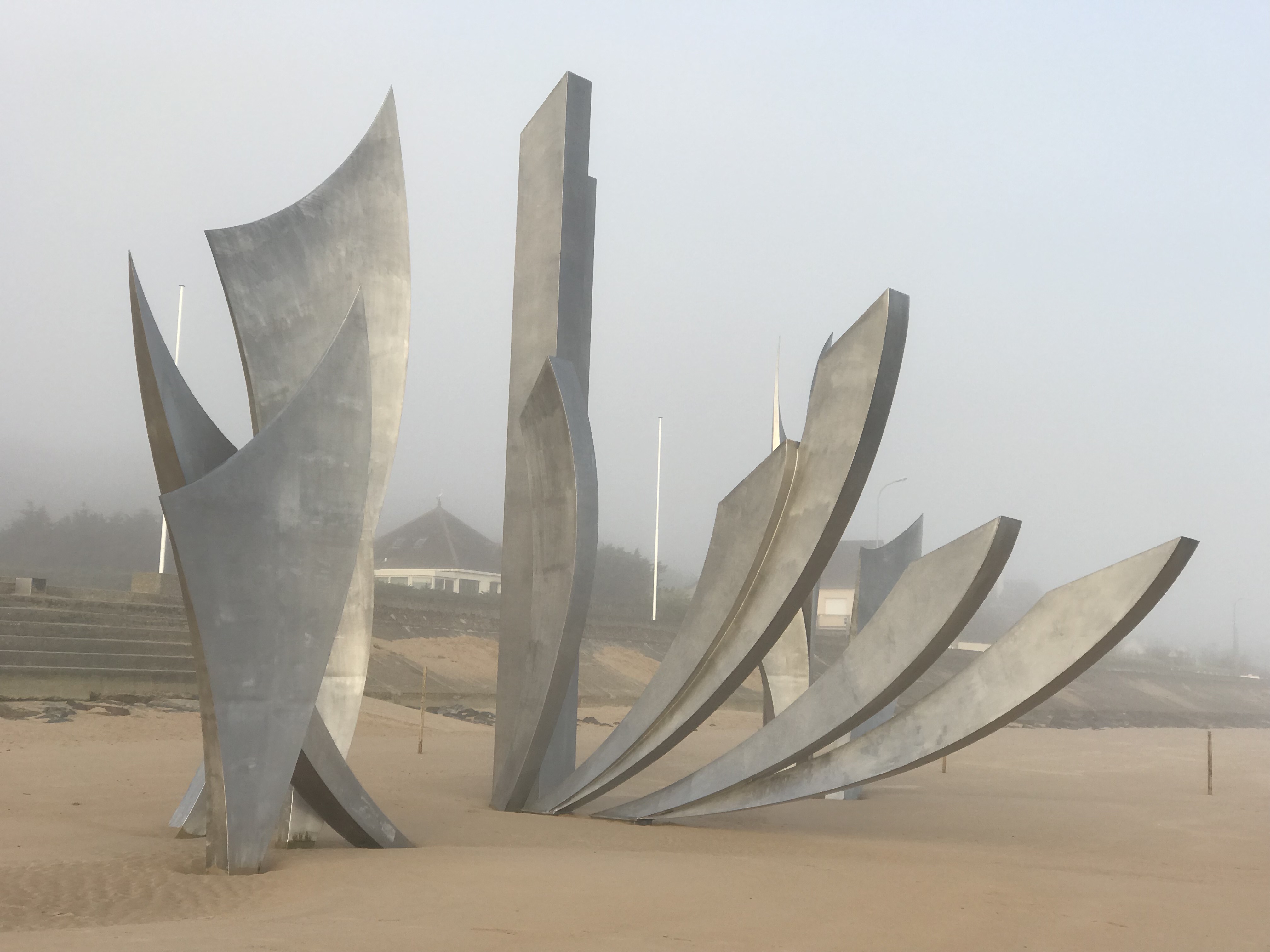 It was 75 years ago today that the largest air, land, and sea invasion in human history began on the shores of Normandy, France.
It involved 5,000 ships, 11,000 airplanes, and over 155,000 Soldiers, Sailors, Coast Guardsmen, and Airmen. The code name was “Overlord,” and it was the result of years of intensive planning, training, and applied innovation on a scale that’s difficult to fathom even now.
It would prove to be one of the decisive battles and turning points in the war against Adolph Hitler’s Third Reich.
When the doors and ramps opened at dawn on June 6, 1944, many of these Soldiers were not yet 20 years old.
“You get your ass on the beach,” Colonel Paul R. Goode told the men of the 175th Infantry Regiment, 29th Infantry Division before D-Day. “I’ll be there waiting for you and I’ll tell you what to do. There ain’t anything in this plan that is going to go right.”
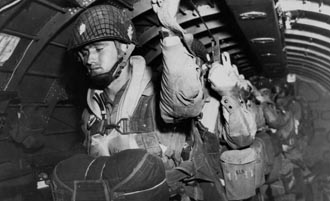
Lieutenant Colonel Robert L Wolverton, who was commanding 3rd battalion, 506th PIR, announced:
Men, I ...