Oskar Schindler: The Man Who Outwitted Adolph Hitler

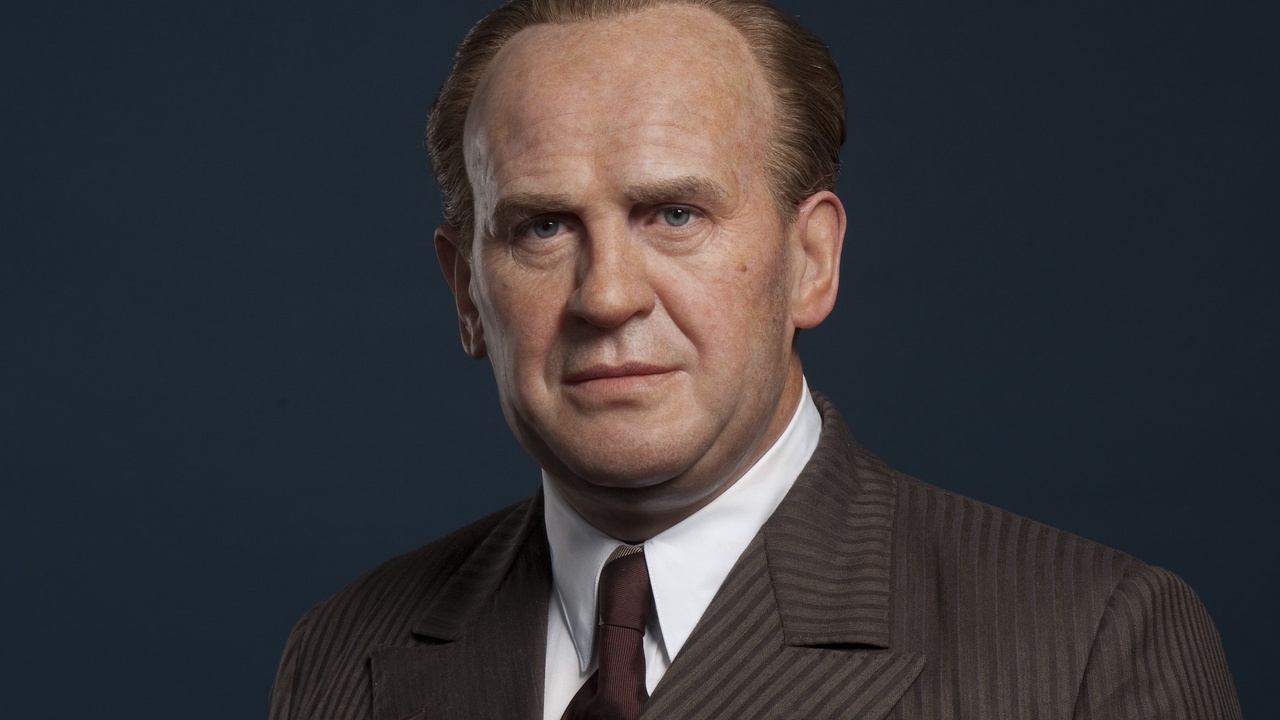
An opportunist businessman with a taste for the finer things in life, Oskar Schindler seemed an unlikely candidate to become a wartime rescuer—and he was, indeed, a long way from perfect—but during World War II, he rescued more than 1,000 Jews from deportation to Auschwitz—Nazi Germany's largest camp complex.

In many ways, it is the imperfections in Oskar Schindler’s character and the nuances in the historical record that make his story even more remarkable.

No alt text provided for this image

Oskar Schindler was born on April 28, 1908, in Svitavy (or Zwittau), Moravia, at that time a province of the Austro-Hungarian Monarchy. An ethnic German and a Catholic, he remained in Svitavy during the interwar period and held Czech citizenship after Moravia was incorporated into the newly established Czechoslovak Republic in 1918.

Schindler grew up in Zwittau, Moravia, and worked in several trades.

His father was Johann "Hans" Schindler, the owner of a farm machinery business, and his mother was Franziska "Fanny" Schindler....

Continue Reading...

Samuel Whittemore: The Minuteman who Proved You're Never Too Old to Fight

The Battles of Lexington and Concord were the first military engagements of the American Revolutionary War, fought On This Day, April 19, 1775.

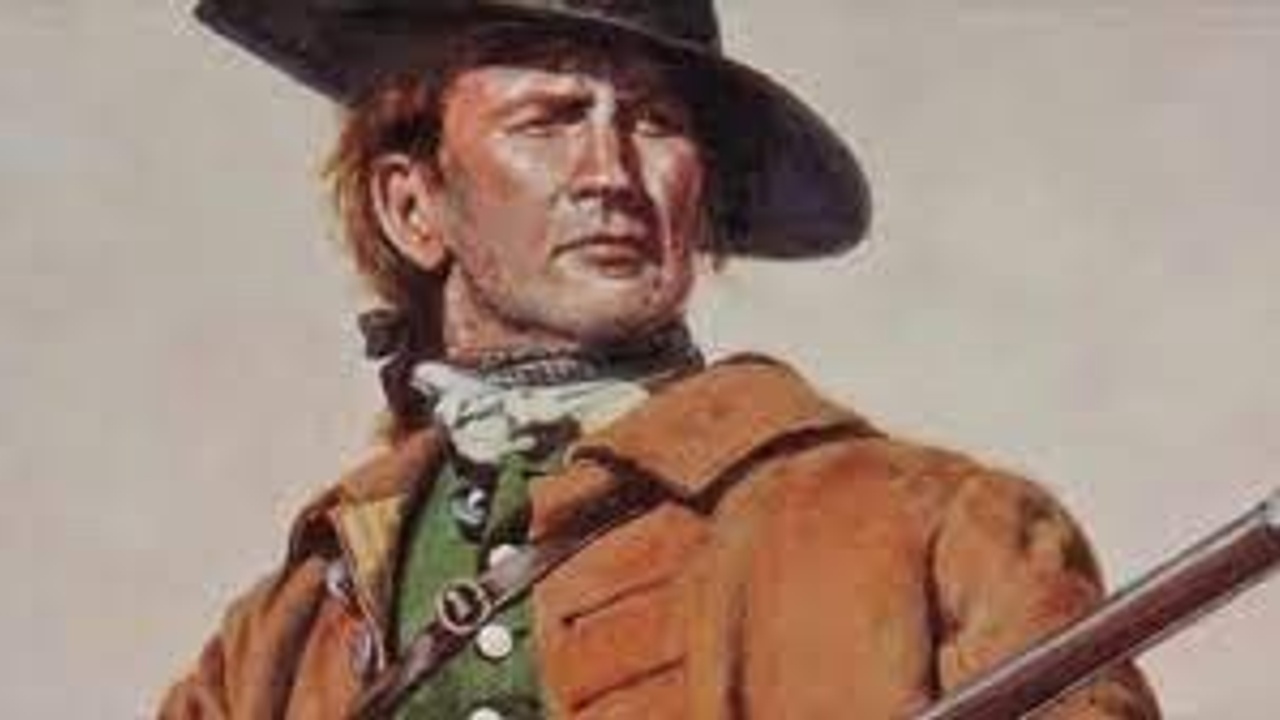
One of the more colorful veterans of that opening engagement was Samuel Whittemore.

No alt text provided for this image

Samuel Whittemore was in his mid-40s when he enlisted as a private in Colonel Jeremiah Moulton’s Third Massachusetts Regiment. He had fought in the French and Indian War, again fighting the French in Canada, and he even spent a brief period on board a ship that was hunting for a pirate.

He was always ready to drop his farming tools, pick up his weapons and march off to battle.

At the age of 64, in 1745, he was among the forces that stormed the French fortress at Louisburg, Nova Scotia, where he captured a fine, albeit gaudy and overdecorated, French saber that he would treasure the rest of his long life. As legend has it, Whittemore said that the former owner of the saber had "died suddenly," but furnished no further details.

As a young married man Sa

...
Continue Reading...

World War II: The Four Chaplains

 
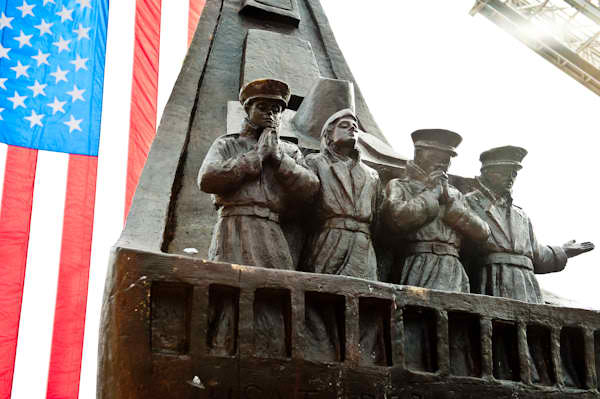
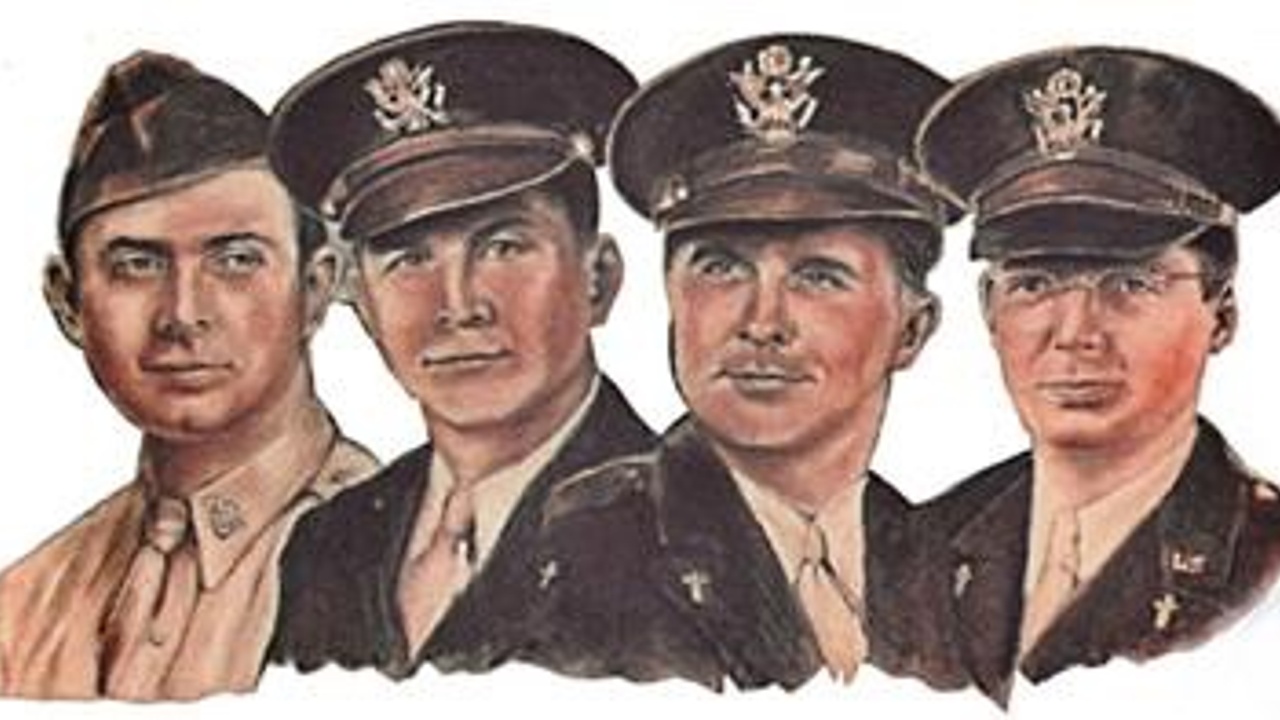
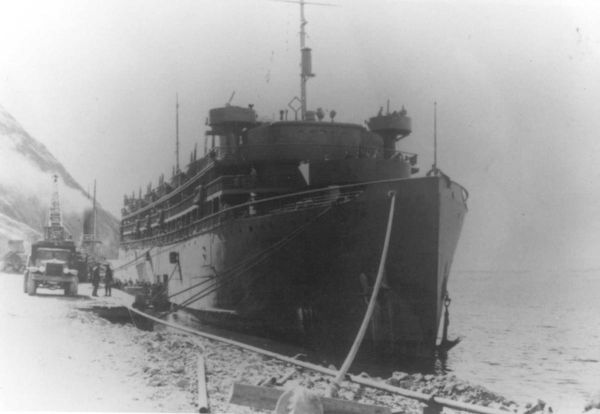
February 3, 1943. Four U.S. Army Chaplains die after giving up their life jackets to save others. At 12:55 am, the The Dorchester, a 5,649 ton civilian liner, is torpedoed by the German submarine U-223 off Newfoundland in the North Atlantic.
 
 
The torpedo knocks out the Dorchester's electrical system, leaving the ship dark. Panic sets in among the men on board, many of them trapped below decks. The chaplains calm the men and organize an orderly evacuation of the ship, and help guide wounded men to safety. As life jackets are passed out to the men, the supply runs out before each man has one.
 
 
The chaplains help others board lifeboats and give up their own life jackets when the supply runs out. The chaplains join arms, say prayers, and sing hymns as they go down with the ship.
 
“As I swam away from the ship, I looked back. The flares had lighted everything. The bow came up high and she slid under. The last thing I saw, the Four Chaplains were up th
...
Continue Reading...
Close

50% Complete

Two Step

Lorem ipsum dolor sit amet, consectetur adipiscing elit, sed do eiusmod tempor incididunt ut labore et dolore magna aliqua.