Sir John Herschel: The Preeminent Astronomer who also Invented the Blueprint...and much more!

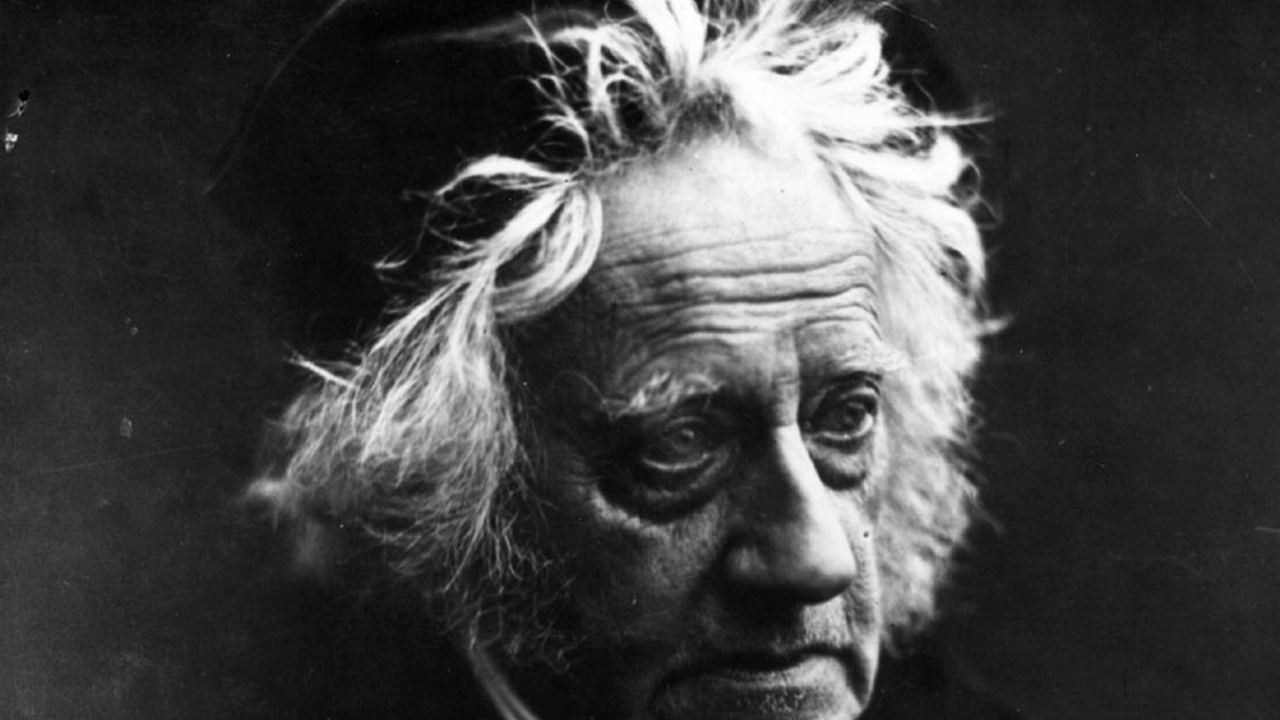
Sir John Herschel was Victorian England’s scientist, astronomer, pioneer photographer, and mathematician, often considered the equal of Sir Isaac Newton. 

Among many other achievements, He was also a chemist and inventor, experimental photographer who invented the blueprint in 1842, which allowed for the rapid, and accurate, production of an unlimited number of copies of technical drawings.

Herschel originated the use of the Julian day system in astronomy. He named seven moons of Saturn and four moons of Uranus – the seventh planet, discovered by his father Sir William Herschel. 

He made many contributions to the science of photography when it first emerged in 1839.

A full appreciation of Sir John Herschel and all of his contributions that continue to positively impact us today, however, can be gained with even a cursory review of his life story.

No alt text provided for this image

Early life

Sir John Frederick William Herschel was the only child of Mary Pitt and the respected, British astronomer, William

...
Continue Reading...

Tenzing Norgay: Master Sherpa and Sirdar of Mount Everest

If there was ever anyone who deserved to get to the summit of Mount Everest first, it was Sherpa Tenzing Norgay.
No alt text provided for this image

Still, today, he’s the most famous and respected citizen of the Indian hill town of Darjeeling. He spoke 7 languages, but never learned how to write.

He became an ambassador of Sherpa mountaineering, best known for being one of the two men who first reached the summit of Mount Everest.

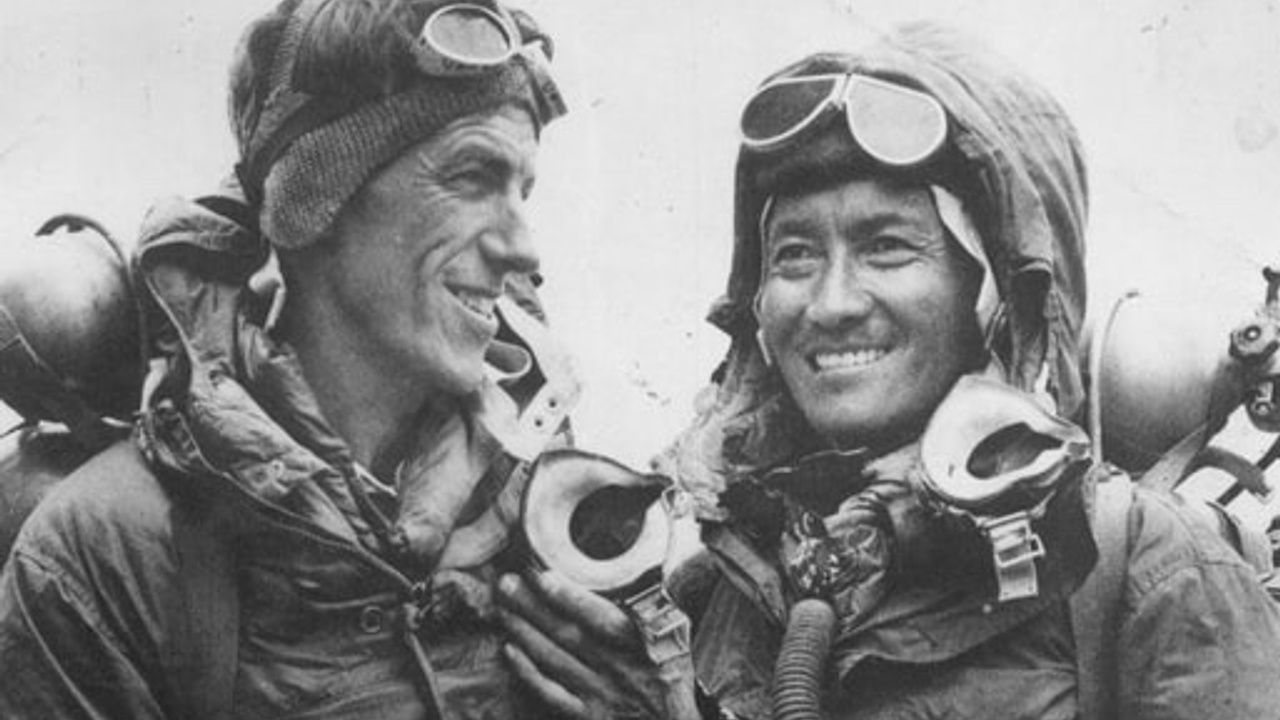
At 11:30 a.m. on May 29, 1953, Tenzing Norgay and Edmund Hillary of New Zealand, became the first explorers to reach the rooftop of the world at 29,035 feet above sea level— the highest point on earth.

No alt text provided for this image

At that moment, Tenzing Norgay had no idea how his life would ultimately change. His story goes well beyond the Summit of Mount Everest.

Time would name Norgay as one of the 100 most influential people of the 20th century.

The Life of Tenzing Norgay

No alt text provided for this image

There are conflicting accounts of Norgay's early life. The account given in his autobiography is that he was a born in Tibet,

...
Continue Reading...

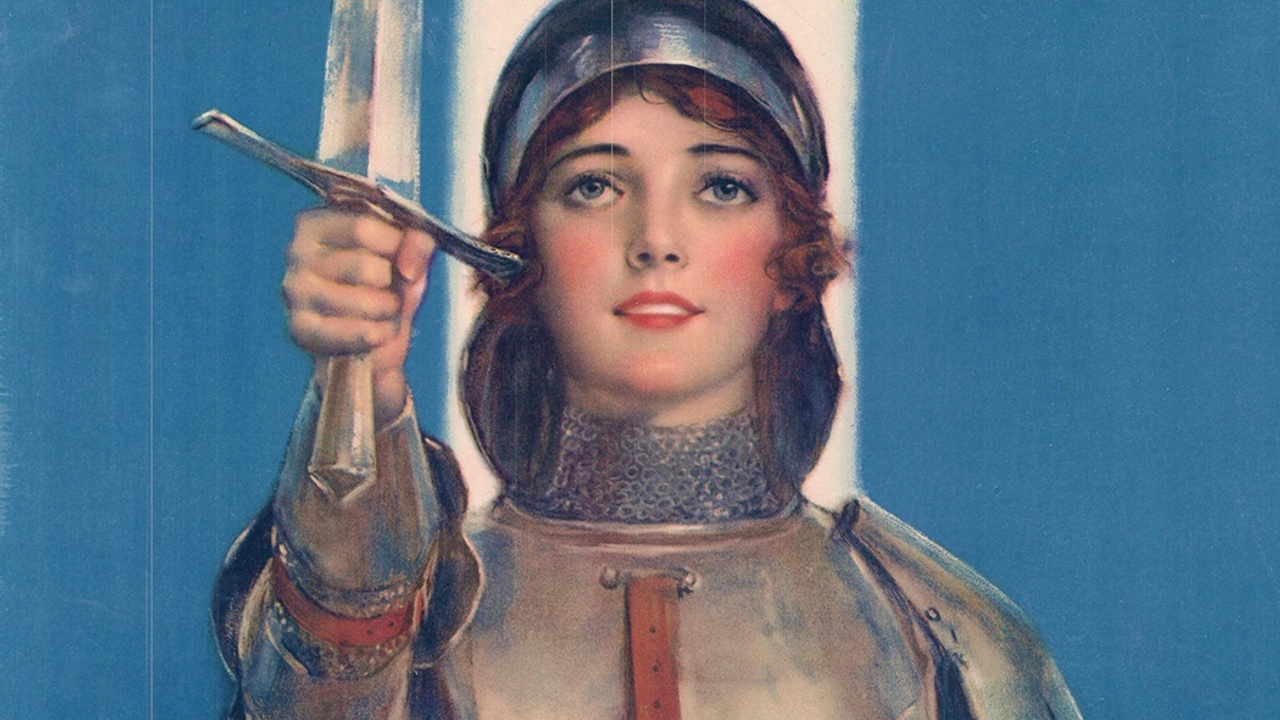
Joan of Arc: The Short but Eventful life of the Maid of Lorraine

This is a good time to remind ourselves about the life and death of Joan of Arc, because it was on May 9, 1920, that Joan of Arc was canonized by Pope Benedict XV. This is also the month she was executed. She led the French armies against the English during the Hundred Years' War. After seeing the prince crowned King Charles VII, Joan was captured by Anglo-Burgundian forces, tried for witchcraft and heresy and burned at the stake in 1431, at the age of 19. By the time she was officially canonized in 1920, the Maid of Orléans, as she was known, had long been considered one of history’s greatest saints, and an enduring symbol of French unity and nationalism. Also nicknamed the "Maid of Lorraine," Joan of Arc is considered a heroine of France for her role during the Hundred Years War.

No alt text provided for this image

Born around 1412, Jeanne d’Arc (or in English, Joan of Arc) was the daughter of Jacques d’Arc and Isabelle Romée, a peasant family from the village of Domrémy, in northeastern France.

No alt text provided for this image

During th

...
Continue Reading...

Oskar Schindler: The Man Who Outwitted Adolph Hitler

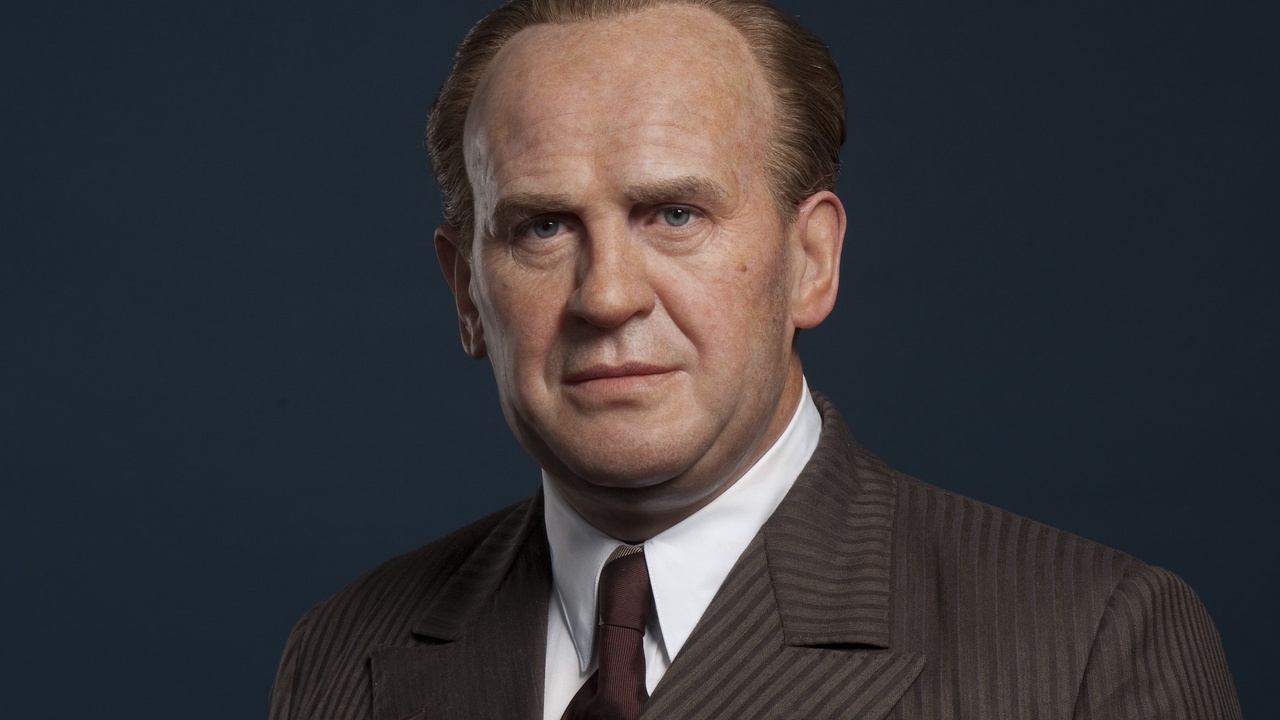
An opportunist businessman with a taste for the finer things in life, Oskar Schindler seemed an unlikely candidate to become a wartime rescuer—and he was, indeed, a long way from perfect—but during World War II, he rescued more than 1,000 Jews from deportation to Auschwitz—Nazi Germany's largest camp complex.

In many ways, it is the imperfections in Oskar Schindler’s character and the nuances in the historical record that make his story even more remarkable.

No alt text provided for this image

Oskar Schindler was born on April 28, 1908, in Svitavy (or Zwittau), Moravia, at that time a province of the Austro-Hungarian Monarchy. An ethnic German and a Catholic, he remained in Svitavy during the interwar period and held Czech citizenship after Moravia was incorporated into the newly established Czechoslovak Republic in 1918.

Schindler grew up in Zwittau, Moravia, and worked in several trades.

His father was Johann "Hans" Schindler, the owner of a farm machinery business, and his mother was Franziska "Fanny" Schindler....

Continue Reading...

Edward R. Murrow’s Story— and his Enduring Influence on Journalism

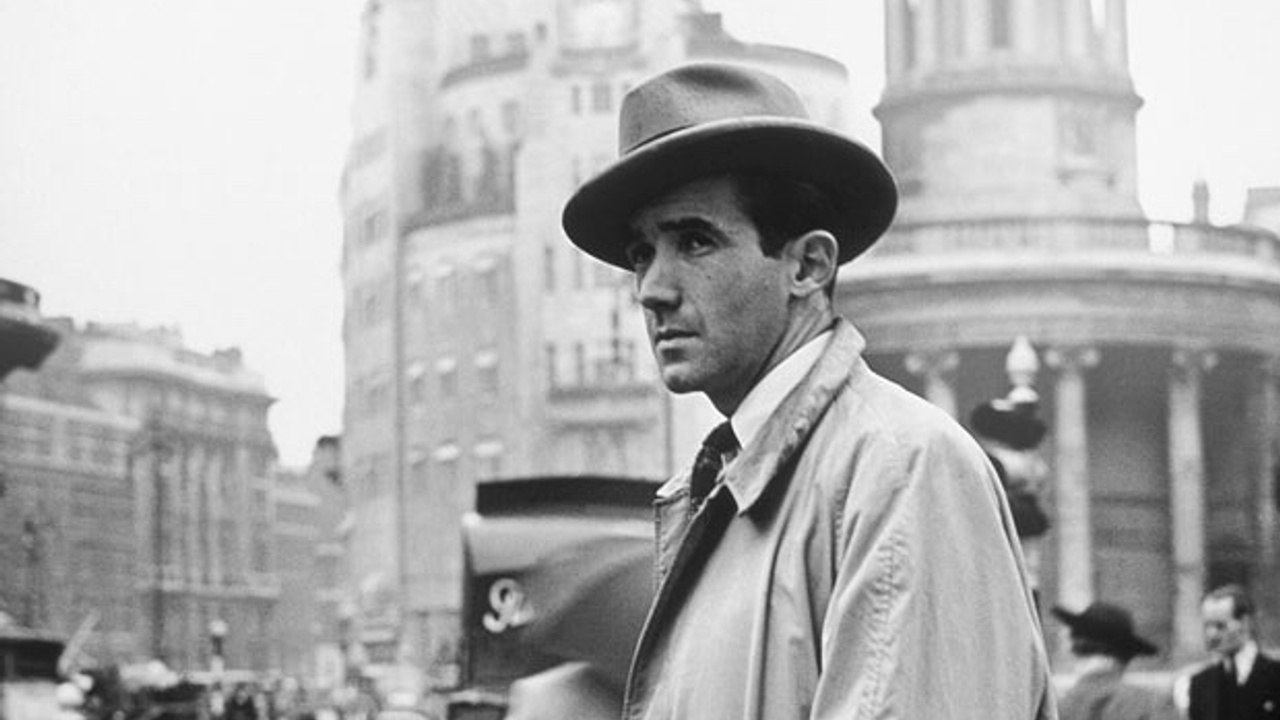
"Good night, and good luck”...It was a nightly close immortalized by Emmy-winning journalist Edward R. Murrow following each of his broadcasts. He gained prominence during World War II with live broadcasts from Europe. Reporting from the front, he flew with 25 combat missions in Europe during the war.

No alt text provided for this image

Edward R. Murrow brought rooftop reports of the Blitz of London into America's living rooms before this country entered World War II. After the war, Murrow and his team of reporters brought news to the new medium of television.

A pioneer of radio and television news broadcasting, Murrow produced a series of reports on his television program See It Now that helped lead to the censure of Senator Joseph McCarthy.

Murrow won four Peabody awards, the Medal of Freedom, and as an American was knighted an honorary commander of the Order of the British Empire.

Fellow journalists Eric Sevareid, Ed Bliss, Bill Downs, Dan Rather, and Alexander Kendrick consider Murrow one of journalism's gr

...
Continue Reading...

Samuel Whittemore: The Minuteman who Proved You're Never Too Old to Fight

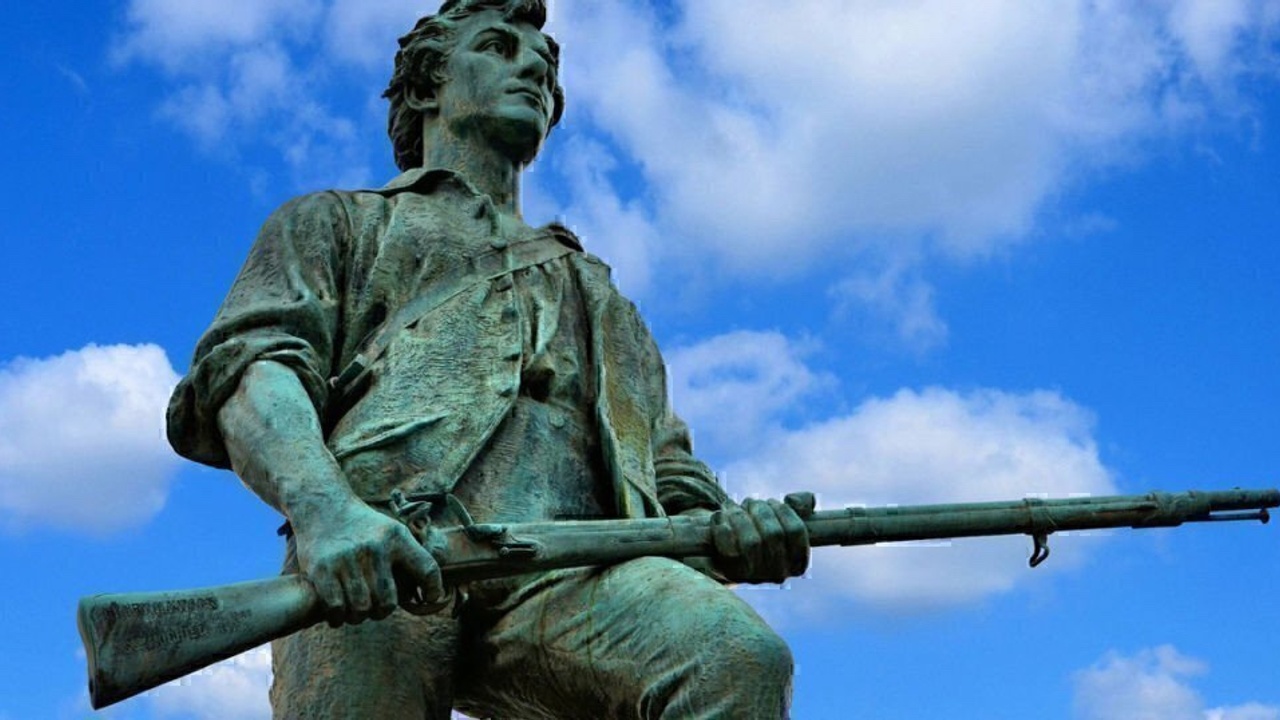
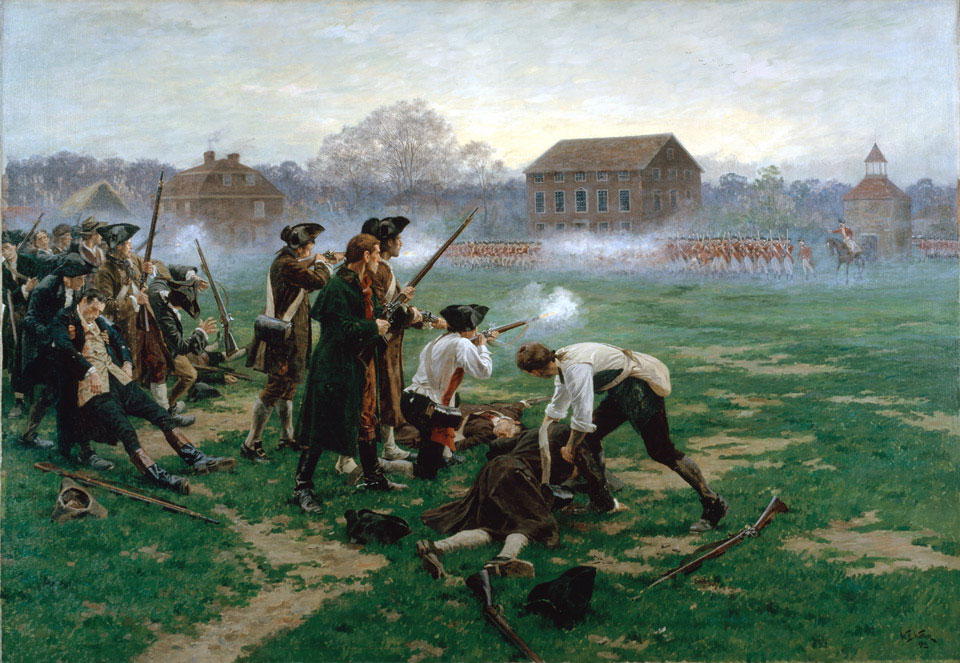
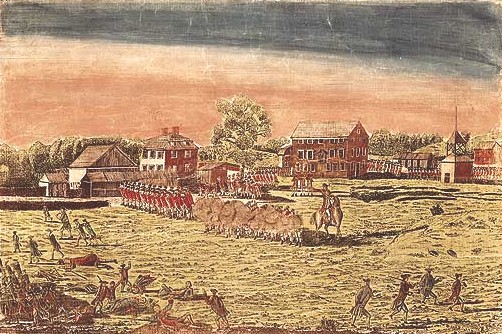
The Battles of Lexington and Concord were the first military engagements of the American Revolutionary War, fought On This Day, April 19, 1775.

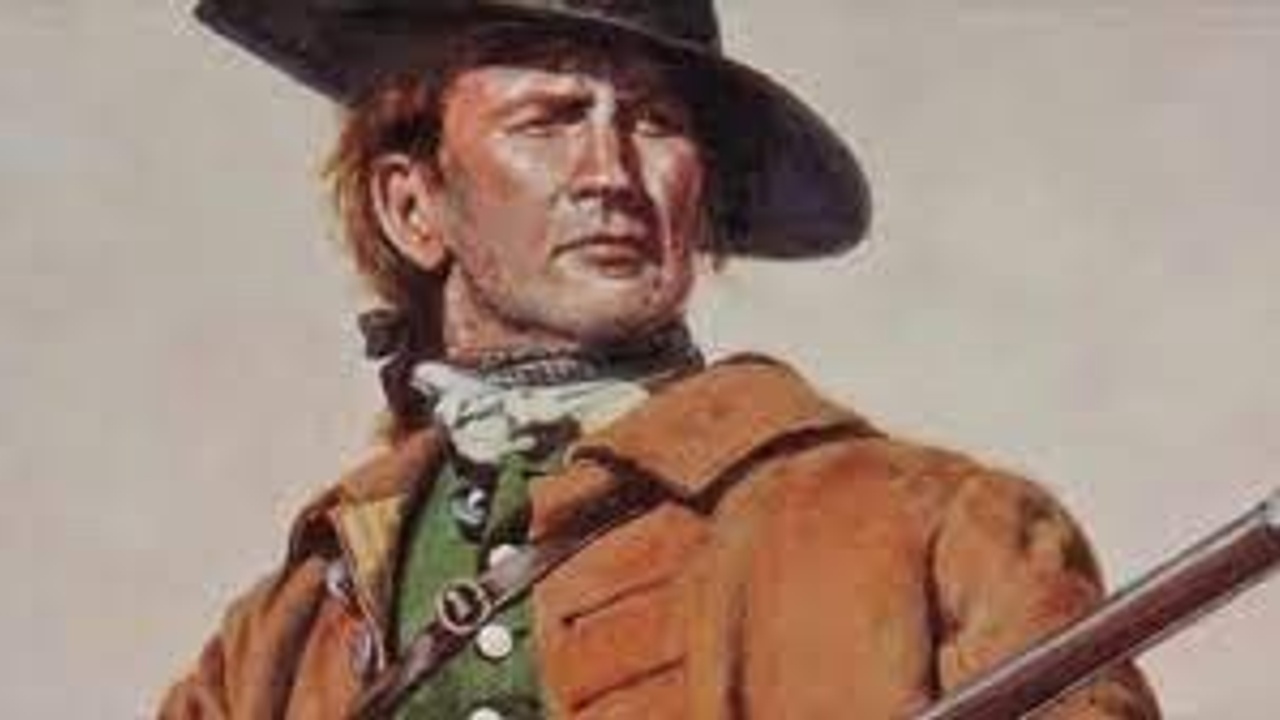
One of the more colorful veterans of that opening engagement was Samuel Whittemore.

No alt text provided for this image

Samuel Whittemore was in his mid-40s when he enlisted as a private in Colonel Jeremiah Moulton’s Third Massachusetts Regiment. He had fought in the French and Indian War, again fighting the French in Canada, and he even spent a brief period on board a ship that was hunting for a pirate.

He was always ready to drop his farming tools, pick up his weapons and march off to battle.

At the age of 64, in 1745, he was among the forces that stormed the French fortress at Louisburg, Nova Scotia, where he captured a fine, albeit gaudy and overdecorated, French saber that he would treasure the rest of his long life. As legend has it, Whittemore said that the former owner of the saber had "died suddenly," but furnished no further details.

As a young married man Sa

...
Continue Reading...

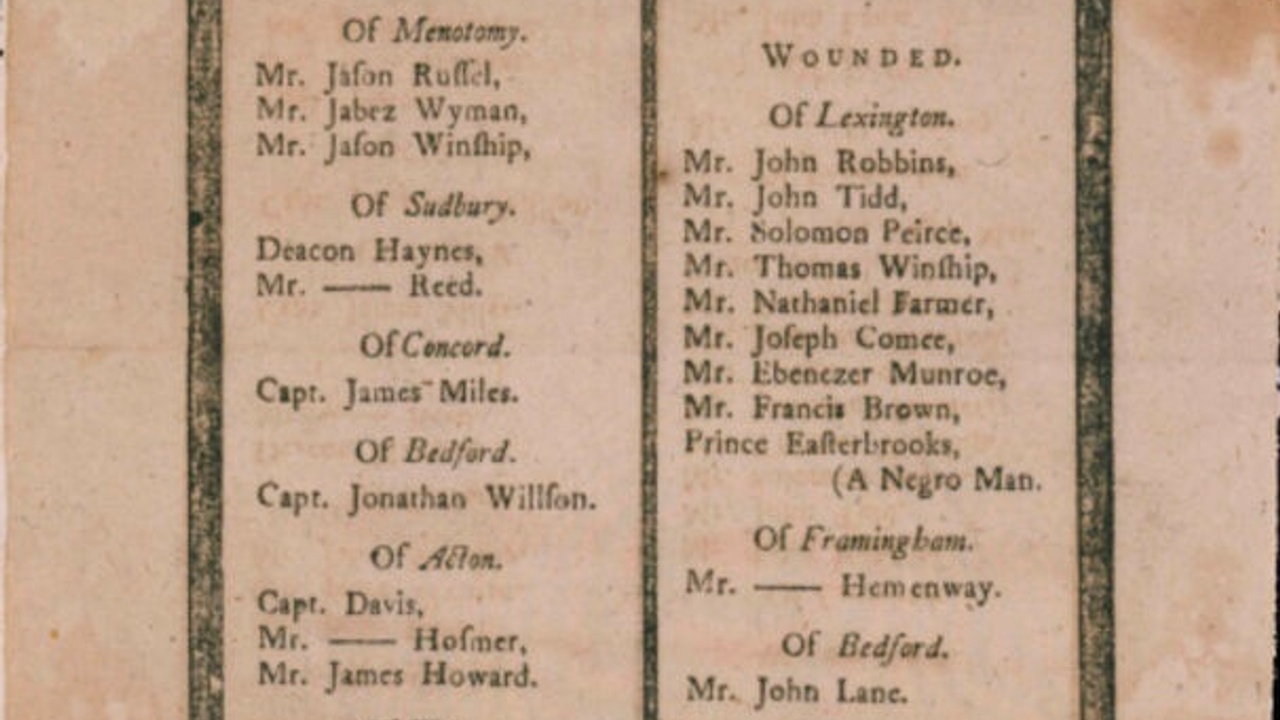
Casualties of the Battle of Lexington and Concord

When the smoke cleared on this day, 245 years ago, April 19, 1775, here were the casualties of the Battle of Lexington and Concord:

KILLED.

Of Lexington.

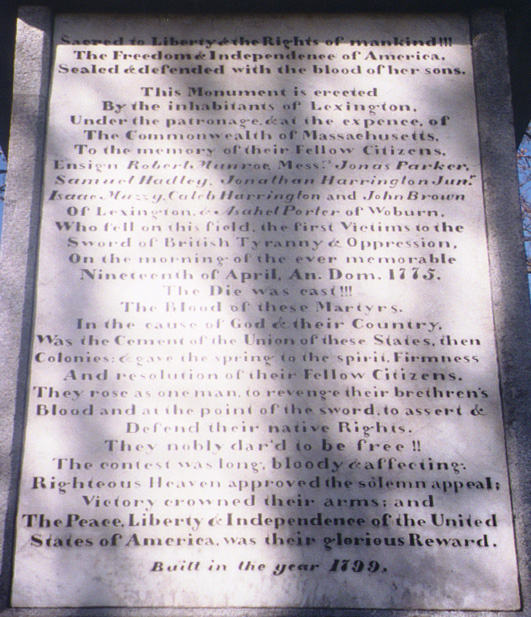
* Mr. Robert Munroe,
* Mr. Jonas Parker,
* Mr. Samuel Hadley,
* Mr. Jonan Harrington,
* Mr. Caleb Harrington,
* Mr. Isaac Muzzy,
* Mr. John Brown,
Mr. John Raymond,
Mr. Nathaniel Wyman,
Mr. Jedediah Munroe.

Of Menotomy.

Mr. Jason Russel,
Mr. Jabez Wyman,
Mr. Jason Winship,
Of Sudbury.
Deacon Haynes,
Mr. ----- Reed.

Of Concord.

Capt. James Miles,
Of Bedford.
Capt. Jonathan Willson,
Of Acton.
Capt. Davis,
Mr. ----- Hosmer,
Mr. James Howard.

Of Woburn.

* Mr. Azael Porter,
Mr. Daniel Thompson.
Of Charlestown.
Mr. James Miller,
Capt. William Barber's Son.
Of Brookline.
Isaac Gardner, Esq;

Of Cambridge.

Mr. John Hicks,
Mr. Moses Richardson,
Mr. William Massey.
Of Medford.
Mr. Henry Putnam.

Of Lynn.

Mr. Abednego Ramsdell,
Mr. Daniel Townsend,
Mr. William Flint,
Mr. Thomas Hadley.

Of Danvers.

Mr. Henry Jacobs,
Mr. Samuel Cook,
Mr. Ebenezer Goldthwait,
Mr. George Southwick,
Mr. Benjamin Dalan...

Continue Reading...

The Shot Heard Round the World

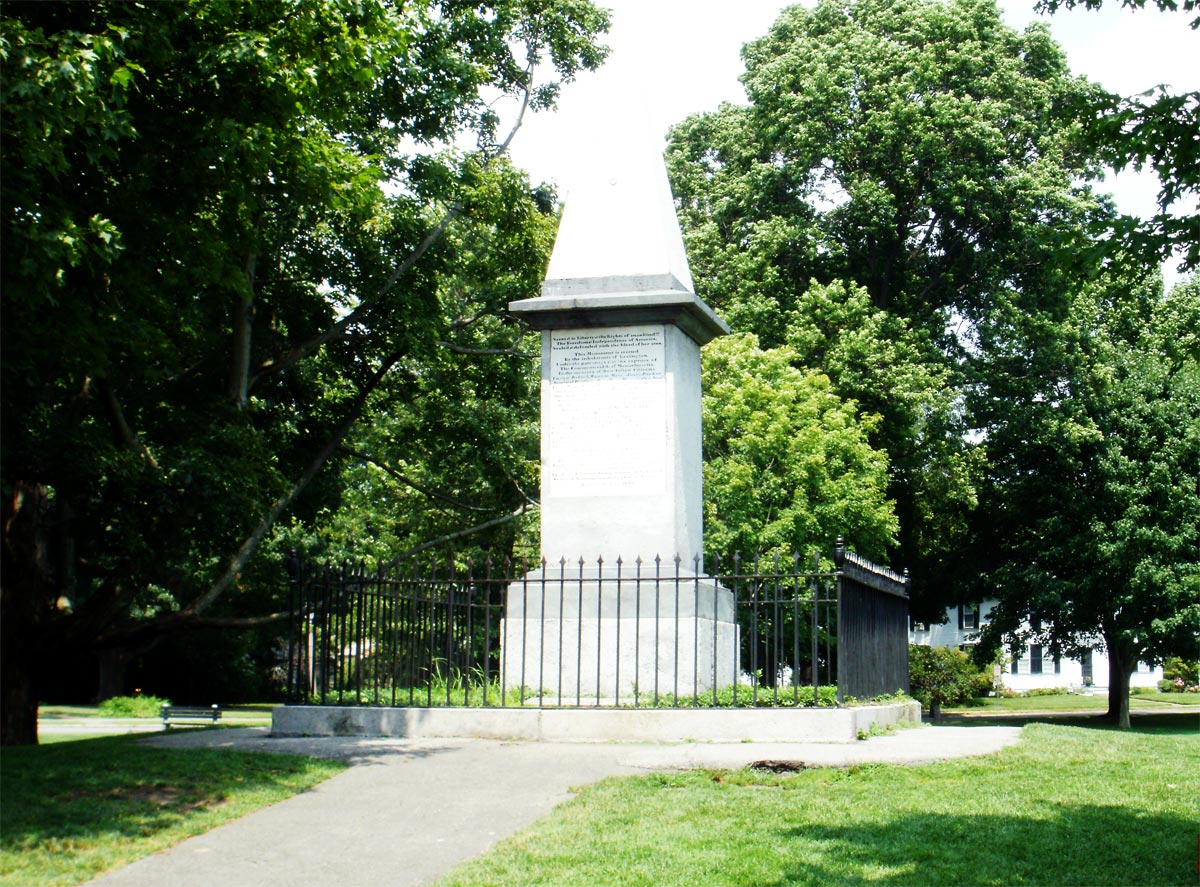
245 years ago, On this Day—April 19, 1775—the American Revolution begins with the Battles of Lexington and Concord.

Minute Men and militias rush to confront the British Regulars early that morning.


Robert Munroe is one of the first eight Patriot casualties in that opening engagement of the Revolutionary War—and the first officer killed on Lexington Common.

He is a soldier from Cambridge Farm who was born in 1712, who later had moved to Lexington, Massachusetts. Robert married Anna Stone on July 28, 1737, in Lexington. They have 6 children. Their first and last children did not survive childhood.


Robert is one of the 77 men present when the Company meets the British on Lexington Common. He is the third-highest ranking militia officer in the action there.


At the time of his death, at 63 years of age, he is one of sixteen Munroe's who are members of Captain John Parker's Company of Minute Men, and holds the rank of Ensign, the lowest infantry officer rank.

His wife, Anna, passes away f...

Continue Reading...

Father Damien’s Legacy: Leader by Example & "Martyr of Charity"​

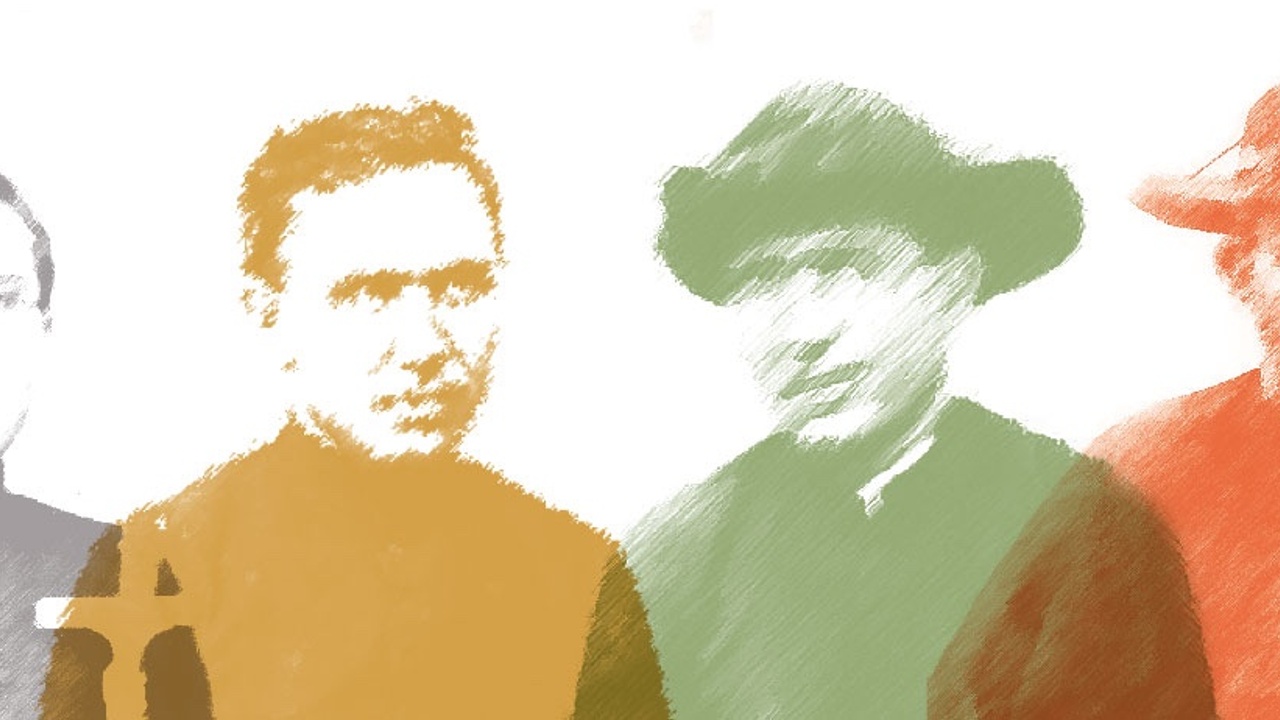
Father Damien was born Jozef De Veuster, was a Roman Catholic priest from Belgium, and missionary who dedicated his life to the lepers of Hawaii and eventually contracted the disease himself. He was declared a Saint by the Catholic Church. Father Damien has been described as a "martyr of charity". In the Anglican Communion and other Christian denominations, Damien is considered the spiritual patron for leprosy and outcasts.

No alt text provided for this image

Jozef De Veuster was the youngest of seven children and fourth son of the Flemish corn merchant Joannes Franciscus ("Frans") De Veuster and his wife Anne-Catherine ("Cato") Wouters in the village of Tremelo in Flemish Brabant in rural Belgium on 3 January 1840. His older sisters Eugénie and Pauline became nuns, and his older brother Auguste (Father Pamphile) joined the Congregation of the Sacred Hearts of Jesus and Mary (Picpus Fathers).

Jozef was forced to quit school at age 13 to work on the family farm.

His father, a small farmer, sent him to a college a

...
Continue Reading...

The Great Locomotive Chase and the First Recipients of the Medal of Honor

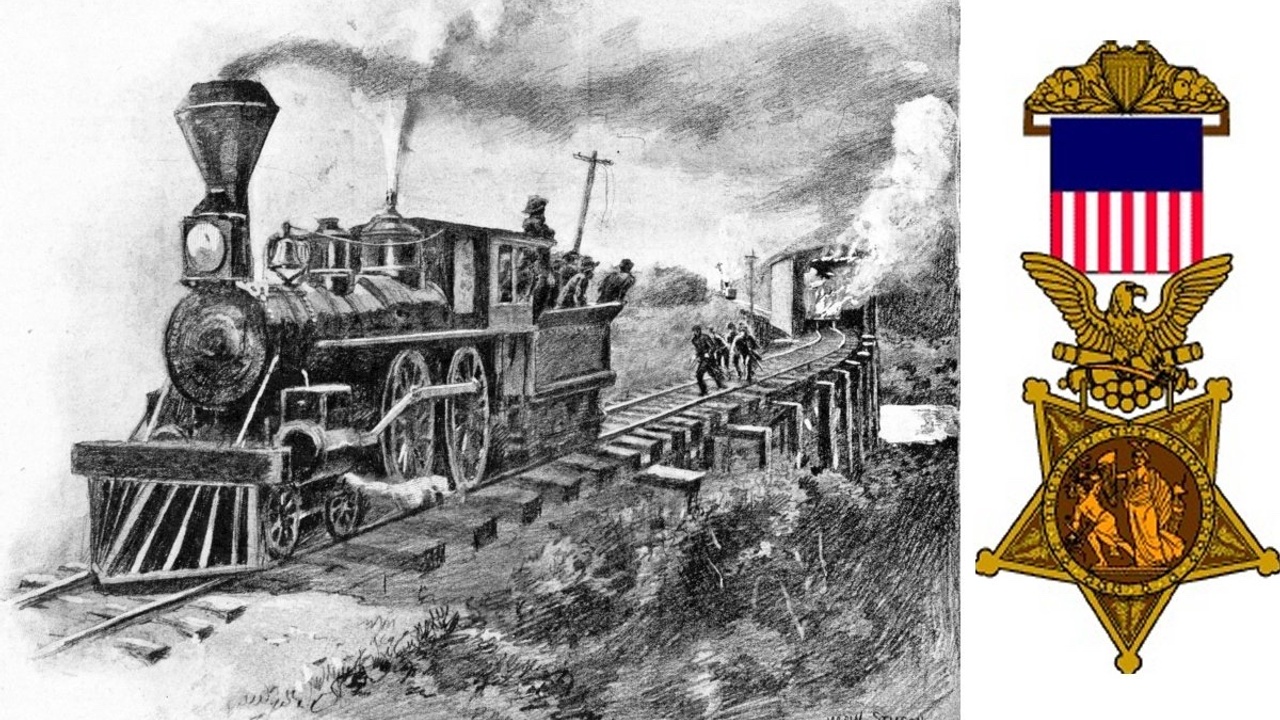
On This Day, April 12, 1862, Union soldiers and sympathizers steal a passenger train and take it from Atlanta, Georgia to Chattanooga, Tennessee sabotaging railway tracks, bridges, and telegraph lines along the way. They were pursued by Confederate troops, first on foot, then by handcar, and eventually by train. The raiders eventually ran out of wood for the steam engine and had to abandon the train, where they tried to escape on foot. The leader of the raid, civilian scout James J. Andrews, and his men were eventually captured. Eight of the men, including Andrews, were hanged. Six of the soldiers became the first to receive the Medal of Honor. However, Andrews was not eligible since he was a civilian.

The raid became known as "The Great Locomotive Chase.”

No alt text provided for this image

The Great Locomotive Chase has become a legendary, but still relatively little-known event that unfolded during the early years of the Civil War. It was an attempt by Union forces and sympathizers to destroy railroad infrastructu...

Continue Reading...
1 2 3 4 5
Close

50% Complete

Two Step

Lorem ipsum dolor sit amet, consectetur adipiscing elit, sed do eiusmod tempor incididunt ut labore et dolore magna aliqua.