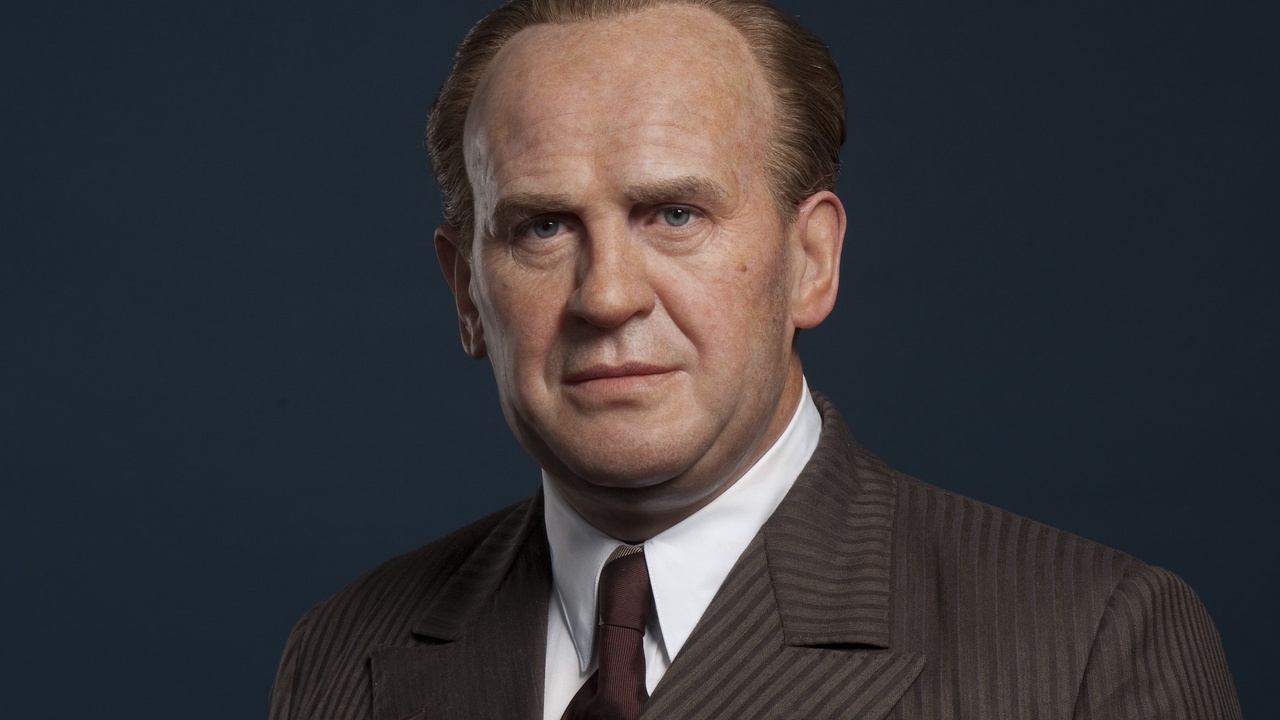
Oskar Schindler: The Man Who Outwitted Adolph Hitler

An opportunist businessman with a taste for the finer things in life, Oskar Schindler seemed an unlikely candidate to become a wartime rescuer—and he was, indeed, a long way from perfect—but during World War II, he rescued more than 1,000 Jews from deportation to Auschwitz—Nazi Germany's largest camp complex.

In many ways, it is the imperfections in Oskar Schindler’s character and the nuances in the historical record that make his story even more remarkable.

No alt text provided for this image

Oskar Schindler was born on April 28, 1908, in Svitavy (or Zwittau), Moravia, at that time a province of the Austro-Hungarian Monarchy. An ethnic German and a Catholic, he remained in Svitavy during the interwar period and held Czech citizenship after Moravia was incorporated into the newly established Czechoslovak Republic in 1918.

Schindler grew up in Zwittau, Moravia, and worked in several trades.

His father was Johann "Hans" Schindler, the owner of a farm machinery business, and his mother was Franziska "Fanny" Schindler....

Continue Reading...

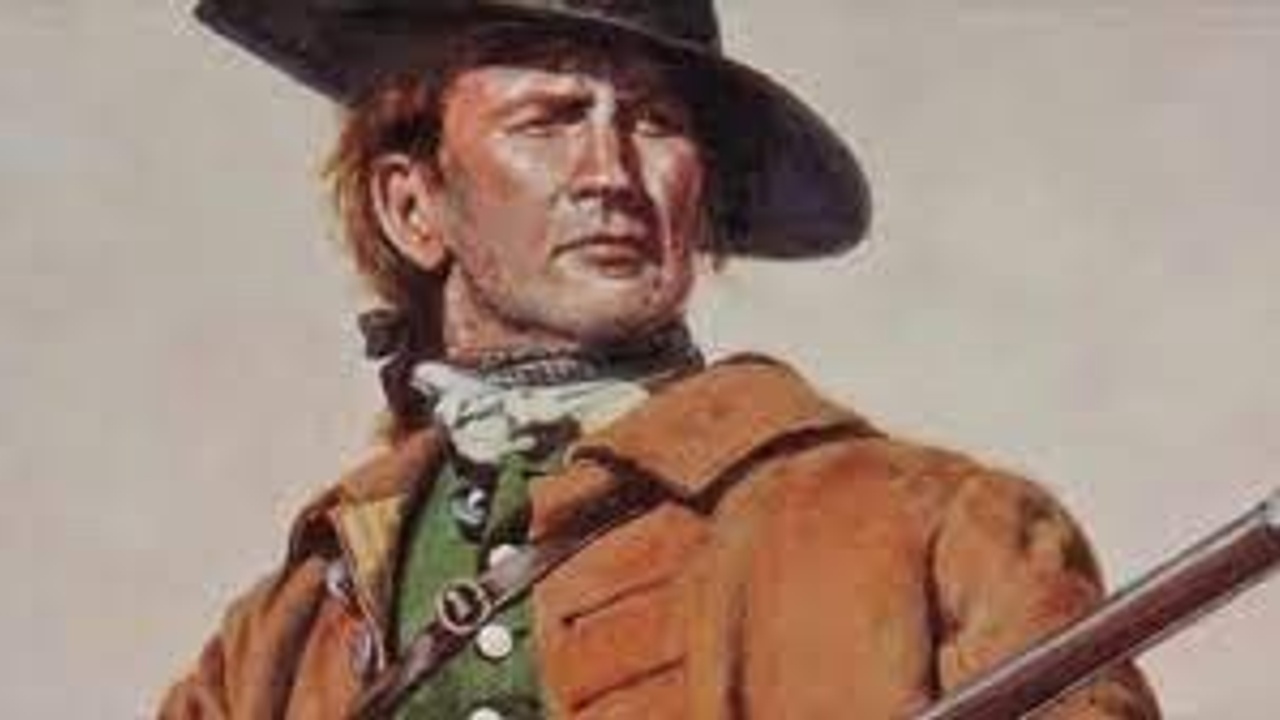
Samuel Whittemore: The Minuteman who Proved You're Never Too Old to Fight

The Battles of Lexington and Concord were the first military engagements of the American Revolutionary War, fought On This Day, April 19, 1775.

One of the more colorful veterans of that opening engagement was Samuel Whittemore.

No alt text provided for this image

Samuel Whittemore was in his mid-40s when he enlisted as a private in Colonel Jeremiah Moulton’s Third Massachusetts Regiment. He had fought in the French and Indian War, again fighting the French in Canada, and he even spent a brief period on board a ship that was hunting for a pirate.

He was always ready to drop his farming tools, pick up his weapons and march off to battle.

At the age of 64, in 1745, he was among the forces that stormed the French fortress at Louisburg, Nova Scotia, where he captured a fine, albeit gaudy and overdecorated, French saber that he would treasure the rest of his long life. As legend has it, Whittemore said that the former owner of the saber had "died suddenly," but furnished no further details.

As a young married man Sa

...
Continue Reading...

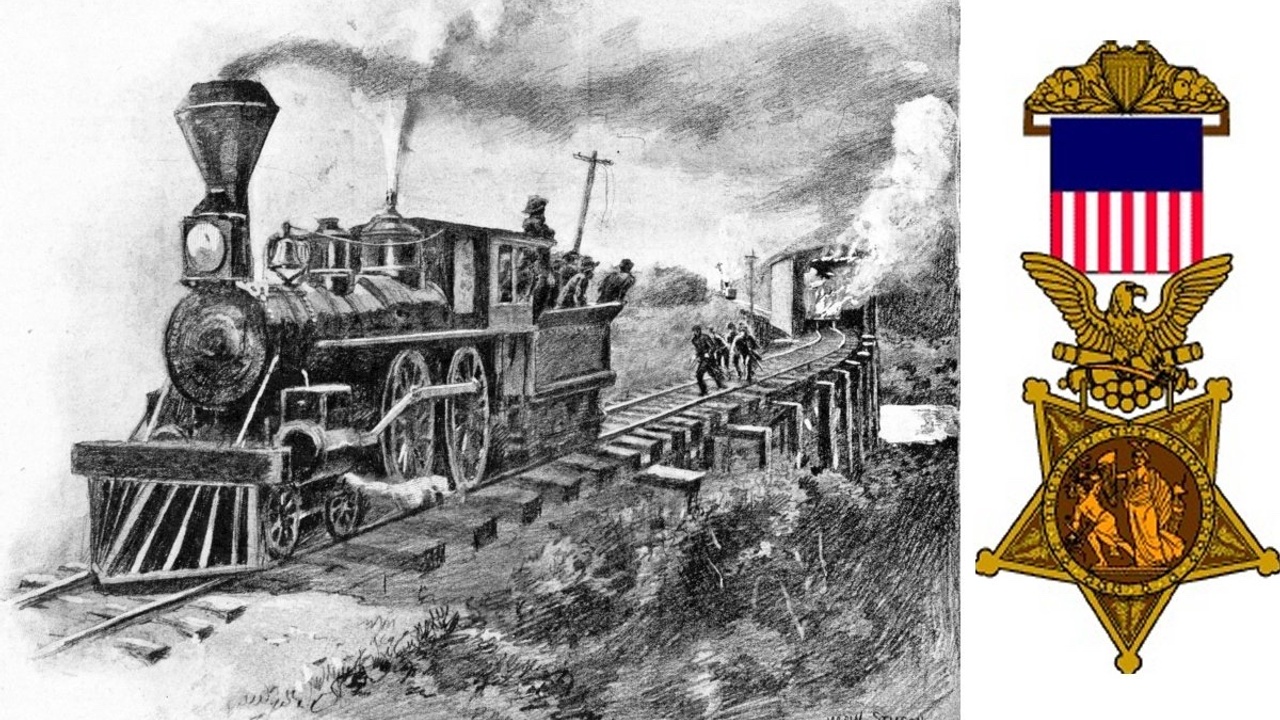
The Great Locomotive Chase and the First Recipients of the Medal of Honor

On This Day, April 12, 1862, Union soldiers and sympathizers steal a passenger train and take it from Atlanta, Georgia to Chattanooga, Tennessee sabotaging railway tracks, bridges, and telegraph lines along the way. They were pursued by Confederate troops, first on foot, then by handcar, and eventually by train. The raiders eventually ran out of wood for the steam engine and had to abandon the train, where they tried to escape on foot. The leader of the raid, civilian scout James J. Andrews, and his men were eventually captured. Eight of the men, including Andrews, were hanged. Six of the soldiers became the first to receive the Medal of Honor. However, Andrews was not eligible since he was a civilian.

The raid became known as "The Great Locomotive Chase.”

No alt text provided for this image

The Great Locomotive Chase has become a legendary, but still relatively little-known event that unfolded during the early years of the Civil War. It was an attempt by Union forces and sympathizers to destroy railroad infrastructu...

Continue Reading...

G.I. Joe Saved 1,000 Lives

The Bird, that is. Not the Action Figure.

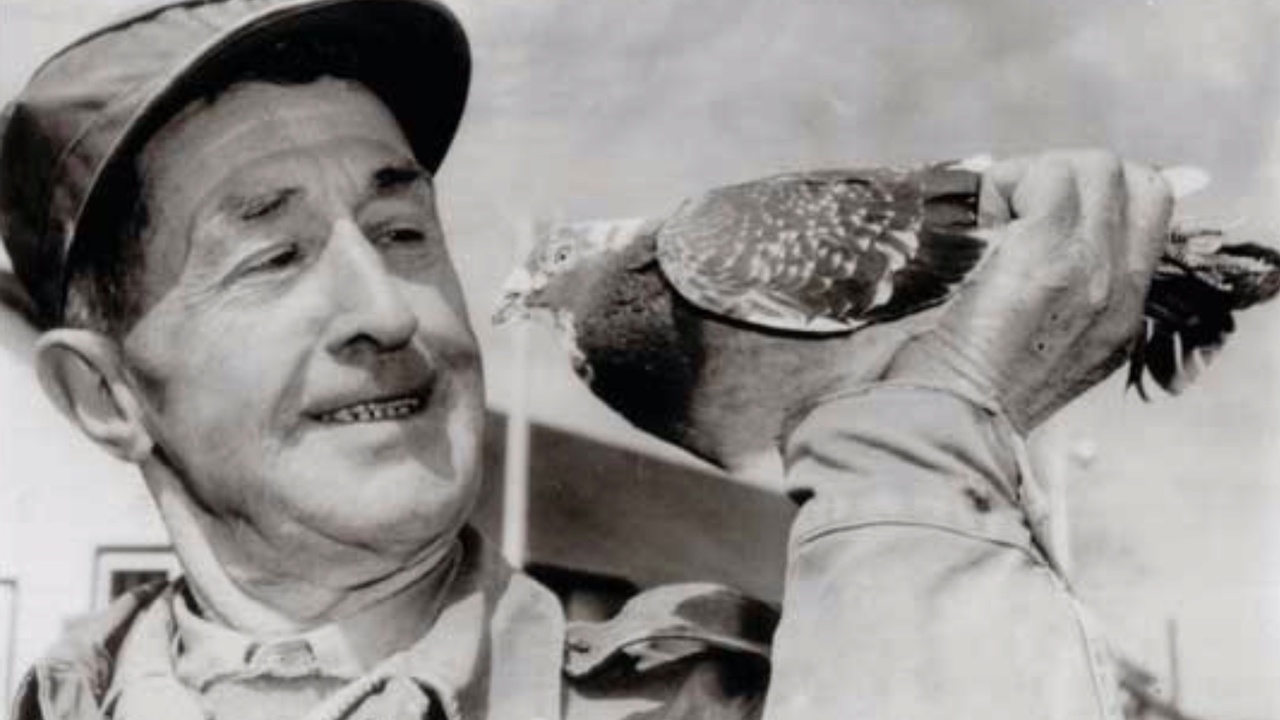
When their country has needed their services, carrier pigeons have answered the call of duty. Perhaps the most famous was G.I. Joe. He was an American carrier pigeon credited with saving over 100 British troops and 1000 civilians.

No alt text provided for this image

G.I. Joe was born (hatched) On This Day, March 24, 1943 in Algiers, North Africa.

He underwent his “basic training” for two-way homing pigeons that had been perfected at Fort Monmouth, in New Jersey. Homing pigeons were used during World War I and World War II for communication and reconnaissance purposes.

In the summer of 1917, shortly after America’s entry in World War I, the Army started a carrier pigeon service at 74 training camps and posts, including Camp Meade. (Camp Meade became a permanent fort in 1928.) The U.S. Army Pigeon Breeding and Training Center headquarters was at Fort Monmouth, NJ.

No alt text provided for this image

The training camps together housed over 10,000 pigeons, with another 15,000 trained birds sent to Europe for s...

Continue Reading...

The Still-Unsolved “Umbrella Assassination” in London

Because Bulgarian dissident, Georgi Markov was born this week, on March 1, 1929, I thought today would be a good say to tell his compelling, if tragic story.

No alt text provided for this image

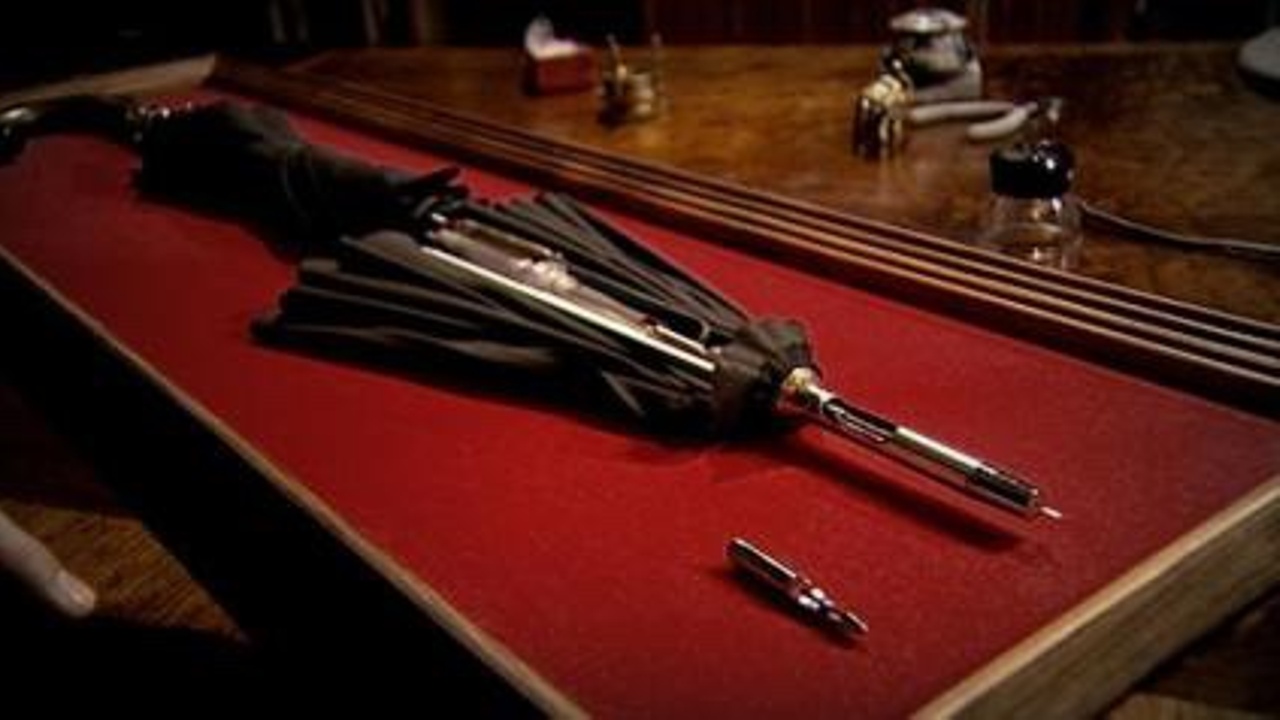
While waiting at a bus stop in London, he was stabbed with an umbrella that inserted a ricin-filled pellet. He died several days later. It’s believed that the KGB was behind the assassination at the request of the Bulgarian Secret Service, but no one has ever been charged with his murder.

Markov originally worked as a novelist, screenwriter, and playwright in Bulgaria, eventually defecting and relocating to London in 1968. He worked there as a broadcaster and journalist criticizing the Bulgarian regime.

No alt text provided for this image

After relocating to London, he worked as a broadcaster and journalist for the BBC World Service, the US-funded Radio Free Europe, and West Germany's Deutsche Welle. Markov used such forums to conduct a campaign of sarcastic criticism against the incumbent Bulgarian regime, which, according to his wife at the time he died, ev...

Continue Reading...

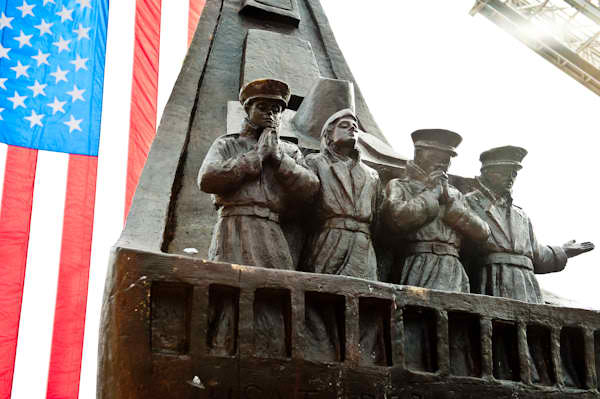
World War II: The Four Chaplains

 
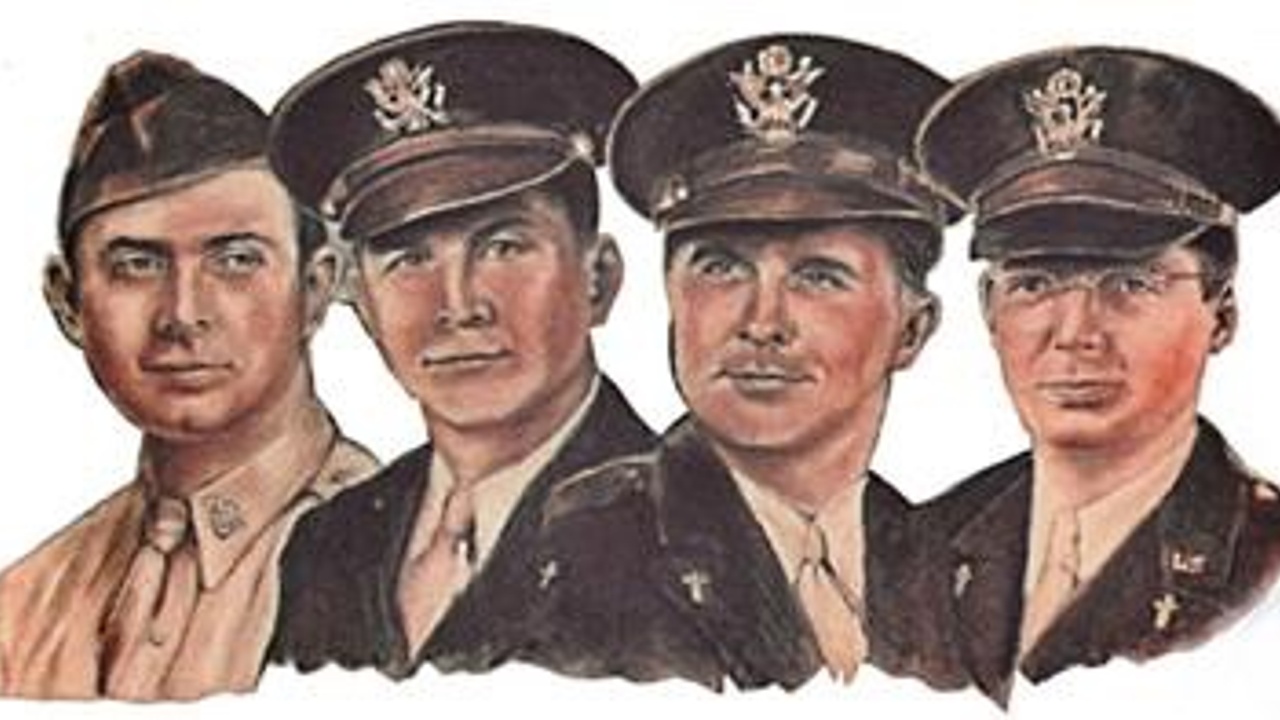
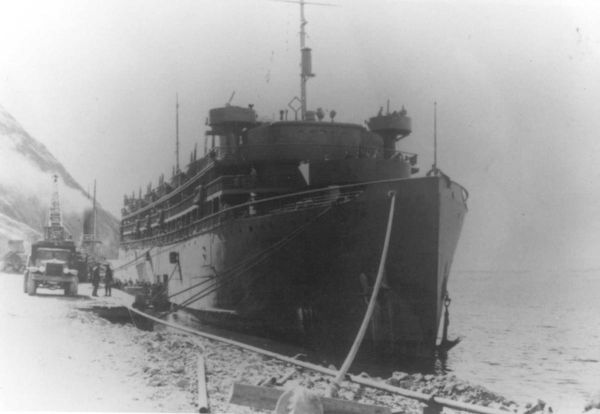
February 3, 1943. Four U.S. Army Chaplains die after giving up their life jackets to save others. At 12:55 am, the The Dorchester, a 5,649 ton civilian liner, is torpedoed by the German submarine U-223 off Newfoundland in the North Atlantic.
 
 
The torpedo knocks out the Dorchester's electrical system, leaving the ship dark. Panic sets in among the men on board, many of them trapped below decks. The chaplains calm the men and organize an orderly evacuation of the ship, and help guide wounded men to safety. As life jackets are passed out to the men, the supply runs out before each man has one.
 
 
The chaplains help others board lifeboats and give up their own life jackets when the supply runs out. The chaplains join arms, say prayers, and sing hymns as they go down with the ship.
 
“As I swam away from the ship, I looked back. The flares had lighted everything. The bow came up high and she slid under. The last thing I saw, the Four Chaplains were up th
...
Continue Reading...

Battle of Carentan: Purple Heart Lane


Just completed another "D-Day Experience" video program that discusses The Battle of Carentan and what became known by the Soldiers who fought there, as "Purple Heart Lane."

The objective of the attacking American forces was consolidation of the U.S. beachheads--Utah Beach and Omaha Beach--and establishing a continuous defensive line against the German counterattacks that were certain to follow.

This is an interesting battle and event to study--it features the first bayonet charge of World War II, a Medal of Honor to the man who led it, and multiple Distinguished Service Crosses.
It's also a very complex battle--primarily because of the series of bridges along the causeway into Carentan, the movements and maneuver, the logistics, personalities and key locations involved; not to mention the series of attacks and counterattacks that occurred over the course of those several days in June 1944--less than a week after D-Day. But one thing was as clear to those men and women then, as it is
...

Continue Reading...

Two Brothers at Normandy American Cemetery: Quentin and Theodore Roosevelt


75 years ago, today, Brigadier General Theodore Roosevelt, Jr. passed away from a heart attack in Normandy.

Ted and his younger brother Quentin were the sons of President Theodore Roosevelt. Ted was wounded at Soissons during the summer of 1918 and received the Distinguished Service Cross. In July of that year, Quentin was killed in combat.

As assistant division commander of the 4th Infantry Division, Ted led the first wave on Utah Beach on D-Day. For his actions, he was posthumously awarded the Medal of Honor.

Both Quentin and Ted are buried side-by-side at Normandy American Cemetery.

Here are their stories...

Continue Reading...
Close

50% Complete

Two Step

Lorem ipsum dolor sit amet, consectetur adipiscing elit, sed do eiusmod tempor incididunt ut labore et dolore magna aliqua.