Edward R. Murrow’s Story— and his Enduring Influence on Journalism

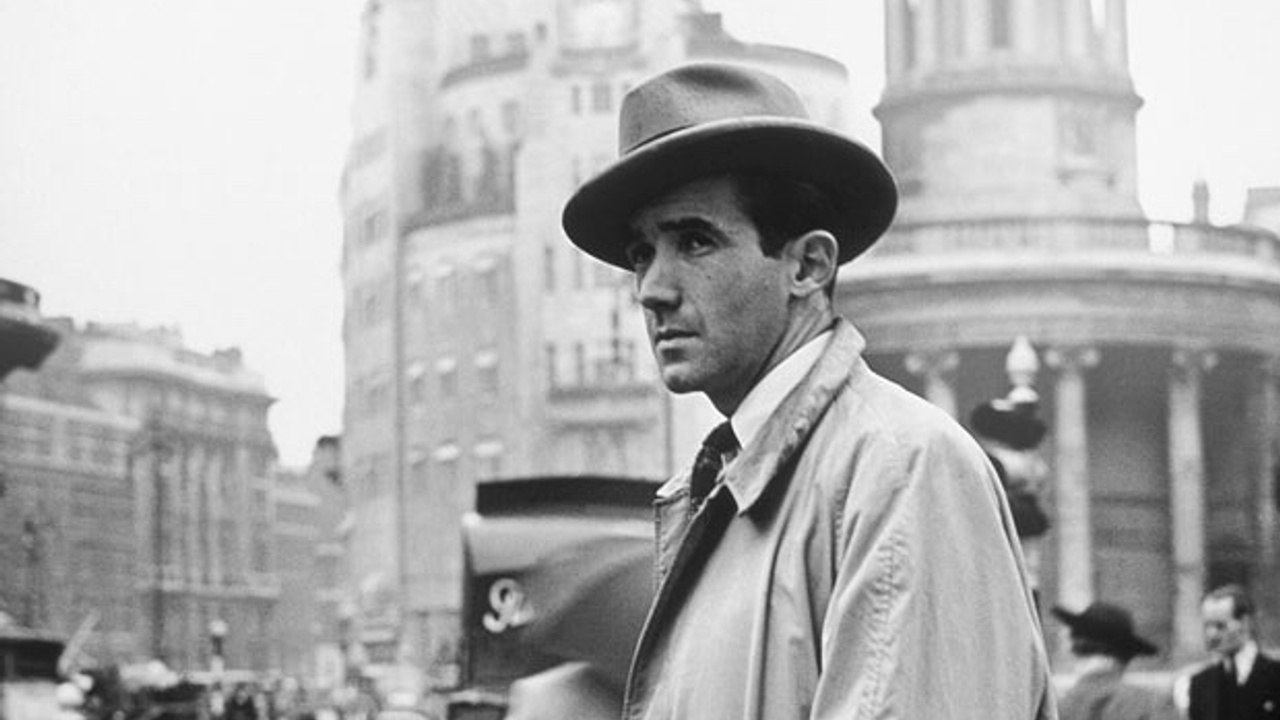
"Good night, and good luck”...It was a nightly close immortalized by Emmy-winning journalist Edward R. Murrow following each of his broadcasts. He gained prominence during World War II with live broadcasts from Europe. Reporting from the front, he flew with 25 combat missions in Europe during the war.

No alt text provided for this image

Edward R. Murrow brought rooftop reports of the Blitz of London into America's living rooms before this country entered World War II. After the war, Murrow and his team of reporters brought news to the new medium of television.

A pioneer of radio and television news broadcasting, Murrow produced a series of reports on his television program See It Now that helped lead to the censure of Senator Joseph McCarthy.

Murrow won four Peabody awards, the Medal of Freedom, and as an American was knighted an honorary commander of the Order of the British Empire.

Fellow journalists Eric Sevareid, Ed Bliss, Bill Downs, Dan Rather, and Alexander Kendrick consider Murrow one of journalism's gr

...
Continue Reading...

The Inventor of Long-Distance Television also invented the Color Fax and the Changeable Sign!

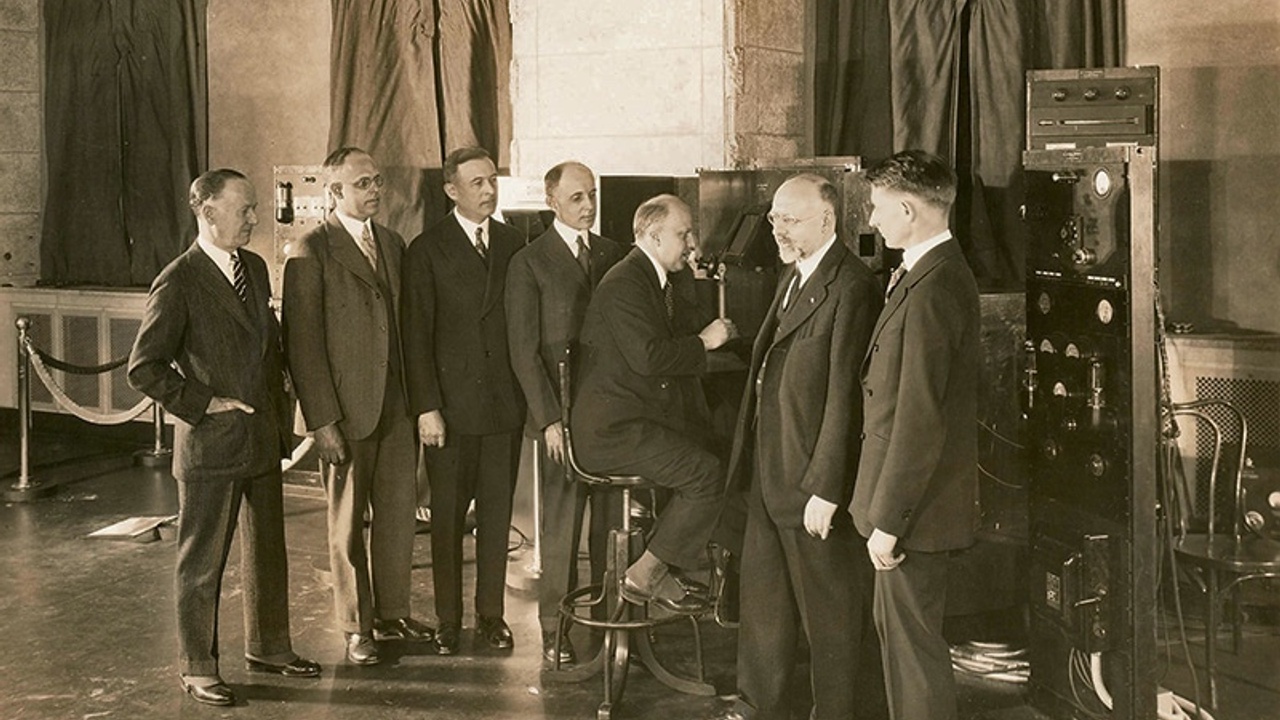
On This Day, April 7, 1927, Herbert Eugene Ives of Bell Laboratories and the inventor of long-distance television transmission, broadcasts a picture from Washington D.C. to New York, a distance of about 200 miles over telephone lines.

No alt text provided for this image

It was a speech by then U.S. Secretary of Commerce and future U.S. President Herbert Hoover announcing, "Today we have, in a sense, the transmission of sight for the first time in the world's history. Human genius has now destroyed the impediment of distance in a new respect, and in a manner hitherto unknown."

No alt text provided for this image

Ives was born on July 31, 1882 in Philadelphia to Frederic Eugene Ives and Mary Olmstead. He studied at the University of Pennsylvania.

Just like his father, Herbert Ives became an expert in color photography. His main point of interest was aerial photography. He was also an avid coin collector.

In 1903, Ives patented the technique for the "Changeable Sign", which showed different pictures from different angles.

He continued his studies at ...

Continue Reading...
Close

50% Complete

Two Step

Lorem ipsum dolor sit amet, consectetur adipiscing elit, sed do eiusmod tempor incididunt ut labore et dolore magna aliqua.