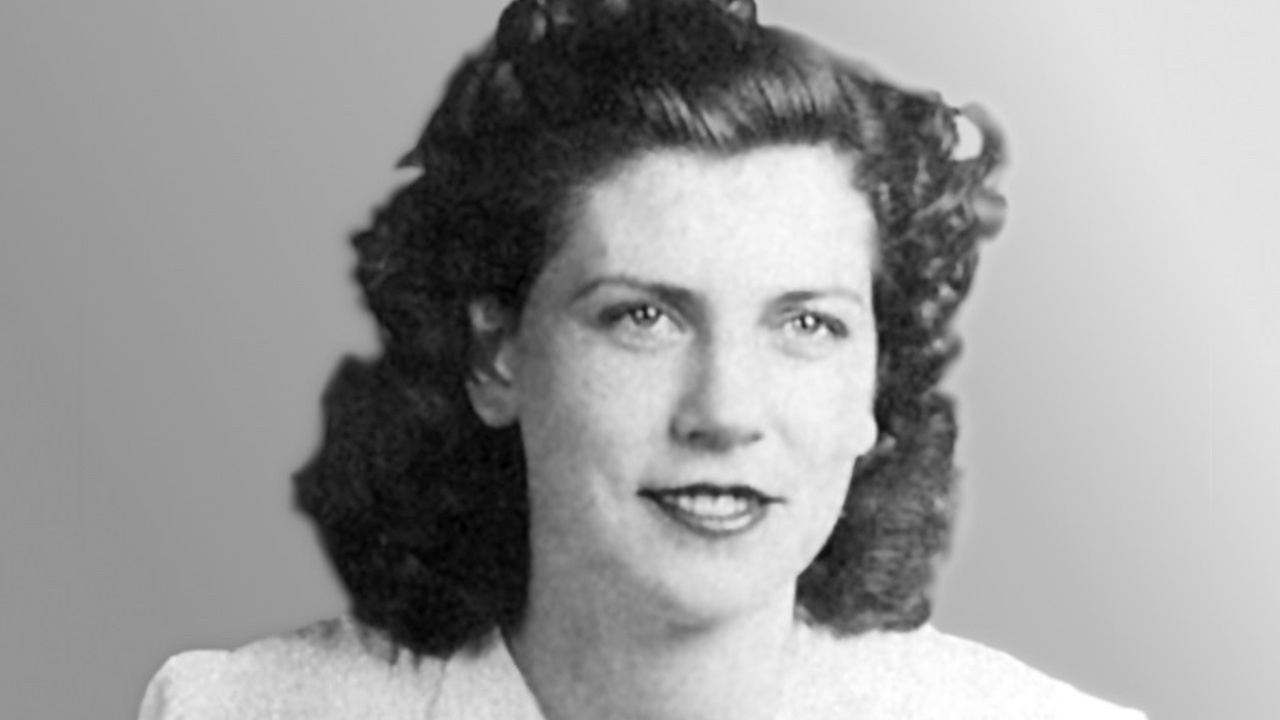
Margaret Knight, Inventor of the Paper Grocery Bag (and 87 other Inventions)

In her time, she was called "the most famous woman inventor,” but today, chances are, you’ve never even heard of Margaret Eloise Knight. It’s unfortunate, because If you do any grocery shopping, you have her to thank for making it so much easier. Her invention created a product that is as unassuming as it is ubiquitous.

A self-taught engineer, Margaret Knight invented the machine to produce flat-bottomed paper bags, and then founded the Eastern Paper Bag Company in 1870, creating paper bags for groceries very similar to the ones used today.

During her lifetime, as a woman-inventor during the late 19th and early 20th Centuries, she overcame a surprising amount of adversity to achieve both her goals and the recognition she deserved—at a time when few women held intellectual property. Here is her story…

Early Years and Early Inventions

Margaret E. Knight was born in York, Maine on February 14, 1838 to Hannah Teal and James Knight. After her father died, “Mattie,” as her parents nickna...

Continue Reading...

Jacqueline Cochran: Aviation Pioneer

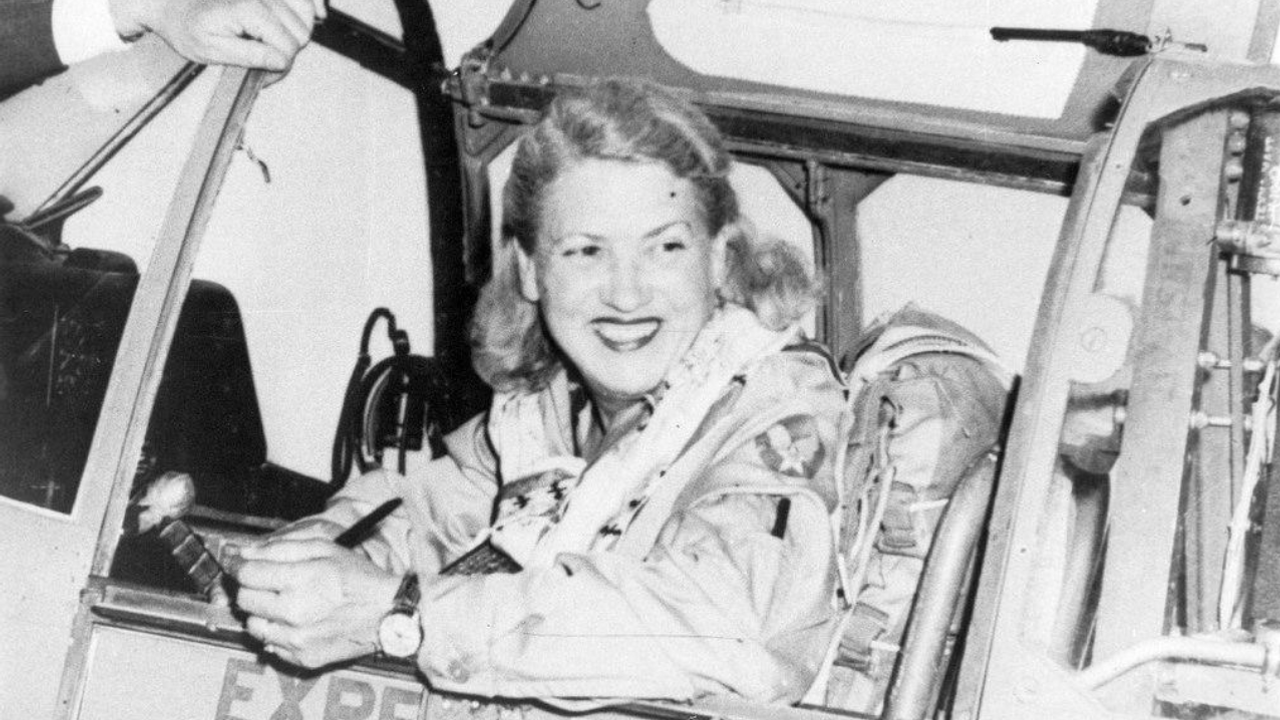
Jacqueline Cochran was an American pilot and business executive who pioneered women's aviation—and she was one of the most prominent racing pilots of her generation.

Jackie Cochran rose to become one of history’s most accomplished female aviators.

As an aviation pioneer, her life was characterized by a series of “Firsts”: she was the first civilian awarded the U.S. Distinguished Service Medal; the first woman to break the sound barrier (1953); the first woman to break Mach 2 (1960); the first woman to pilot a bomber across the North Atlantic (1941); the first woman inducted into the Aviation Hall of Fame; the first pilot to make an instrument landing; the first woman President of the Federation Aeronautique lnt'l; and the first pilot to fly above 20,000 feet with an oxygen mask; the first woman to compete in the famous Bendix Trophy Transcontinental Race across the U.S. (1934)—and was the first woman to win it (1938).

Cochran was the wartime head of the Women Airforce Serv

...
Continue Reading...

Sir John Herschel: The Preeminent Astronomer who also Invented the Blueprint...and much more!

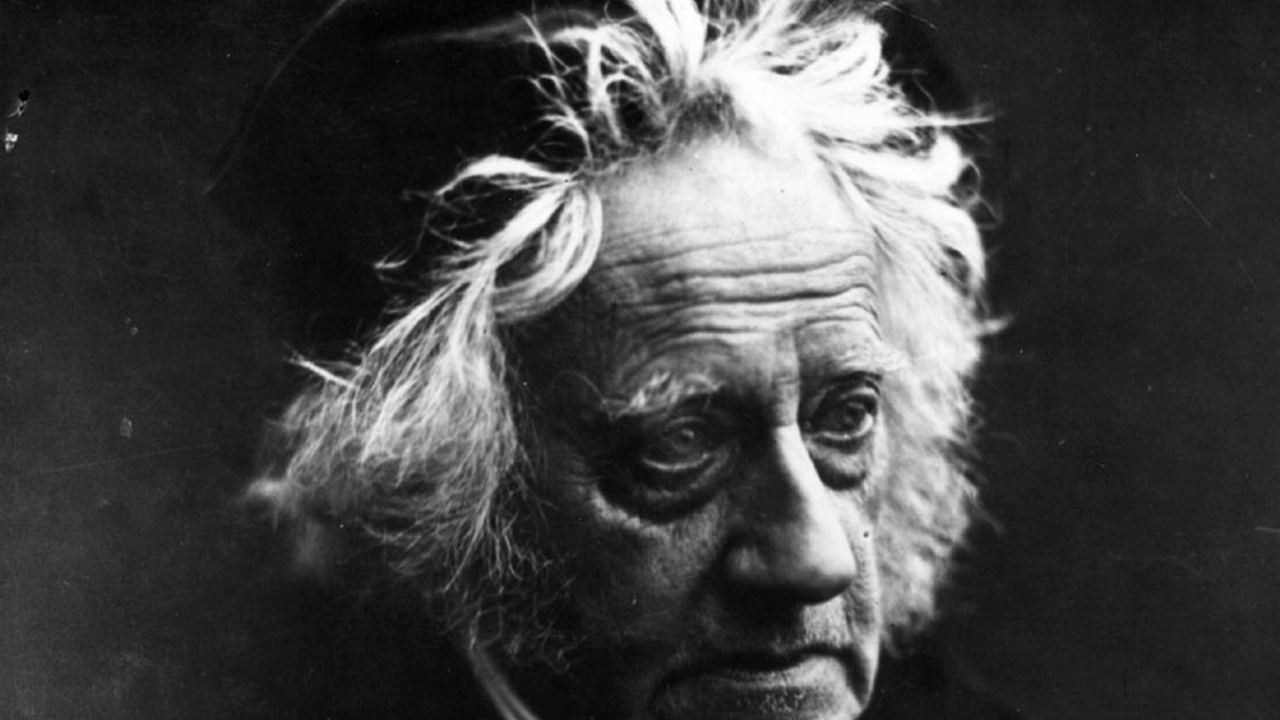
Sir John Herschel was Victorian England’s scientist, astronomer, pioneer photographer, and mathematician, often considered the equal of Sir Isaac Newton. 

Among many other achievements, He was also a chemist and inventor, experimental photographer who invented the blueprint in 1842, which allowed for the rapid, and accurate, production of an unlimited number of copies of technical drawings.

Herschel originated the use of the Julian day system in astronomy. He named seven moons of Saturn and four moons of Uranus – the seventh planet, discovered by his father Sir William Herschel. 

He made many contributions to the science of photography when it first emerged in 1839.

A full appreciation of Sir John Herschel and all of his contributions that continue to positively impact us today, however, can be gained with even a cursory review of his life story.

No alt text provided for this image

Early life

Sir John Frederick William Herschel was the only child of Mary Pitt and the respected, British astronomer, William

...
Continue Reading...

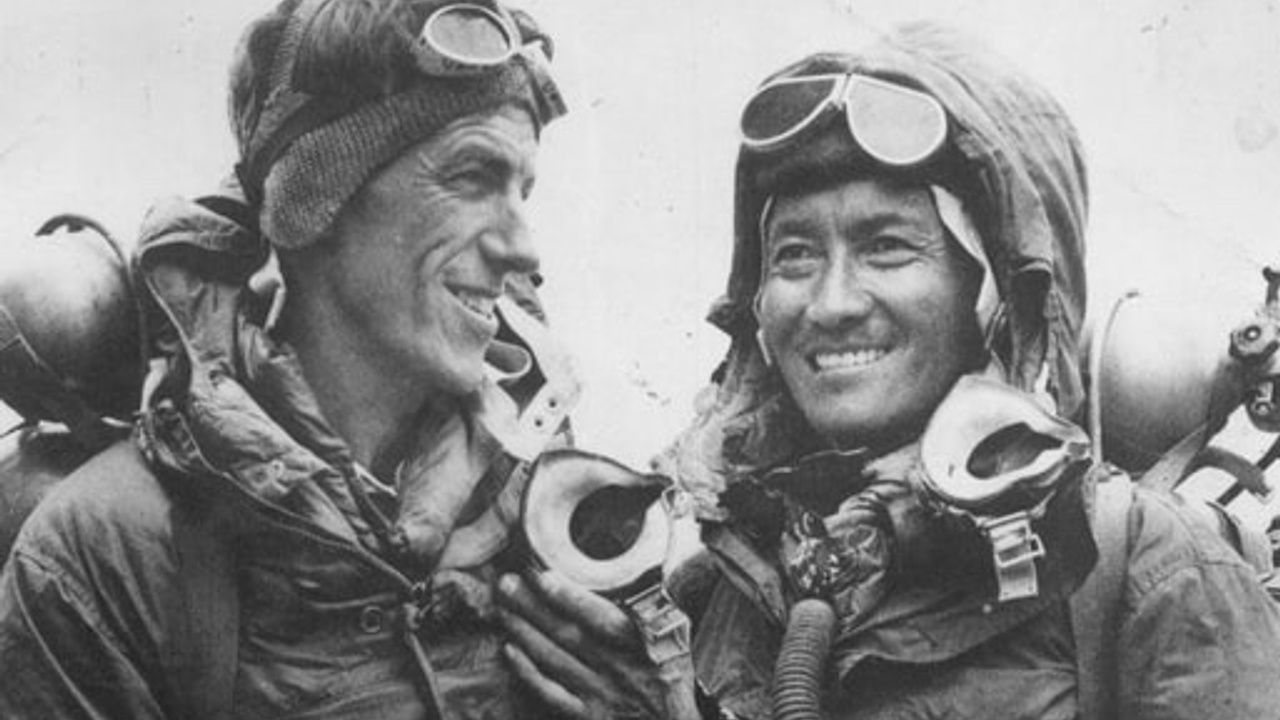
Tenzing Norgay: Master Sherpa and Sirdar of Mount Everest

If there was ever anyone who deserved to get to the summit of Mount Everest first, it was Sherpa Tenzing Norgay.
No alt text provided for this image

Still, today, he’s the most famous and respected citizen of the Indian hill town of Darjeeling. He spoke 7 languages, but never learned how to write.

He became an ambassador of Sherpa mountaineering, best known for being one of the two men who first reached the summit of Mount Everest.

At 11:30 a.m. on May 29, 1953, Tenzing Norgay and Edmund Hillary of New Zealand, became the first explorers to reach the rooftop of the world at 29,035 feet above sea level— the highest point on earth.

No alt text provided for this image

At that moment, Tenzing Norgay had no idea how his life would ultimately change. His story goes well beyond the Summit of Mount Everest.

Time would name Norgay as one of the 100 most influential people of the 20th century.

The Life of Tenzing Norgay

No alt text provided for this image

There are conflicting accounts of Norgay's early life. The account given in his autobiography is that he was a born in Tibet,

...
Continue Reading...

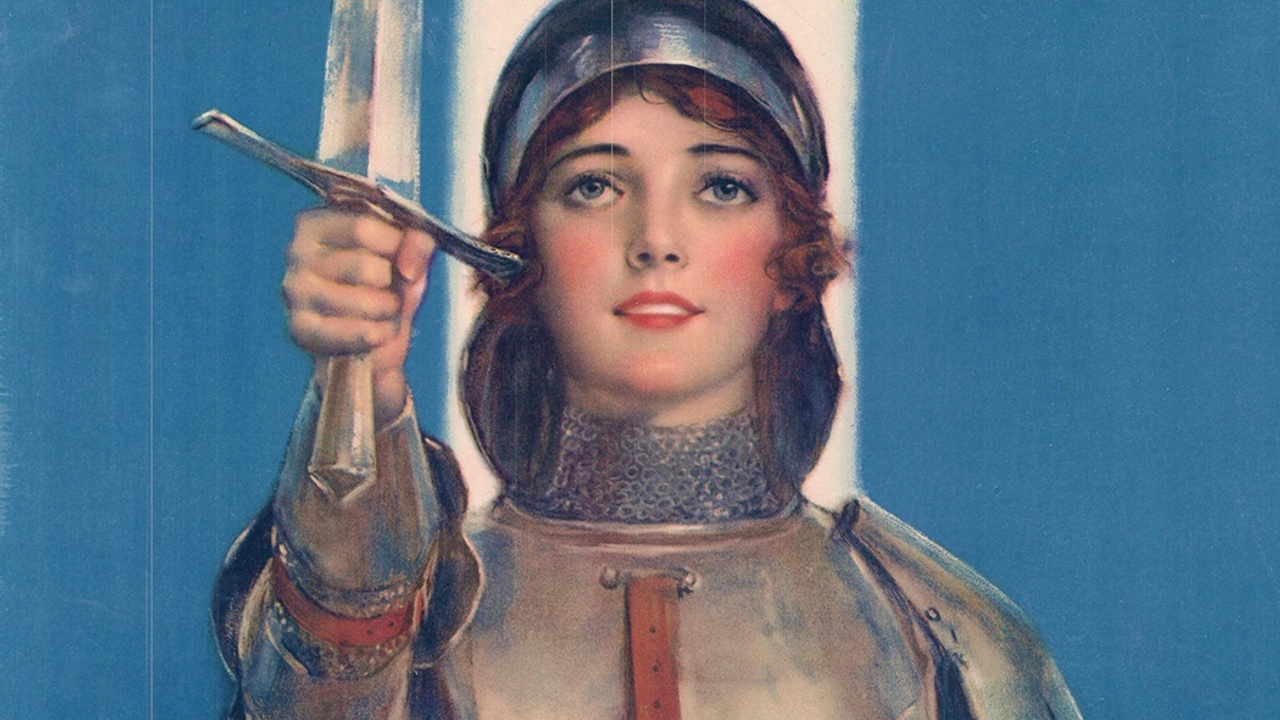
Joan of Arc: The Short but Eventful life of the Maid of Lorraine

This is a good time to remind ourselves about the life and death of Joan of Arc, because it was on May 9, 1920, that Joan of Arc was canonized by Pope Benedict XV. This is also the month she was executed. She led the French armies against the English during the Hundred Years' War. After seeing the prince crowned King Charles VII, Joan was captured by Anglo-Burgundian forces, tried for witchcraft and heresy and burned at the stake in 1431, at the age of 19. By the time she was officially canonized in 1920, the Maid of Orléans, as she was known, had long been considered one of history’s greatest saints, and an enduring symbol of French unity and nationalism. Also nicknamed the "Maid of Lorraine," Joan of Arc is considered a heroine of France for her role during the Hundred Years War.

No alt text provided for this image

Born around 1412, Jeanne d’Arc (or in English, Joan of Arc) was the daughter of Jacques d’Arc and Isabelle Romée, a peasant family from the village of Domrémy, in northeastern France.

No alt text provided for this image

During th

...
Continue Reading...

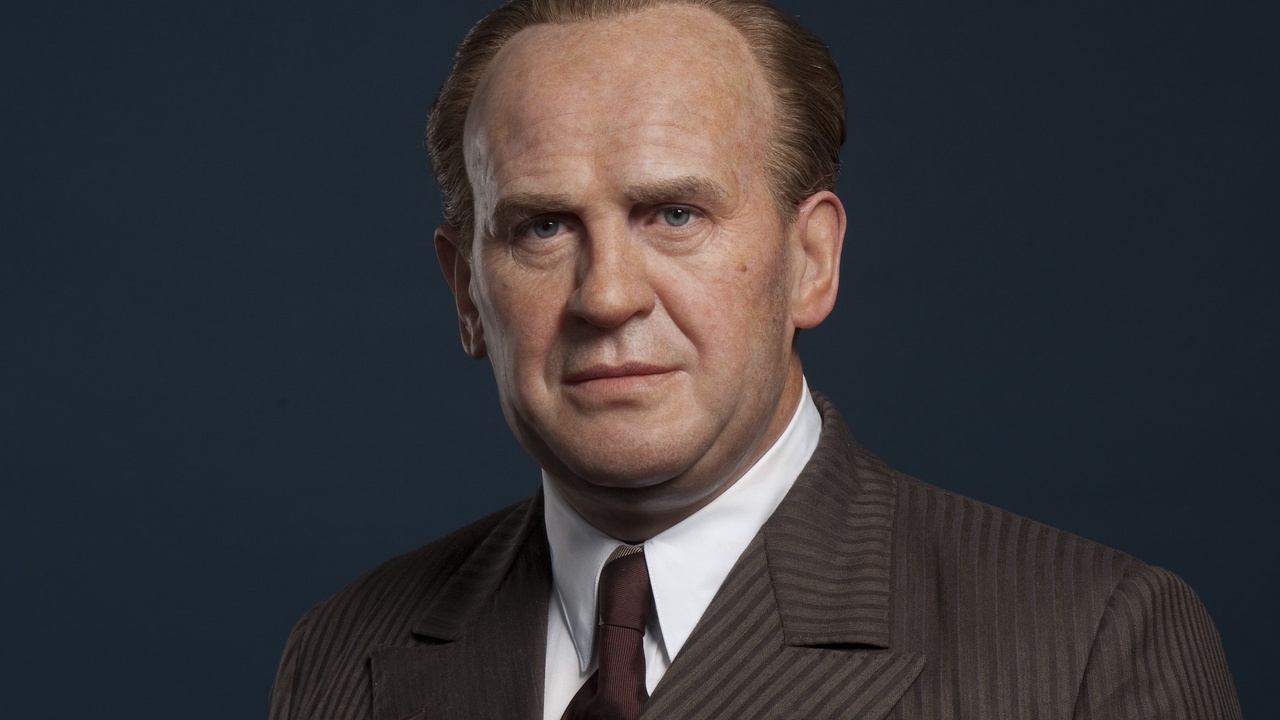
Oskar Schindler: The Man Who Outwitted Adolph Hitler

An opportunist businessman with a taste for the finer things in life, Oskar Schindler seemed an unlikely candidate to become a wartime rescuer—and he was, indeed, a long way from perfect—but during World War II, he rescued more than 1,000 Jews from deportation to Auschwitz—Nazi Germany's largest camp complex.

In many ways, it is the imperfections in Oskar Schindler’s character and the nuances in the historical record that make his story even more remarkable.

No alt text provided for this image

Oskar Schindler was born on April 28, 1908, in Svitavy (or Zwittau), Moravia, at that time a province of the Austro-Hungarian Monarchy. An ethnic German and a Catholic, he remained in Svitavy during the interwar period and held Czech citizenship after Moravia was incorporated into the newly established Czechoslovak Republic in 1918.

Schindler grew up in Zwittau, Moravia, and worked in several trades.

His father was Johann "Hans" Schindler, the owner of a farm machinery business, and his mother was Franziska "Fanny" Schindler....

Continue Reading...

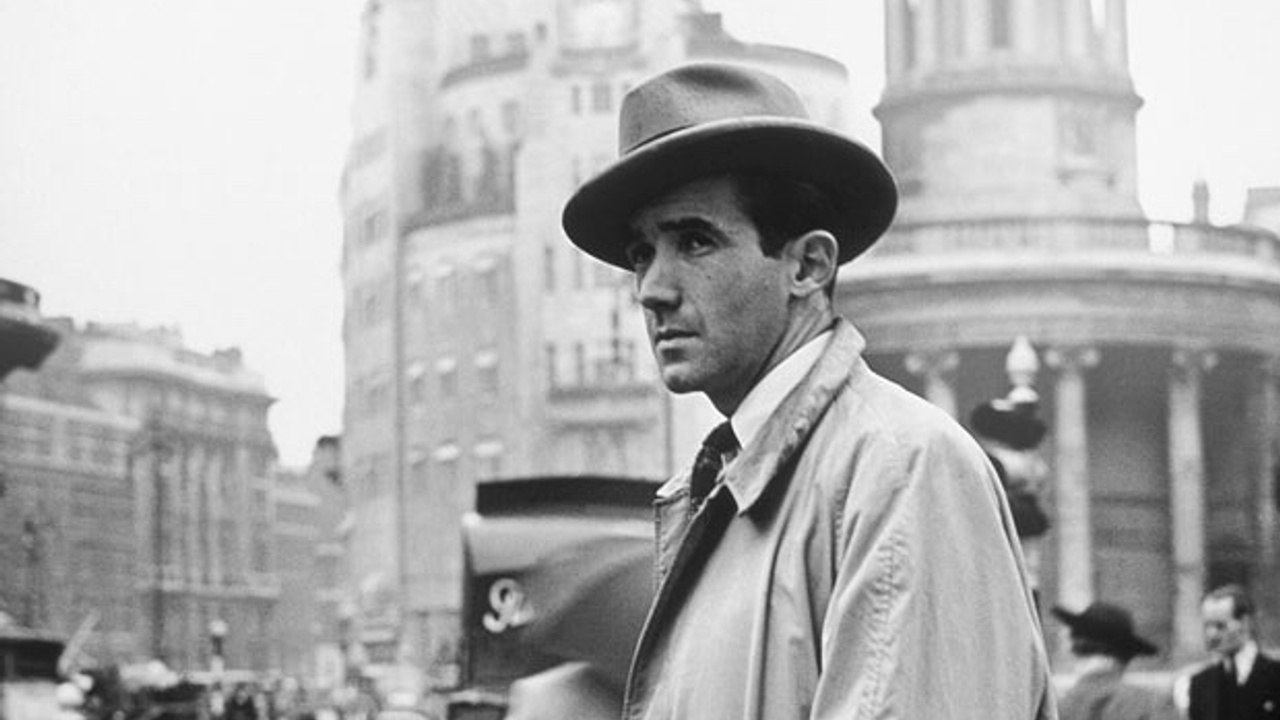
Edward R. Murrow’s Story— and his Enduring Influence on Journalism

"Good night, and good luck”...It was a nightly close immortalized by Emmy-winning journalist Edward R. Murrow following each of his broadcasts. He gained prominence during World War II with live broadcasts from Europe. Reporting from the front, he flew with 25 combat missions in Europe during the war.

No alt text provided for this image

Edward R. Murrow brought rooftop reports of the Blitz of London into America's living rooms before this country entered World War II. After the war, Murrow and his team of reporters brought news to the new medium of television.

A pioneer of radio and television news broadcasting, Murrow produced a series of reports on his television program See It Now that helped lead to the censure of Senator Joseph McCarthy.

Murrow won four Peabody awards, the Medal of Freedom, and as an American was knighted an honorary commander of the Order of the British Empire.

Fellow journalists Eric Sevareid, Ed Bliss, Bill Downs, Dan Rather, and Alexander Kendrick consider Murrow one of journalism's gr

...
Continue Reading...

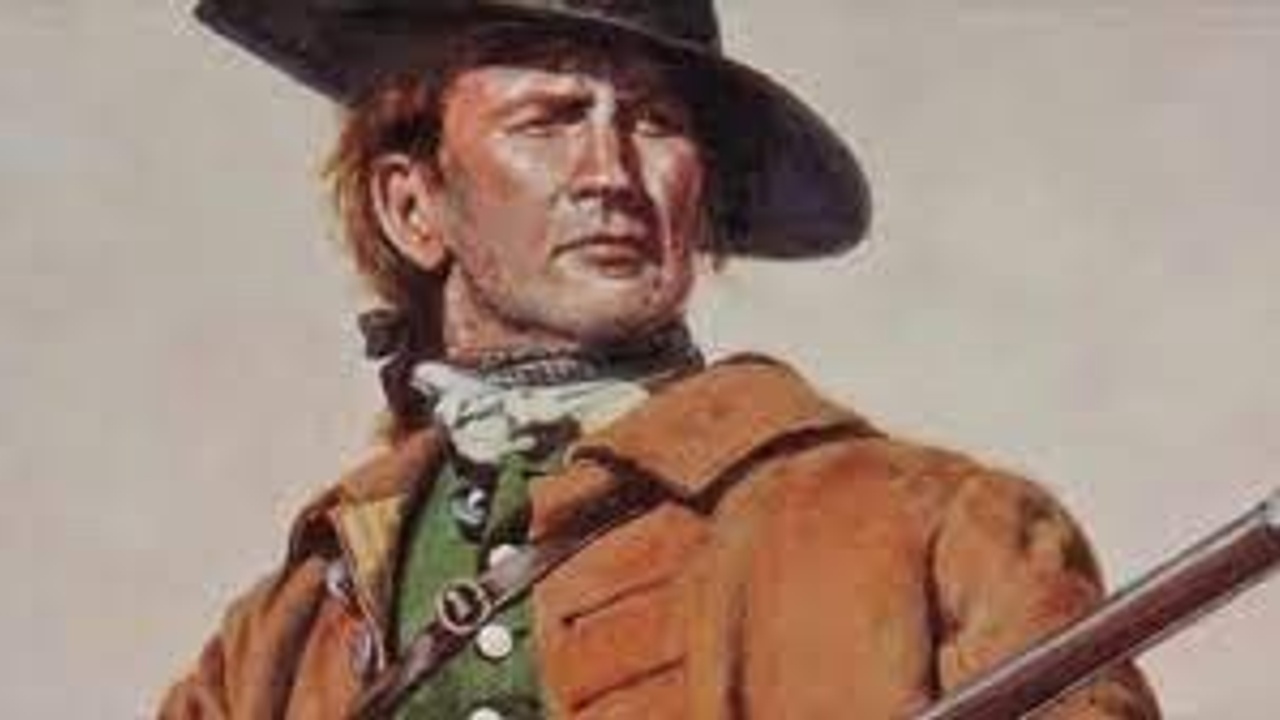
Samuel Whittemore: The Minuteman who Proved You're Never Too Old to Fight

The Battles of Lexington and Concord were the first military engagements of the American Revolutionary War, fought On This Day, April 19, 1775.

One of the more colorful veterans of that opening engagement was Samuel Whittemore.

No alt text provided for this image

Samuel Whittemore was in his mid-40s when he enlisted as a private in Colonel Jeremiah Moulton’s Third Massachusetts Regiment. He had fought in the French and Indian War, again fighting the French in Canada, and he even spent a brief period on board a ship that was hunting for a pirate.

He was always ready to drop his farming tools, pick up his weapons and march off to battle.

At the age of 64, in 1745, he was among the forces that stormed the French fortress at Louisburg, Nova Scotia, where he captured a fine, albeit gaudy and overdecorated, French saber that he would treasure the rest of his long life. As legend has it, Whittemore said that the former owner of the saber had "died suddenly," but furnished no further details.

As a young married man Sa

...
Continue Reading...

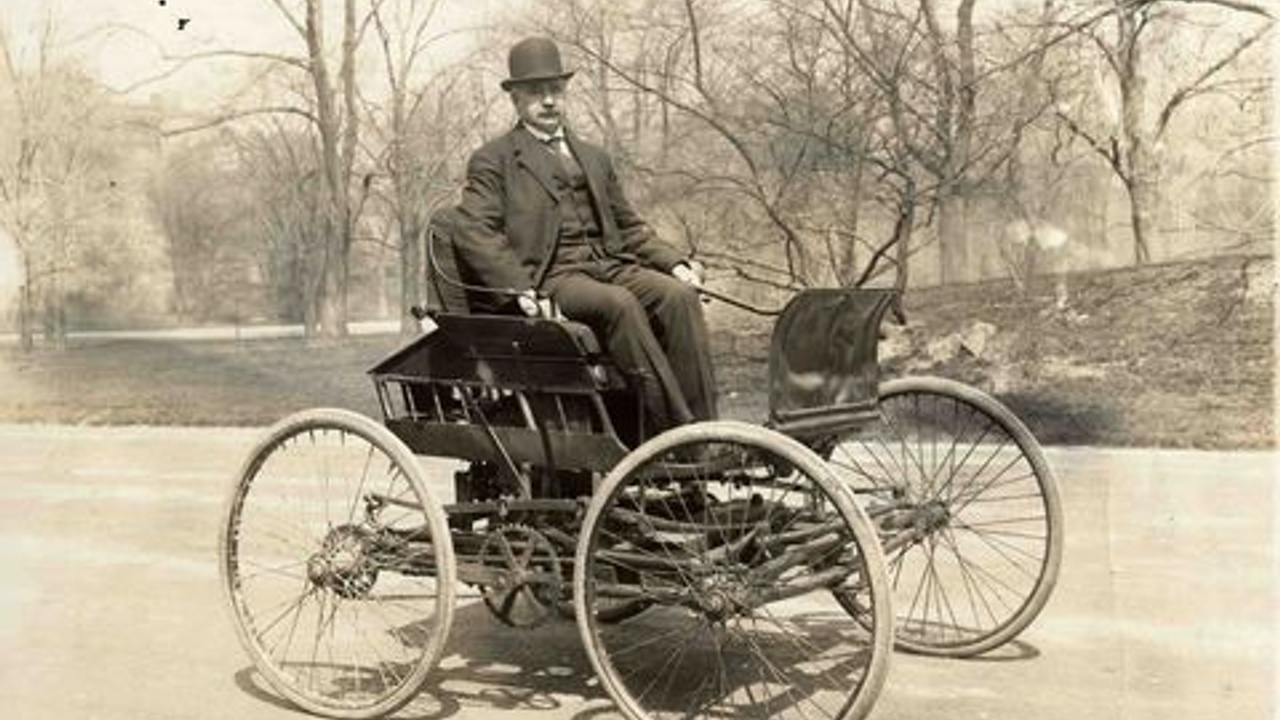
The Inventor of the First Mass Produced Car also Invented Stainless Steel Cutlery—and Oversaw Construction of the First Long-Distance Natural Gas Pipe

American inventor, metallurgist, automotive pioneer, entrepreneur and industrialist, Elwood Haynes developed and built one of the first automobiles. For anyone, that would be more than enough for a lifetime achievement—but he was responsible for so many more invaluable contributions that endure to this day.

No alt text provided for this image

Haynes was born on October 14, 1857, in Portland, Indiana, the fifth of ten children of Jacob M. Haynes and Hilinda S. Haines Haynes. His family was of English descent.

Both of Haynes' parents were dedicated Presbyterians and outspoken prohibitionists and educated their children from a young age to avoid liquor. His mother was the founder of a local Women's Temperance Movement Union. His paternal grandfather Henry Haynes was a gunsmith and mechanic, and tutored Haynes about metallurgy. In 1866, the family moved from their two-room house in Portland into the countryside outside of town where they purchased a larger home to better accommodate their growing number of children.

No alt text provided for this image

A...

Continue Reading...

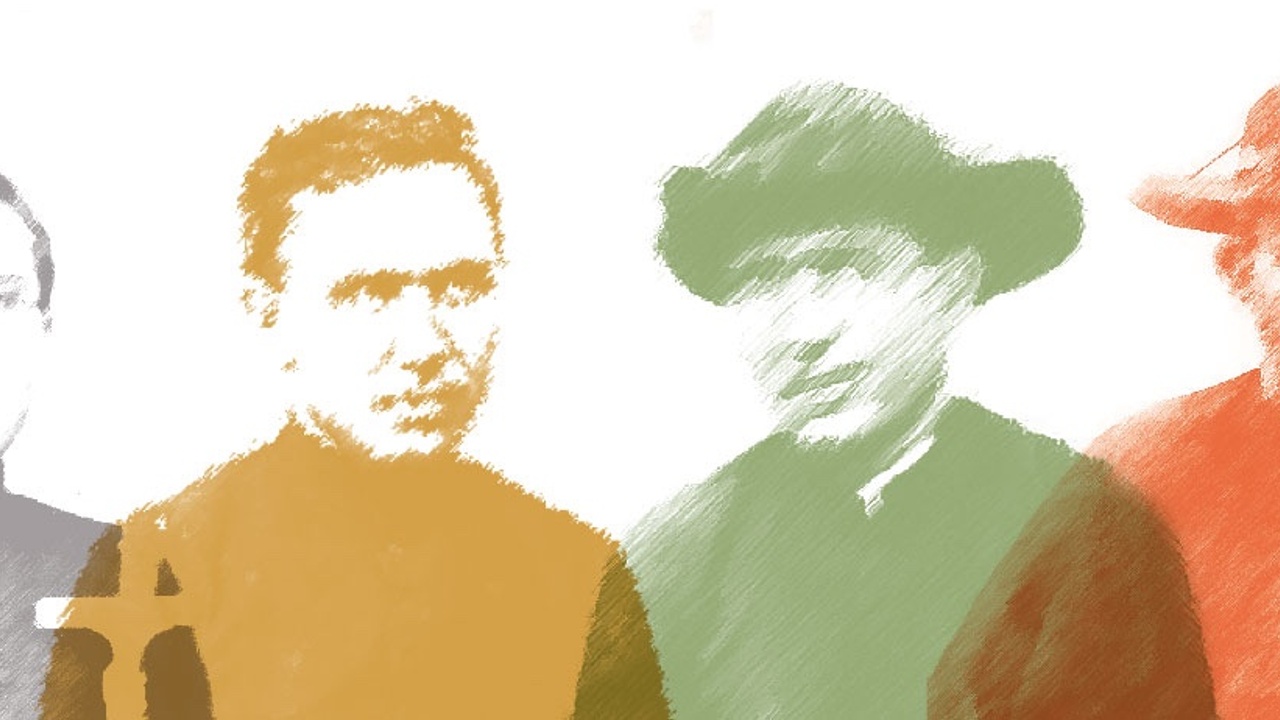
Father Damien’s Legacy: Leader by Example & "Martyr of Charity"​

Father Damien was born Jozef De Veuster, was a Roman Catholic priest from Belgium, and missionary who dedicated his life to the lepers of Hawaii and eventually contracted the disease himself. He was declared a Saint by the Catholic Church. Father Damien has been described as a "martyr of charity". In the Anglican Communion and other Christian denominations, Damien is considered the spiritual patron for leprosy and outcasts.

No alt text provided for this image

Jozef De Veuster was the youngest of seven children and fourth son of the Flemish corn merchant Joannes Franciscus ("Frans") De Veuster and his wife Anne-Catherine ("Cato") Wouters in the village of Tremelo in Flemish Brabant in rural Belgium on 3 January 1840. His older sisters Eugénie and Pauline became nuns, and his older brother Auguste (Father Pamphile) joined the Congregation of the Sacred Hearts of Jesus and Mary (Picpus Fathers).

Jozef was forced to quit school at age 13 to work on the family farm.

His father, a small farmer, sent him to a college a

...
Continue Reading...
1 2 3
Close

50% Complete

Two Step

Lorem ipsum dolor sit amet, consectetur adipiscing elit, sed do eiusmod tempor incididunt ut labore et dolore magna aliqua.