Jacqueline Cochran: Aviation Pioneer

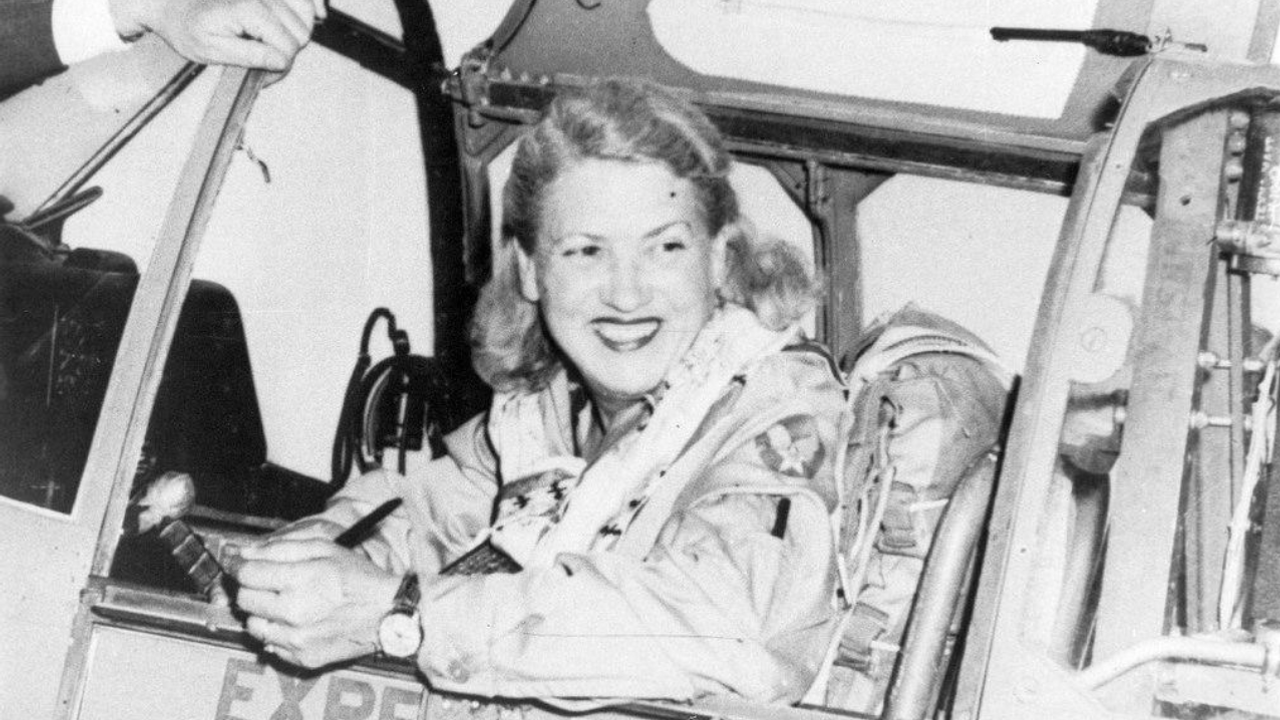
Jacqueline Cochran was an American pilot and business executive who pioneered women's aviation—and she was one of the most prominent racing pilots of her generation.

Jackie Cochran rose to become one of history’s most accomplished female aviators.

As an aviation pioneer, her life was characterized by a series of “Firsts”: she was the first civilian awarded the U.S. Distinguished Service Medal; the first woman to break the sound barrier (1953); the first woman to break Mach 2 (1960); the first woman to pilot a bomber across the North Atlantic (1941); the first woman inducted into the Aviation Hall of Fame; the first pilot to make an instrument landing; the first woman President of the Federation Aeronautique lnt'l; and the first pilot to fly above 20,000 feet with an oxygen mask; the first woman to compete in the famous Bendix Trophy Transcontinental Race across the U.S. (1934)—and was the first woman to win it (1938).

Cochran was the wartime head of the Women Airforce Serv

...
Continue Reading...

Edward R. Murrow’s Story— and his Enduring Influence on Journalism

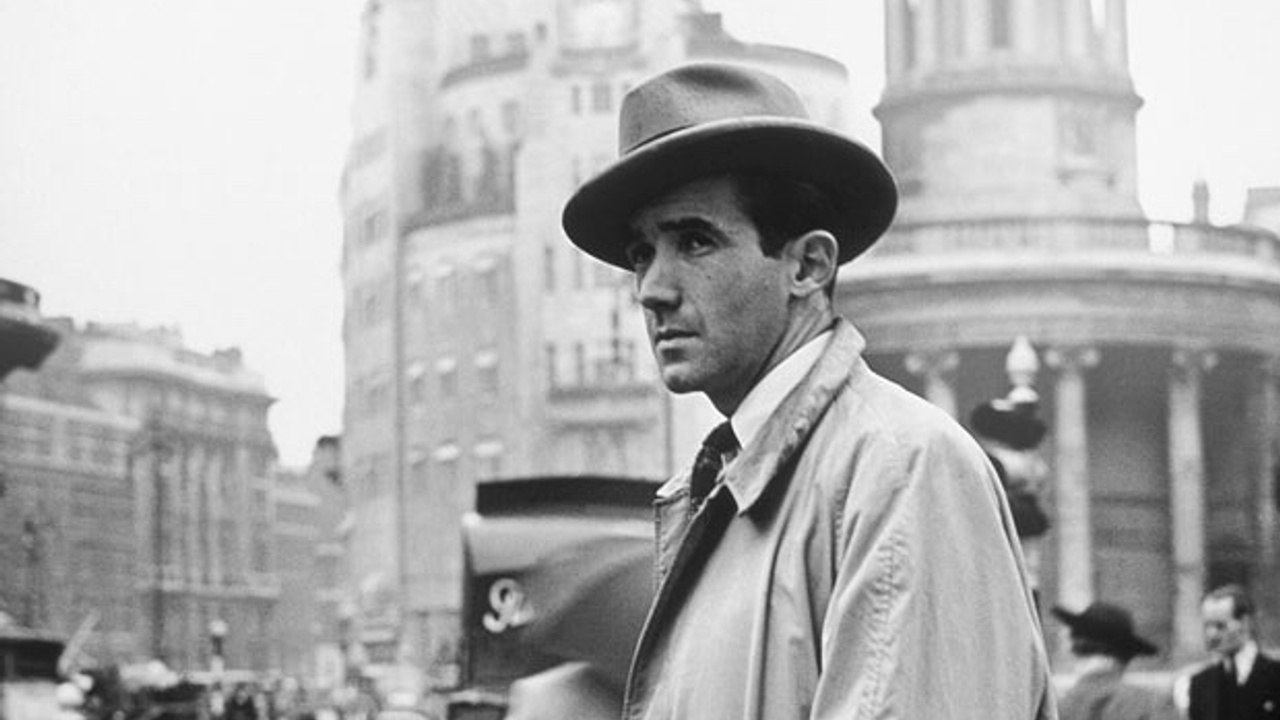
"Good night, and good luck”...It was a nightly close immortalized by Emmy-winning journalist Edward R. Murrow following each of his broadcasts. He gained prominence during World War II with live broadcasts from Europe. Reporting from the front, he flew with 25 combat missions in Europe during the war.

No alt text provided for this image

Edward R. Murrow brought rooftop reports of the Blitz of London into America's living rooms before this country entered World War II. After the war, Murrow and his team of reporters brought news to the new medium of television.

A pioneer of radio and television news broadcasting, Murrow produced a series of reports on his television program See It Now that helped lead to the censure of Senator Joseph McCarthy.

Murrow won four Peabody awards, the Medal of Freedom, and as an American was knighted an honorary commander of the Order of the British Empire.

Fellow journalists Eric Sevareid, Ed Bliss, Bill Downs, Dan Rather, and Alexander Kendrick consider Murrow one of journalism's gr

...
Continue Reading...

G.I. Joe Saved 1,000 Lives

The Bird, that is. Not the Action Figure.

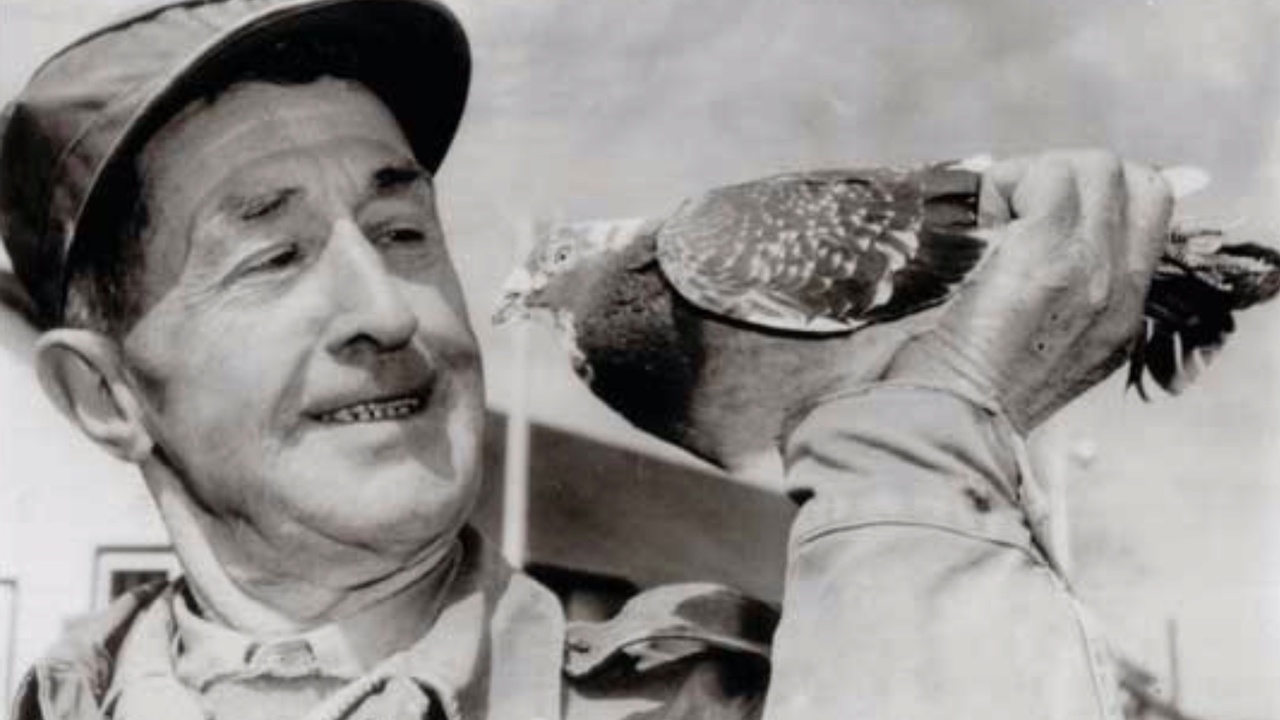
When their country has needed their services, carrier pigeons have answered the call of duty. Perhaps the most famous was G.I. Joe. He was an American carrier pigeon credited with saving over 100 British troops and 1000 civilians.

No alt text provided for this image

G.I. Joe was born (hatched) On This Day, March 24, 1943 in Algiers, North Africa.

He underwent his “basic training” for two-way homing pigeons that had been perfected at Fort Monmouth, in New Jersey. Homing pigeons were used during World War I and World War II for communication and reconnaissance purposes.

In the summer of 1917, shortly after America’s entry in World War I, the Army started a carrier pigeon service at 74 training camps and posts, including Camp Meade. (Camp Meade became a permanent fort in 1928.) The U.S. Army Pigeon Breeding and Training Center headquarters was at Fort Monmouth, NJ.

No alt text provided for this image

The training camps together housed over 10,000 pigeons, with another 15,000 trained birds sent to Europe for s...

Continue Reading...

“They melt in your mouth, not in your hand!”: The Origins of M&Ms and the Secretive, Controversial History of Forrest Mars, Sr.

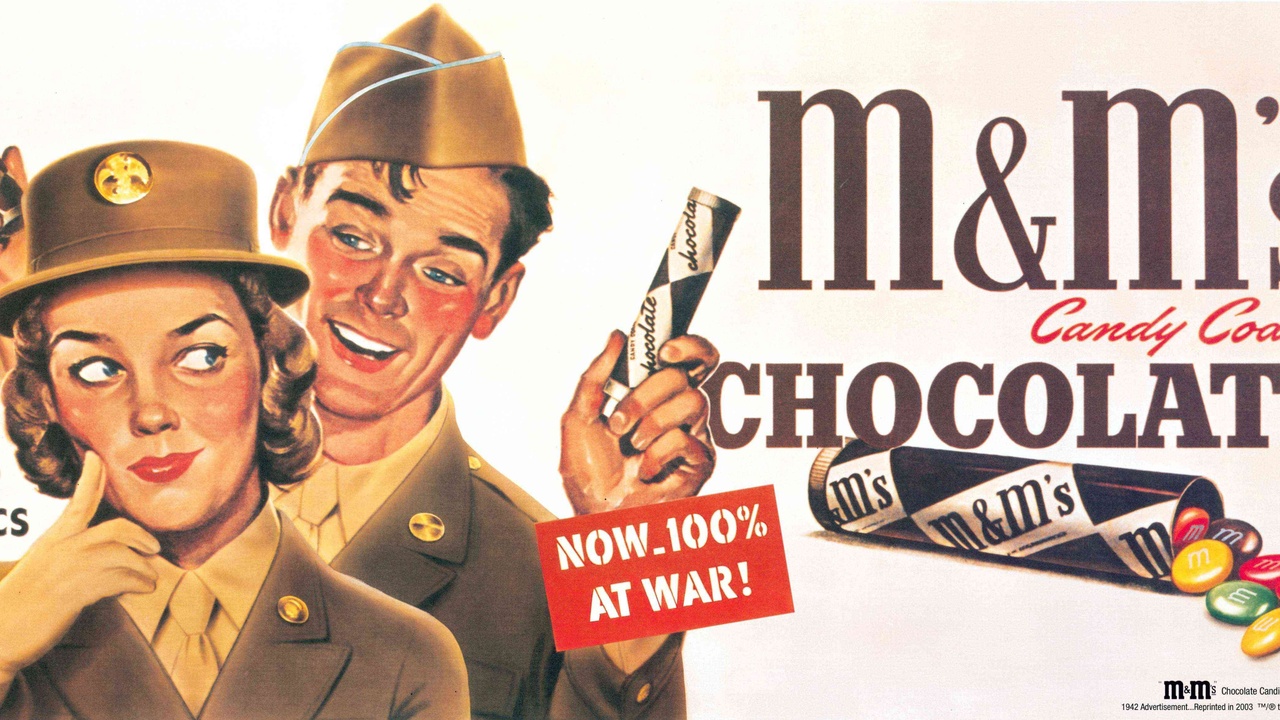
Most people believe that the famous “M” on the candy shell stands for Mars Incorporated, the company that produces M&M’s. While Mars was the principal inventor of M&M's, there are two M’s in that name, and that name signifies the work of two men—both with the initial “M”—and who were originally responsible for the production of M&Ms.

No alt text provided for this image

Forrest Edward Mars, Sr. was one “M” and the other “M” was Bruce Murrie.

Today is a fitting time to discuss the origins of M&Ms because Forrest Mars was born on this day, March 21, 1904.

Forrest grew up in a candymaker’s house, and immediately had some some big shoes to fill. His father’s home business grew to invent and sell some of the world’s most famous candy bars, including Snickers, Mars Bars, and Milky Way. And Forrest continued and built on that legacy.

Here is the story of M&M candy and it’s controversial founder, Forrest Mars, Sr.

No alt text provided for this image

Forrest Mars was born in Wadena, Minnesota, but after his parents' divorce when he was 6 years old, and

...
Continue Reading...

Battle of Iwo Jima

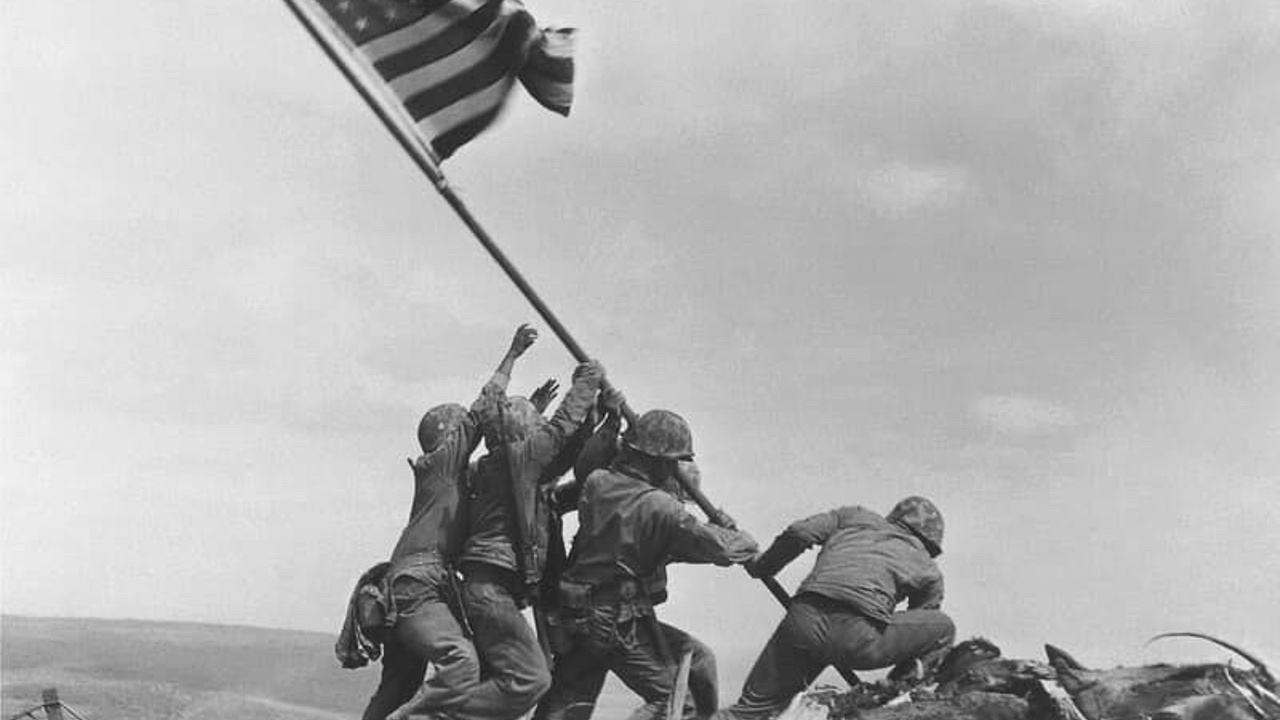
On February 19, 1945, U.S. Marines landed on Iwo Jima in an amphibious invasion of the island. With more than 7,000 American troops killed, it was one of the costliest battles of World War II. The famous raising of the flag on Mt. Suribachi would take place four days later.
 
 
In good order, the Marines began deployment to the Iwo Jima beach and In the deathly silence, landed US Marines began to slowly inch their way forward inland, oblivious to the danger awaiting them. After allowing the Americans to pile up men and machinery on the beach for just over an hour, the Japanese unleashed the undiminished force of their countermeasures. Shortly after 10:00, everything from machine guns and mortars to heavy artillery began to rain down on the crowded beach, which was quickly transformed into a nightmarish bloodbath.
 
Time-Life correspondent Robert Sherrod described it simply as "a nightmare in hell."
 
Iwo Jima translates as “Sulfur Island”, a name that gives s
...
Continue Reading...

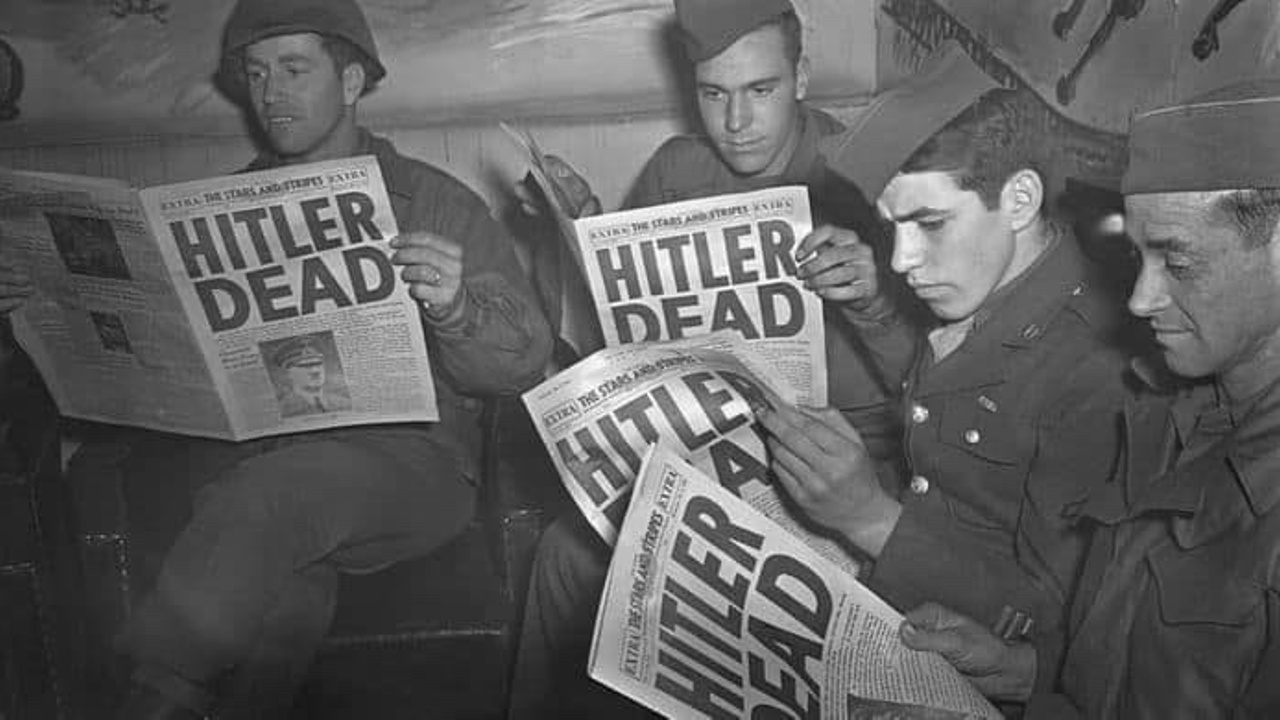
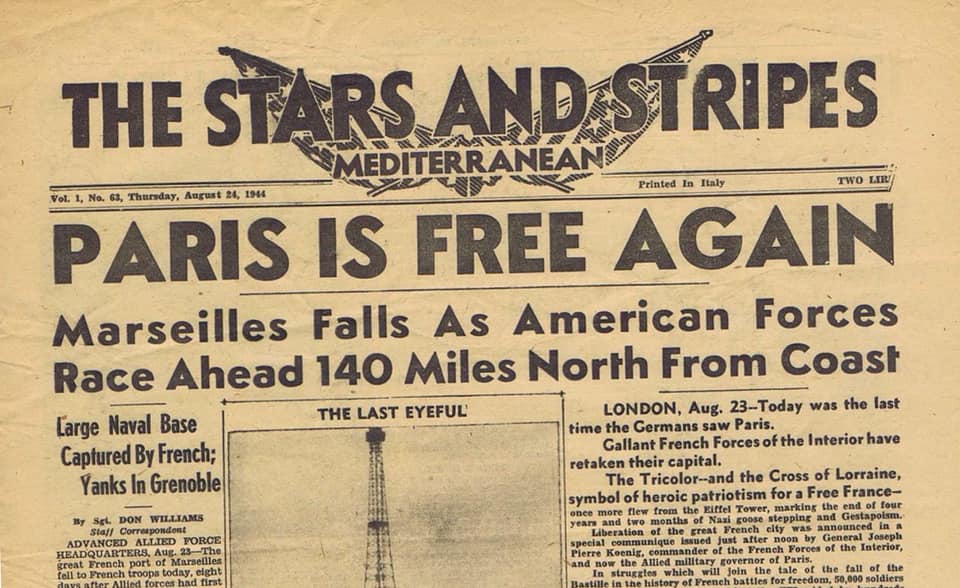
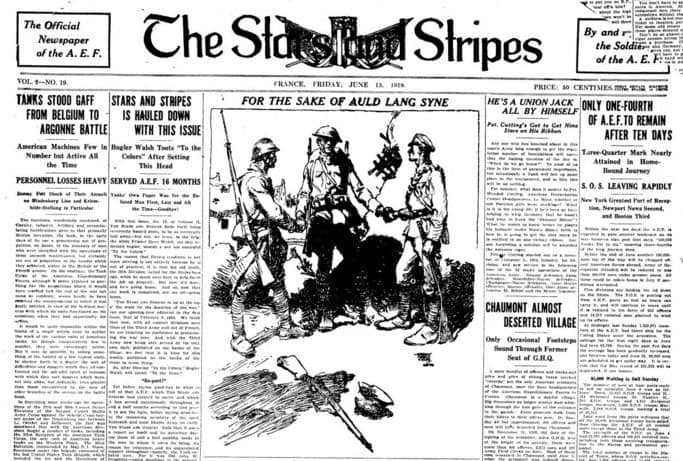
The Stars and Stripes

On February 8, 1918, the first issue of The Stars and Stripes is published. It was the first U.S. Army newspaper, and was originally published for the troops during World War I.
 
 
During World War I, the staff, roving reporters, and illustrators of the Stars and Stripes were veteran reporters or young soldiers who would later become such in the post-war years. It was published by the American Expeditionary Forces (AEF) from February 8, 1918, to June 13, 1919.
 
 
The Stars and Stripes was then an eight-page weekly which reached a peak of 526,000 readers, relying on the improvisational efforts of its staff to get it printed in France and distributed to U.S. troops.
 
 
And yet, the history of the newspaper goes back even further. On November 9, 1861, during the Civil War, soldiers of the 11th, 18th, and 29th Illinois Regiments set up camp in the Missouri city of Bloomfield. Finding the local newspaper's office empty, they decided to print a newspaper about
...
Continue Reading...

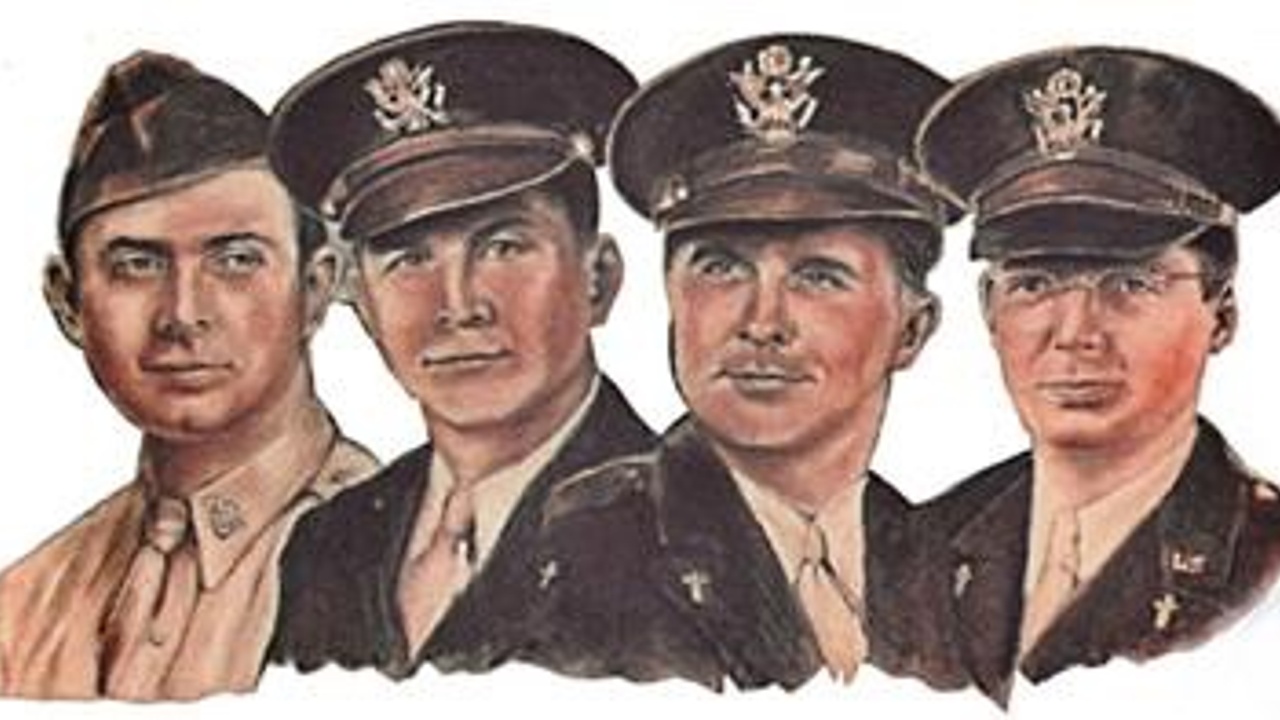
World War II: The Four Chaplains

 
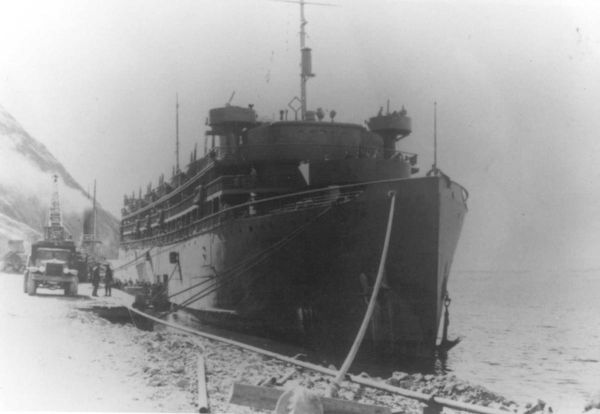
February 3, 1943. Four U.S. Army Chaplains die after giving up their life jackets to save others. At 12:55 am, the The Dorchester, a 5,649 ton civilian liner, is torpedoed by the German submarine U-223 off Newfoundland in the North Atlantic.
 
 
The torpedo knocks out the Dorchester's electrical system, leaving the ship dark. Panic sets in among the men on board, many of them trapped below decks. The chaplains calm the men and organize an orderly evacuation of the ship, and help guide wounded men to safety. As life jackets are passed out to the men, the supply runs out before each man has one.
 
 
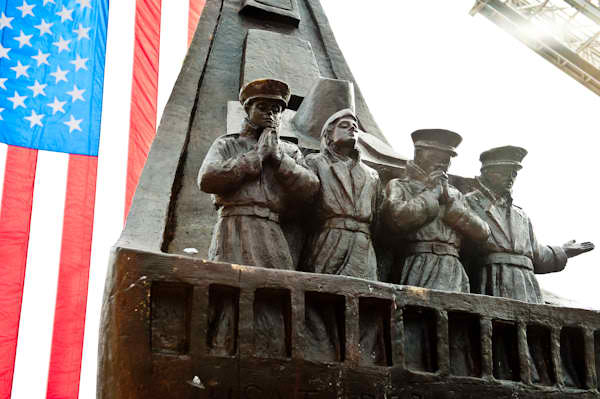
The chaplains help others board lifeboats and give up their own life jackets when the supply runs out. The chaplains join arms, say prayers, and sing hymns as they go down with the ship.
 
“As I swam away from the ship, I looked back. The flares had lighted everything. The bow came up high and she slid under. The last thing I saw, the Four Chaplains were up th
...
Continue Reading...

Battle of Carentan: Purple Heart Lane


Just completed another "D-Day Experience" video program that discusses The Battle of Carentan and what became known by the Soldiers who fought there, as "Purple Heart Lane."

The objective of the attacking American forces was consolidation of the U.S. beachheads--Utah Beach and Omaha Beach--and establishing a continuous defensive line against the German counterattacks that were certain to follow.

This is an interesting battle and event to study--it features the first bayonet charge of World War II, a Medal of Honor to the man who led it, and multiple Distinguished Service Crosses.
It's also a very complex battle--primarily because of the series of bridges along the causeway into Carentan, the movements and maneuver, the logistics, personalities and key locations involved; not to mention the series of attacks and counterattacks that occurred over the course of those several days in June 1944--less than a week after D-Day. But one thing was as clear to those men and women then, as it is
...

Continue Reading...

21-Year Old WWII Soldier’s Sketchbooks Reveal a Visual Diary of His Experiences

art soldier world war ii wwii Sep 02, 2019

Victor Lundy

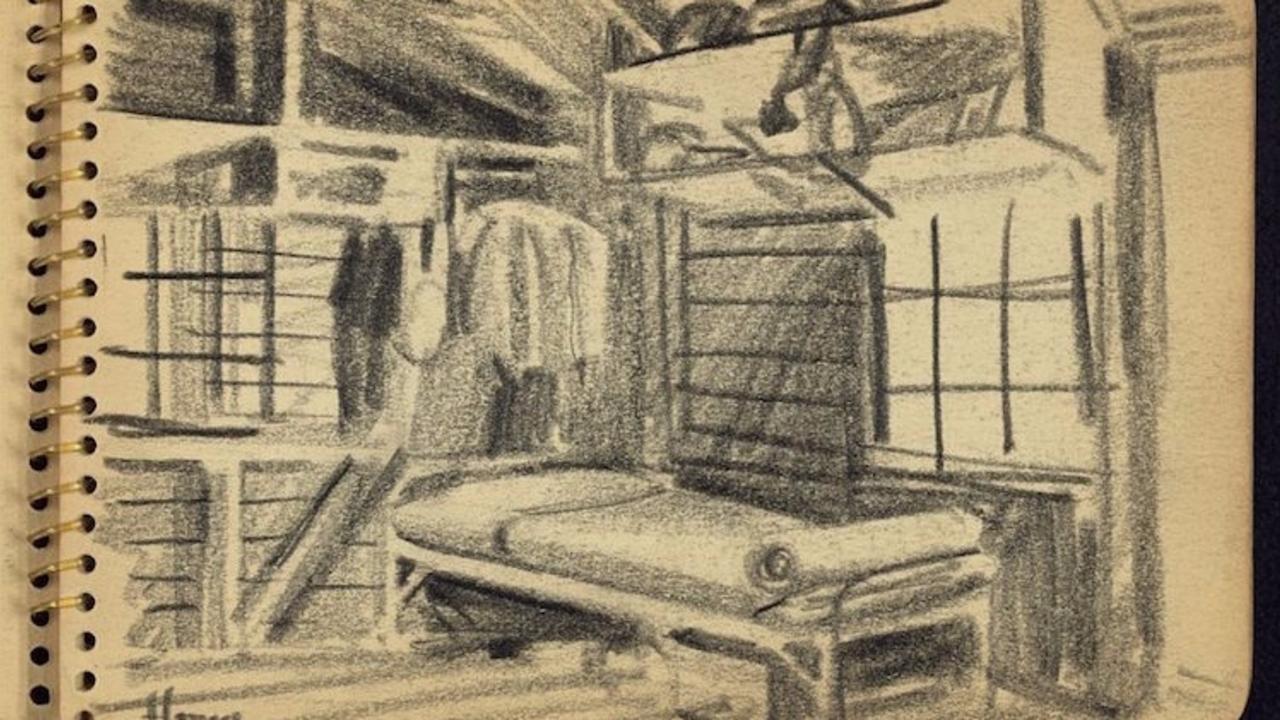
True artists must find a creative outlet no matter what the circumstance—including times of war. Thanks to the creative passion and steady hand of then 21-year old soldier Victor Lundy, we have a breathtaking visual record of World War II, in the form of documentary sketches. For Lundy, “drawing is sort of synonymous with thinking,” which means we are left with an intimate archive of sketches that unfold one soldier’s experience fighting on the front lines. Lundy was studying architecture in New York when, enthralled with the idea of rebuilding a post-war Europe, he enrolled in the Army Special Training Program. By 1944, with D-Day looming, the Army needed reinforcements, which meant that young Lundy would be thrown into the infantry. This shocking turn of events didn’t stunt his creativity, though.

Lundy, who is now 92, recalls his inability to listen during lectures. “I was busy sketching,” he admits. During his time in the infantry, he continued to sketch in his pocke...

Continue Reading...

Two Brothers at Normandy American Cemetery: Quentin and Theodore Roosevelt


75 years ago, today, Brigadier General Theodore Roosevelt, Jr. passed away from a heart attack in Normandy.

Ted and his younger brother Quentin were the sons of President Theodore Roosevelt. Ted was wounded at Soissons during the summer of 1918 and received the Distinguished Service Cross. In July of that year, Quentin was killed in combat.

As assistant division commander of the 4th Infantry Division, Ted led the first wave on Utah Beach on D-Day. For his actions, he was posthumously awarded the Medal of Honor.

Both Quentin and Ted are buried side-by-side at Normandy American Cemetery.

Here are their stories...

Continue Reading...
1 2
Close

50% Complete

Two Step

Lorem ipsum dolor sit amet, consectetur adipiscing elit, sed do eiusmod tempor incididunt ut labore et dolore magna aliqua.