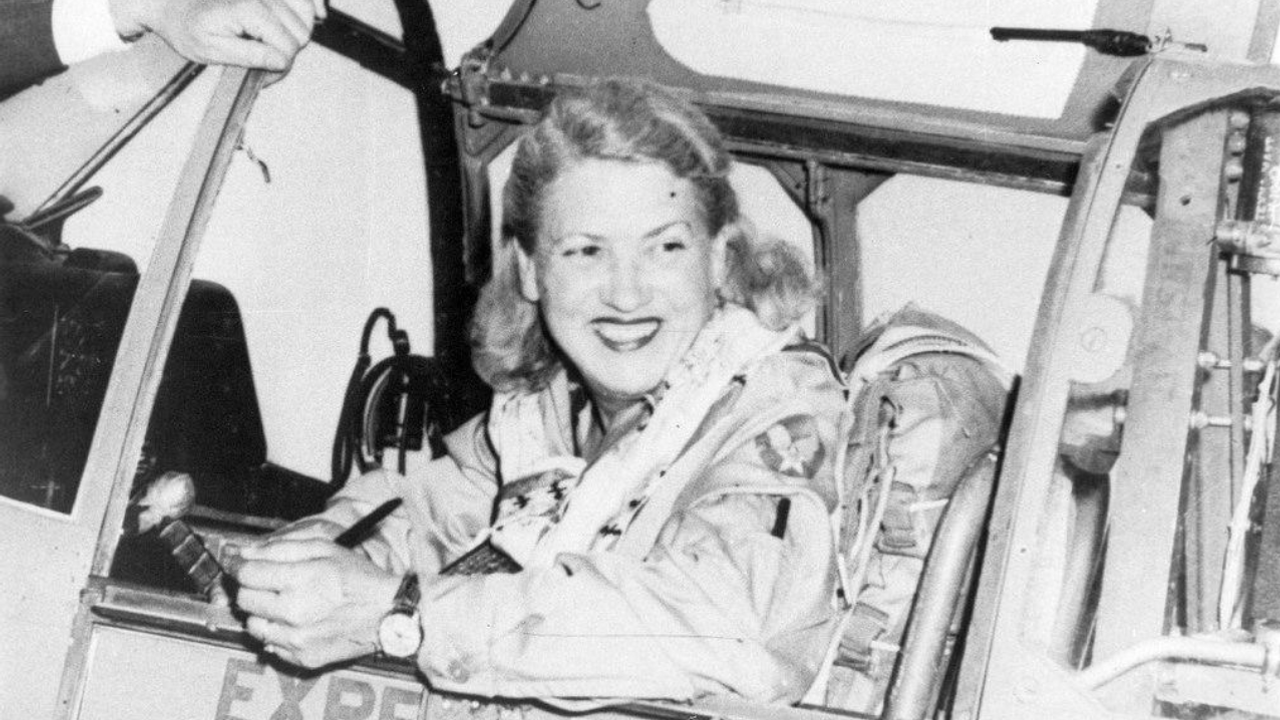
Jacqueline Cochran: Aviation Pioneer

Jacqueline Cochran was an American pilot and business executive who pioneered women's aviation—and she was one of the most prominent racing pilots of her generation.

Jackie Cochran rose to become one of history’s most accomplished female aviators.

As an aviation pioneer, her life was characterized by a series of “Firsts”: she was the first civilian awarded the U.S. Distinguished Service Medal; the first woman to break the sound barrier (1953); the first woman to break Mach 2 (1960); the first woman to pilot a bomber across the North Atlantic (1941); the first woman inducted into the Aviation Hall of Fame; the first pilot to make an instrument landing; the first woman President of the Federation Aeronautique lnt'l; and the first pilot to fly above 20,000 feet with an oxygen mask; the first woman to compete in the famous Bendix Trophy Transcontinental Race across the U.S. (1934)—and was the first woman to win it (1938).

Cochran was the wartime head of the Women Airforce Serv

...
Continue Reading...

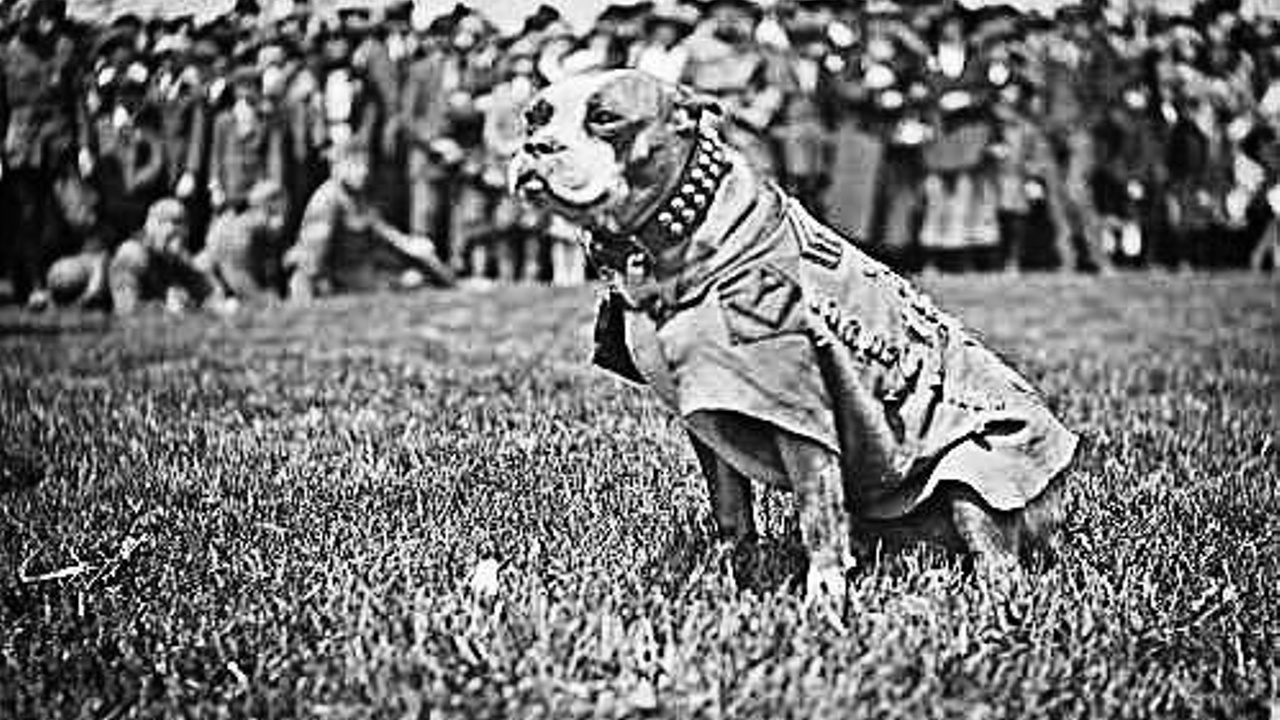
In Memory of Sergeant Stubby - The Most Decorated War Dog of World War I (...Who May Have Invented Football's Halftime Show!)

No alt text provided for this image

Sergeant Stubby was the most decorated war dog of World War I and the only dog to be promoted to sergeant. Smuggled aboard the USS Minnesota, he served with the 102nd Infantry, 26th (Yankee) Division in the trenches in France for 18 months, participated in 4 offensives, and 17 battles. Stubby learned to warn his unit of gas attacks, located wounded soldiers, and could hear incoming artillery shells long before the rest of the unit. He even caught a German soldier by grabbing him by the seat of his pants and holding him there until American soldiers found him.

His actions were well-documented.

Stubby has been called the most decorated war dog of WWI and the only dog to be nominated for rank and then promoted to sergeant through combat.

Stubby was described in news stories as a Boston Terrier or "American bull terrier," a mutt, and a dog of "uncertain breed."

The brindle-patterned pup probably owed at least some of his parentage to the evolving family of Boston Terriers, a breed so...

Continue Reading...

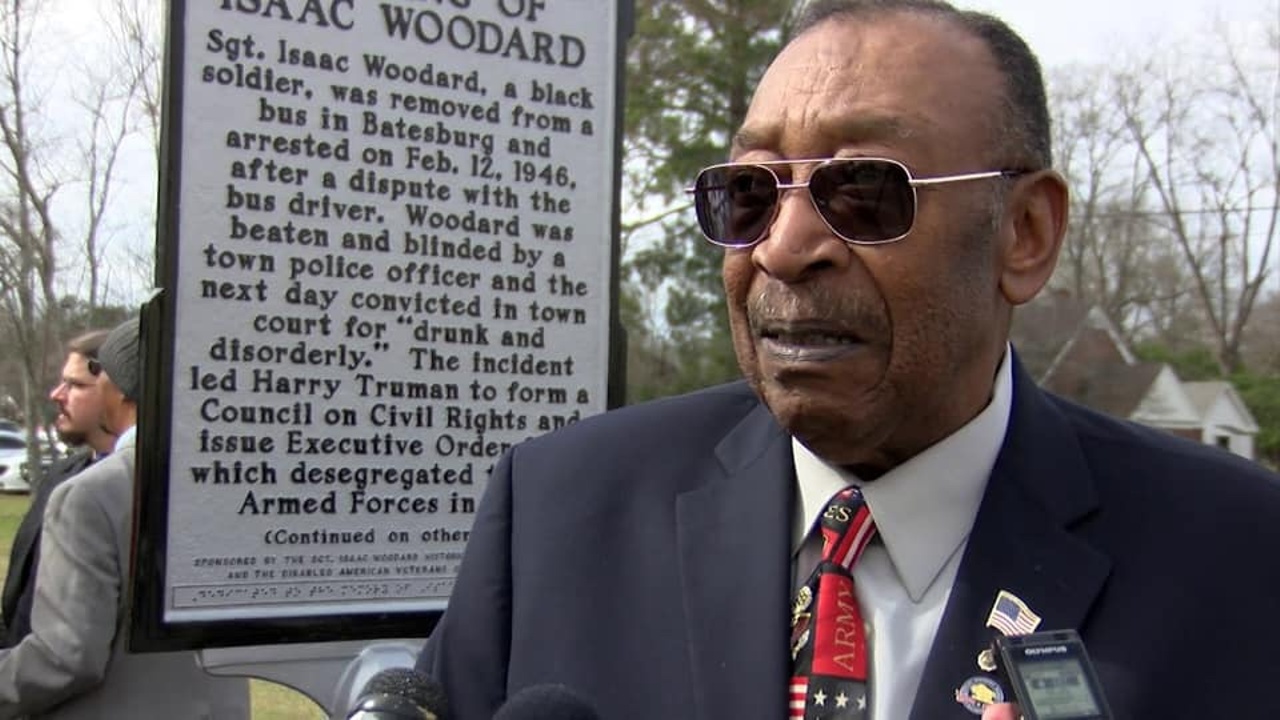
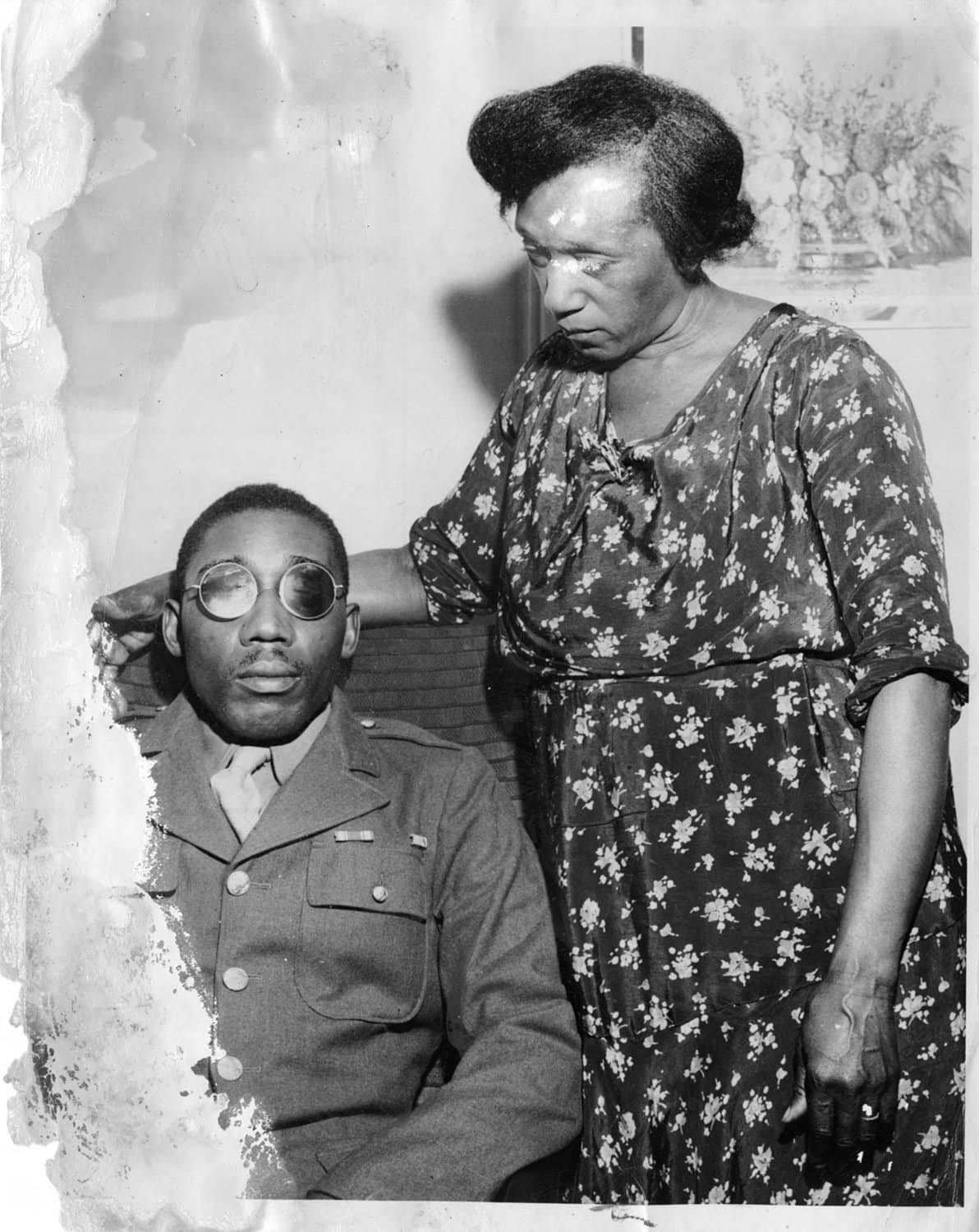
The Blinding of Isaac Woodard

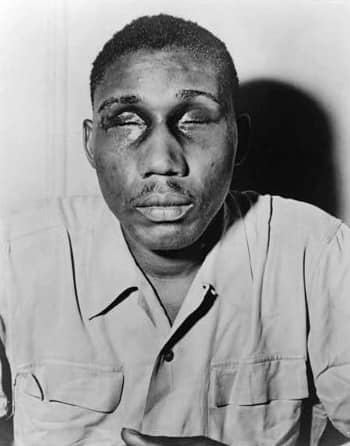
On this Day, February 12, 1946, while traveling home after being honorably discharged from the U.S. Army, African-American Isaac Woodard, still in uniform, is attacked and beaten by several South Carolina police officers over a dispute with a bus driver over the use of the restroom. He was then arrested. During the course of the night in jail, the Police Chief beat and blinded Woodard, who later stated in court that he was beaten for saying "Yes" instead of "Yes, sir".
 
 
He also suffered partial amnesia as a result of his injuries. Woodard further testified that he was punched in the eyes by police several times on the way to the jail, and later repeatedly jabbed in his eyes with a billy club.
 
 
Woodard's eyes had been "gouged out"; historical documents indicate that each globe was ruptured irreparably in the socket.
 
The attack left Woodard completely and permanently blind. Suffering from partial amnesia, he was fined $50 and denied medical treatment for
...
Continue Reading...

Dining-in speech at U.S. Military Academy 2003, by Lieutenant Colonel Guy Lofaro

This copy of a speech given at a "Dining In," a traditional formal military officers' dinner - usually an annual stag affair held by units on bases and posts. I've been told by friends who know him, that Guy Lofaro was a legendary professor at West Point and is a tremendous speaker. This speech provides exceptional insight into the values and dedication required by all of our military servicemen and women today. It's an excellent tribute, and has been making the rounds throughout the ranks....

Let me say before beginning, that it has been my pleasure to attend several dinings-in here at West Point and hence, I have some basis for comparison. You people have done a fine job and you ought to congratulate yourselves.

In fact, why don't we take this time to have the persons who were responsible for this event, stand, so we can acknowledge them publicly. I guess I am honored with these invitations because there exists this rumor that I can tell a story. Cadets, who I have had in class, so...

Continue Reading...

Two Brothers at Normandy American Cemetery: Quentin and Theodore Roosevelt


75 years ago, today, Brigadier General Theodore Roosevelt, Jr. passed away from a heart attack in Normandy.

Ted and his younger brother Quentin were the sons of President Theodore Roosevelt. Ted was wounded at Soissons during the summer of 1918 and received the Distinguished Service Cross. In July of that year, Quentin was killed in combat.

As assistant division commander of the 4th Infantry Division, Ted led the first wave on Utah Beach on D-Day. For his actions, he was posthumously awarded the Medal of Honor.

Both Quentin and Ted are buried side-by-side at Normandy American Cemetery.

Here are their stories...

Continue Reading...

Battle of Saint-LĂ´ 75th Anniversary Commemoration

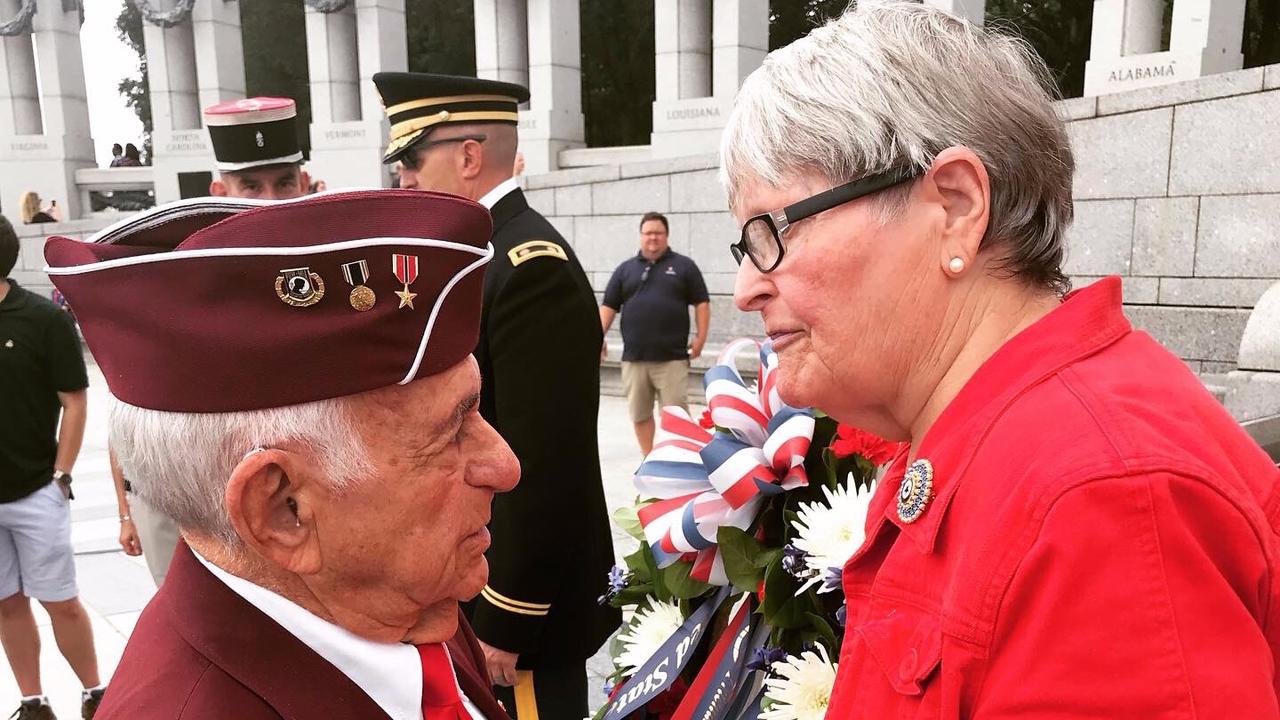
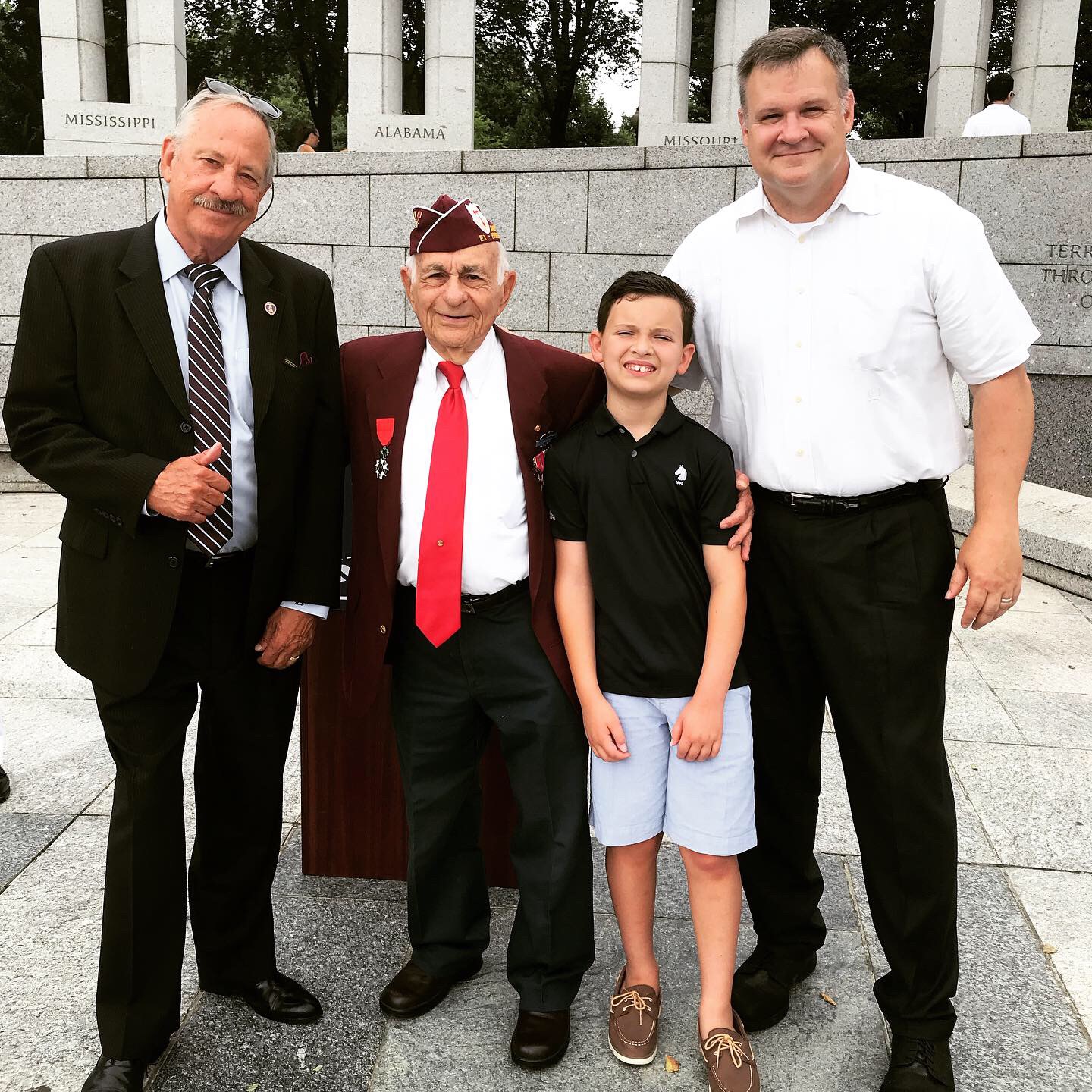
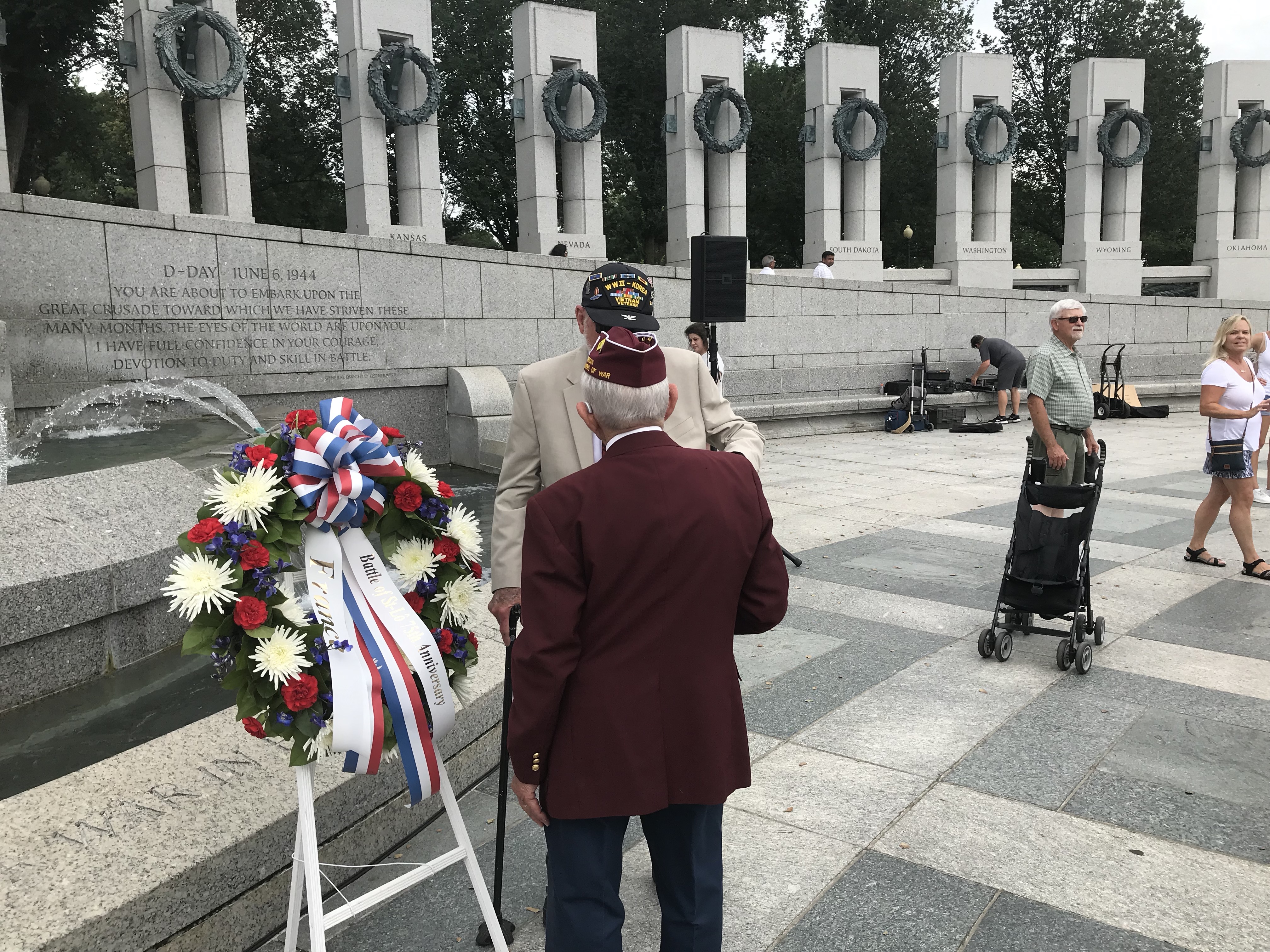
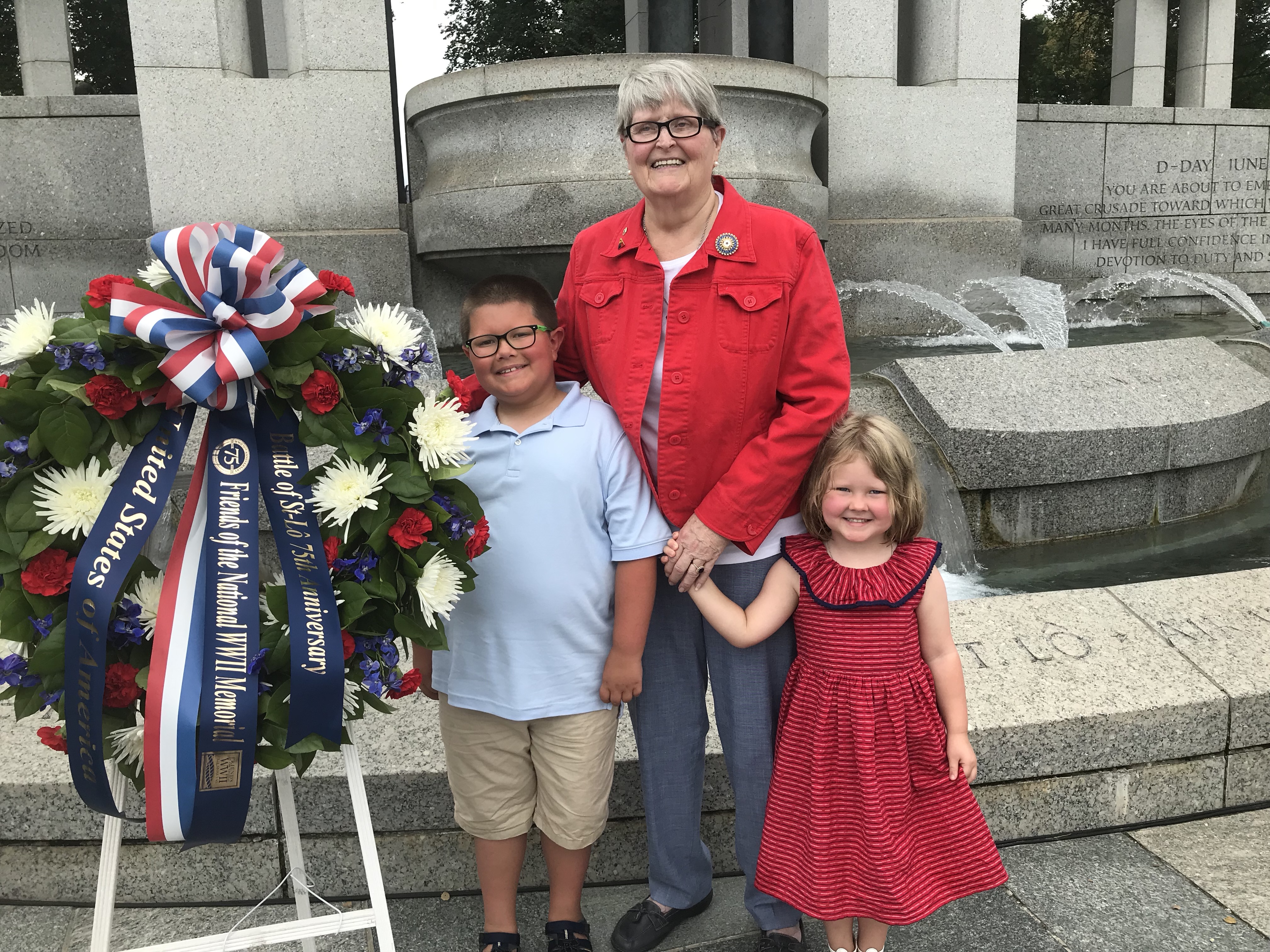
Luke and I had the opportunity to attend the Battle of Saint-Lô 75th Anniversary Commemoration at the Atlantic Arch of the WWII Memorial today. Our good friend, Jan Scruggs MC’d the event.

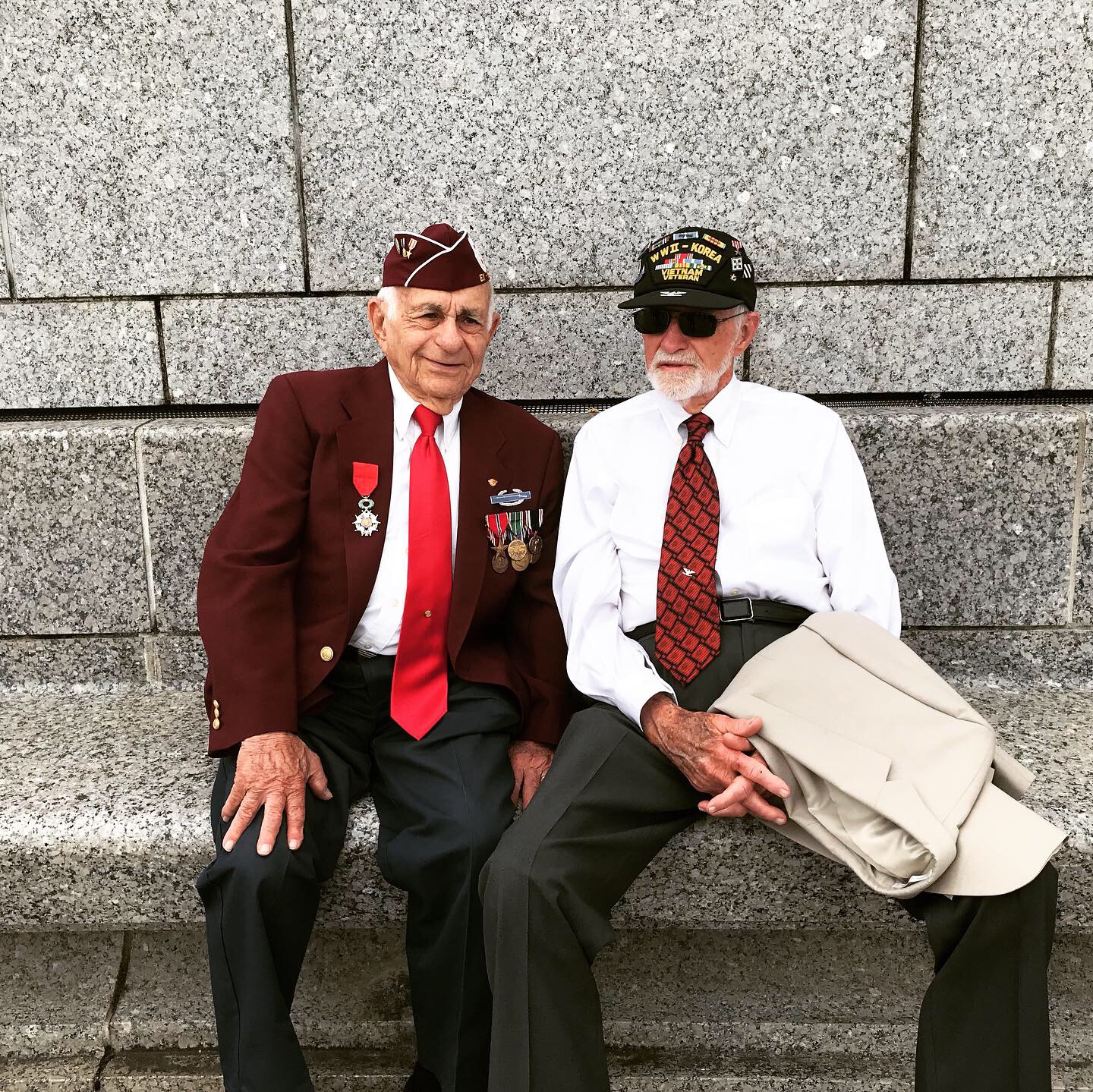
We had the opportunity to meet 94 year old WWII Veteran Harold Radish, who was captured and held in a Nazi POW camp. Realizing his imminent capture, he told us he immediately “understood the situation I was in.” ...“I’m Jewish!” he exclaimed. “So I quickly threw my dog tags away!”

We also spoke to WWII (Korean War and Vietnam War) Veteran Retired Army Colonel Frederick Clinton who joined the Army at 16 years of age.

We spoke to Ms. Judy Davis, daughter of Arthur John Curry who fought in the Battle of Saint-Lô. He was a member of the 70th Tank Battalion, that landed on Utah Beach on June 6, 1944 in the first wave of tanks at 0630. He was killed August 27, 1944 in the vicinity of Clichy-Sur-Boisy in northeast Paris. He’s buried at Normandy American Cemetery at Normandy, Plot A, Row 15 Grav

...
Continue Reading...

The Dick Winters Leadership Monument in Normandy, France


Whenever I'm in Normandy, I always make a point to visit the Dick Winter's Leadership Monument.  You can't miss it.  It's right off the causeway on your way to Utah Beach.  In many ways, I believe it represents all of the values and principles of leadership that should be recognized during any visit here, and in any study of D-Day and the Battle for Normandy.  Here's a quick video from that monument to the young leaders who fought and won this monumental battle.


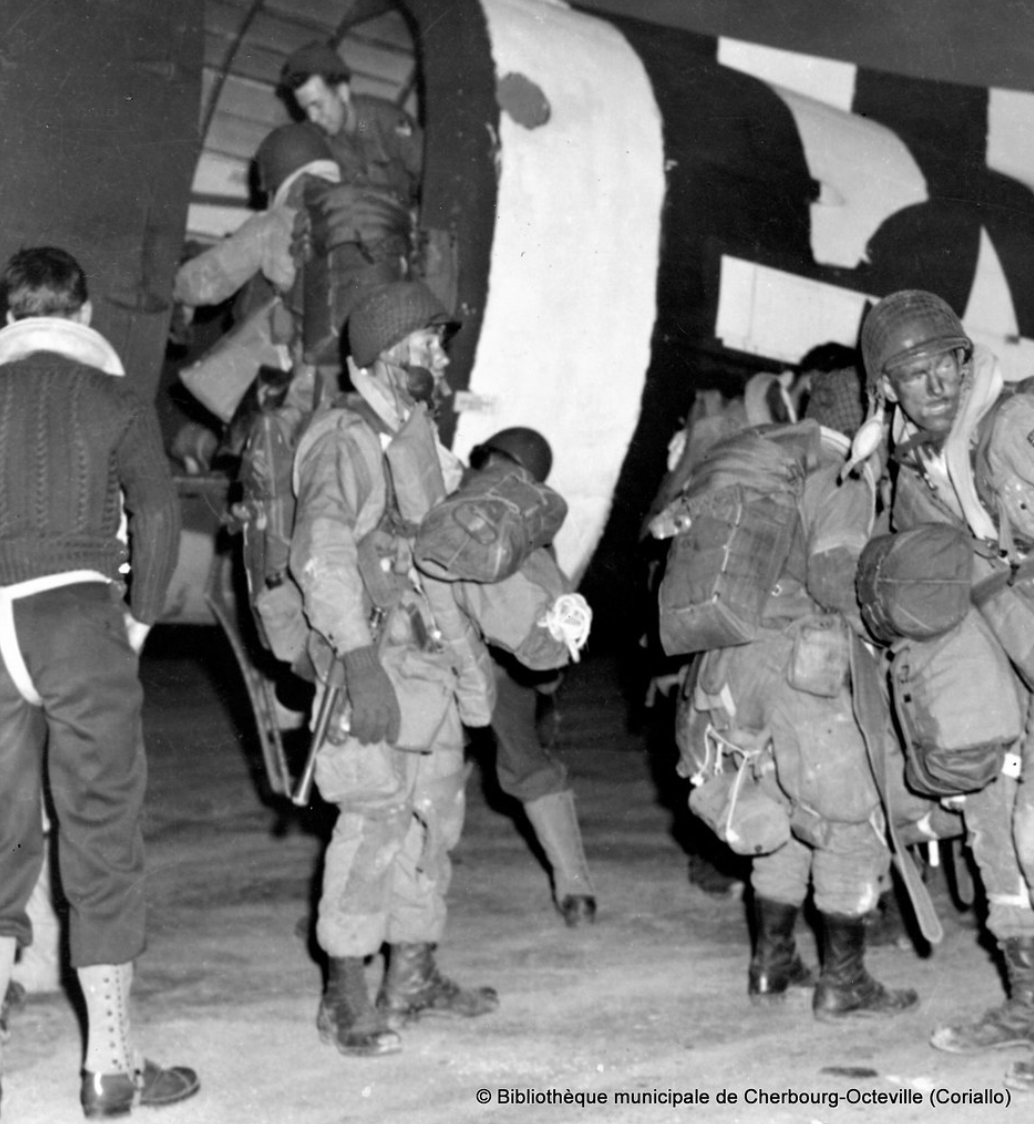
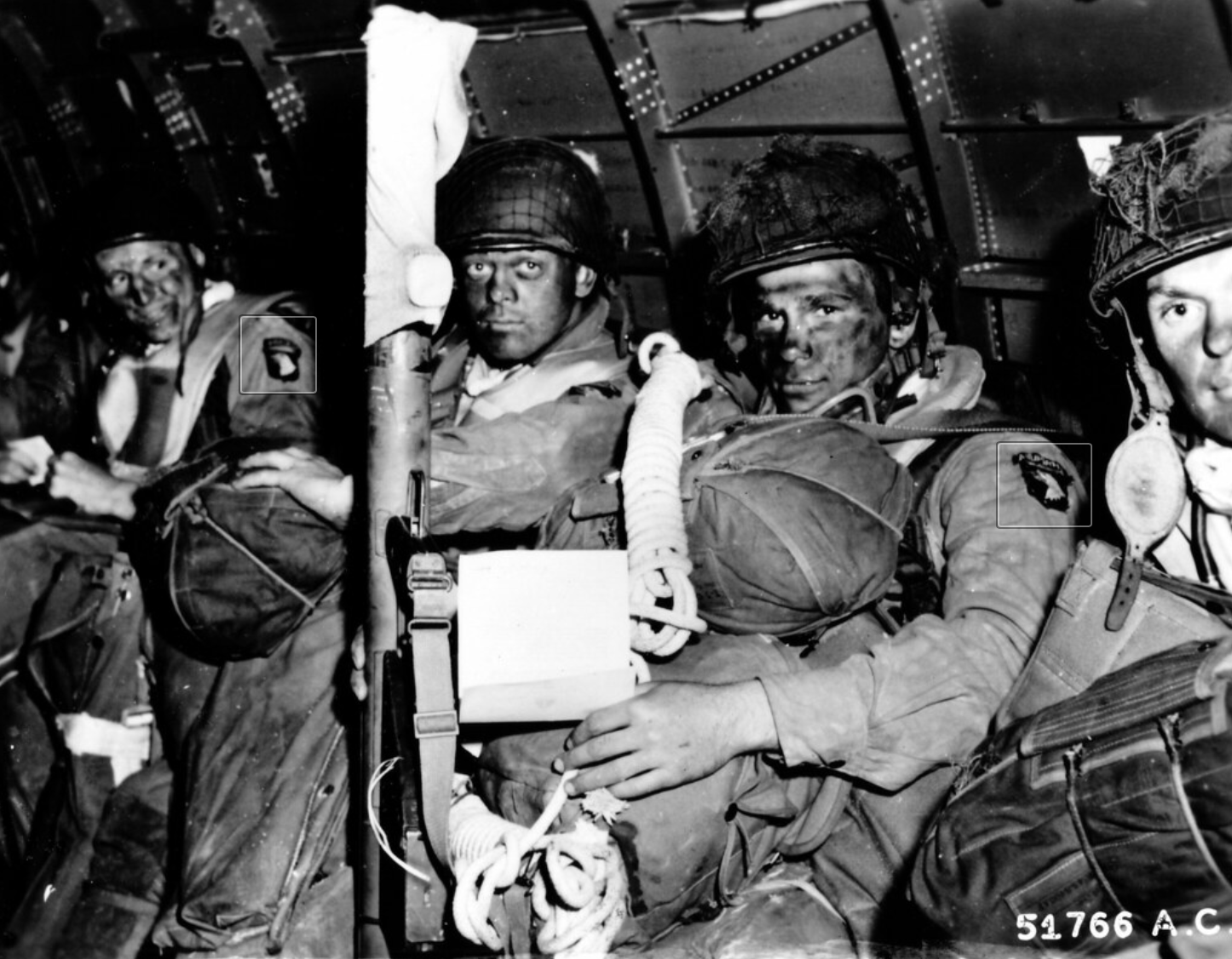
Paratroopers from 2d Battalion, 506th PIR loading for their Albany mission,
intended to jump on the DZ "C" in Hiesville at 0120 hours.

This photo was taken on Upottery airfield in Devon on the evening of June 5, 1944.
The aircraft is a C-47 (#42-93004 from 94th Squadron - 439th Troop Carrier Group -
Chalk number # 78 - serial # 12). The pilot (back) is 2nd Lt. Martin N. Neill.
2nd Lt. Carl E. George (co-pilot) helps the paratroopers to board.


William G. Olanie, Frank D. Griffin, Robert J. Noody, Lester T. Hegland

The 506th PI...
Continue Reading...
Close

50% Complete

Two Step

Lorem ipsum dolor sit amet, consectetur adipiscing elit, sed do eiusmod tempor incididunt ut labore et dolore magna aliqua.