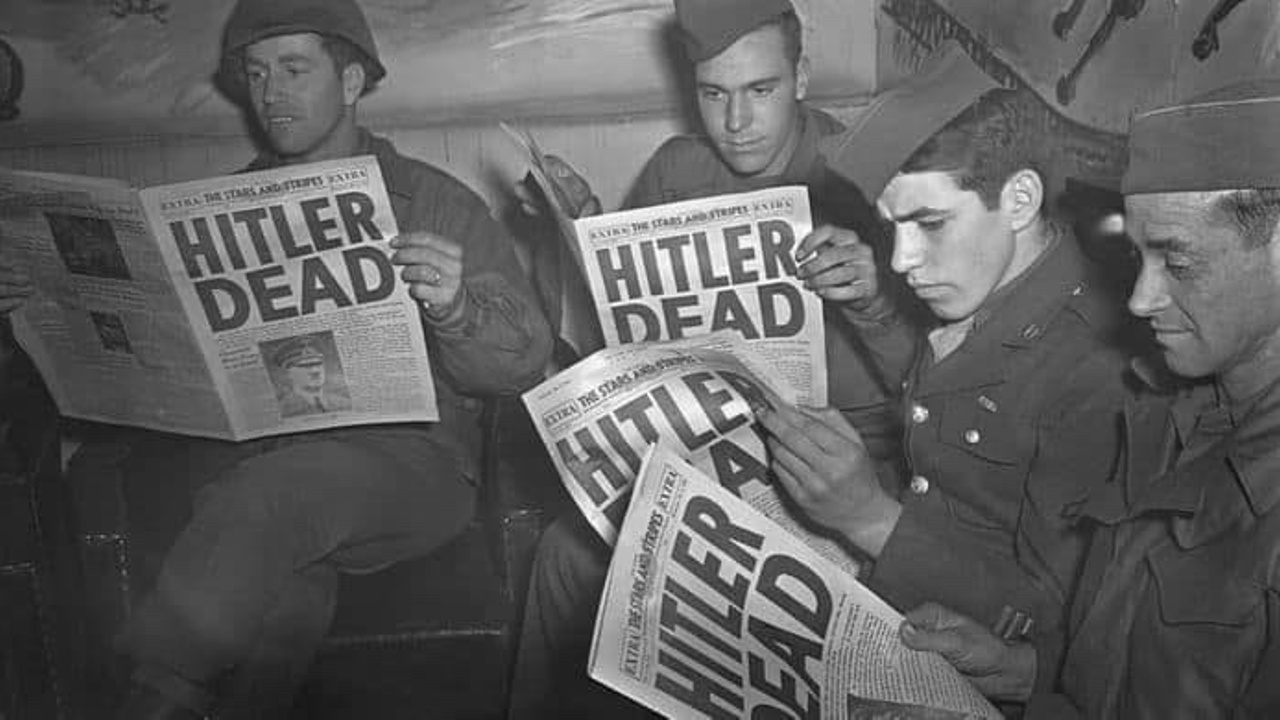
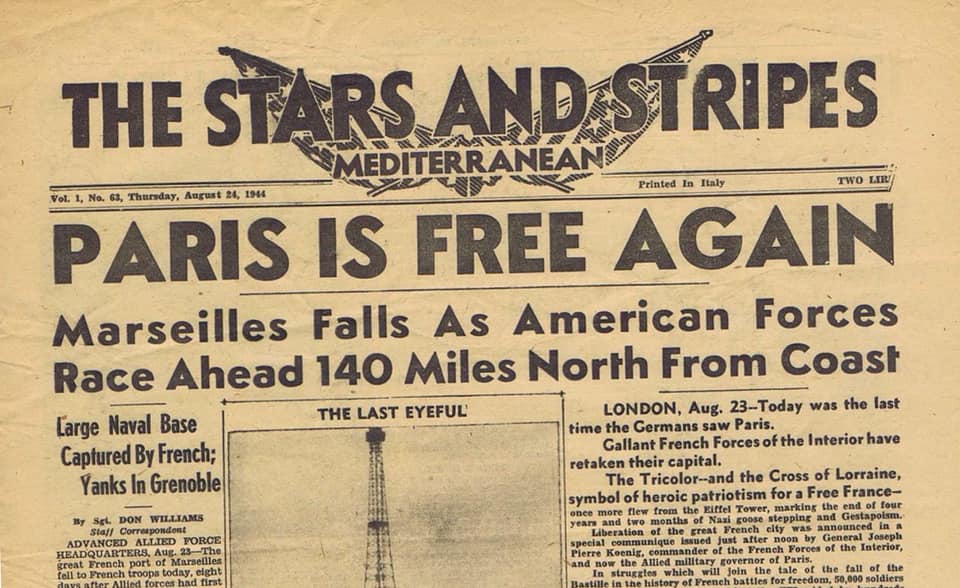
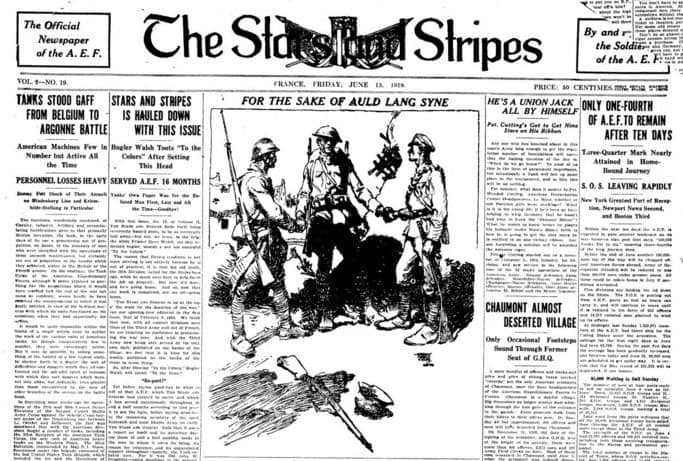
The Stars and Stripes
Dining-in speech at U.S. Military Academy 2003, by Lieutenant Colonel Guy Lofaro
This copy of a speech given at a "Dining In," a traditional formal military officers' dinner - usually an annual stag affair held by units on bases and posts. I've been told by friends who know him, that Guy Lofaro was a legendary professor at West Point and is a tremendous speaker. This speech provides exceptional insight into the values and dedication required by all of our military servicemen and women today. It's an excellent tribute, and has been making the rounds throughout the ranks....
Let me say before beginning, that it has been my pleasure to attend several dinings-in here at West Point and hence, I have some basis for comparison. You people have done a fine job and you ought to congratulate yourselves.
In fact, why don't we take this time to have the persons who were responsible for this event, stand, so we can acknowledge them publicly. I guess I am honored with these invitations because there exists this rumor that I can tell a story. Cadets, who I have had in class, so...
Two Brothers at Normandy American Cemetery: Quentin and Theodore Roosevelt
75 years ago, today, Brigadier General Theodore Roosevelt, Jr. passed away from a heart attack in Normandy.
Ted and his younger brother Quentin were the sons of President Theodore Roosevelt. Ted was wounded at Soissons during the summer of 1918 and received the Distinguished Service Cross. In July of that year, Quentin was killed in combat.
As assistant division commander of the 4th Infantry Division, Ted led the first wave on Utah Beach on D-Day. For his actions, he was posthumously awarded the Medal of Honor.
Both Quentin and Ted are buried side-by-side at Normandy American Cemetery.
Here are their stories...
The Dick Winters Leadership Monument in Normandy, France
Whenever I'm in Normandy, I always make a point to visit the Dick Winter's Leadership Monument. You can't miss it. It's right off the causeway on your way to Utah Beach. In many ways, I believe it represents all of the values and principles of leadership that should be recognized during any visit here, and in any study of D-Day and the Battle for Normandy. Here's a quick video from that monument to the young leaders who fought and won this monumental battle.
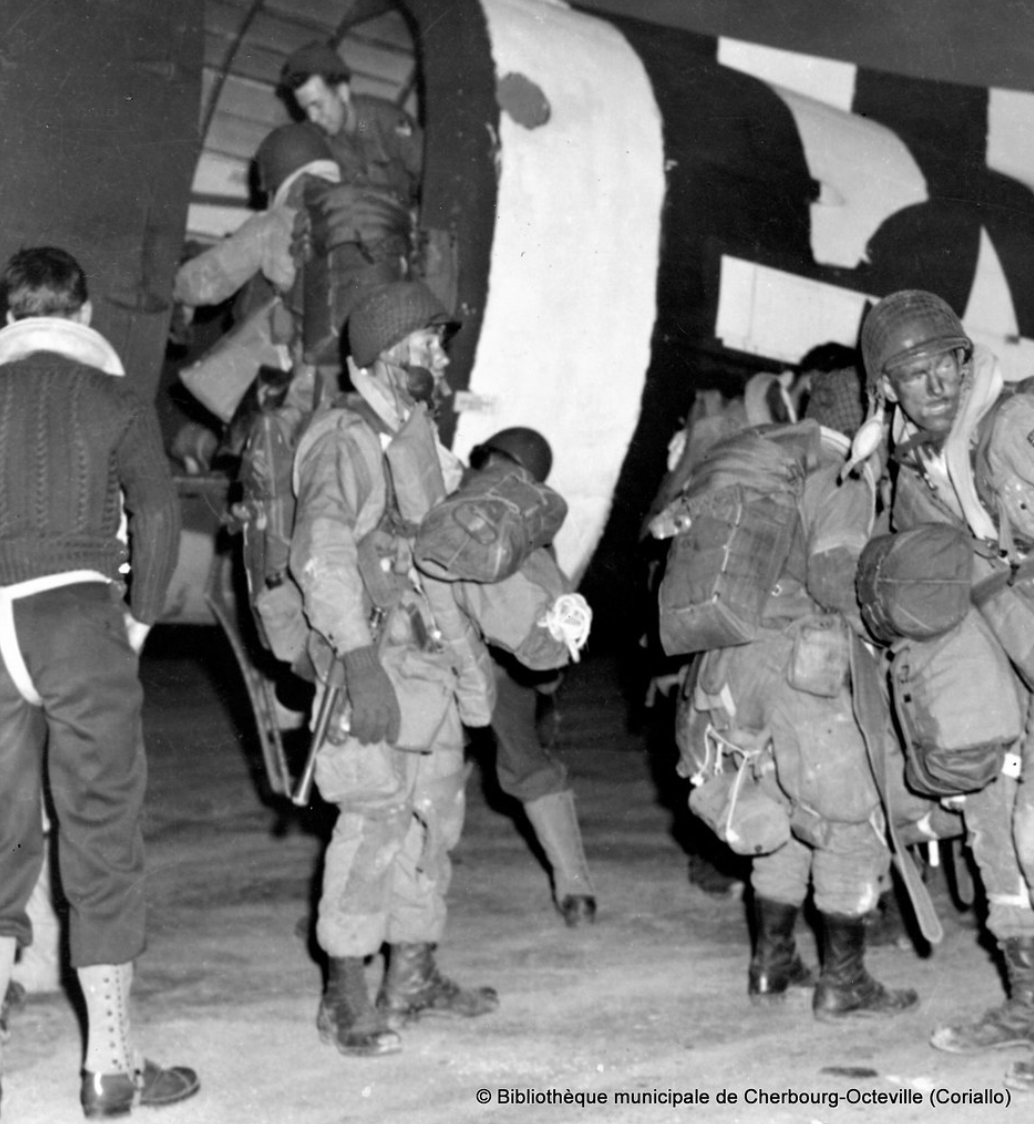
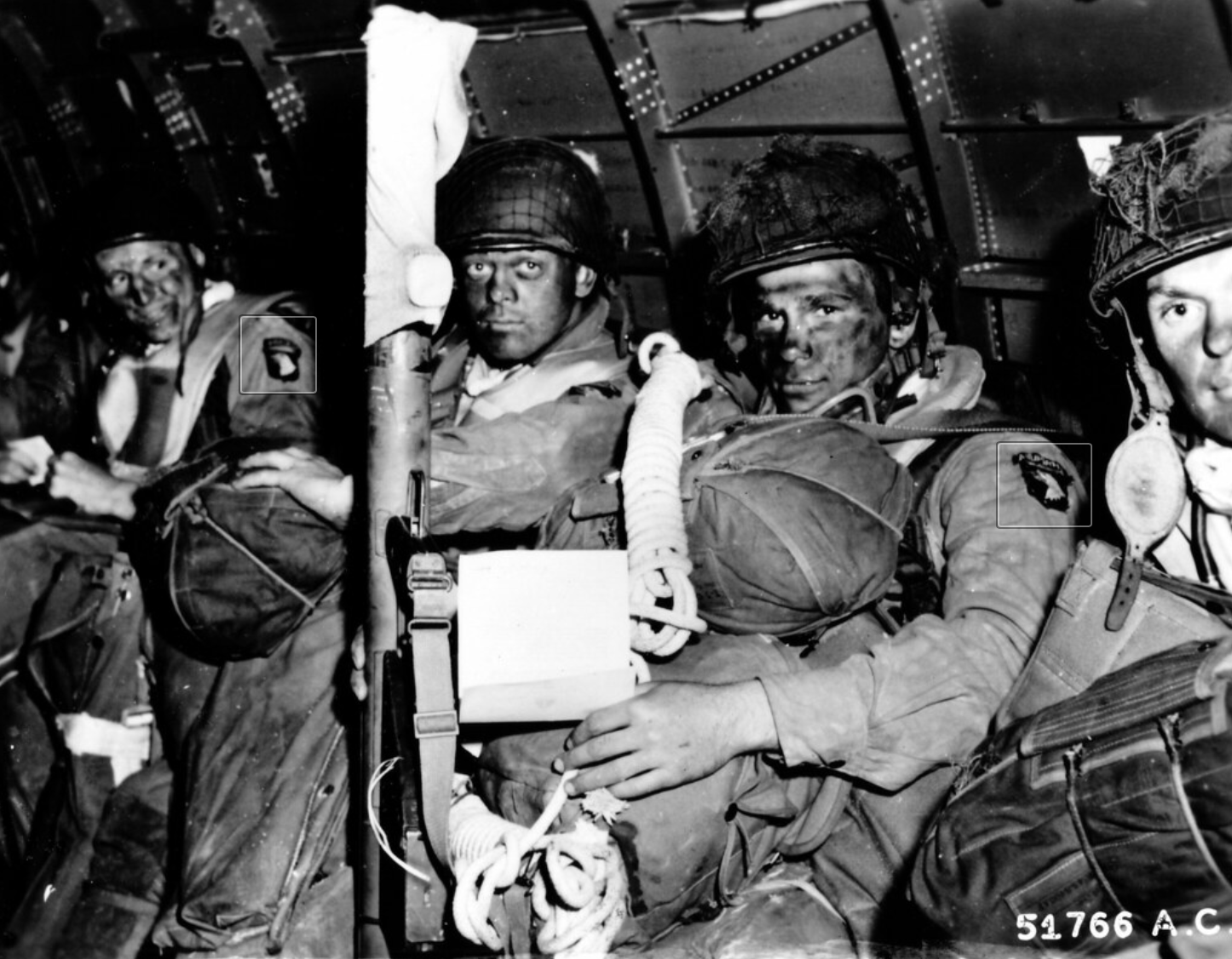
Paratroopers from 2d Battalion, 506th PIR loading for their Albany mission,
intended to jump on the DZ "C" in Hiesville at 0120 hours.

This photo was taken on Upottery airfield in Devon on the evening of June 5, 1944.
The aircraft is a C-47 (#42-93004 from 94th Squadron - 439th Troop Carrier Group -
Chalk number # 78 - serial # 12). The pilot (back) is 2nd Lt. Martin N. Neill.
2nd Lt.  Carl E. George (co-pilot) helps the paratroopers to board.


William G. Olanie, Frank D. Griffin, Robert J. Noody, Lester T. Hegland

The 506th PI...