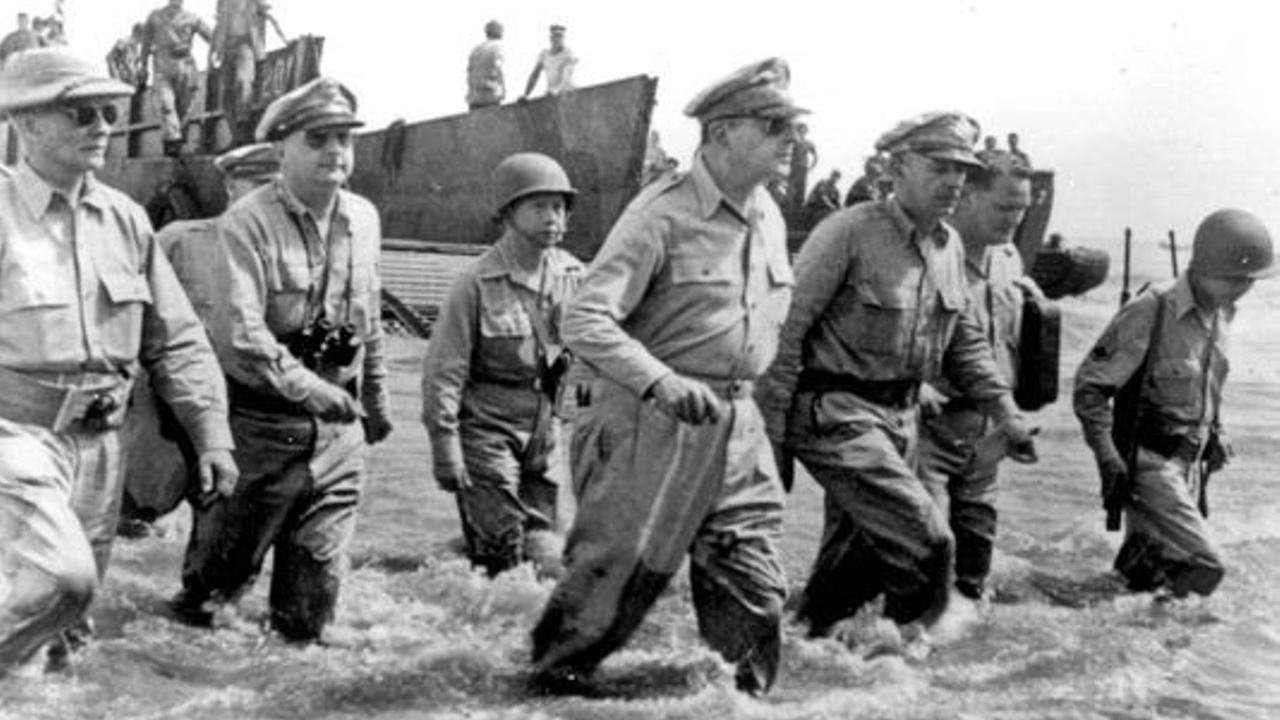
Douglas MacArthur: “I Shall Return!” ...It didn’t happen exactly the way (and where) you may have thought

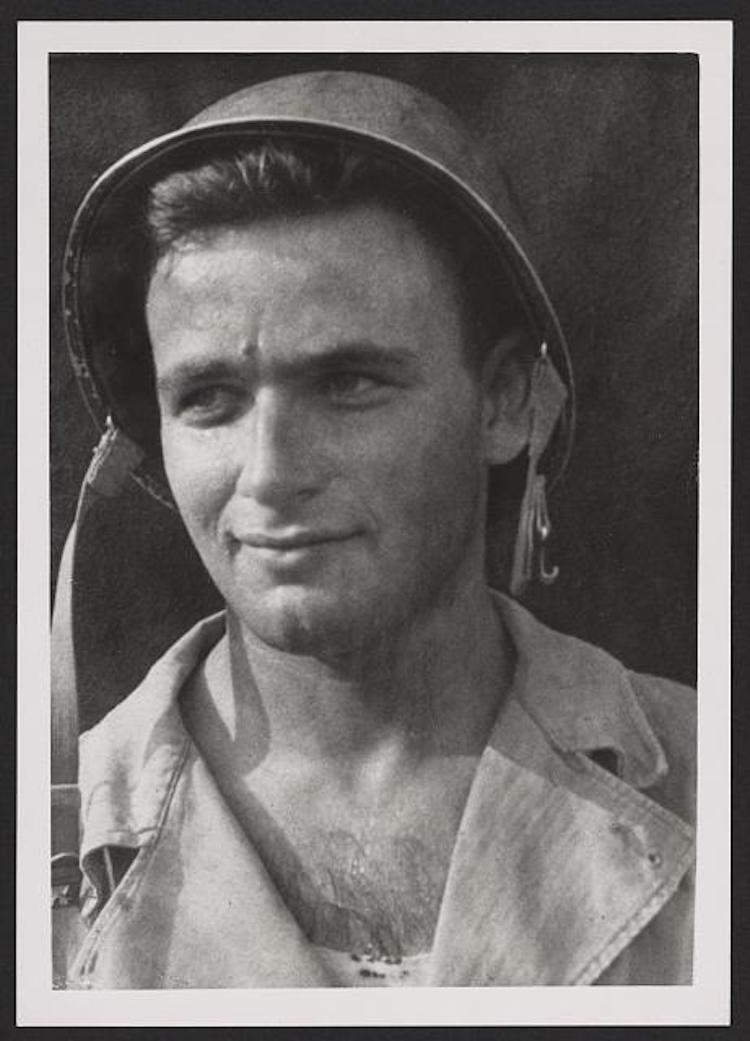
On this Day, March 17, 1942, General Douglas MacArthur first makes his famous declaration, "I shall return" after leaving the Philippines during World War II.

No alt text provided for this image

President Franklin Roosevelt, fearful of one of America’s most successful and well-known generals being taken captive by the Japanese if Corregidor fell, was too bitter a conclusion to contemplate.

On February 23, Secretary of War Harry Stimson and Chief of Staff George Marshall sent MacArthur a message ordering him to leave the Philippines for Australia.

The President directs that you make arrangements to leave and proceed to Mindanao. You are directed to make this change as quickly as possible … From Mindanao you will proceed to Australia where you will assume command of all United States troops … Instructions will be given from here at your request for the movement of submarine or plane or both to enable you to carry out the foregoing instructions. You are authorized to take your chief of staff General Sutherland.

Af

...
Continue Reading...

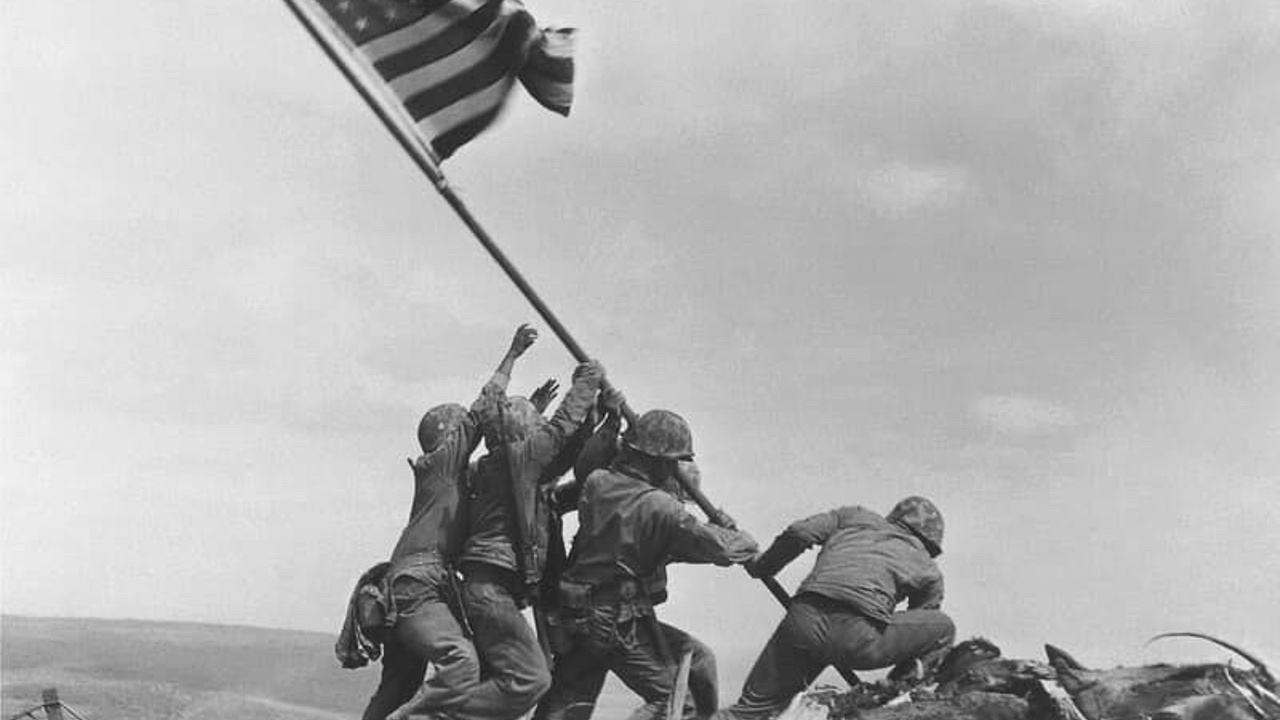
Battle of Iwo Jima

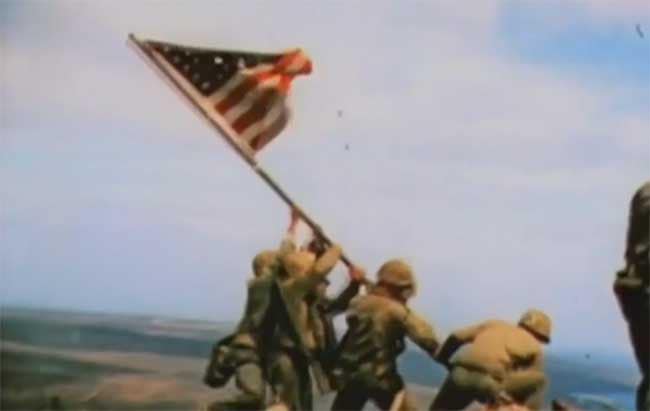
On February 19, 1945, U.S. Marines landed on Iwo Jima in an amphibious invasion of the island. With more than 7,000 American troops killed, it was one of the costliest battles of World War II. The famous raising of the flag on Mt. Suribachi would take place four days later.
 
 
In good order, the Marines began deployment to the Iwo Jima beach and In the deathly silence, landed US Marines began to slowly inch their way forward inland, oblivious to the danger awaiting them. After allowing the Americans to pile up men and machinery on the beach for just over an hour, the Japanese unleashed the undiminished force of their countermeasures. Shortly after 10:00, everything from machine guns and mortars to heavy artillery began to rain down on the crowded beach, which was quickly transformed into a nightmarish bloodbath.
 
Time-Life correspondent Robert Sherrod described it simply as "a nightmare in hell."
 
Iwo Jima translates as “Sulfur Island”, a name that gives s
...
Continue Reading...

Battle of Carentan: Purple Heart Lane


Just completed another "D-Day Experience" video program that discusses The Battle of Carentan and what became known by the Soldiers who fought there, as "Purple Heart Lane."

The objective of the attacking American forces was consolidation of the U.S. beachheads--Utah Beach and Omaha Beach--and establishing a continuous defensive line against the German counterattacks that were certain to follow.

This is an interesting battle and event to study--it features the first bayonet charge of World War II, a Medal of Honor to the man who led it, and multiple Distinguished Service Crosses.
It's also a very complex battle--primarily because of the series of bridges along the causeway into Carentan, the movements and maneuver, the logistics, personalities and key locations involved; not to mention the series of attacks and counterattacks that occurred over the course of those several days in June 1944--less than a week after D-Day. But one thing was as clear to those men and women then, as it is
...

Continue Reading...

21-Year Old WWII Soldier’s Sketchbooks Reveal a Visual Diary of His Experiences

art soldier world war ii wwii Sep 02, 2019

Victor Lundy

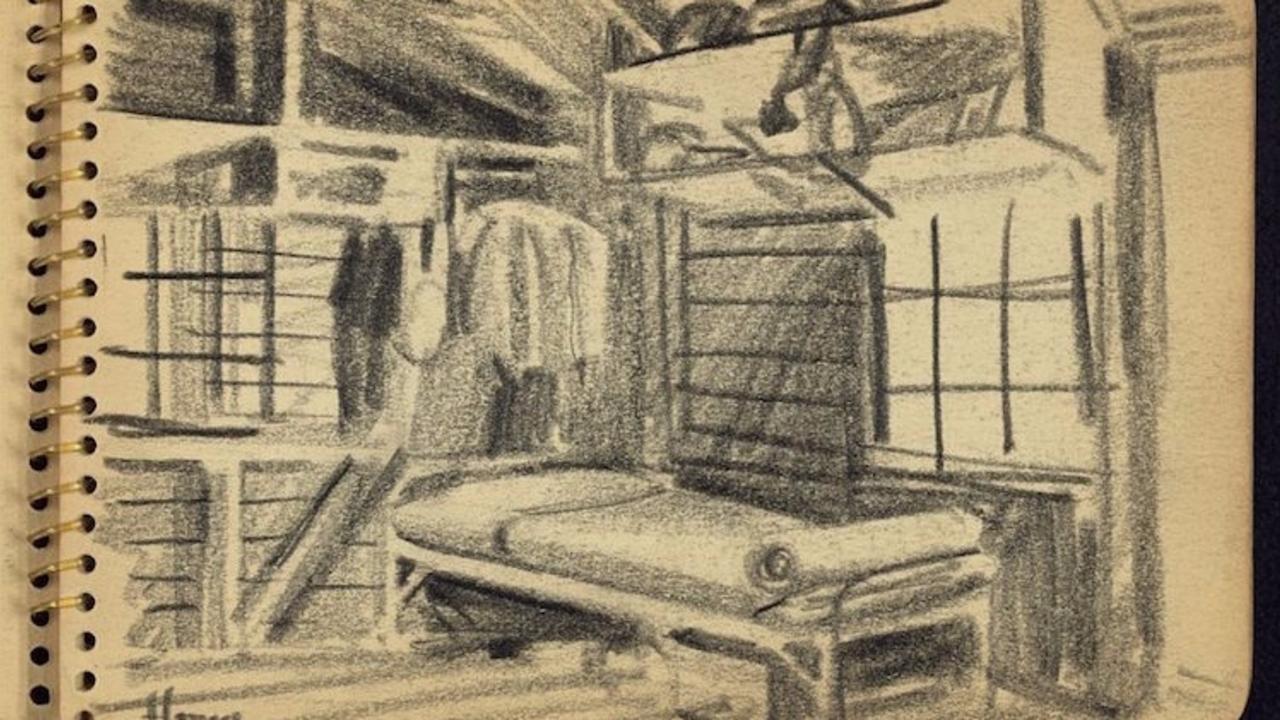
True artists must find a creative outlet no matter what the circumstance—including times of war. Thanks to the creative passion and steady hand of then 21-year old soldier Victor Lundy, we have a breathtaking visual record of World War II, in the form of documentary sketches. For Lundy, “drawing is sort of synonymous with thinking,” which means we are left with an intimate archive of sketches that unfold one soldier’s experience fighting on the front lines. Lundy was studying architecture in New York when, enthralled with the idea of rebuilding a post-war Europe, he enrolled in the Army Special Training Program. By 1944, with D-Day looming, the Army needed reinforcements, which meant that young Lundy would be thrown into the infantry. This shocking turn of events didn’t stunt his creativity, though.

Lundy, who is now 92, recalls his inability to listen during lectures. “I was busy sketching,” he admits. During his time in the infantry, he continued to sketch in his pocke...

Continue Reading...

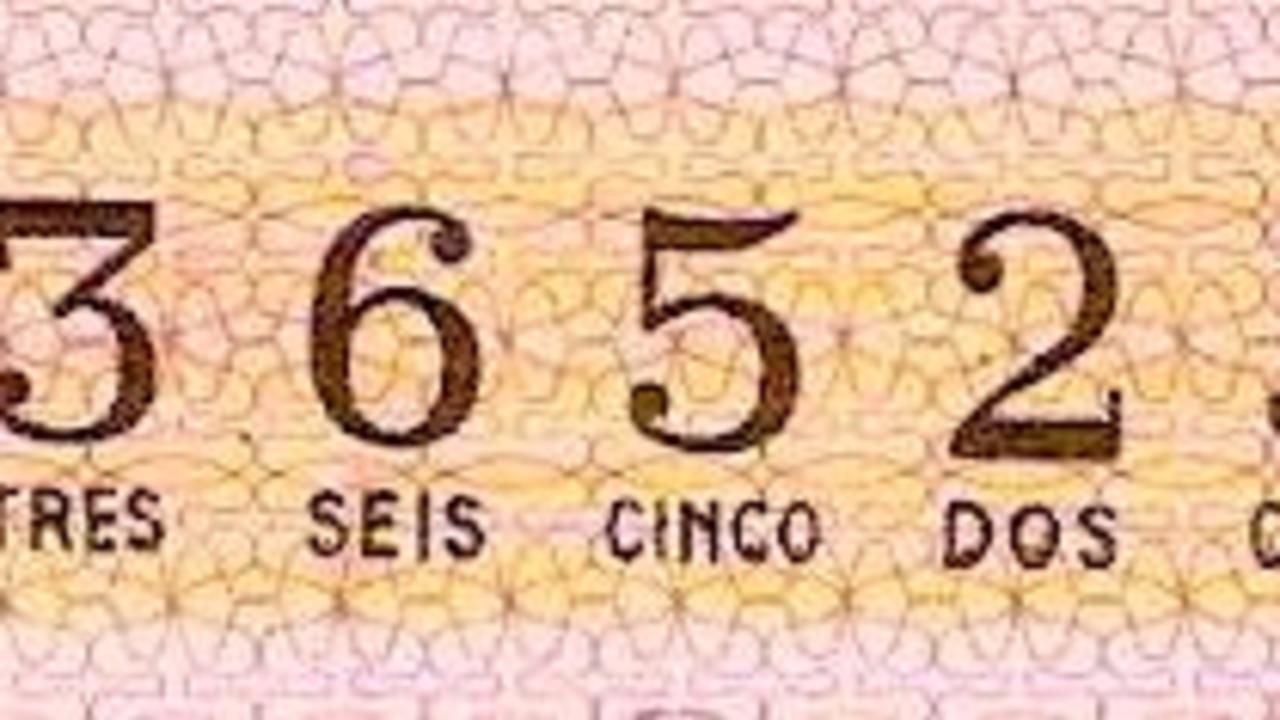
The Significance of 36,525...

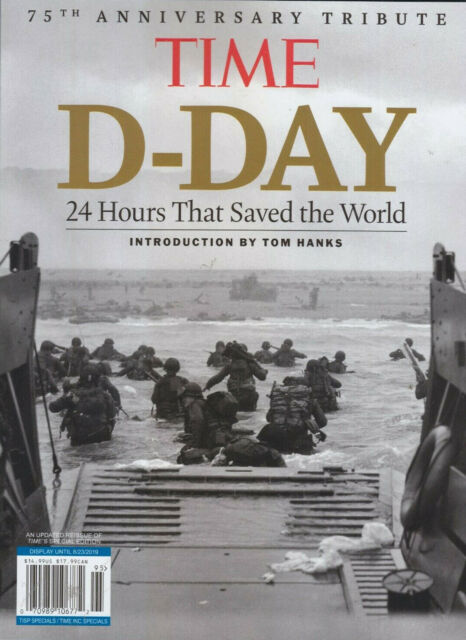
Arguably, if you had to pick one day that mattered most in the 20th Century, I'd say that D-Day would be that day. 

But how much do we really know about D-Day?  What importance do we place on it?   

I decided to canvass the internet as a kind of ad hoc method of determining what people regarded as the top events in 20th Century world history.  After reading many accounts, it ran the gamut: the Assassination of JFK, Apollo 11's First Steps on the Moon, the Challenger Disaster, the Assassination of Franz Ferdinand...and many others.

I talk about the results of that research project in one of the emails that you receive when you opt in to The D-Day Experience.

But what was so surprising to me is that D-Day was not in the top 10 of any of those lists I found.  

Was this a mistake of ignorance, omission or commission?  

You could probably make an argument for all three, but my immediate answer--giving society the benefit of the doubt--was that it's probably just the result of basi...

Continue Reading...

Two Brothers at Normandy American Cemetery: Quentin and Theodore Roosevelt


75 years ago, today, Brigadier General Theodore Roosevelt, Jr. passed away from a heart attack in Normandy.

Ted and his younger brother Quentin were the sons of President Theodore Roosevelt. Ted was wounded at Soissons during the summer of 1918 and received the Distinguished Service Cross. In July of that year, Quentin was killed in combat.

As assistant division commander of the 4th Infantry Division, Ted led the first wave on Utah Beach on D-Day. For his actions, he was posthumously awarded the Medal of Honor.

Both Quentin and Ted are buried side-by-side at Normandy American Cemetery.

Here are their stories...

Continue Reading...

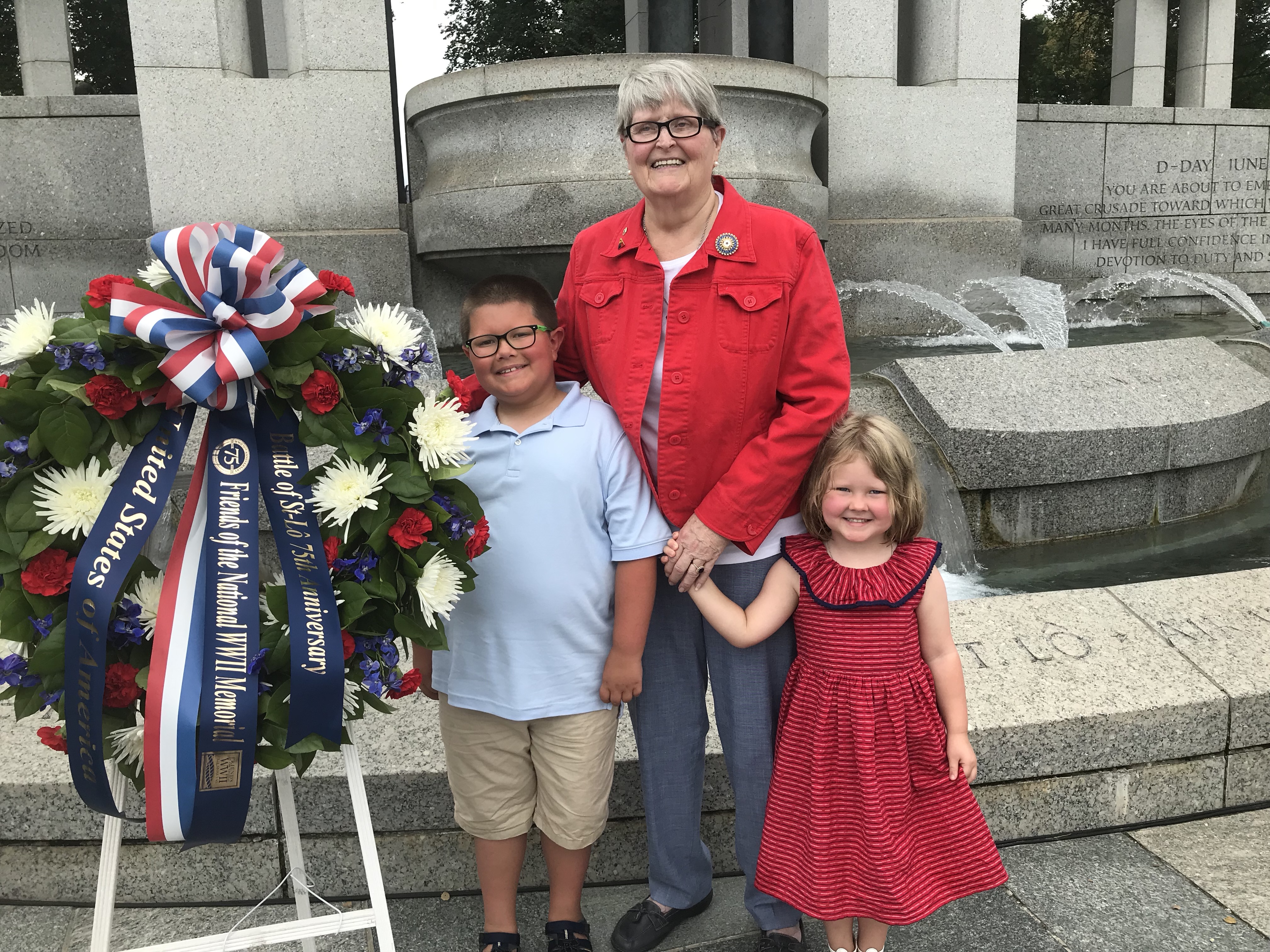
Battle of Saint-LĂ´ 75th Anniversary Commemoration

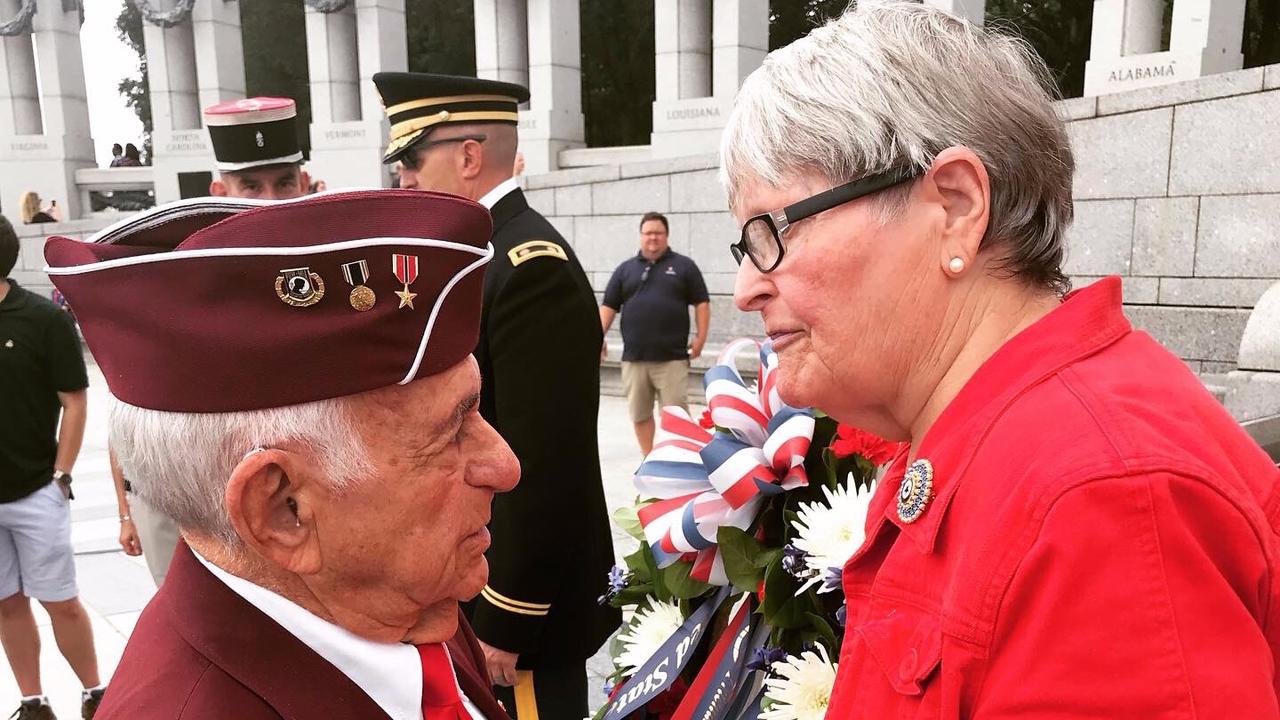
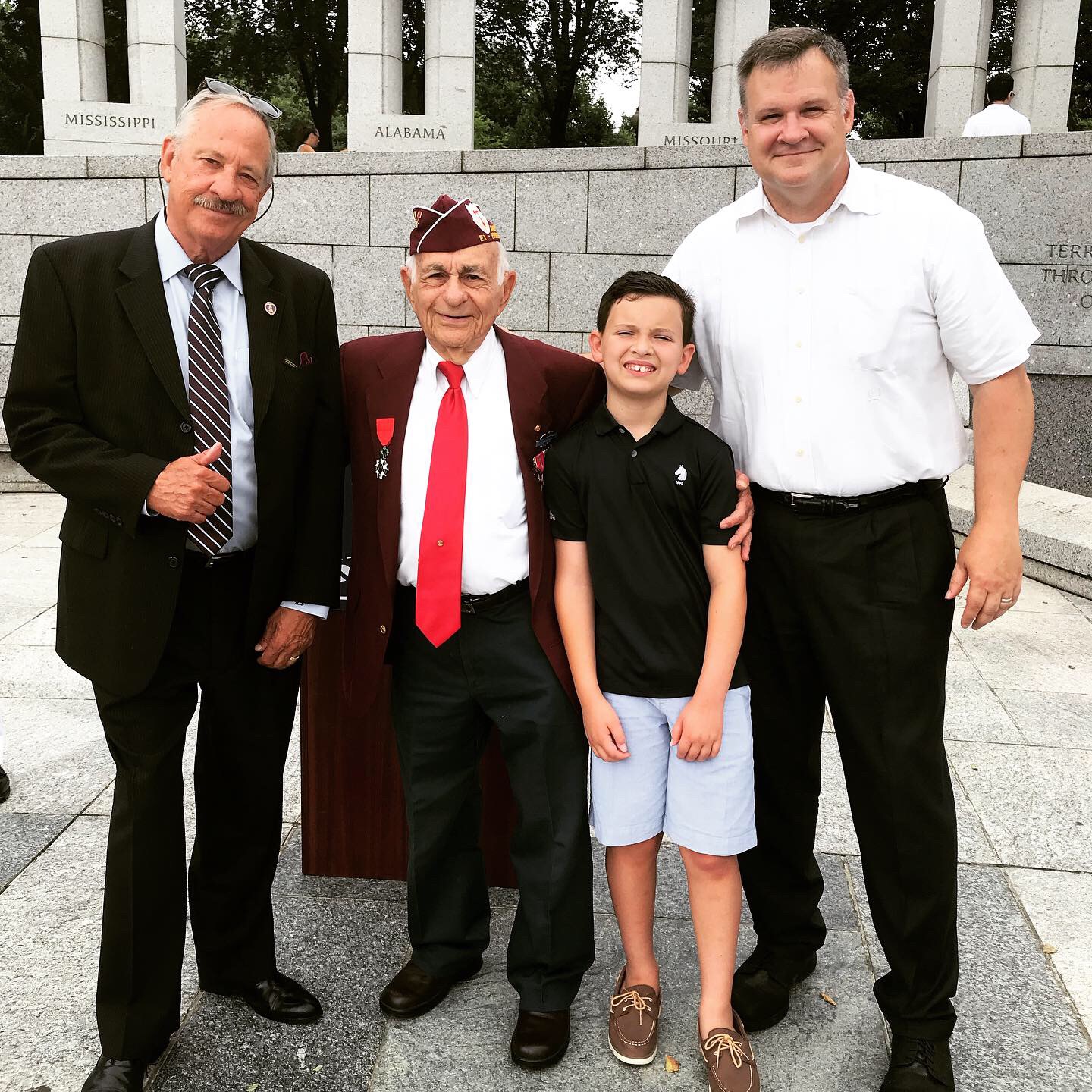
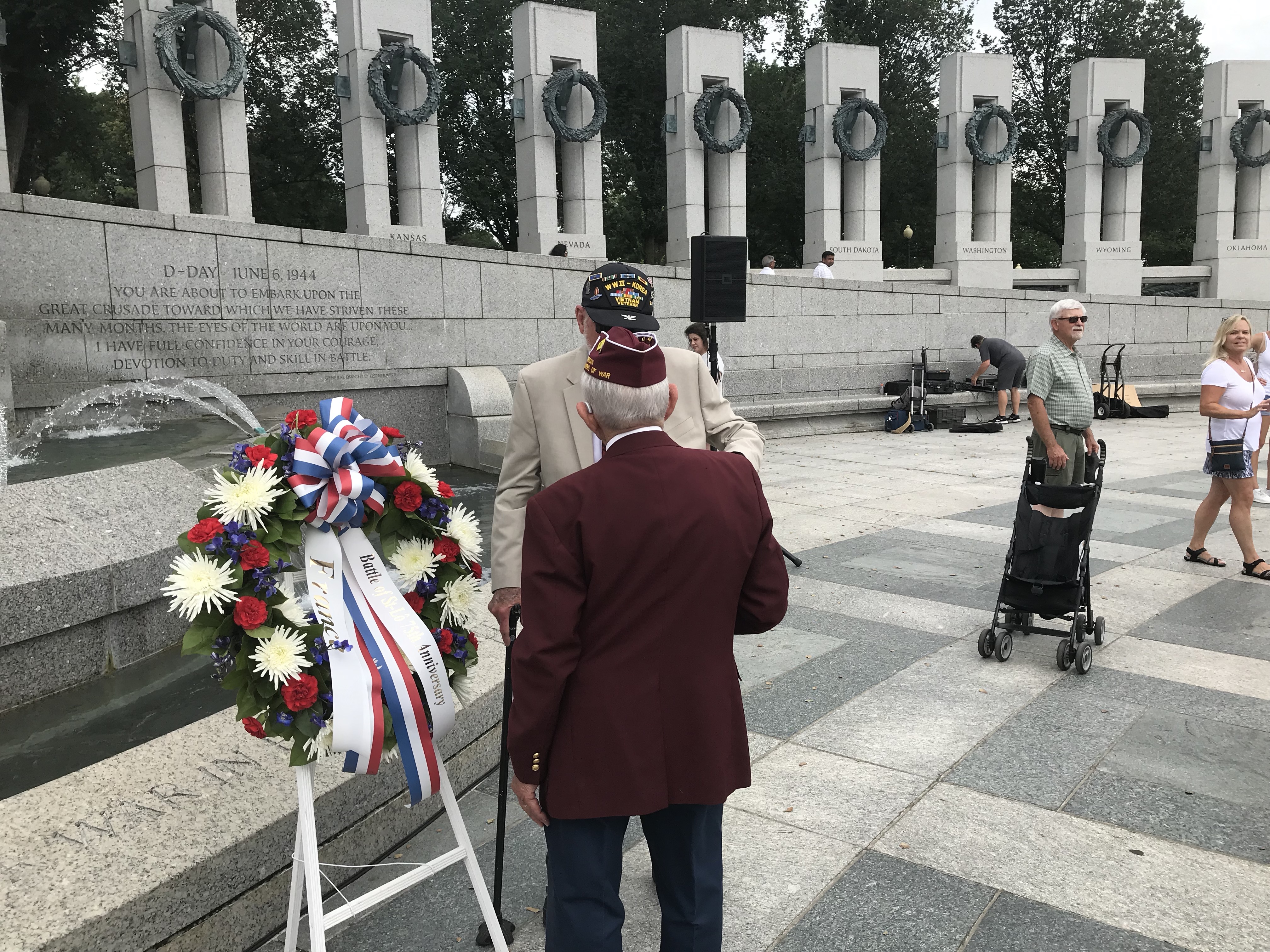
Luke and I had the opportunity to attend the Battle of Saint-Lô 75th Anniversary Commemoration at the Atlantic Arch of the WWII Memorial today. Our good friend, Jan Scruggs MC’d the event.

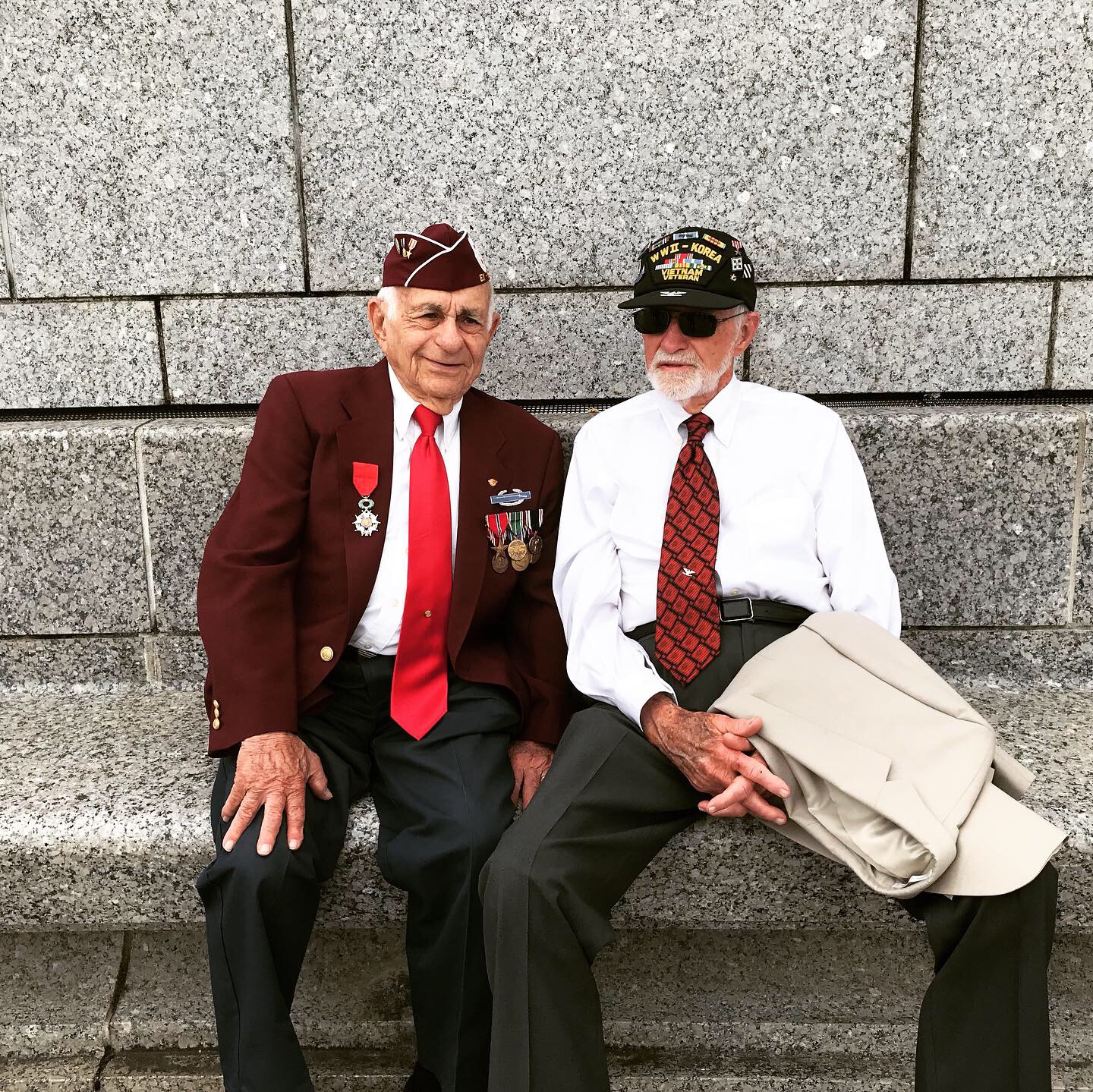
We had the opportunity to meet 94 year old WWII Veteran Harold Radish, who was captured and held in a Nazi POW camp. Realizing his imminent capture, he told us he immediately “understood the situation I was in.” ...“I’m Jewish!” he exclaimed. “So I quickly threw my dog tags away!”

We also spoke to WWII (Korean War and Vietnam War) Veteran Retired Army Colonel Frederick Clinton who joined the Army at 16 years of age.

We spoke to Ms. Judy Davis, daughter of Arthur John Curry who fought in the Battle of Saint-Lô. He was a member of the 70th Tank Battalion, that landed on Utah Beach on June 6, 1944 in the first wave of tanks at 0630. He was killed August 27, 1944 in the vicinity of Clichy-Sur-Boisy in northeast Paris. He’s buried at Normandy American Cemetery at Normandy, Plot A, Row 15 Grav

...
Continue Reading...

The Dick Winters Leadership Monument in Normandy, France


Whenever I'm in Normandy, I always make a point to visit the Dick Winter's Leadership Monument.  You can't miss it.  It's right off the causeway on your way to Utah Beach.  In many ways, I believe it represents all of the values and principles of leadership that should be recognized during any visit here, and in any study of D-Day and the Battle for Normandy.  Here's a quick video from that monument to the young leaders who fought and won this monumental battle.


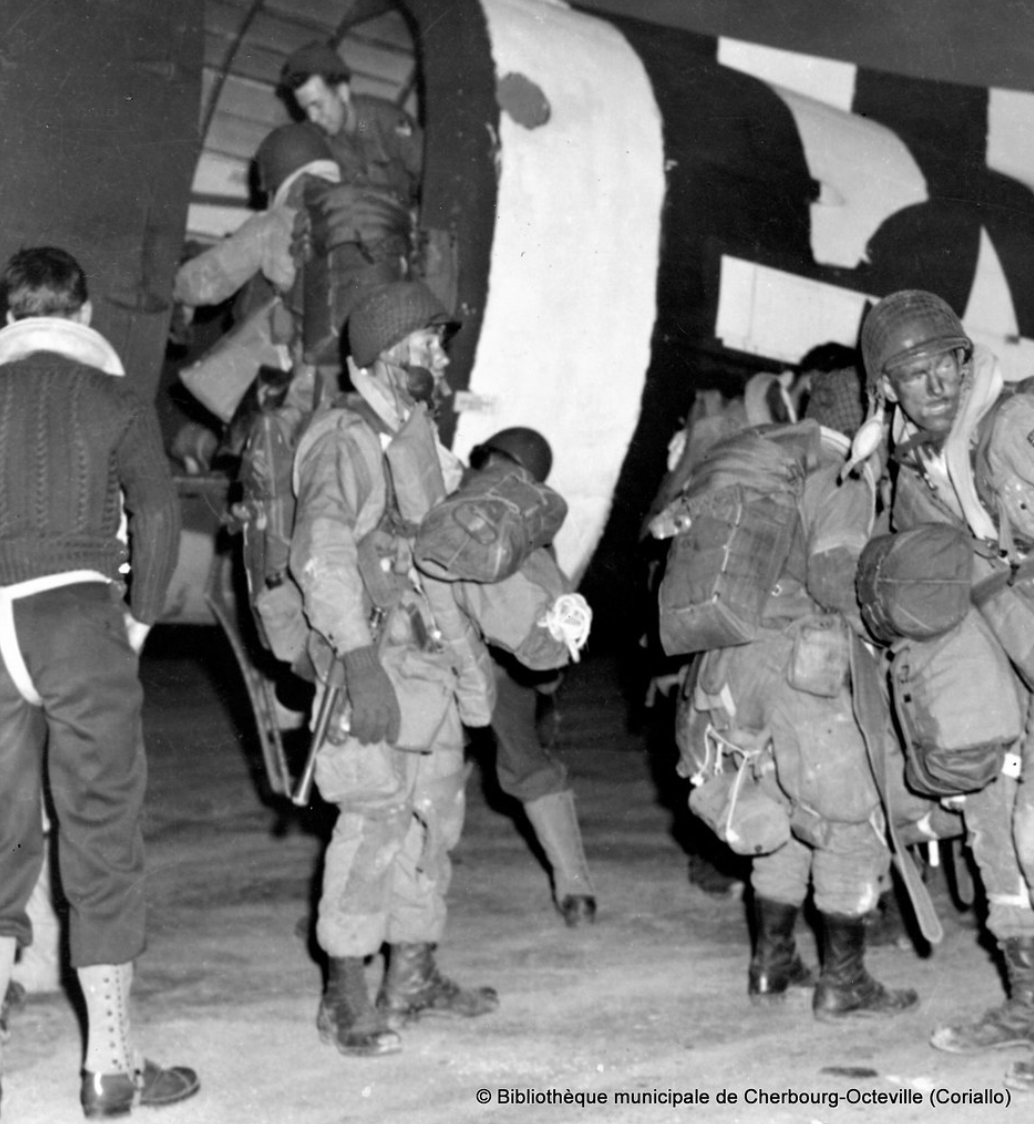
Paratroopers from 2d Battalion, 506th PIR loading for their Albany mission,
intended to jump on the DZ "C" in Hiesville at 0120 hours.

This photo was taken on Upottery airfield in Devon on the evening of June 5, 1944.
The aircraft is a C-47 (#42-93004 from 94th Squadron - 439th Troop Carrier Group -
Chalk number # 78 - serial # 12). The pilot (back) is 2nd Lt. Martin N. Neill.
2nd Lt. Carl E. George (co-pilot) helps the paratroopers to board.


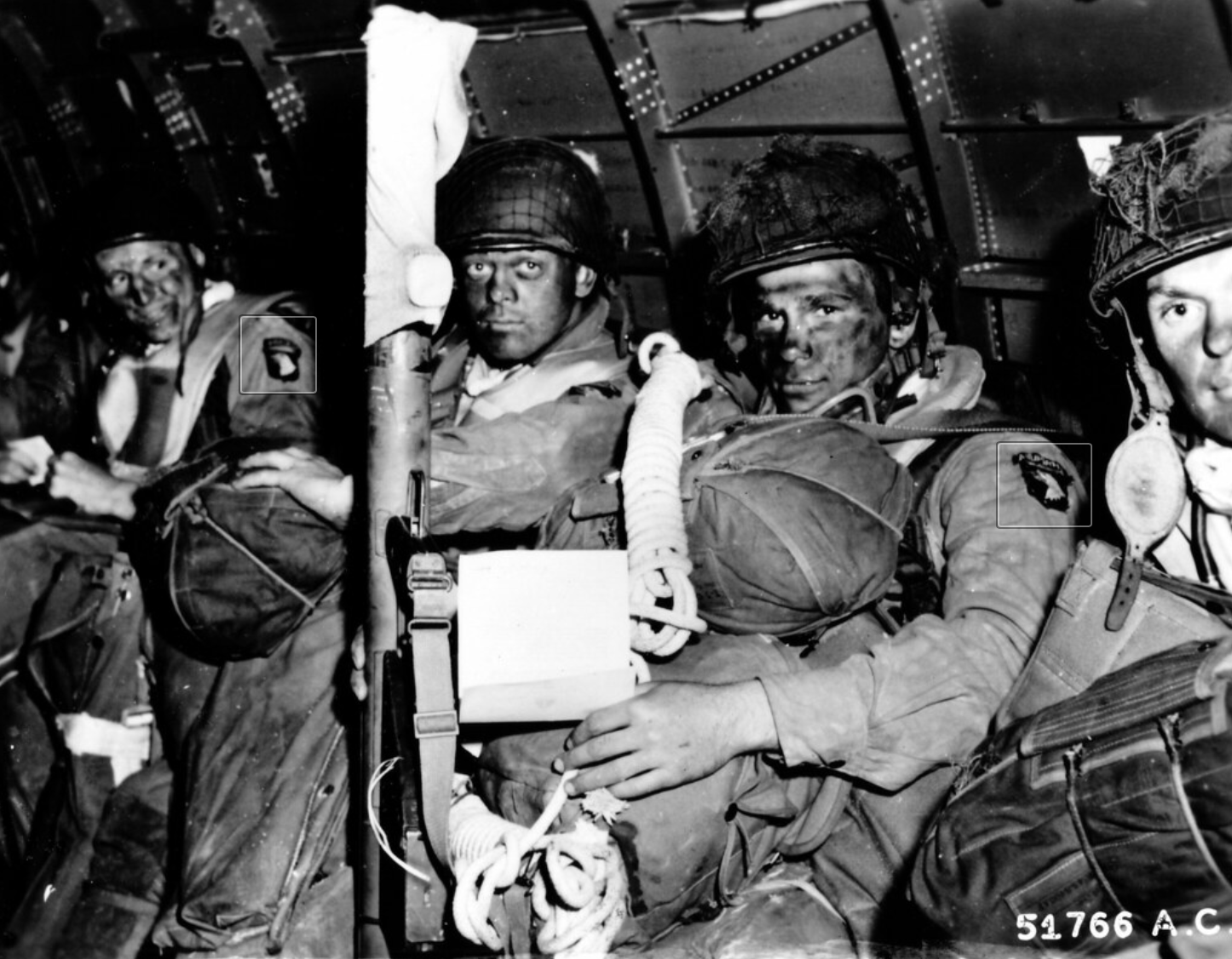
William G. Olanie, Frank D. Griffin, Robert J. Noody, Lester T. Hegland

The 506th PI...
Continue Reading...
Close

50% Complete

Two Step

Lorem ipsum dolor sit amet, consectetur adipiscing elit, sed do eiusmod tempor incididunt ut labore et dolore magna aliqua.