Edward R. Murrow’s Story— and his Enduring Influence on Journalism

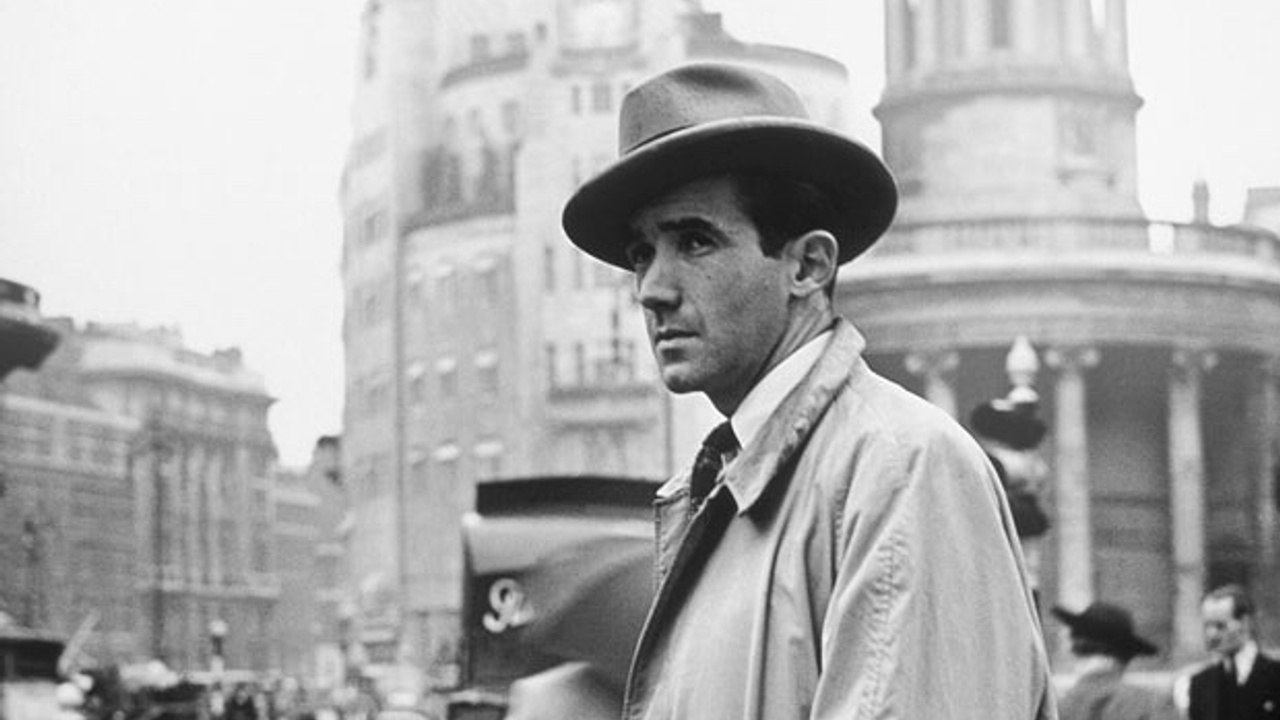
"Good night, and good luck”...It was a nightly close immortalized by Emmy-winning journalist Edward R. Murrow following each of his broadcasts. He gained prominence during World War II with live broadcasts from Europe. Reporting from the front, he flew with 25 combat missions in Europe during the war.

No alt text provided for this image

Edward R. Murrow brought rooftop reports of the Blitz of London into America's living rooms before this country entered World War II. After the war, Murrow and his team of reporters brought news to the new medium of television.

A pioneer of radio and television news broadcasting, Murrow produced a series of reports on his television program See It Now that helped lead to the censure of Senator Joseph McCarthy.

Murrow won four Peabody awards, the Medal of Freedom, and as an American was knighted an honorary commander of the Order of the British Empire.

Fellow journalists Eric Sevareid, Ed Bliss, Bill Downs, Dan Rather, and Alexander Kendrick consider Murrow one of journalism's gr

...
Continue Reading...

In Memory of Sergeant Stubby - The Most Decorated War Dog of World War I (...Who May Have Invented Football's Halftime Show!)

No alt text provided for this image

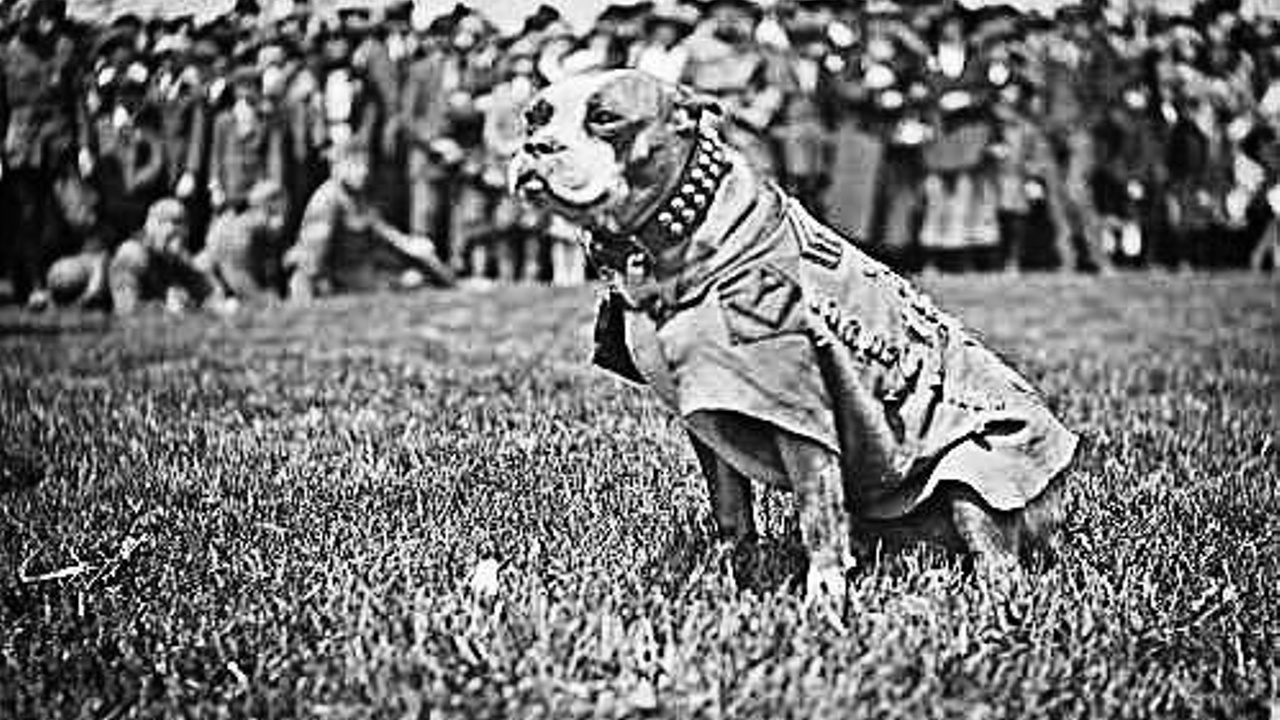
Sergeant Stubby was the most decorated war dog of World War I and the only dog to be promoted to sergeant. Smuggled aboard the USS Minnesota, he served with the 102nd Infantry, 26th (Yankee) Division in the trenches in France for 18 months, participated in 4 offensives, and 17 battles. Stubby learned to warn his unit of gas attacks, located wounded soldiers, and could hear incoming artillery shells long before the rest of the unit. He even caught a German soldier by grabbing him by the seat of his pants and holding him there until American soldiers found him.

His actions were well-documented.

Stubby has been called the most decorated war dog of WWI and the only dog to be nominated for rank and then promoted to sergeant through combat.

Stubby was described in news stories as a Boston Terrier or "American bull terrier," a mutt, and a dog of "uncertain breed."

The brindle-patterned pup probably owed at least some of his parentage to the evolving family of Boston Terriers, a breed so...

Continue Reading...

The Accidental Sale of the First Ford Mustang...and How Ford Got it Back

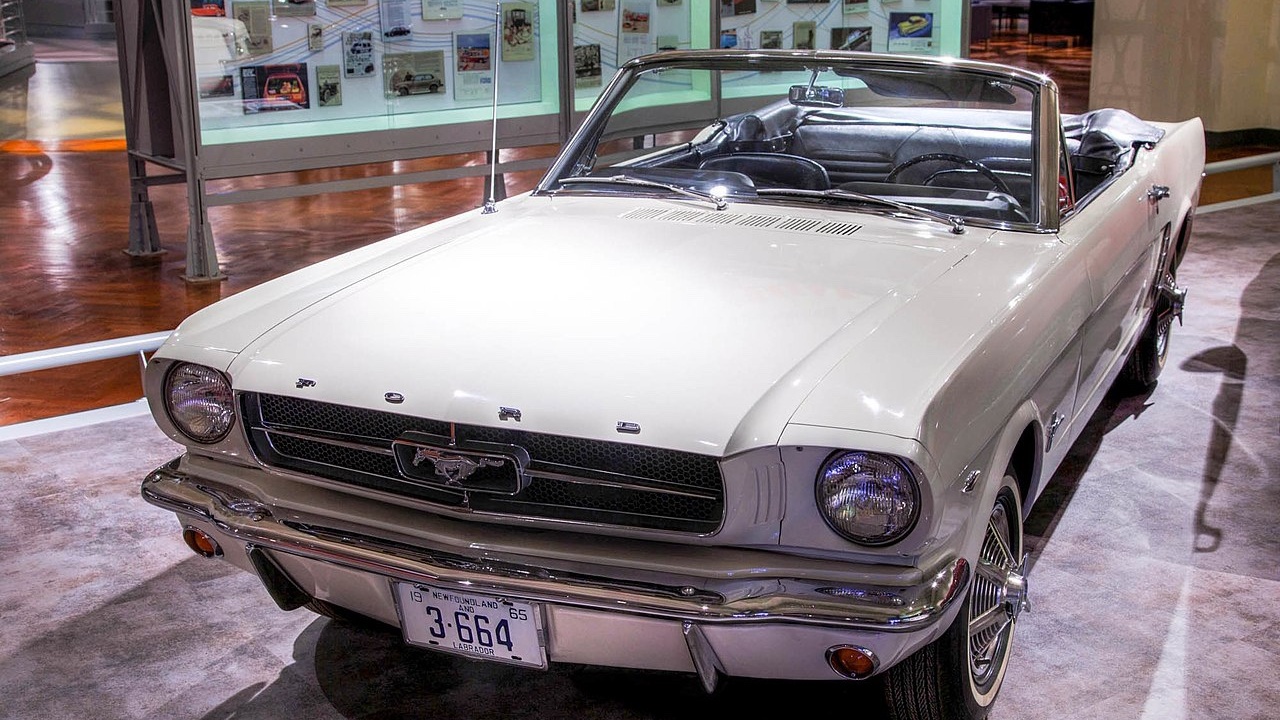
On this Day, March 9, 1964, Ford began production of its new sports car, the Mustang.

At that moment in time, the U.S. economy was booming, the first Beatles record had just been released, LBJ had announced his War on Poverty, and the country was still trying to shake off the November 1963 assassination of President John F. Kennedy.

Cars were a positive distraction, and the release of the Ford Mustang was no exception.

The Mustang’s styling, with its long hood and short deck, proved wildly popular and inspired a host of competition.

No alt text provided for this image

At a base price of $2,368, it was originally intended to be a mid-engine two-seated roadster, but that changed when the sales of the Thunderbird increased after adding a back seat.

Since it was introduced four months before the normal start of the 1965 production year, the earliest Mustangs are widely referred to as the 1964½ model by enthusiasts.

Before the car officially hit the sales floor on April 17, 1964, Ford wanted every dealership to have a...

Continue Reading...

Was “Ripley’s Believe It Or Not” Responsible for our National Anthem?

On this Day, March 3, 1931, Francis Scott Key's song The Star-Spangled Banner is adopted as the American national anthem by Congress.

But how that happened exactly is little-known to most. To put it simply, it was an evolution and a process...but to put it mildly, it was not at all simple.

No alt text provided for this image

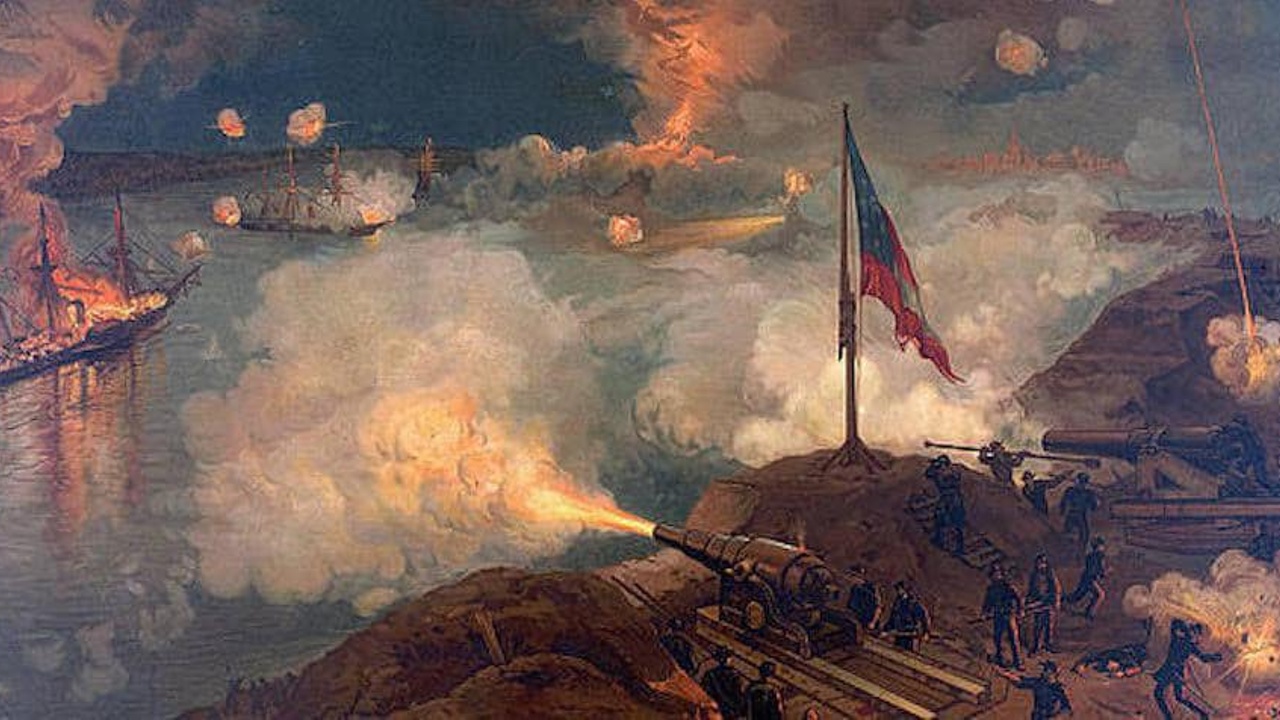
Of course, Key wrote the song in 1814 after seeing the American flag flying following the British bombardment of Ft. McHenry during the War of 1812.

But in writing the song, Key borrowed widely from other songs and melodies, often with very similar lyrics.

Long assumed to have originated as a drinking song, the melody was taken from the song “To Anacreon in Heaven,” which first surfaced about 1776 as a club anthem of the Anacreontic Society, an amateur mens’ music club in London. Written by British composer John Stafford Smith—whose identity was discovered only in the 1970s by a librarian in the music division of the Library of Congress—the song was sung to signal a transition between the e

...
Continue Reading...

The Dick Winters Leadership Monument in Normandy, France


Whenever I'm in Normandy, I always make a point to visit the Dick Winter's Leadership Monument.  You can't miss it.  It's right off the causeway on your way to Utah Beach.  In many ways, I believe it represents all of the values and principles of leadership that should be recognized during any visit here, and in any study of D-Day and the Battle for Normandy.  Here's a quick video from that monument to the young leaders who fought and won this monumental battle.


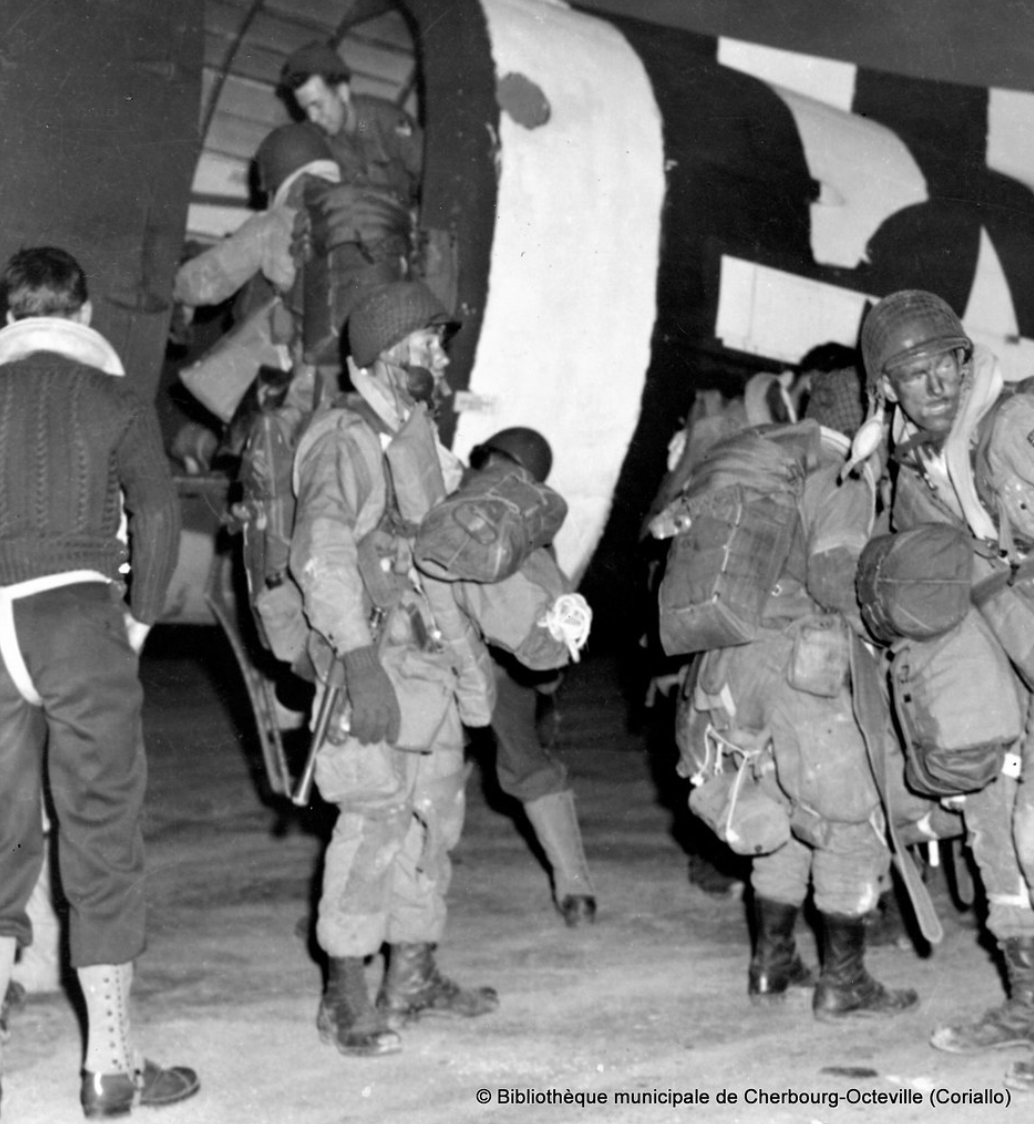
Paratroopers from 2d Battalion, 506th PIR loading for their Albany mission,
intended to jump on the DZ "C" in Hiesville at 0120 hours.

This photo was taken on Upottery airfield in Devon on the evening of June 5, 1944.
The aircraft is a C-47 (#42-93004 from 94th Squadron - 439th Troop Carrier Group -
Chalk number # 78 - serial # 12). The pilot (back) is 2nd Lt. Martin N. Neill.
2nd Lt. Carl E. George (co-pilot) helps the paratroopers to board.


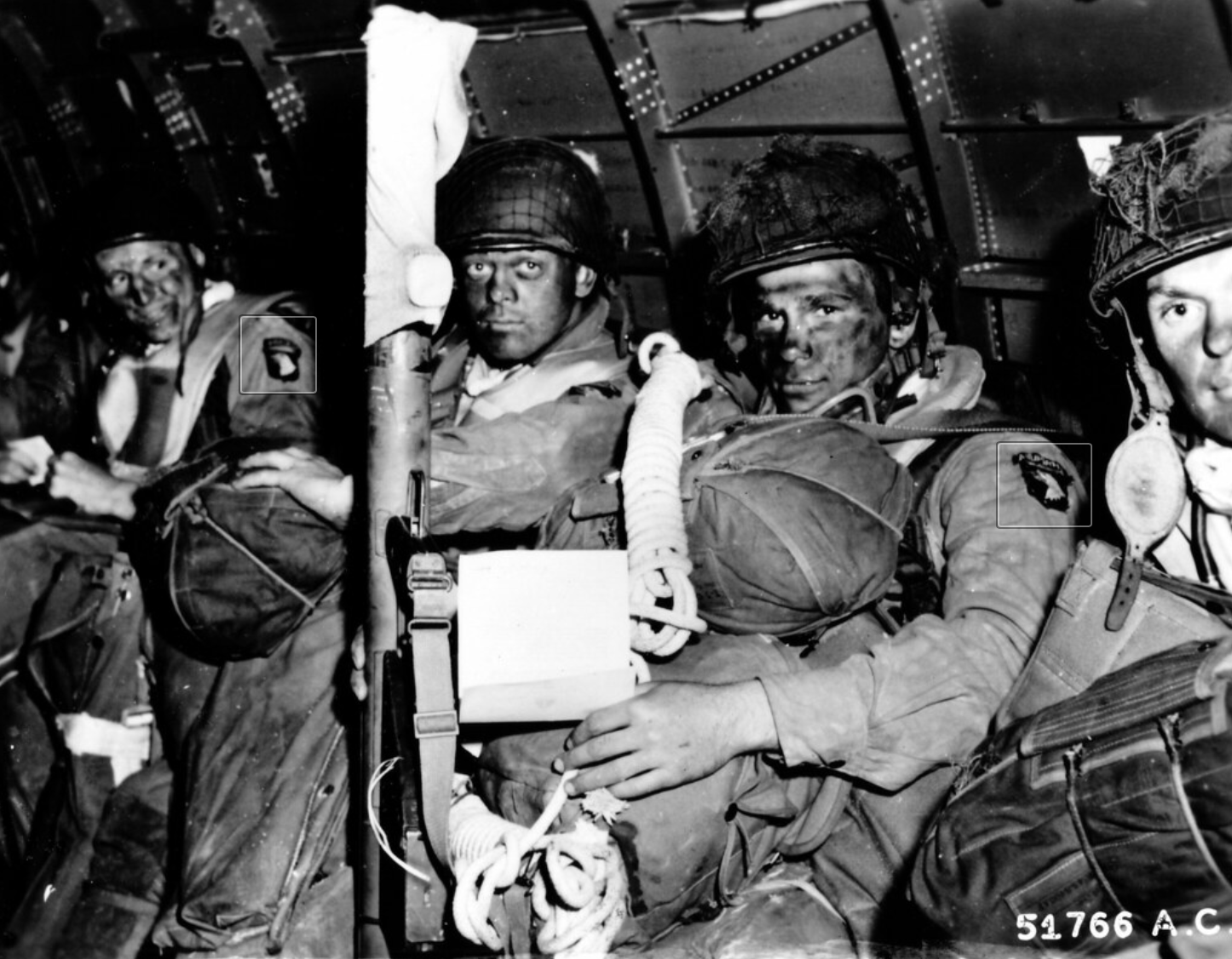
William G. Olanie, Frank D. Griffin, Robert J. Noody, Lester T. Hegland

The 506th PI...
Continue Reading...
Close

50% Complete

Two Step

Lorem ipsum dolor sit amet, consectetur adipiscing elit, sed do eiusmod tempor incididunt ut labore et dolore magna aliqua.