Battle of Iwo Jima
Feb 21, 2021
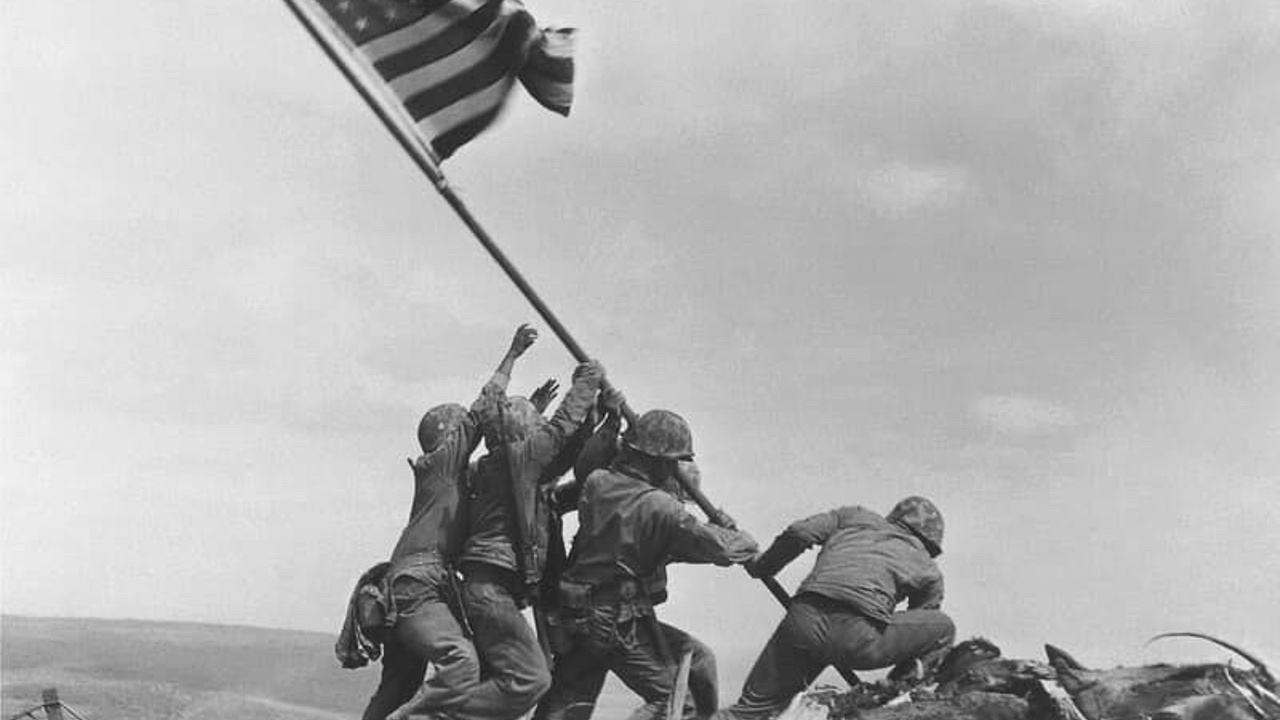
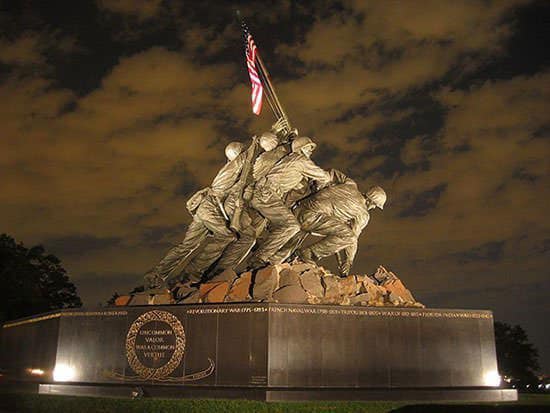
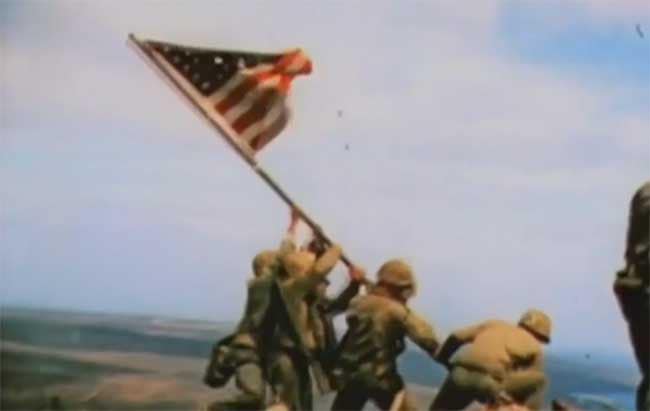
On February 19, 1945, U.S. Marines landed on Iwo Jima in an amphibious invasion of the island. With more than 7,000 American troops killed, it was one of the costliest battles of World War II. The famous raising of the flag on Mt. Suribachi would take place four days later.
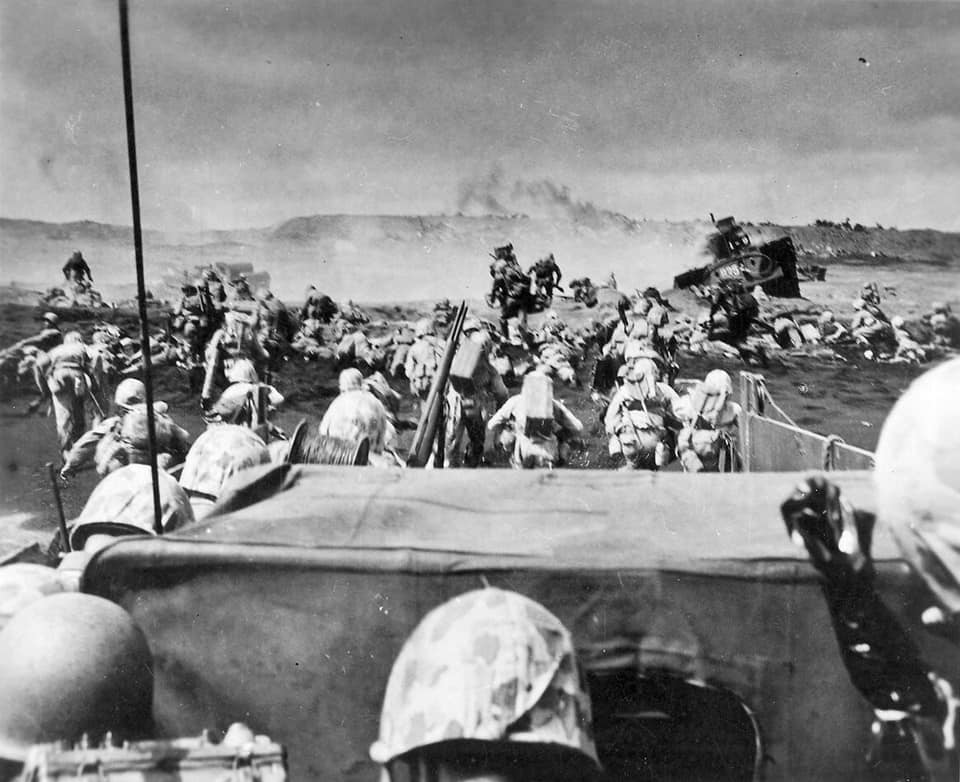
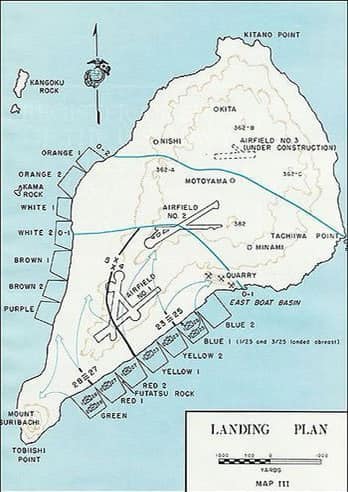
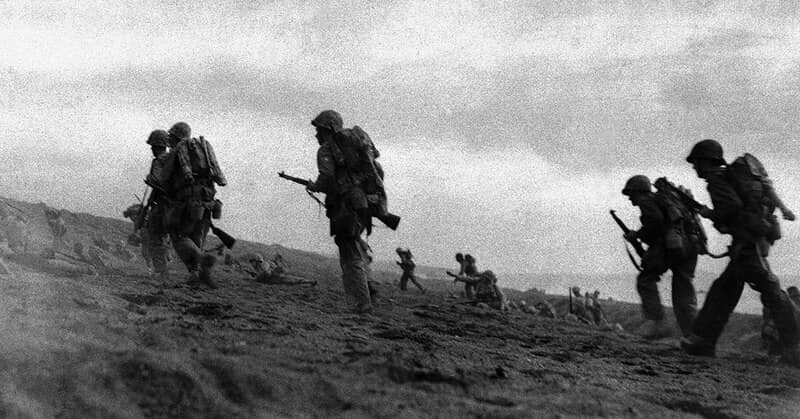
In good order, the Marines began deployment to the Iwo Jima beach and In the deathly silence, landed US Marines began to slowly inch their way forward inland, oblivious to the danger awaiting them. After allowing the Americans to pile up men and machinery on the beach for just over an hour, the Japanese unleashed the undiminished force of their countermeasures. Shortly after 10:00, everything from machine guns and mortars to heavy artillery began to rain down on the crowded beach, which was quickly transformed into a nightmarish bloodbath.
Time-Life correspondent Robert Sherrod described it simply as "a nightmare in hell."
Iwo Jima translates as “Sulfur Island”, a name that gives some impression of its foreboding nature. Remote, volcanic and inhospitable at the best of times, on 19 February 1945, Iwo Jima presented US Marines with an especially unwelcoming landscape.
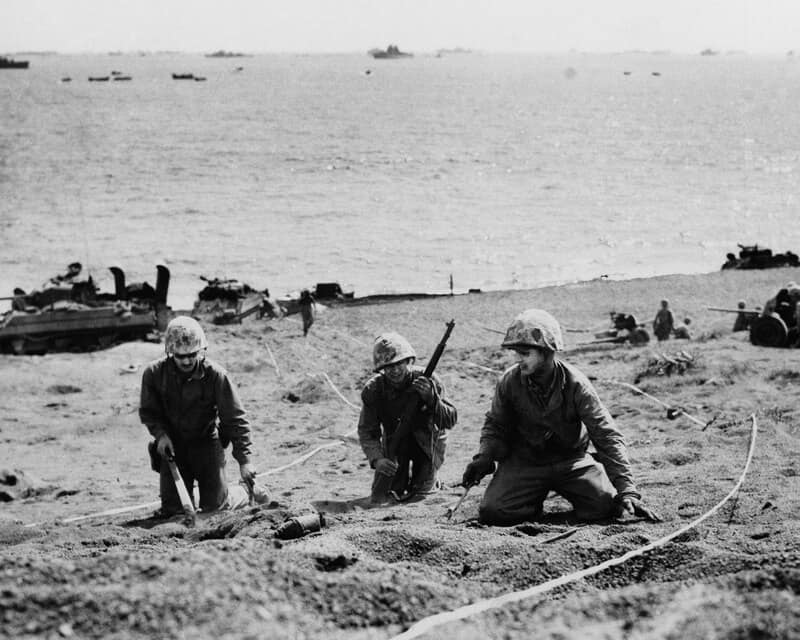
As Lieutenant Colonel Justus M. ‘Jumpin’ Joe’ Chambers led his 3rd Battalion, 25th Marines, across the first terrace on the right flank of the landing beaches, he encountered interlocking bands of automatic-weapons fire unlike anything he had faced in Tulagi or Saipan. ‘You could’ve held up a cigarette and lit it on the stuff going by,’ he recalled. ‘I knew immediately we were in for one hell of a time.’
Lying roughly halfway between American Army Airforce bases in the Mariana Islands and the Japanese islands, the military base on Iwo Jima gave the Japanese an ability to send early air raid warnings to the Japanese mainland and launch fighters from its airfields to intercept raids. The American invasion, designated Operation Detachment, had the purpose of capturing the island with its two airfields: South Field and Central Field. The strategic objectives were twofold: the first was to provide an emergency landing strip for battle-damaged B-29s unable to make it back to US air bases in the Marianas Tinian, Saipan, Guam. The second was to provide air fields for fighter escorts, long-range P-51s, to provide fighter coverage to the bombers.
The battle lasted till March 26th.
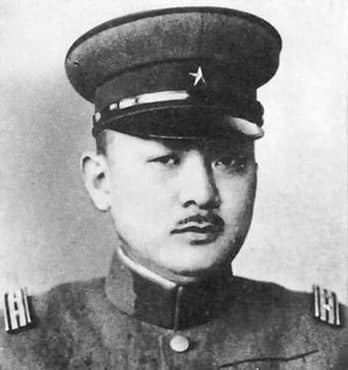
The invasion pitted 70,000 US combatants against 22,060 Japanese defenders.
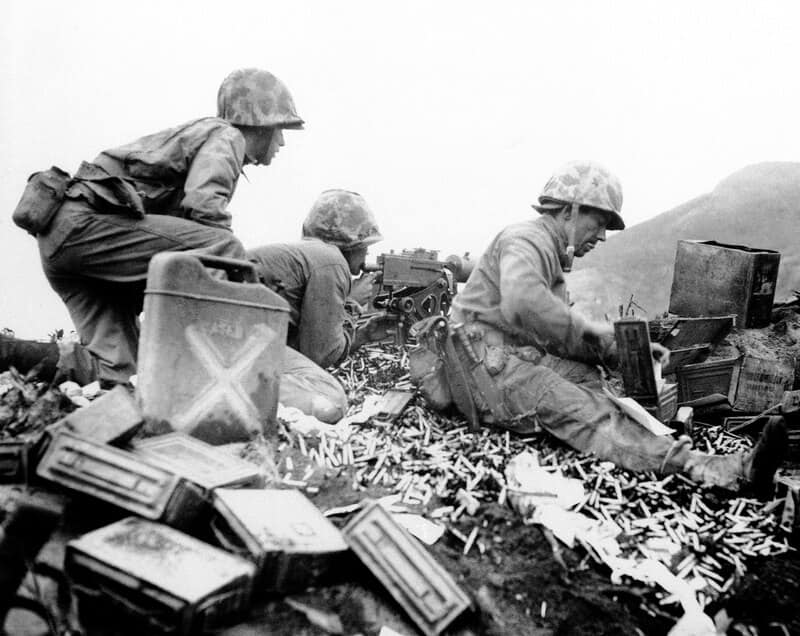
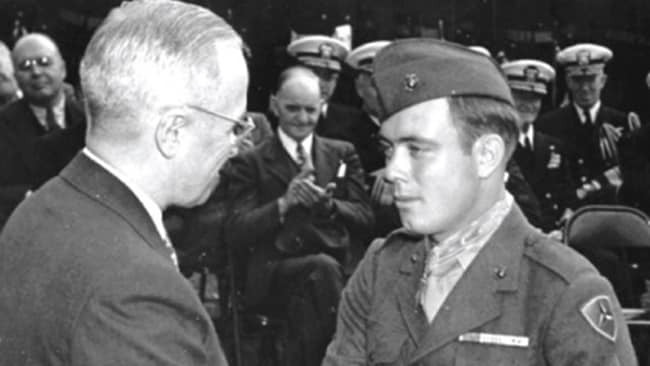
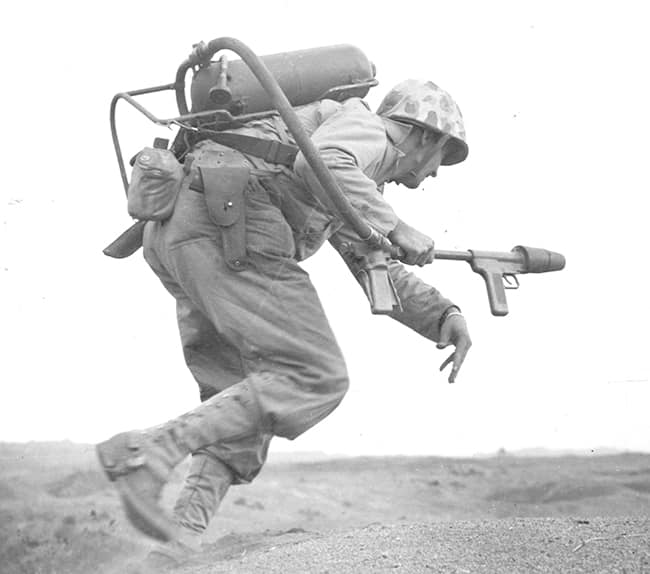
Operation Detachment was one of the deadliest conflicts in U.S. Marine Corps history. The Japanese death toll approached 18,500 soldiers, and some 6,800 U.S. Marines were killed and 19,200 were wounded. Twenty-seven Medals of Honor were awarded at the conclusion of the battle.
Seizing Iwo Jima achieved all the strategic goals desired by the Joint Chiefs of Staff. American B-29s could henceforth fly with less reserve fuel and a greater bomb payload, knowing Iwo Jima would be available as an emergency field. Iwo-based fighters escorted the Superfortresses to and from Honshu.
For the first time, all the Japanese islands were within bomber range. Was all this worth the cost? One surviving Marine Corps officer thinks the question is still moot: ‘We saved a lot of airplanes, but whether it was worth the Marine lives to save Air Force planes, I don’t know.’
The 2,400 Army Air Force pilots who were forced to land at Iwo Jima between its capture and V-J Day had no doubts. Said one, ‘Whenever I land on this island, I thank God and the men who fought for it.’