World War II: The Four Chaplains
Feb 06, 2021
February 3, 1943. Four U.S. Army Chaplains die after giving up their life jackets to save others. At 12:55 am, the The Dorchester, a 5,649 ton civilian liner, is torpedoed by the German submarine U-223 off Newfoundland in the North Atlantic.
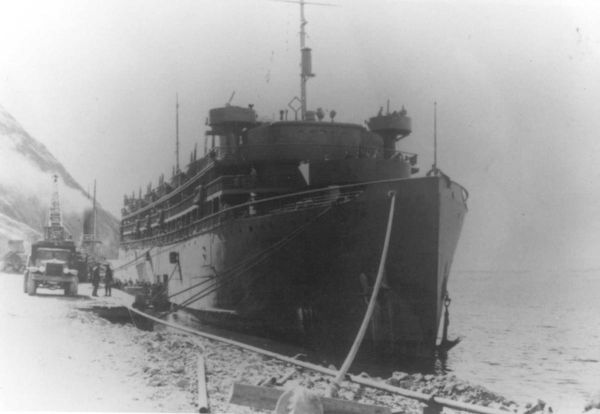
The torpedo knocks out the Dorchester's electrical system, leaving the ship dark. Panic sets in among the men on board, many of them trapped below decks. The chaplains calm the men and organize an orderly evacuation of the ship, and help guide wounded men to safety. As life jackets are passed out to the men, the supply runs out before each man has one.
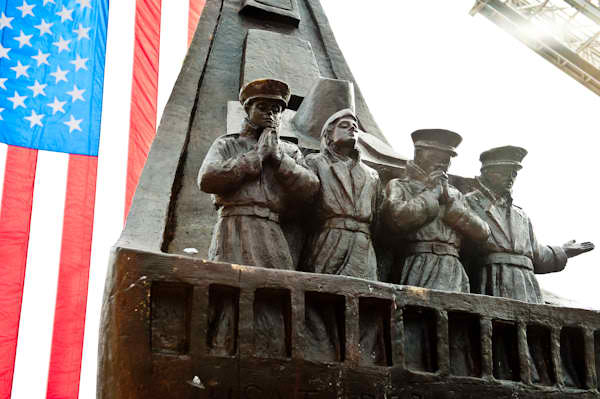
The chaplains help others board lifeboats and give up their own life jackets when the supply runs out. The chaplains join arms, say prayers, and sing hymns as they go down with the ship.
“As I swam away from the ship, I looked back. The flares had lighted everything. The bow came up high and she slid under. The last thing I saw, the Four Chaplains were up there praying for the safety of the men. They had done everything they could. I did not see them again. They themselves did not have a chance without their life jackets.”
— Grady Clark, Survivor
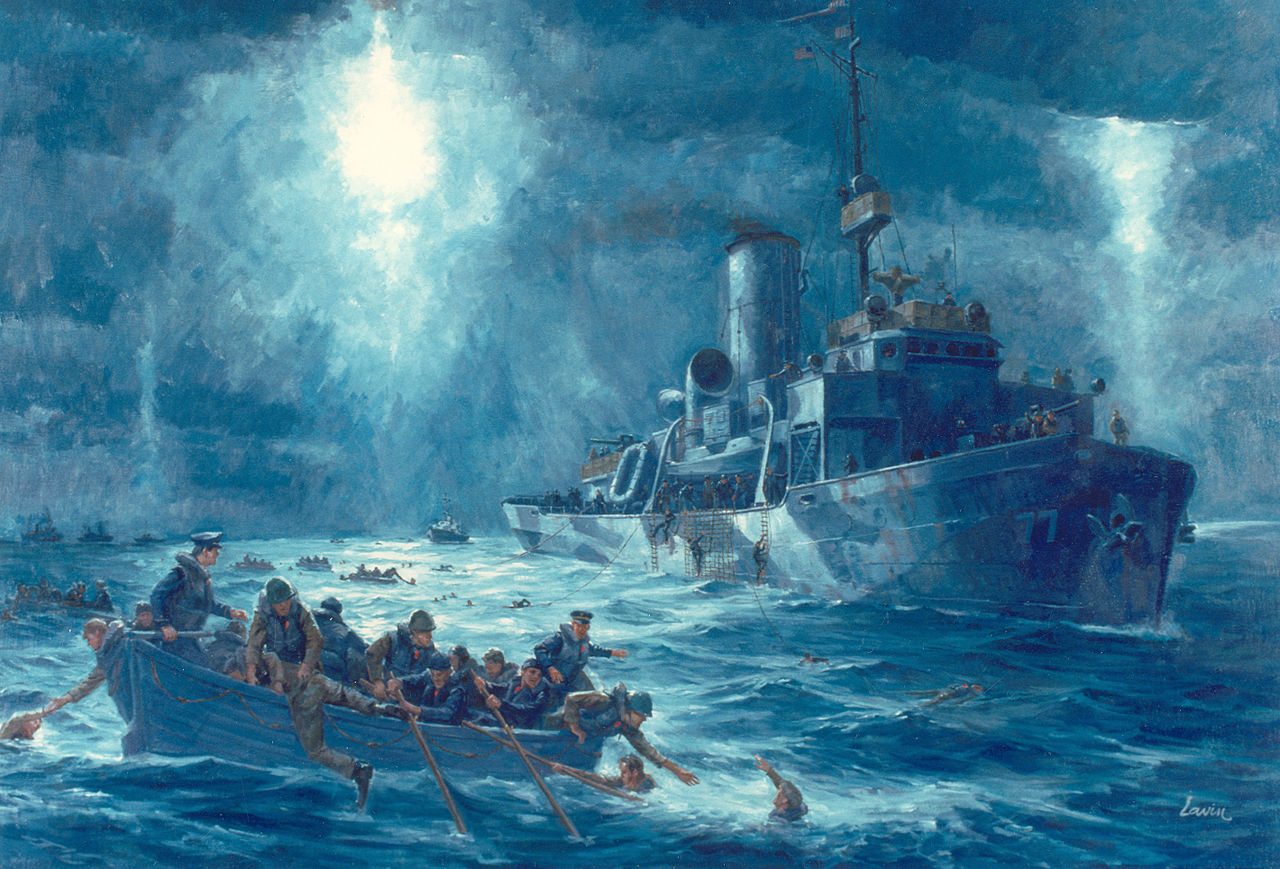
Survivors can hear different languages mixed in the prayers of the chaplains, including Jewish prayers in Hebrew and Catholic prayers in Latin. Only 230 of the 904 men aboard the ship are rescued. Life jackets offer little protection from hypothermia, which kills most men in the water. The water temperature is 34 °F and the air temperature is 36 °F. By the time additional rescue ships arrive, "hundreds of dead bodies were seen floating on the water, kept up by their life jackets."
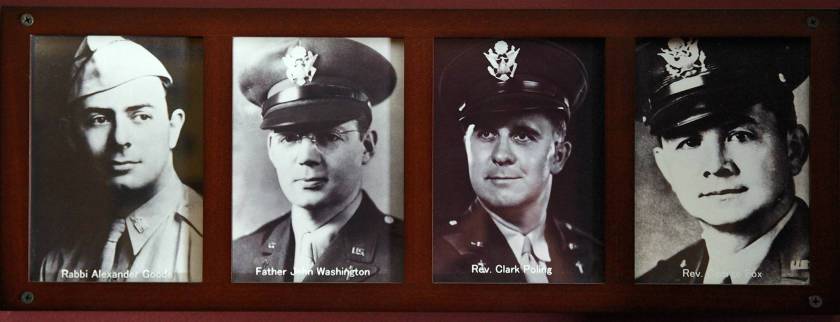
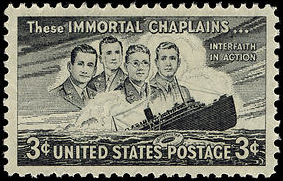
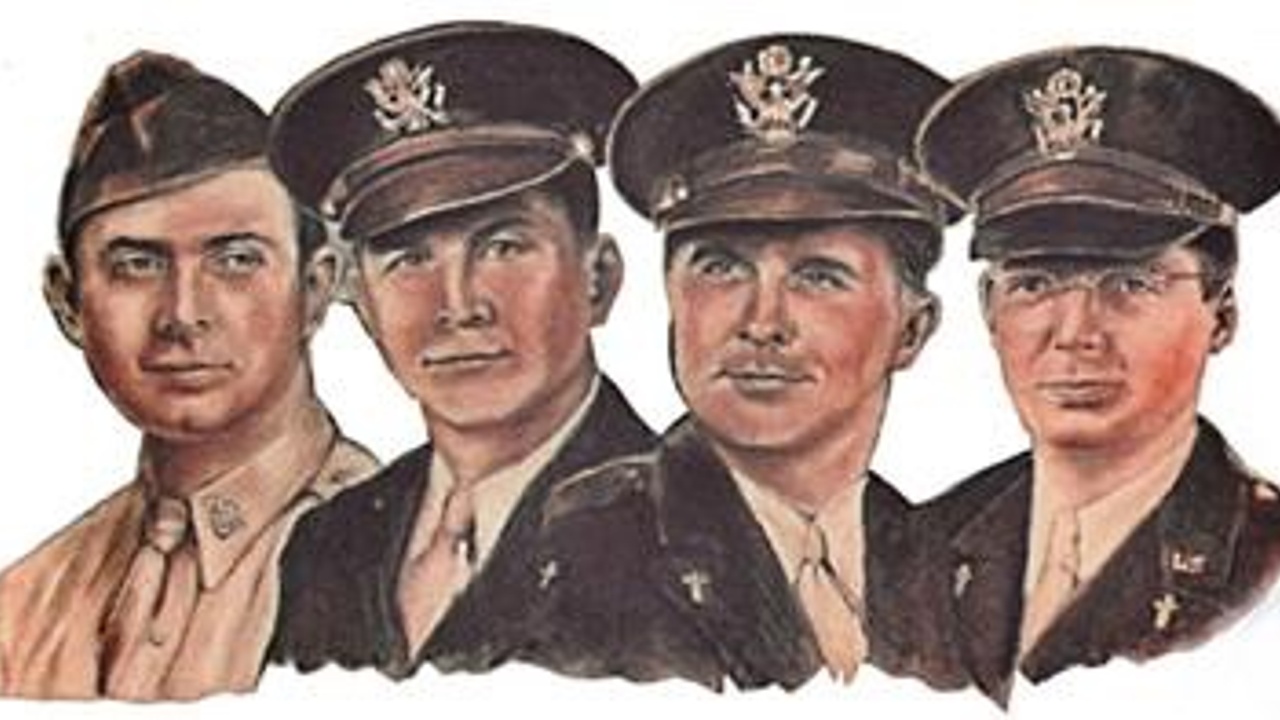
The relatively new chaplains all hold the rank of first lieutenant. They include Methodist minister the Reverend George L. Fox, Reform Rabbi Alexander D. Goode (PhD), Catholic priest Father John P. Washington, and Reformed Church in America minister the Reverend Clark V. Poling.
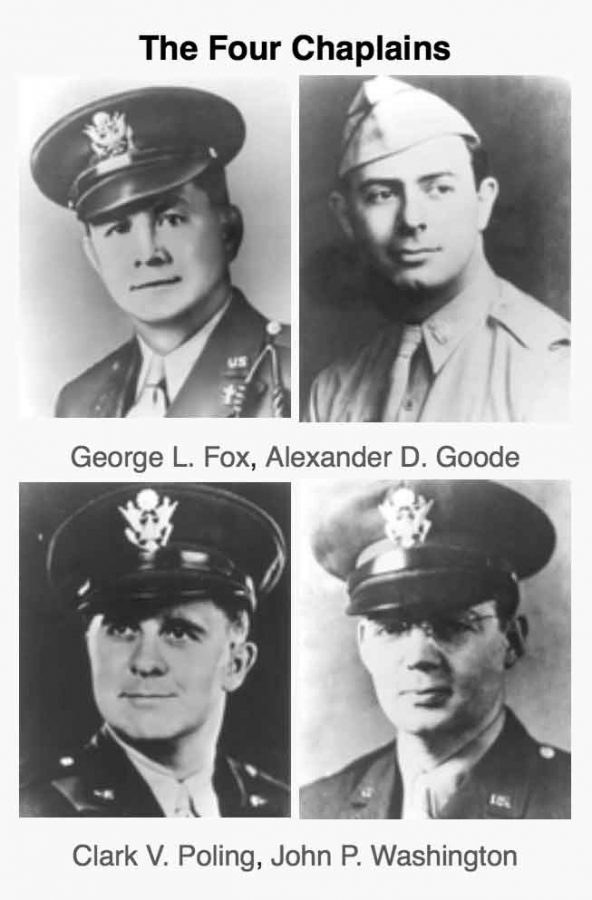
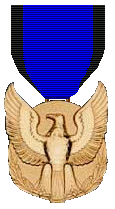
Each of the four chaplains is posthumously awarded the Distinguished Service Cross and the Purple Heart. The chaplains are nominated for the Medal of Honor, but are found ineligible as they had not engaged in combat with the enemy. Instead, Congress create a medal for them, with the same weight and importance as the Medal of Honor.