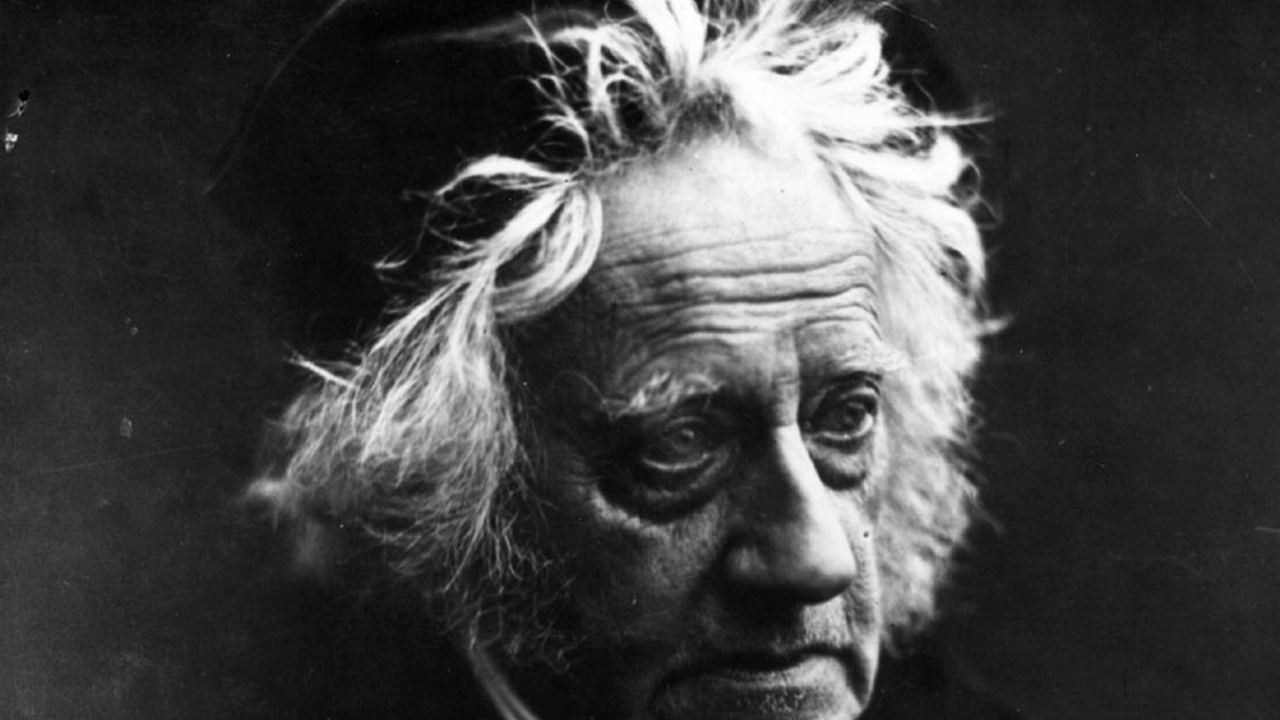
Sir John Herschel: The Preeminent Astronomer who also Invented the Blueprint...and much more!

Sir John Herschel was Victorian England’s scientist, astronomer, pioneer photographer, and mathematician, often considered the equal of Sir Isaac Newton. 

Among many other achievements, He was also a chemist and inventor, experimental photographer who invented the blueprint in 1842, which allowed for the rapid, and accurate, production of an unlimited number of copies of technical drawings.

Herschel originated the use of the Julian day system in astronomy. He named seven moons of Saturn and four moons of Uranus – the seventh planet, discovered by his father Sir William Herschel. 

He made many contributions to the science of photography when it first emerged in 1839.

A full appreciation of Sir John Herschel and all of his contributions that continue to positively impact us today, however, can be gained with even a cursory review of his life story.

No alt text provided for this image

Early life

Sir John Frederick William Herschel was the only child of Mary Pitt and the respected, British astronomer, William

...
Continue Reading...

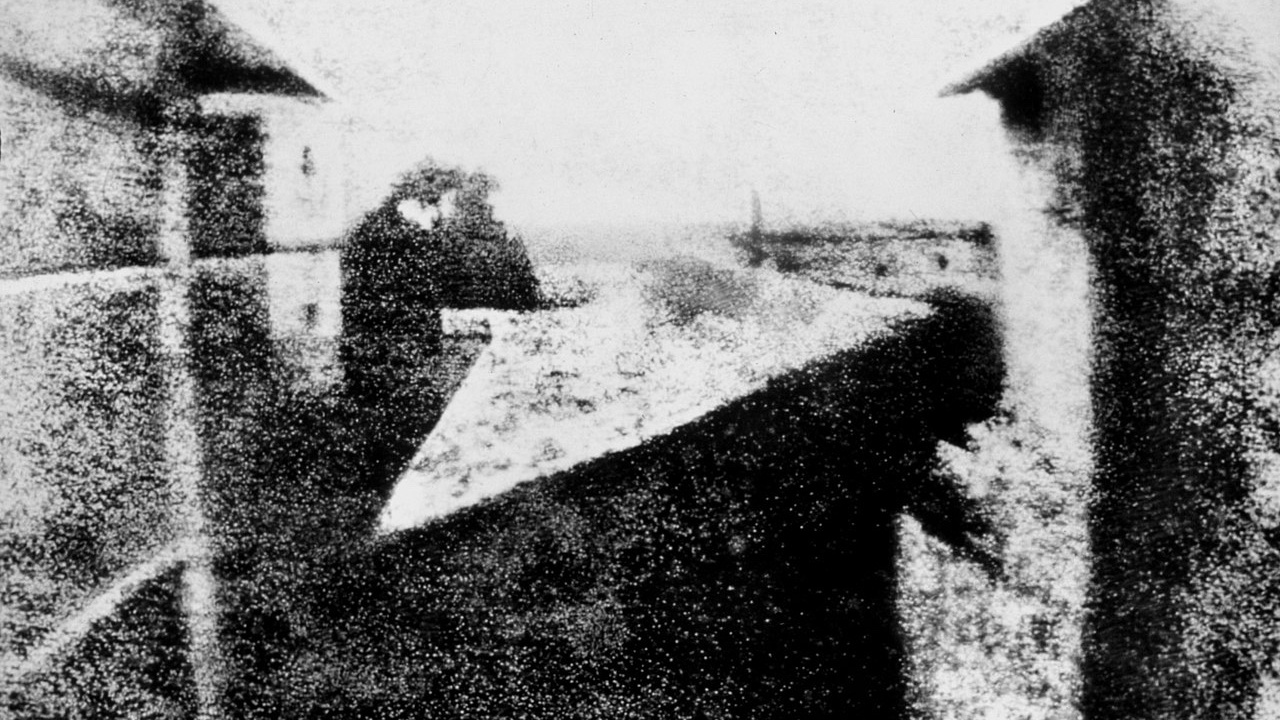
The Inventor of Photography also Invented the First Internal Combustion Engine!

French inventor, Joseph Nicéphore Niepce was born today, March 7, 1765 in Chalon-sur-Saône, Saône-et-Loire, where his father was a wealthy lawyer. He had an older brother Claude, a sister, and a younger brother, Bernard.

No alt text provided for this image

He created the first true photographs, but with the help of his brother, Claude, he also invented the first internal combustion engine.

Niépce was educated for the Catholic Priesthood. While studying at the seminary, he decided to adopt the name Nicéphore in honor of Saint Nicephorus the ninth-century Patriarch of Constantinople.

At the seminary, his studies taught him experimental methods in science, and by practicing those, he rapidly achieved success and ultimately graduated to become a professor at the college.

Because his family was suspected of royalist sympathies, Niépce fled the French Revolution but returned to serve in the French army as a staff officer under Napoleon Bonaparte in 1791 and served a number of years in Italy and on the island of Sardi

...
Continue Reading...
Close

50% Complete

Two Step

Lorem ipsum dolor sit amet, consectetur adipiscing elit, sed do eiusmod tempor incididunt ut labore et dolore magna aliqua.