
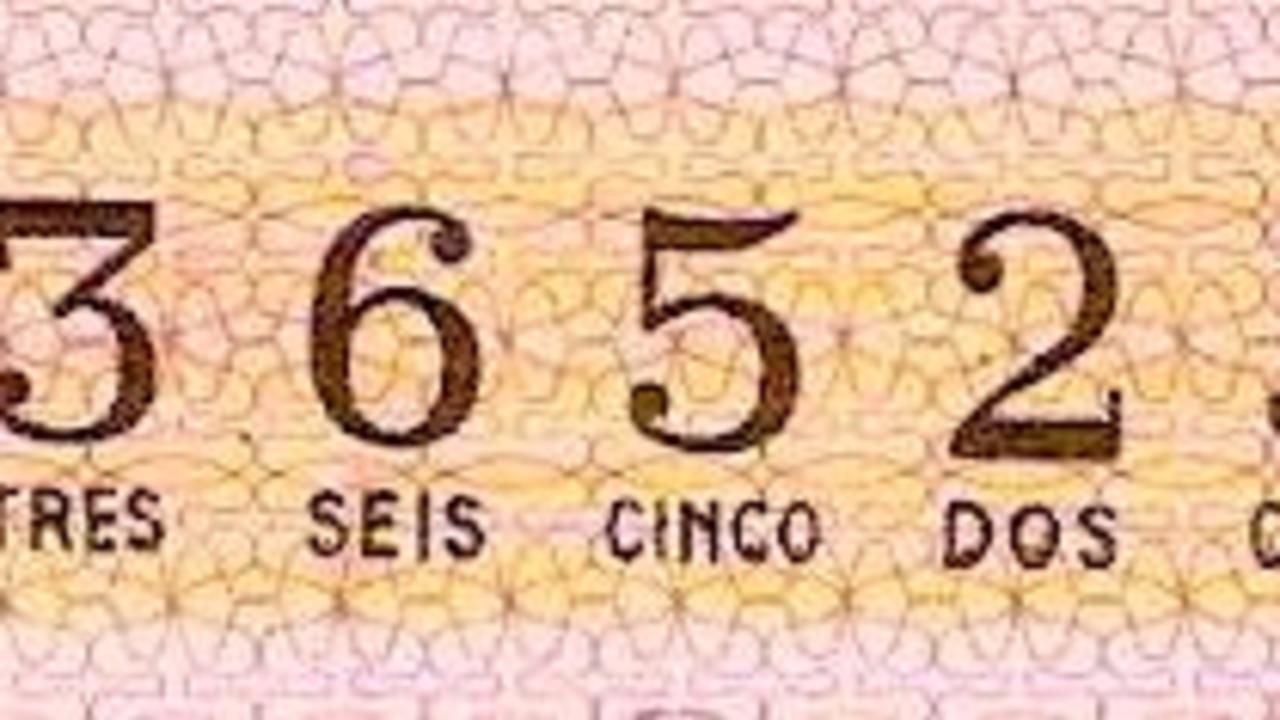
The Significance of 36,525...
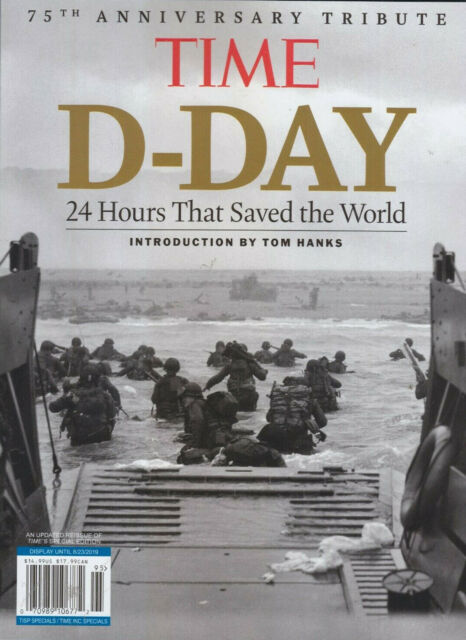
Arguably, if you had to pick one day that mattered most in the 20th Century, I'd say that D-Day would be that day.
But how much do we really know about D-Day? What importance do we place on it?
I decided to canvass the internet as a kind of ad hoc method of determining what people regarded as the top events in 20th Century world history. After reading many accounts, it ran the gamut: the Assassination of JFK, Apollo 11's First Steps on the Moon, the Challenger Disaster, the Assassination of Franz Ferdinand...and many others.
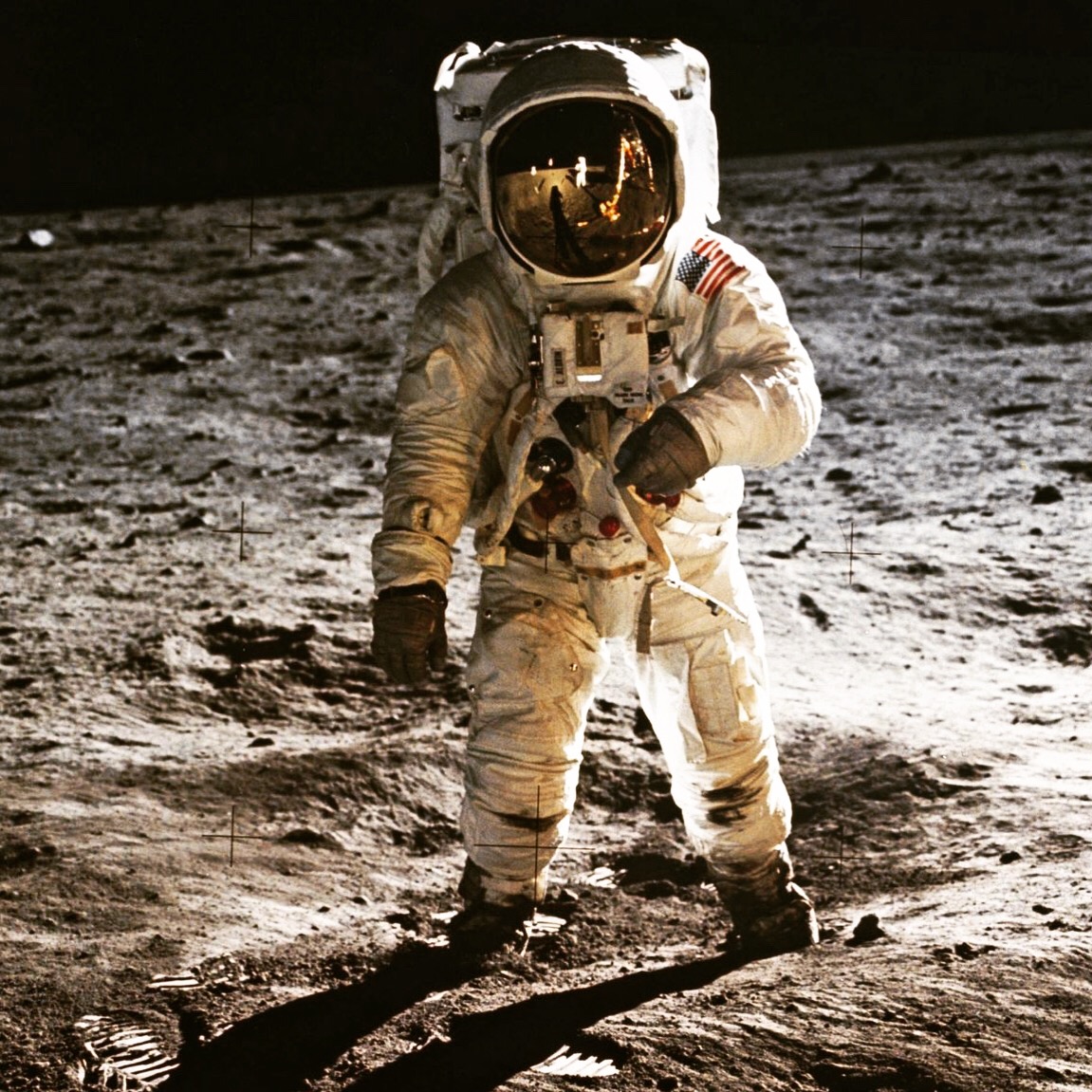
I talk about the results of that research project in one of the emails that you receive when you opt in to The D-Day Experience.
But what was so surprising to me is that D-Day was not in the top 10 of any of those lists I found.
Was this a mistake of ignorance, omission or commission?
You could probably make an argument for all three, but my immediate answer--giving society the benefit of the doubt--was that it's probably just the result of basic, old-fashioned ignorance.
Or was I the one who was wrong here?
I think it's always a good exercise to question one's own beliefs, so I decided to do just that by first assuming I was wrong in my assessment of D-Day as the most important event in the 20th Century.
Was D-Day not so consequential after all? Was it only a "Top 100" event?
In approaching that problem from as objective an angle as I could muster, I decided to employ a specific method of hypothetical thought, by asking this question:
How different the world would have looked like today without D-Day?
My answer came to me quickly: While the Invasion of Normandy did not end World War II, without it, Hitler's war machine may never have been defeated.
That's a bold statement. Think about the hard-fought battles that followed D-Day--the Battle of Ste. Lo, Cherbourg, the Liberation of Paris, and the Battle of the Bulge, among them. How many of them would have occurred--creating a second front in the war against Nazi Germany--without D-Day? As Market Garden and the Battle of the Bulge demonstrate, Germany was still a formidable threat even after the Battle of Normandy. Without D-Day, it would have remained far stronger, and quite likely would have survived.
We can only speculate at what the world would have looked like had Nazi Germany won World War II.
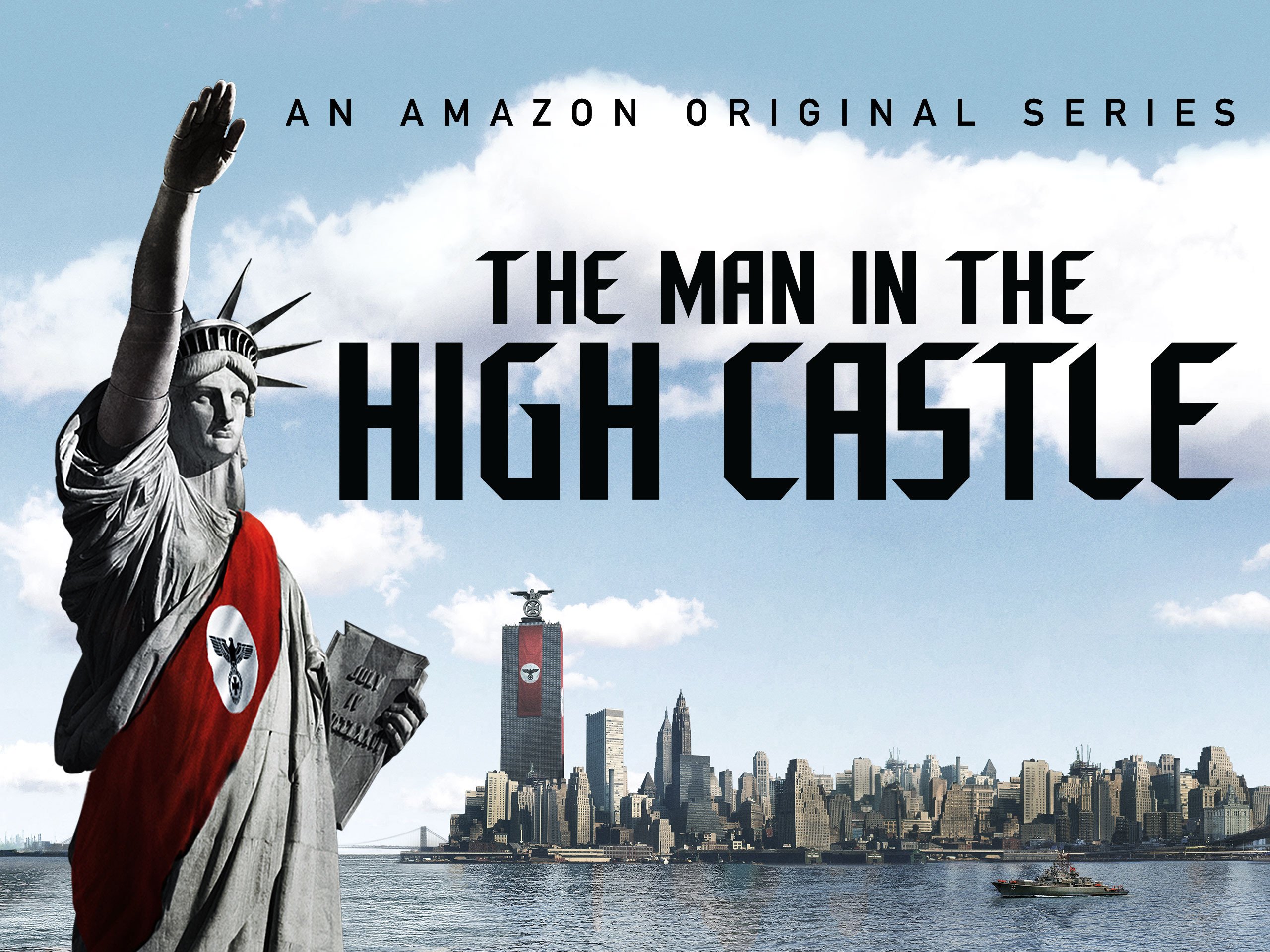
There have been many alternate histories written, perhaps the most popular and well-known is depicted in Amazon's Man in the High Castle, loosely based Philip K. Dick's novel that imagines a parallel universe where the Axis powers win World War II.
Now, compare the other common choices of "Top 10" events during the 20th Century. What if they hadn't happened? How different would the world look today?
Ultimately, this is an experiment in moral philosophy. Imagining a case that is different only in relation to a factor of interest--even if there's no actual case where it's true.
In the case of comparing and contrasting D-Day with other events of the 20th Century, it's true that this method does rely on imagining a rather dystopian scenario; but to detractors of this method, I'd argue that it isn't an exercise in fantasy at all. Instead, I'd say it's a useful method of logical analysis. Why? Because by employing it, it helps us achieve conceptual clarity from what previously was only abstract reasoning.
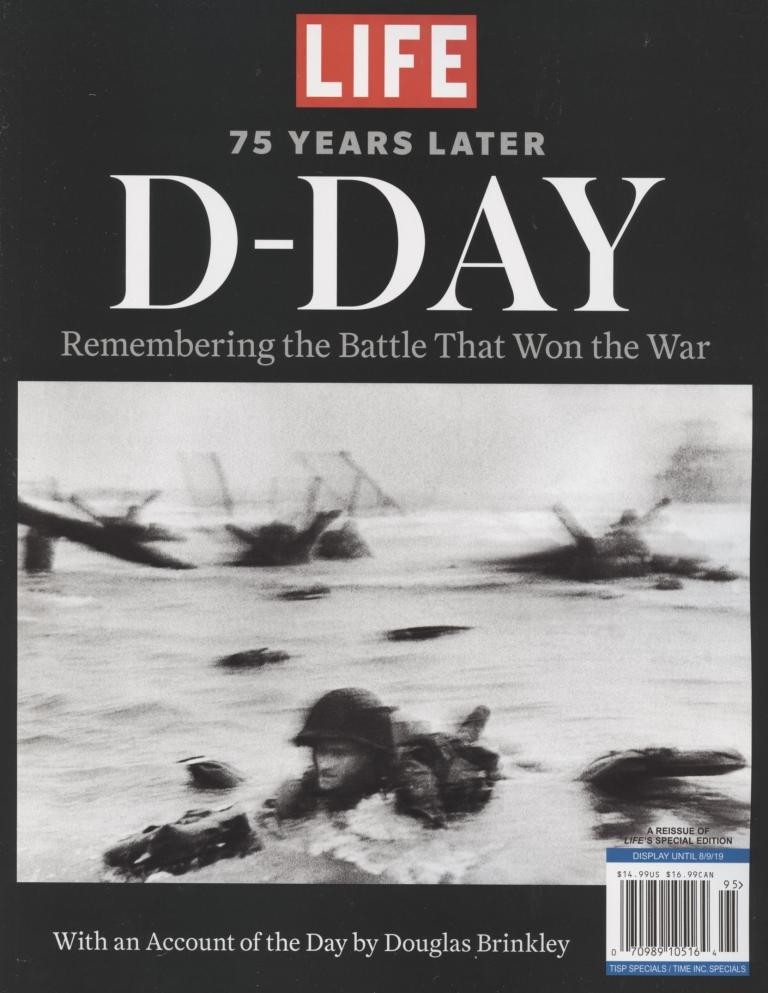
One statistic you don't often see relating to D-Day is 36,525. But I think historian Douglas Brinkley had it right when he said this, in Time-Life Magazine:
“Readers might guess that the number represents the tally of soldiers who landed at Omaha Beach or the number of ships and aircraft used in the cross-Channel operation or the number of German defenders or the number of casualties or any number of other things associated with Operation Overlord. But 36,525 is simply the number of days in a century, and of all the days in the twentieth century, none were more consequential than 6 June 1944.”
BTW, A good argument could also be made that D-Day started America's rise to becoming a military and economic superpower, but that's a topic for a future post...
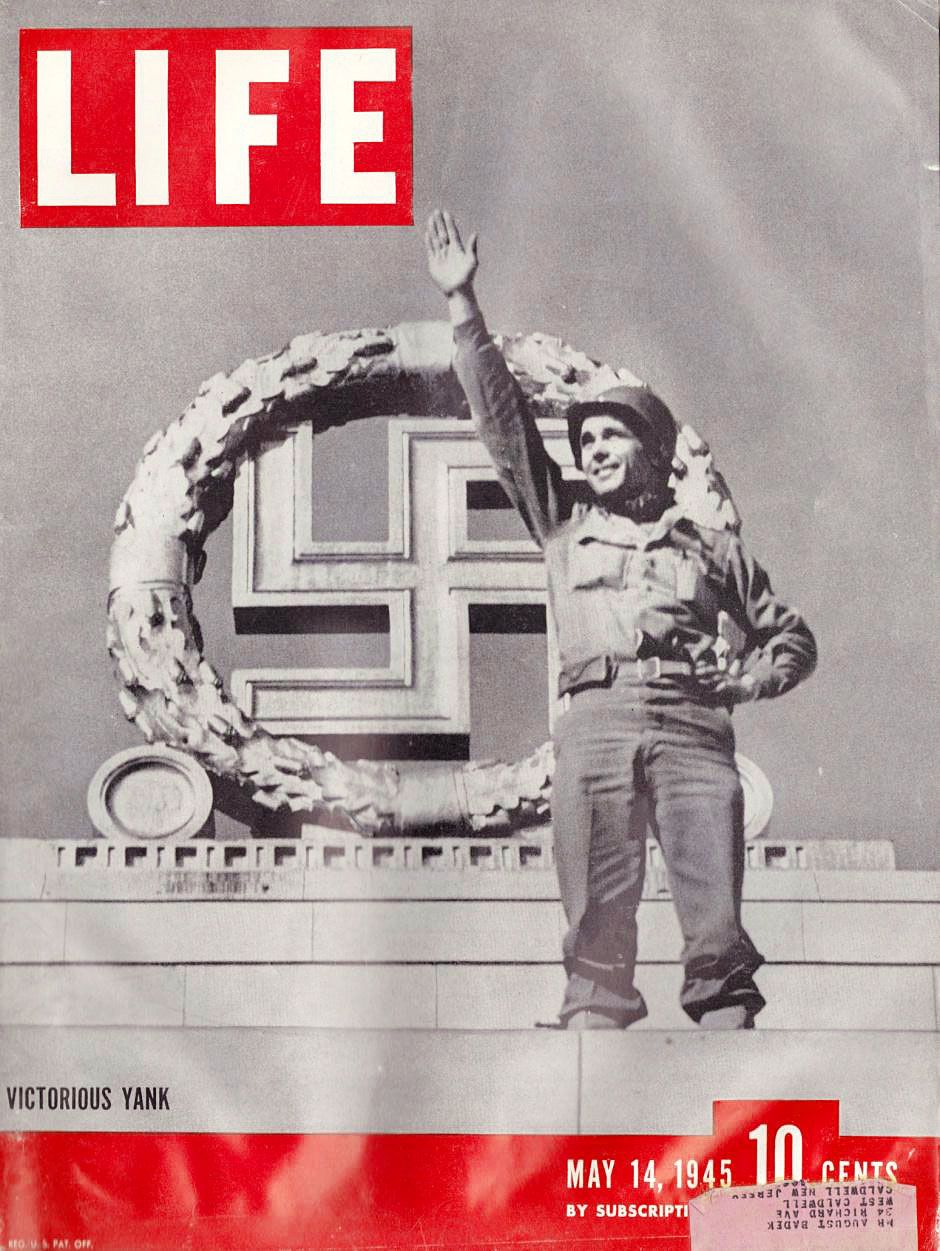
The D-Day Experience honors the legacy of our D-Day Veterans--their extraordinary service and sacrifice.
But it's much more than that--it's also a unique venue to learn the many lessons of the Battle of Normandy.
To learn more about The D-Day Experience, click Here.