Was “Ripley’s Believe It Or Not” Responsible for our National Anthem?

On this Day, March 3, 1931, Francis Scott Key's song The Star-Spangled Banner is adopted as the American national anthem by Congress.

But how that happened exactly is little-known to most. To put it simply, it was an evolution and a process...but to put it mildly, it was not at all simple.

No alt text provided for this image

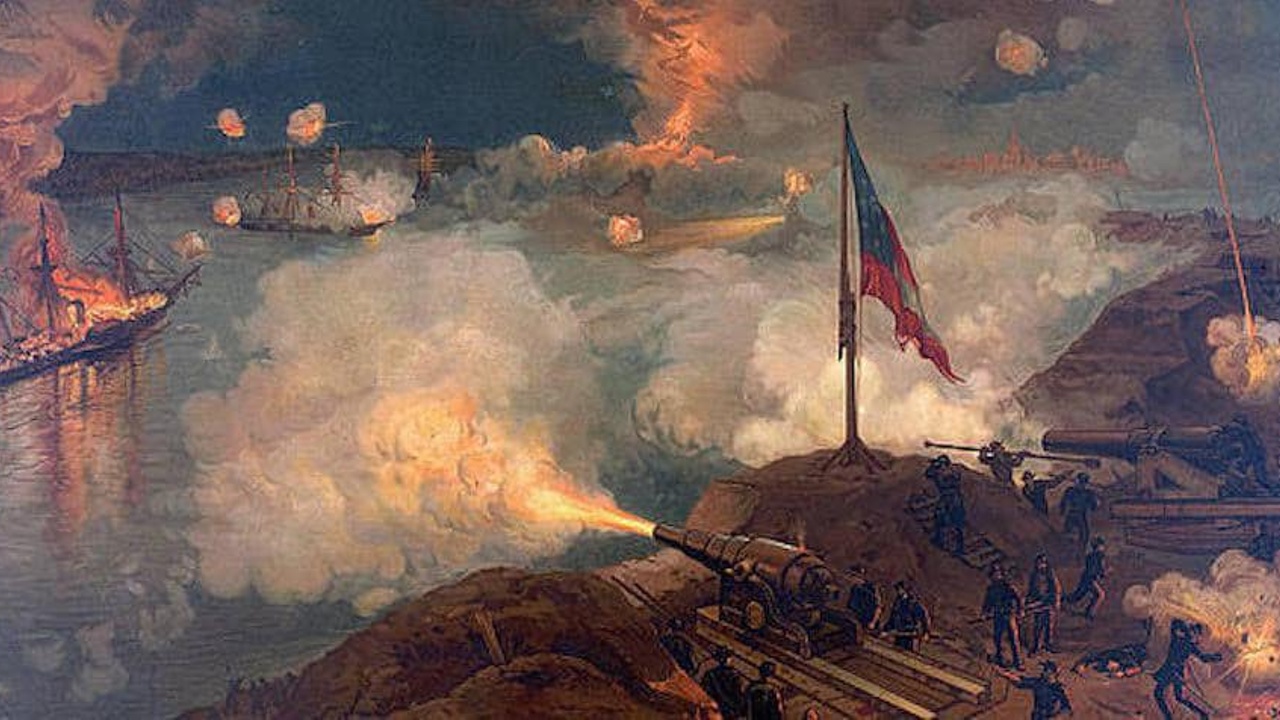
Of course, Key wrote the song in 1814 after seeing the American flag flying following the British bombardment of Ft. McHenry during the War of 1812.

But in writing the song, Key borrowed widely from other songs and melodies, often with very similar lyrics.

Long assumed to have originated as a drinking song, the melody was taken from the song “To Anacreon in Heaven,” which first surfaced about 1776 as a club anthem of the Anacreontic Society, an amateur mens’ music club in London. Written by British composer John Stafford Smith—whose identity was discovered only in the 1970s by a librarian in the music division of the Library of Congress—the song was sung to signal a transition between the e

...
Continue Reading...

First U.S. Woman Elected Mayor... Nominated as a Prank that Backfired

No alt text provided for this image

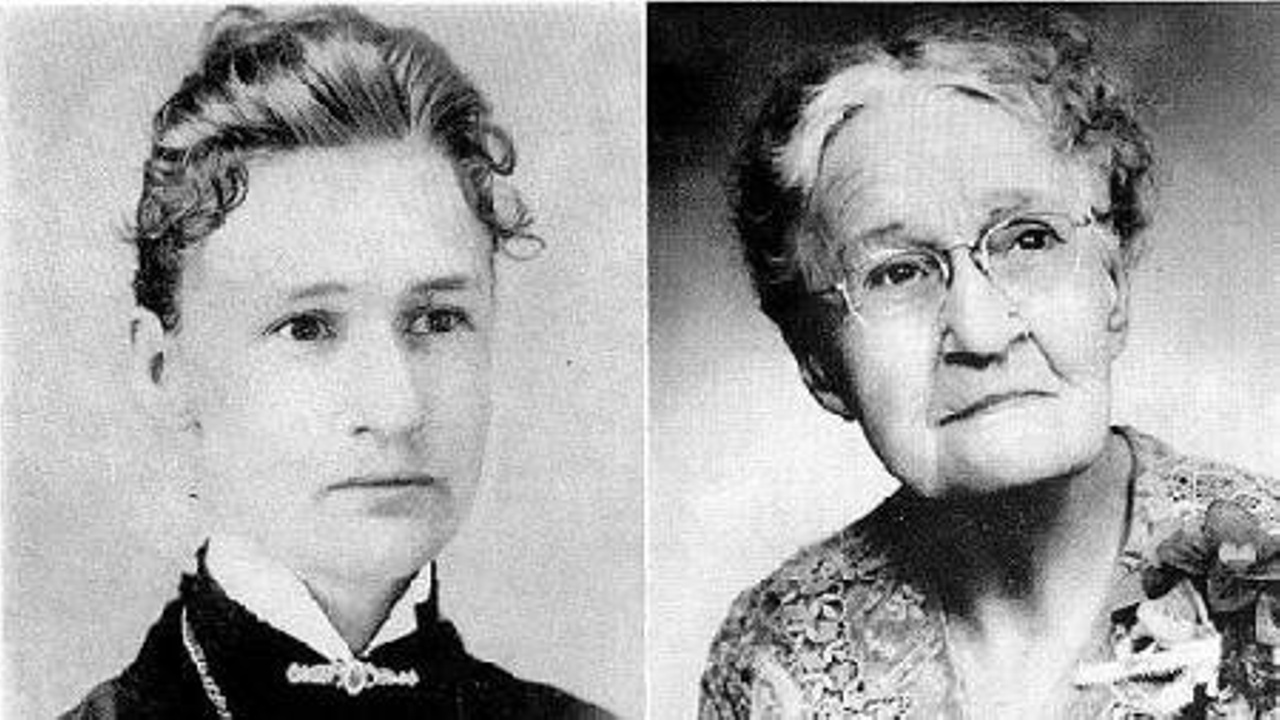
Susanna Madora Salter was born today, March 2, 1860. In 1887, Salter, a 27-year old temperance activist, became the first woman in the United States to be elected to the position of mayor. The town was Argonia, Kansas, a small Quaker village with a population of less than five hundred that had only incorporated two years previous, in 1885. She was nominated, without notification, by men intent upon embarrassing and defeating temperance. Local Republicans uncovered the plan early on election day. They asked if she would serve, if elected. Salter agreed and with the support of Republicans and Prohibitionists, she was elected with a two-thirds majority.

No alt text provided for this image

Salter's family was respected, and her father had served as Argonia's mayor and her husband had been selected as town clerk--so Salter knew a great deal about politics. She had four children and was pregnant at the time of her election. Even opponents of woman suffrage were won over, however, by her reputation and her commitment to te...

Continue Reading...

The Still-Unsolved “Umbrella Assassination” in London

Because Bulgarian dissident, Georgi Markov was born this week, on March 1, 1929, I thought today would be a good say to tell his compelling, if tragic story.

No alt text provided for this image

While waiting at a bus stop in London, he was stabbed with an umbrella that inserted a ricin-filled pellet. He died several days later. It’s believed that the KGB was behind the assassination at the request of the Bulgarian Secret Service, but no one has ever been charged with his murder.

Markov originally worked as a novelist, screenwriter, and playwright in Bulgaria, eventually defecting and relocating to London in 1968. He worked there as a broadcaster and journalist criticizing the Bulgarian regime.

No alt text provided for this image

After relocating to London, he worked as a broadcaster and journalist for the BBC World Service, the US-funded Radio Free Europe, and West Germany's Deutsche Welle. Markov used such forums to conduct a campaign of sarcastic criticism against the incumbent Bulgarian regime, which, according to his wife at the time he died, ev...

Continue Reading...

The Two Men who Started California’s Gold Rush...But Never Profited From It

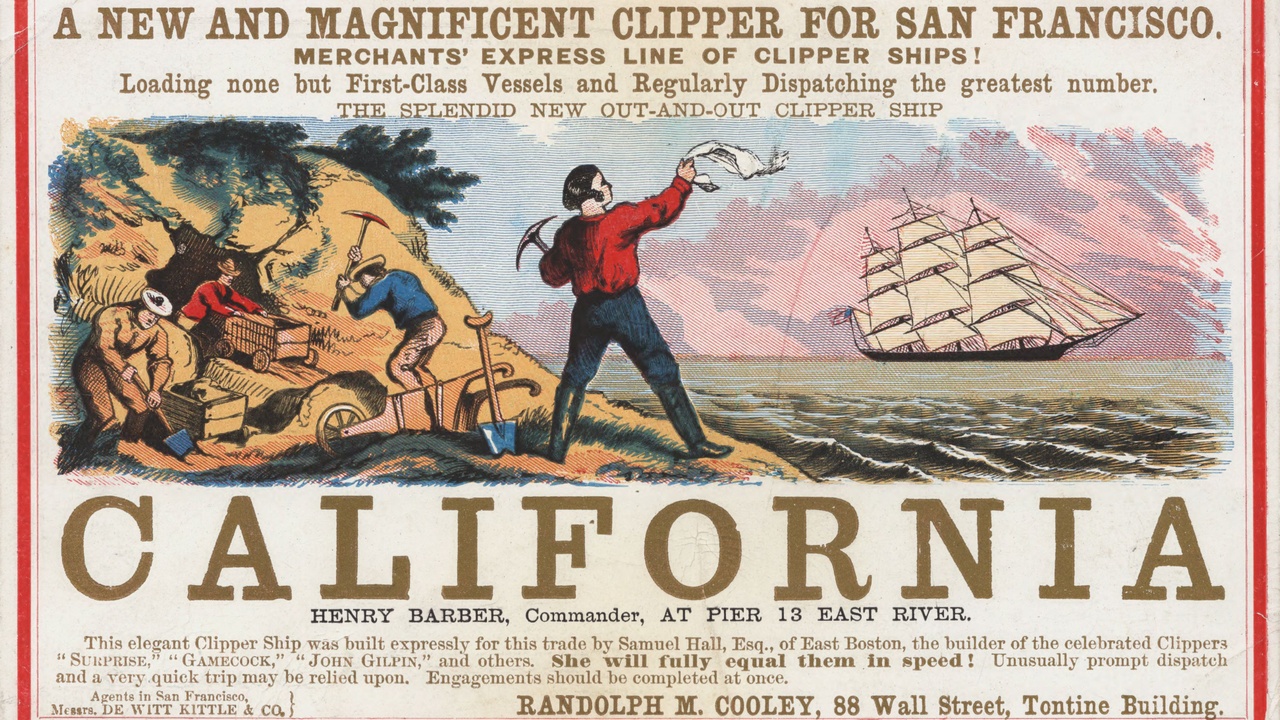
On this Day, February 28, 1849, the first prospectors for the Gold Rush of '49 arrive in San Francisco. Gold was discovered by James Marshall on Sutter's Mill the previous year. Over 300,000 people, known as "forty-niners" (from year 1849), would go to California to seek their fortune.

No alt text provided for this image

James Wilson Marshall was born to Philip Marshall and Sarah Wilson on his family’s homestead in Hopewell Township, New Jersey on October 8, 1810. The family homestead was known as the Round Mountain Farm and is still known as Marshalls Corner. He was the oldest of four children, and the only son. He followed in his father’s footsteps by becoming a skilled carpenter and wheelwright.

No alt text provided for this image

At age eighteen, after his father died, James Marshall left New Jersey in 1834 and headed west. After spending time in Indiana and Illinois, he settled in Missouri in 1844, and began farming along the Missouri River near Fort Leavenworth, Kansas. There, he contracted malaria, and in 1844, on the advice of his doctor, Mar...

Continue Reading...

John Steinbeck: A Writer to the End

history leaders otd writers Feb 27, 2021

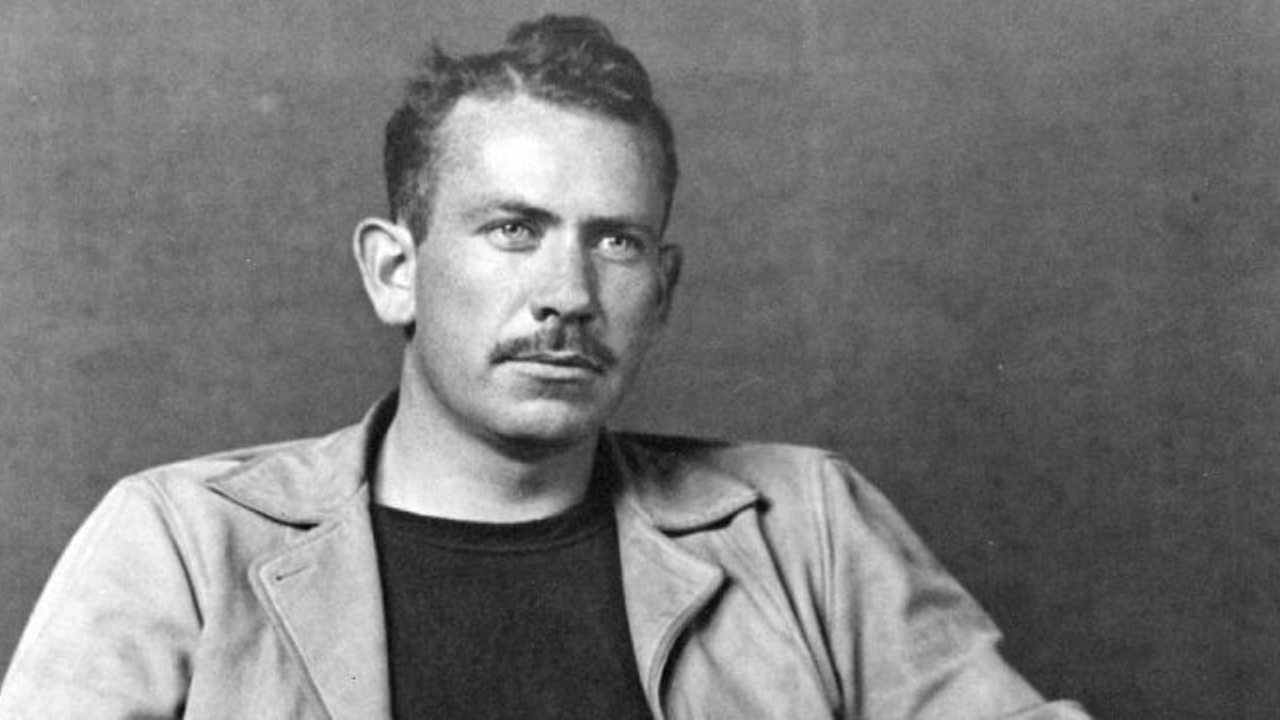
John Steinbeck was born today, February 27, 1902, in Salinas, California in a stately home on Central Ave (now open as a popular luncheon spot). He's been called "a giant of American letters," and many of his works are considered classics of Western literature. During his writing career, he authored 33 books, including 16 novels, six non-fiction books, and two collections of short stories. He’s widely known for Cannery Row (1945), the multi-generation epic East of Eden (1952), Of Mice and Men (1937). His Pulitzer Prize-winning The Grapes of Wrath (1939) is considered Steinbeck's masterpiece and part of the American literary canon. In the first 75 years after it was published, it sold 14 million copies. He received the Nobel Prize for Literature in 1962.

No alt text provided for this image

Steinbeck was raised with modest means. His father, John Ernst Steinbeck, tried his hand at several different jobs to keep his family fed: He owned a feed-and-grain store, managed a flour plant and served as treasurer of Monterey

...
Continue Reading...

Jonas Salk and the Polio Vaccine

 
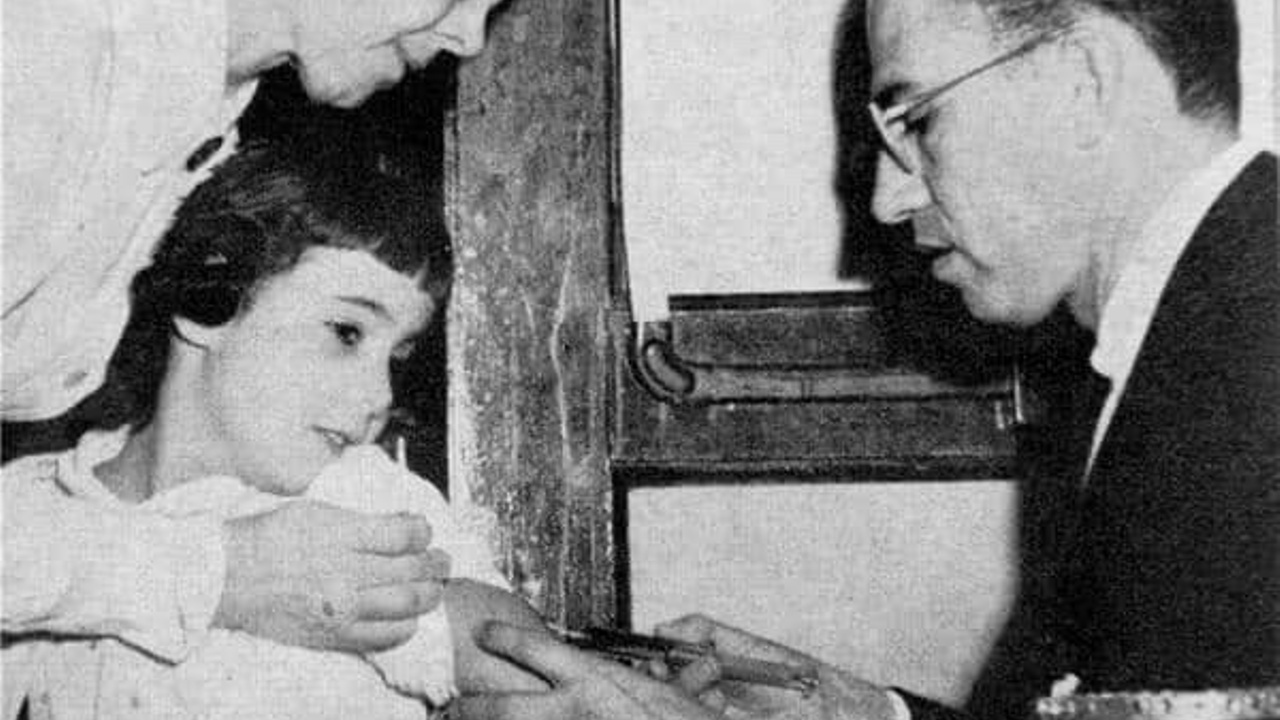
On February 23, 1954, the inoculation of children with Jonas Salk's polio vaccine began in Pittsburgh. Nationwide testing began two months later. It was the first successful vaccine for the dreaded disease.
 
Before the vaccine, there were about 15,000 cases of paralysis and 1,900 deaths annually from polio in the U.S.
 
Salk chose to not patent the vaccine in order to maximize its distribution.
 
When asked who owns this patent, Salk replied, "Well, the people I would say. There is no patent. Could you patent the sun?"
 
Had it been patented, it’s estimated the patent would have been worth billions.
Continue Reading...

It's George Washington’s Birthday!

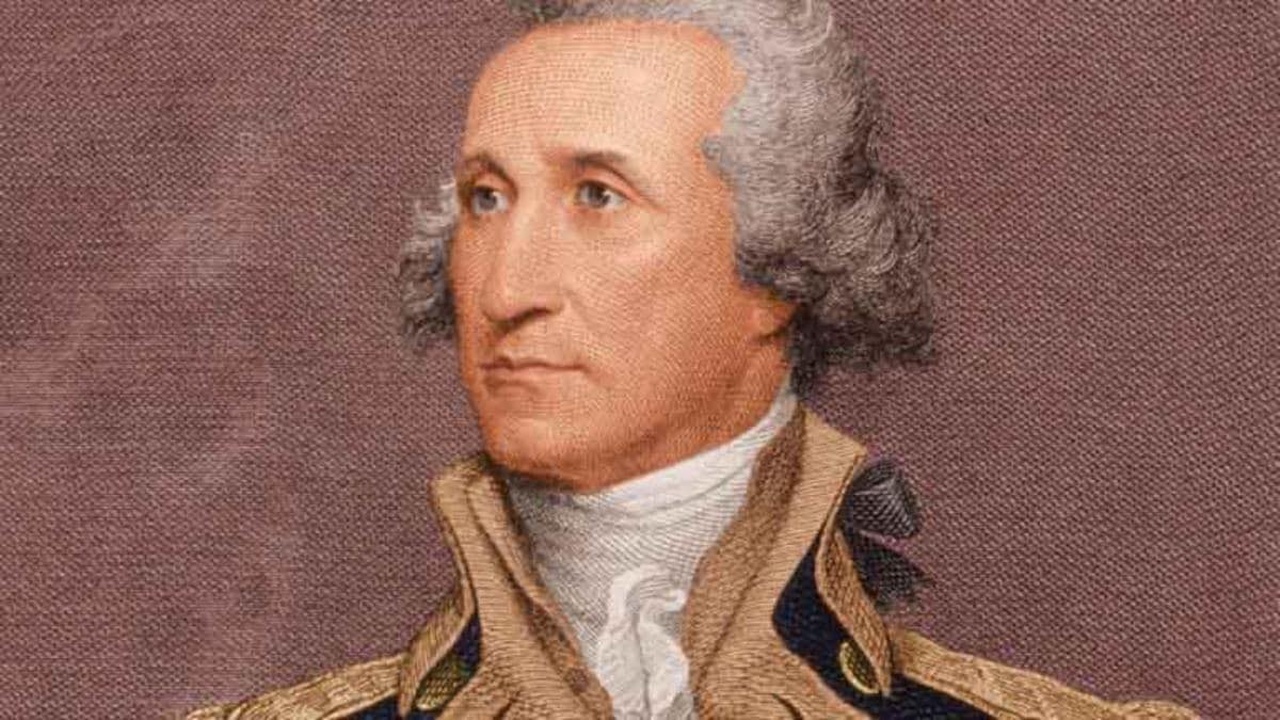
If you want to be technical about it, Washington was actually born on February 11, 1731, not on February 22, 1732. When he was born, England and its colonies followed the Julian calendar, which was instituted in 46 B.C. by Julius Caesar. So, by that calendar, Washington was born on February 11, 1731. In 1752, England switched to the Gregorian calendar, which is still used today. It’s according to that calendar that he was born February 22, 1732.
 
Washington actually preferred this original date of February 22nd, and his birthday is still celebrated today.
Continue Reading...

King Tutankhamen

archeology history king tut Feb 21, 2021
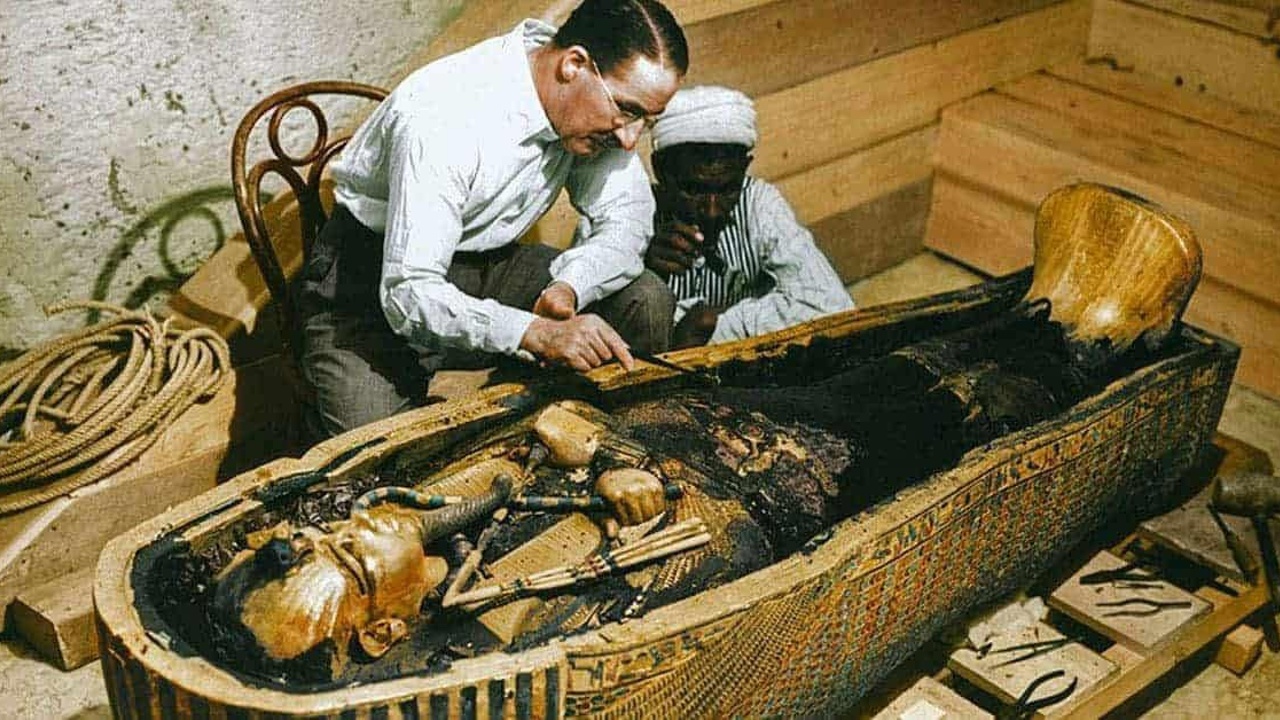
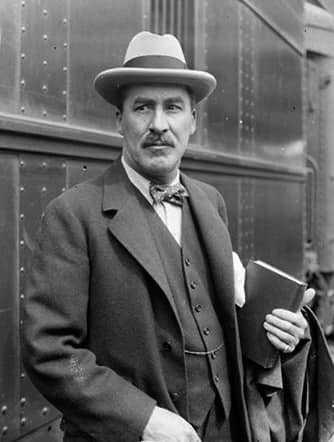
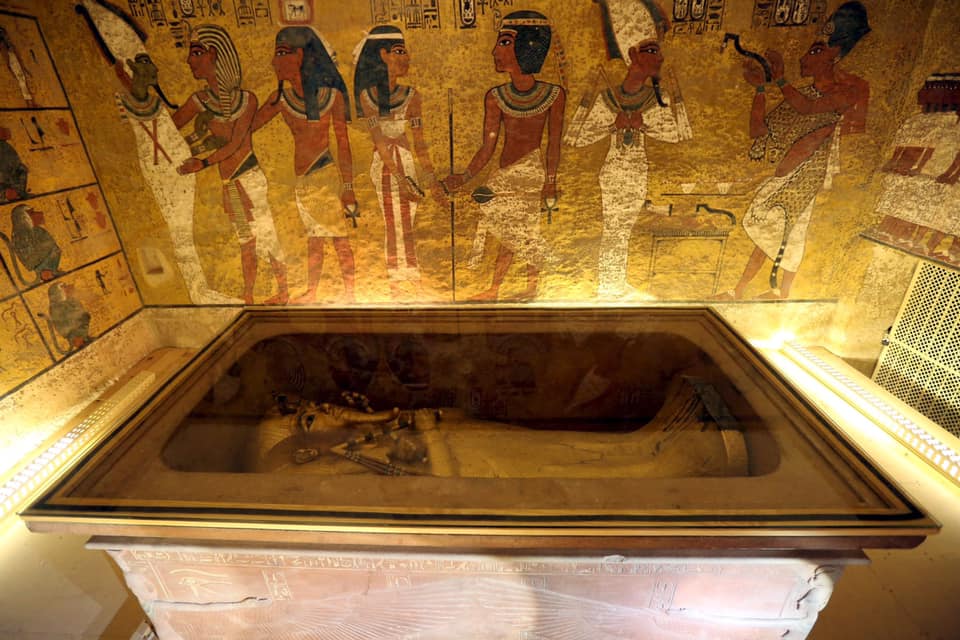
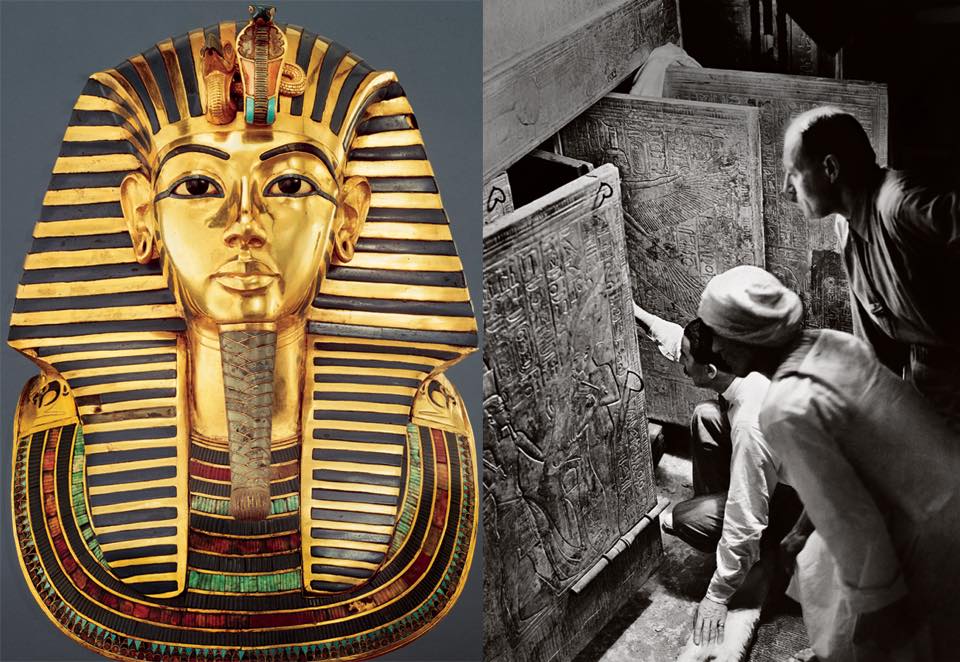
On February 16, 1923, in Thebes, Egypt, English archaeologist Howard Carter entered the sealed burial chamber of the ancient Egyptian ruler King Tutankhamen.
 
 
Because the ancient Egyptians saw their pharaohs as gods, they carefully preserved their bodies after death, burying them in elaborate tombs containing rich treasures to accompany the rulers into the afterlife.
 
 
After the pharaoh died, his remains were carried down into a tomb west of the Upper Nile, in the vast royal necropolis known as the Valley of the Kings. So, too, were all manner of mementos and goods from Tutankhamun’s life: disassembled chariots, a childhood gaming board, furniture, lamps, sculpture, weapons, jewelry. The tomb, a mini-labyrinth of tunnels, chambers, and blocked passageways, was sealed. Tutankhamun’s followers had done what they could to equip the pharaoh for a safe journey through the underworld to a joyful afterlife.
 
 
In the 19th century, archeologists from all over
...
Continue Reading...

Win One for the Gipper

 
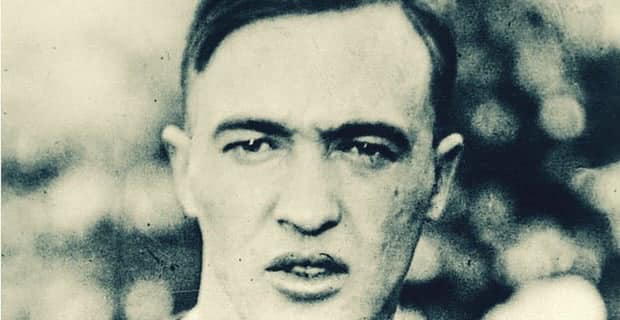
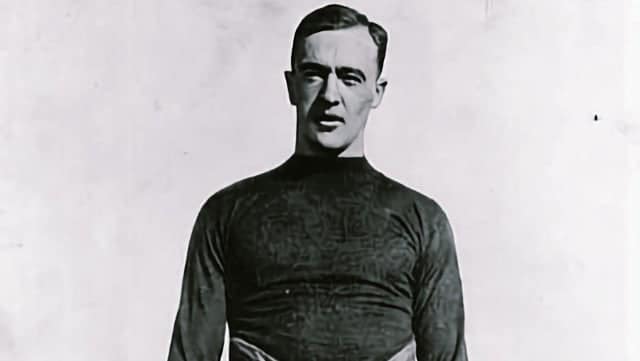
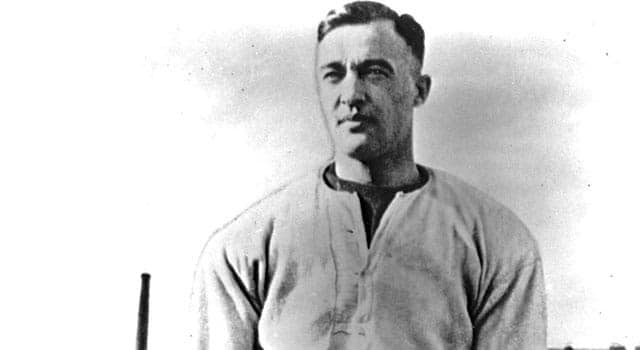
George Gipp was born on February 18, 1895 and died on December 14, 1920 in South Bend, Indiana.
 
 
Gipp was an American football player, and the one whom Knute Rockne referred to  when he said "win one for the Gipper."
 
 
According to Rockne, while Gipp was on his deathbed with pneumonia, he said:
 
"I've got to go, Rock. It's all right. I'm not afraid. Some time, Rock, when the team is up against it, when things are wrong and the breaks are beating the boys, ask them to go in there with all they've got and win just one for the Gipper. I don't know where I'll be then, Rock. But I'll know about it, and I'll be happy."
 
 
In 1928, Rockne used this quote in a halftime speech to inspire Notre Dame to upset undefeated Army 12-6.
Continue Reading...

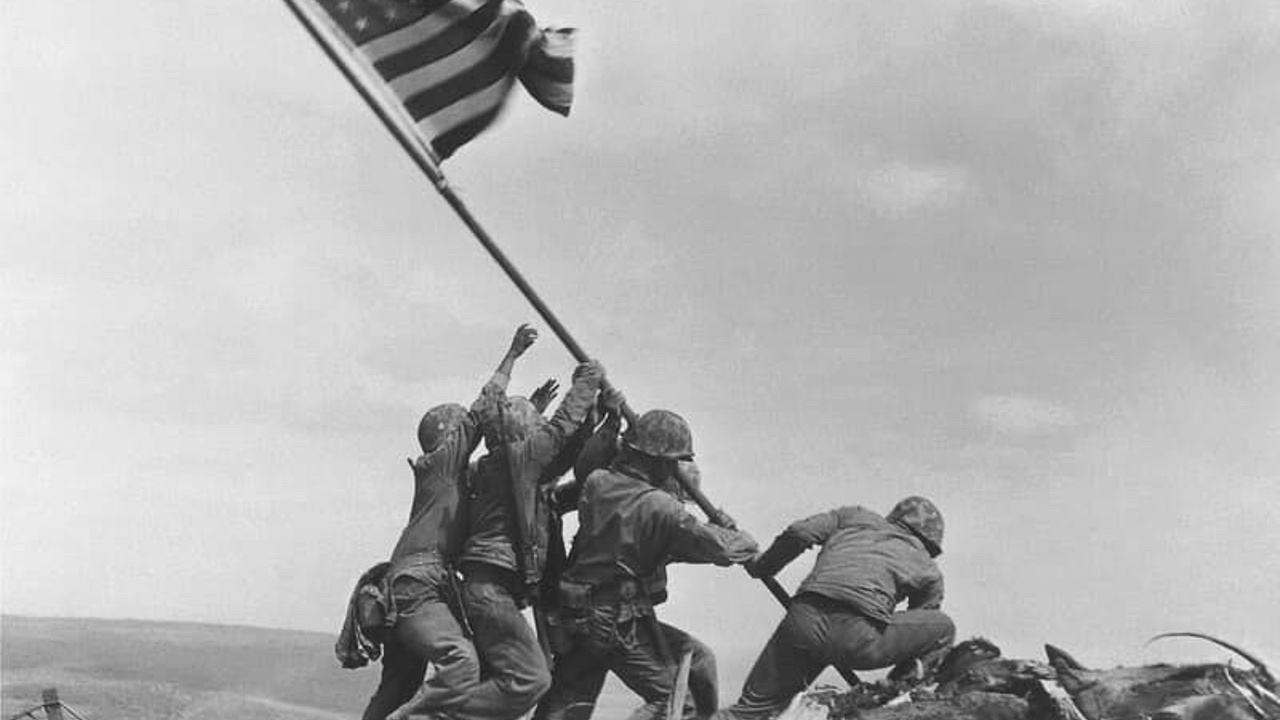
Battle of Iwo Jima

On February 19, 1945, U.S. Marines landed on Iwo Jima in an amphibious invasion of the island. With more than 7,000 American troops killed, it was one of the costliest battles of World War II. The famous raising of the flag on Mt. Suribachi would take place four days later.
 
 
In good order, the Marines began deployment to the Iwo Jima beach and In the deathly silence, landed US Marines began to slowly inch their way forward inland, oblivious to the danger awaiting them. After allowing the Americans to pile up men and machinery on the beach for just over an hour, the Japanese unleashed the undiminished force of their countermeasures. Shortly after 10:00, everything from machine guns and mortars to heavy artillery began to rain down on the crowded beach, which was quickly transformed into a nightmarish bloodbath.
 
Time-Life correspondent Robert Sherrod described it simply as "a nightmare in hell."
 
Iwo Jima translates as “Sulfur Island”, a name that gives s
...
Continue Reading...
Close

50% Complete

Two Step

Lorem ipsum dolor sit amet, consectetur adipiscing elit, sed do eiusmod tempor incididunt ut labore et dolore magna aliqua.