
King Tutankhamen
Feb 21, 2021
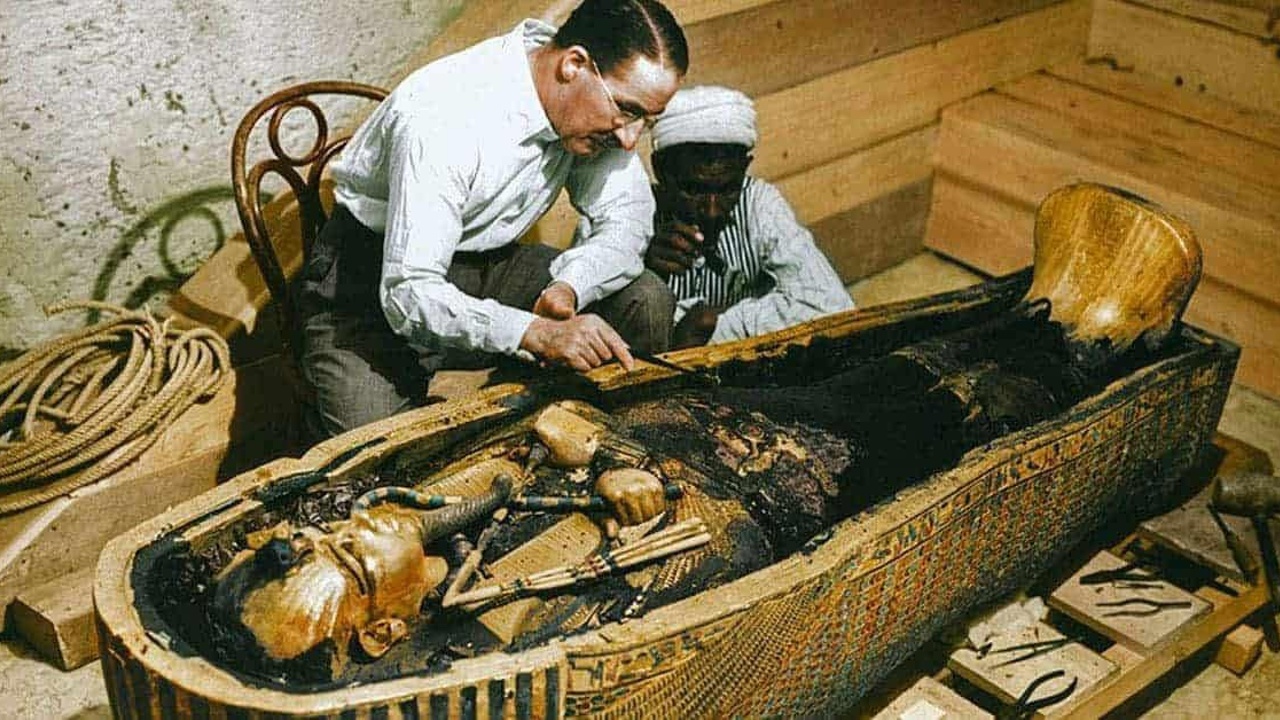
On February 16, 1923, in Thebes, Egypt, English archaeologist Howard Carter entered the sealed burial chamber of the ancient Egyptian ruler King Tutankhamen.
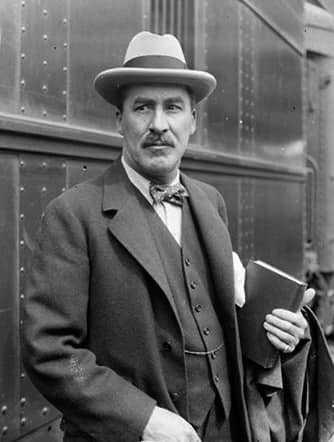
Because the ancient Egyptians saw their pharaohs as gods, they carefully preserved their bodies after death, burying them in elaborate tombs containing rich treasures to accompany the rulers into the afterlife.
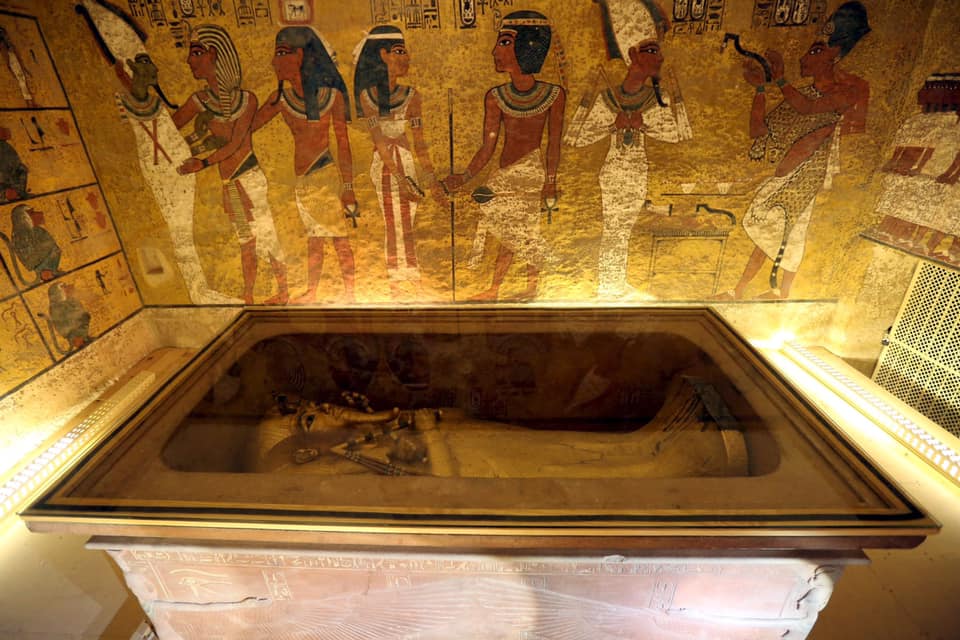
After the pharaoh died, his remains were carried down into a tomb west of the Upper Nile, in the vast royal necropolis known as the Valley of the Kings. So, too, were all manner of mementos and goods from Tutankhamun’s life: disassembled chariots, a childhood gaming board, furniture, lamps, sculpture, weapons, jewelry. The tomb, a mini-labyrinth of tunnels, chambers, and blocked passageways, was sealed. Tutankhamun’s followers had done what they could to equip the pharaoh for a safe journey through the underworld to a joyful afterlife.
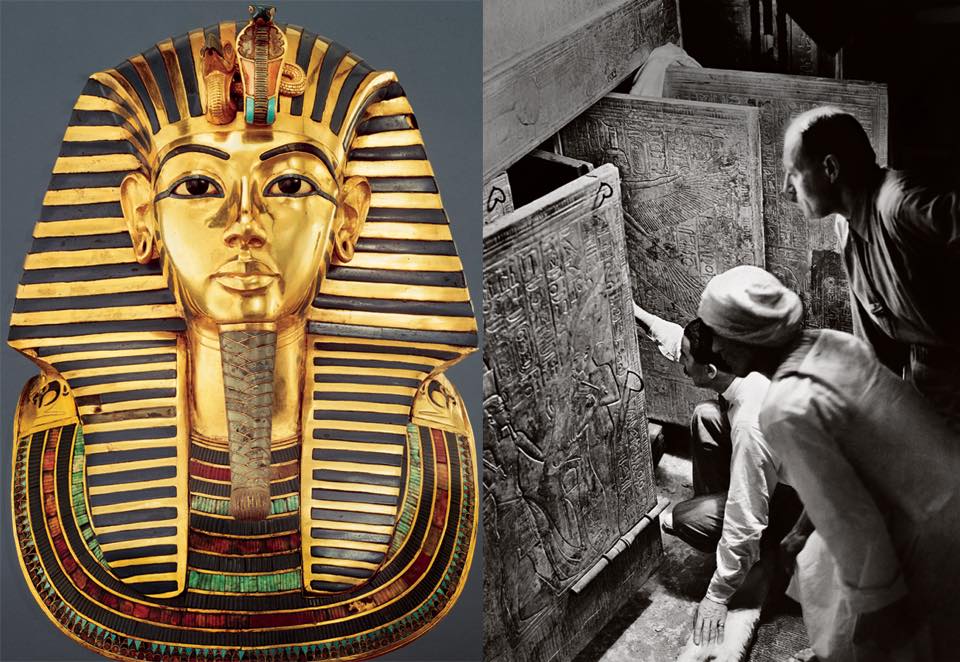
In the 19th century, archeologists from all over
...