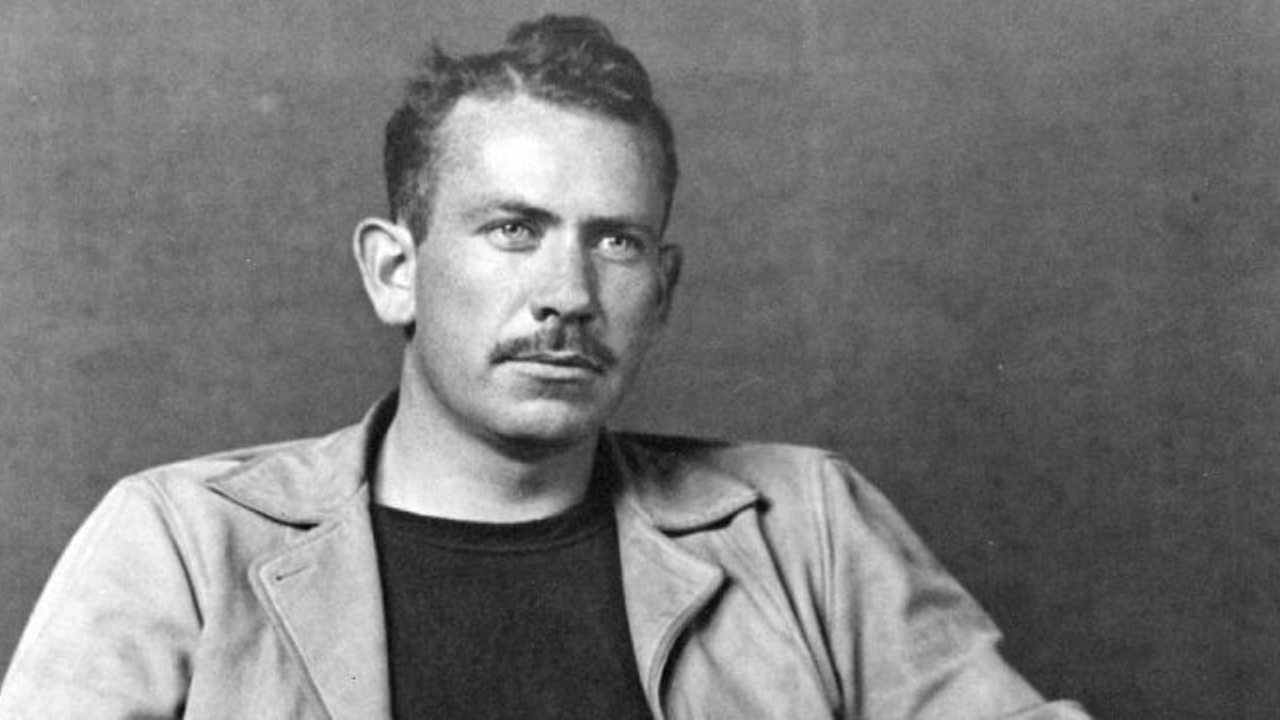
John Steinbeck: A Writer to the End

history leaders otd writers Feb 27, 2021

John Steinbeck was born today, February 27, 1902, in Salinas, California in a stately home on Central Ave (now open as a popular luncheon spot). He's been called "a giant of American letters," and many of his works are considered classics of Western literature. During his writing career, he authored 33 books, including 16 novels, six non-fiction books, and two collections of short stories. He’s widely known for Cannery Row (1945), the multi-generation epic East of Eden (1952), Of Mice and Men (1937). His Pulitzer Prize-winning The Grapes of Wrath (1939) is considered Steinbeck's masterpiece and part of the American literary canon. In the first 75 years after it was published, it sold 14 million copies. He received the Nobel Prize for Literature in 1962.

No alt text provided for this image

Steinbeck was raised with modest means. His father, John Ernst Steinbeck, tried his hand at several different jobs to keep his family fed: He owned a feed-and-grain store, managed a flour plant and served as treasurer of Monterey

...
Continue Reading...

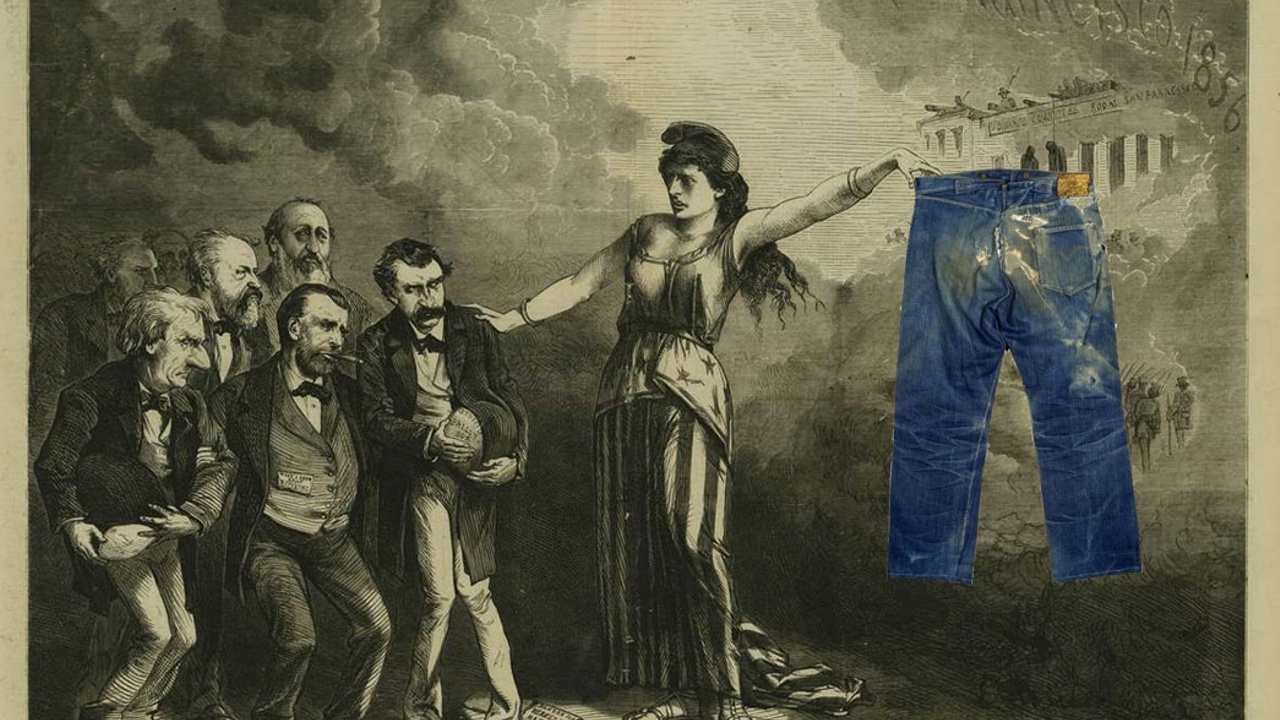
The Little-known Partnership that Changed what the World Wears

This story came to mind today, because it was on this Day, February 26, 1829, that Levi Strauss was born in Buttenheim, Bavaria. Levi was the son of Hirsch Strauss and his second wife, Rebecca.

No alt text provided for this image

At age 18, Levi Strauss travelled with his mother and two sisters to the United States to join his brothers Jonas and Louis, who had begun a wholesale dry goods business in New York City called J. Strauss Brother & Co. Their business was thriving.

No alt text provided for this image

When the Gold Rush hit, they wanted to meet the needs of the miners and farmers also seeking their fortune, and devised a plan for Levi to travel to the West Coast and set up a version of their dry goods business there.

No alt text provided for this image

Strauss boarded a steamer bound for Panama, then walked across the isthmus and boarded another steamer sailing north to the shores of the California Gold Rush. He arrived on a rainy March day in 1853, and soon set up a dry goods wholesale business on San Francisco’s waterfront under his own name —Levi Strauss & Co.

Within two ...

Continue Reading...

Jonas Salk and the Polio Vaccine

 
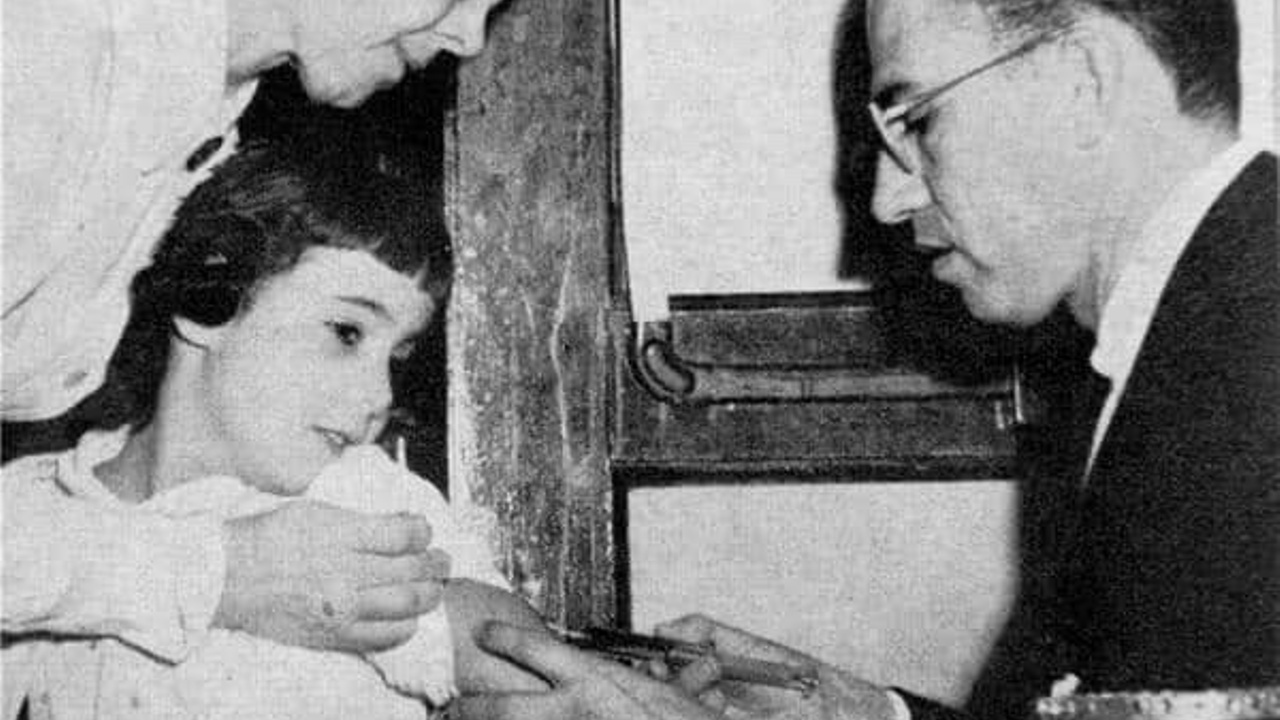
On February 23, 1954, the inoculation of children with Jonas Salk's polio vaccine began in Pittsburgh. Nationwide testing began two months later. It was the first successful vaccine for the dreaded disease.
 
Before the vaccine, there were about 15,000 cases of paralysis and 1,900 deaths annually from polio in the U.S.
 
Salk chose to not patent the vaccine in order to maximize its distribution.
 
When asked who owns this patent, Salk replied, "Well, the people I would say. There is no patent. Could you patent the sun?"
 
Had it been patented, it’s estimated the patent would have been worth billions.
Continue Reading...

Nelson Mandela is Released from Prison

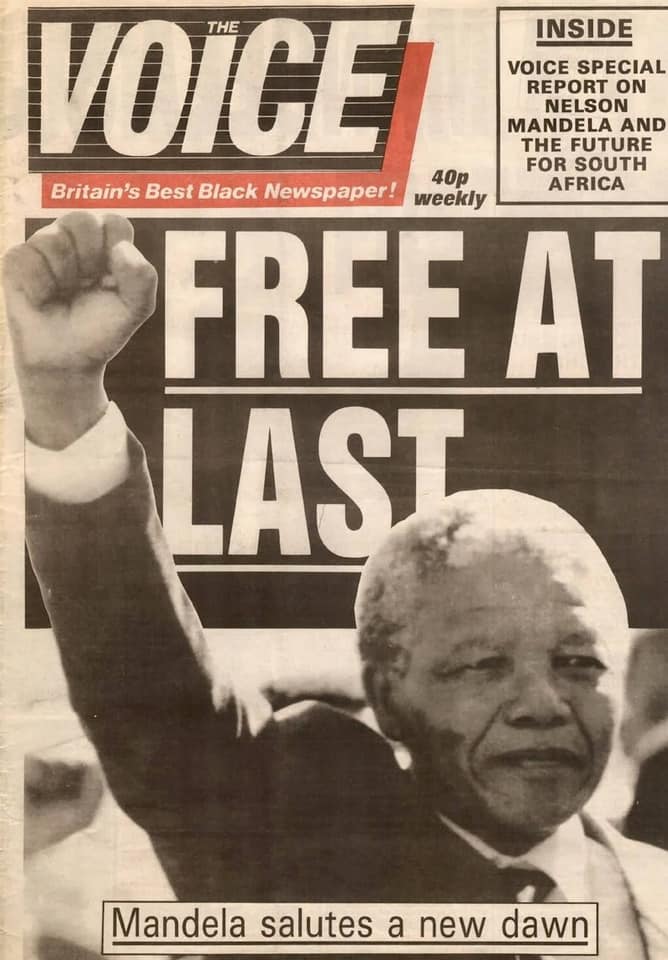
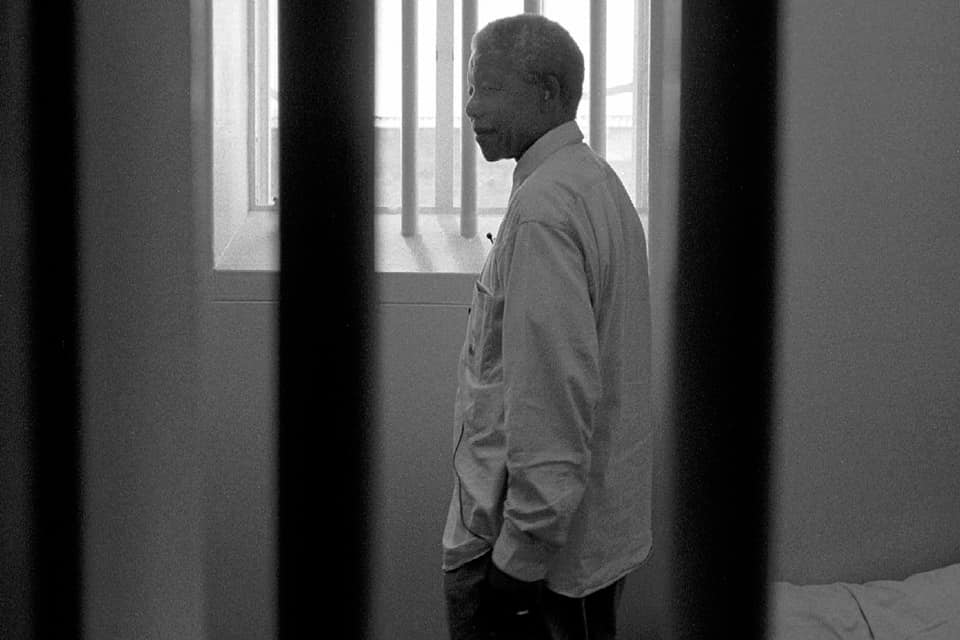
On this Day, February 11, 1990, civil-rights leader Nelson Mandela is released from a South African prison after serving 27½ years.
 
 
In 1944, Mandela, a lawyer, joined the African National Congress (ANC), the oldest Black political organization in South Africa, where he became a leader of Johannesburg’s youth wing of the ANC. In 1952, he became deputy national president of the ANC, advocating nonviolent resistance to apartheid—South Africa’s institutionalized system of white supremacy and racial segregation. However, after the massacre of peaceful Black demonstrators at Sharpeville in 1960, Nelson helped organize a paramilitary branch of the ANC to engage in guerrilla warfare against the white minority government.
 
 
In 1961, he was arrested for treason, and although acquitted he was arrested again in 1962 for illegally leaving the country. Convicted and sentenced to five years at Robben Island Prison, he was put on trial again in 1964 on charges of sabotage. In
...
Continue Reading...

Duck Tape Invented

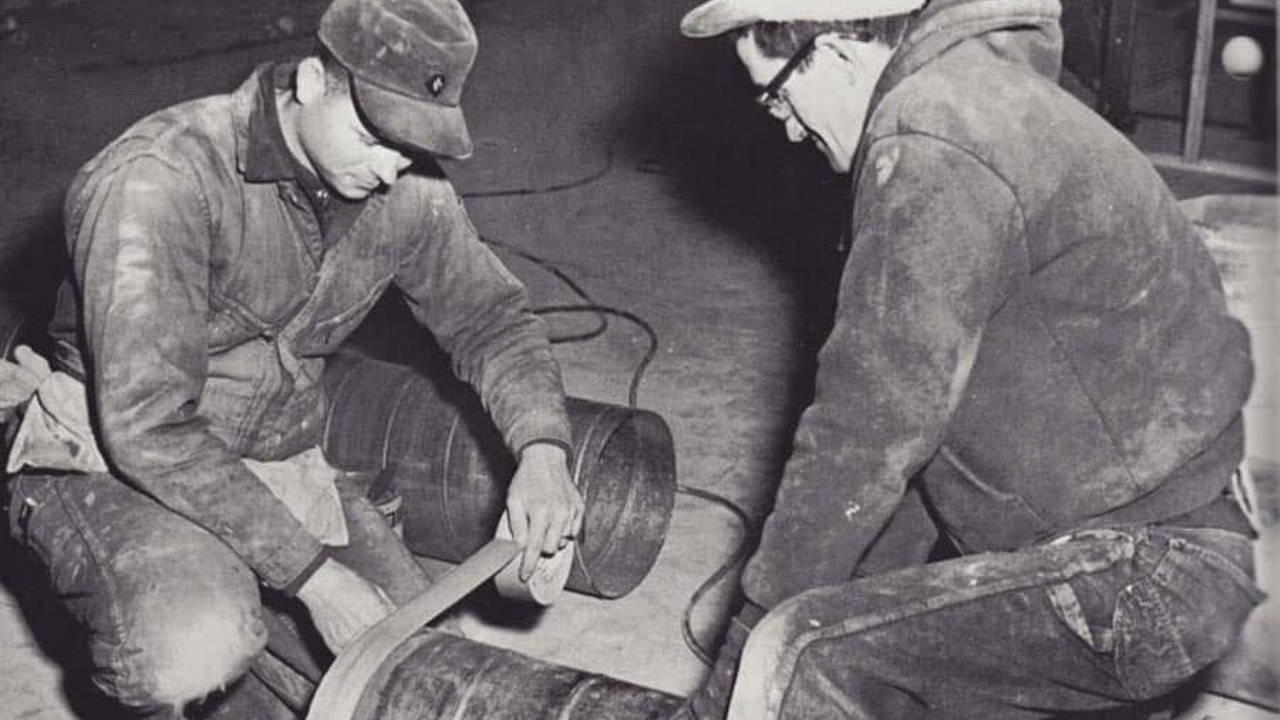
On February 10, 1943, while working at an ordnance plant during World War II, Vesta Stoudt noticed that the way ammunition boxes were sealed made them difficult to open quickly and this could cost them precious time in battle. So, she developed a waterproof, tearable cloth tape to solve the problem. Her bosses at the plant were unimpressed, so on February 10, 1943 she wrote a letter to U.S. President Franklin D. Roosevelt:
 
"I suggested we use a strong cloth tape to close seams, and make tab of same. It worked fine, I showed it to different government inspectors they said it was all right, but I could never get them to change tape."
 
 
Roosevelt liked the idea and sent it to the War Production Board who implemented her tape idea. They made a tape using woven fabric, known as "duck cloth", coated in waterproof plastic with a layer of rubber-based adhesive and could be torn by hand without the need for scissors. The tape worked great on ammo boxes and soon GIs found it
...
Continue Reading...

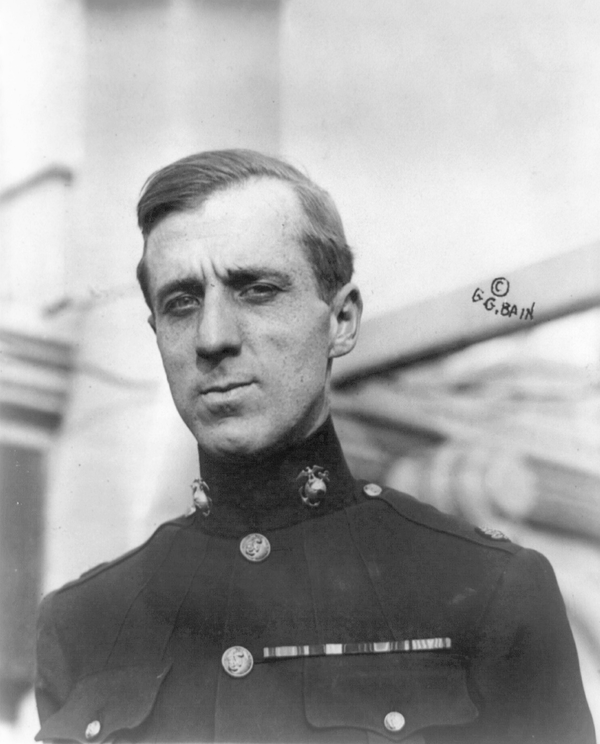
TWO Medals of Honor and Something Even More: The Story of Major General Smedley Butler

You probably don’t know him. Major General Smedley Darlington Butler (July 30, 1881 – June 21, 1940). "Old Gimlet Eye".
 
United States Marine Corps officer who fought in both the Mexican Revolution and World War I. Butler was, at the time of his death, the most decorated Marine in U.S. history. Fought in the Philippines, China, in Central America and the Caribbean during the Banana Wars, and France in World War I.
 
 
Recipient of 2 Medals of Honor.
 
Butler also exposed the “Business Plot,” a plan to overthrow the United States government under FDR.
 
Why don’t we know about him? Here’s his story
Continue Reading...

Two Brothers at Normandy American Cemetery: Quentin and Theodore Roosevelt


75 years ago, today, Brigadier General Theodore Roosevelt, Jr. passed away from a heart attack in Normandy.

Ted and his younger brother Quentin were the sons of President Theodore Roosevelt. Ted was wounded at Soissons during the summer of 1918 and received the Distinguished Service Cross. In July of that year, Quentin was killed in combat.

As assistant division commander of the 4th Infantry Division, Ted led the first wave on Utah Beach on D-Day. For his actions, he was posthumously awarded the Medal of Honor.

Both Quentin and Ted are buried side-by-side at Normandy American Cemetery.

Here are their stories...

Continue Reading...

Leadership By Example: 1LT Alonzo H. Cushing in Gettysburg

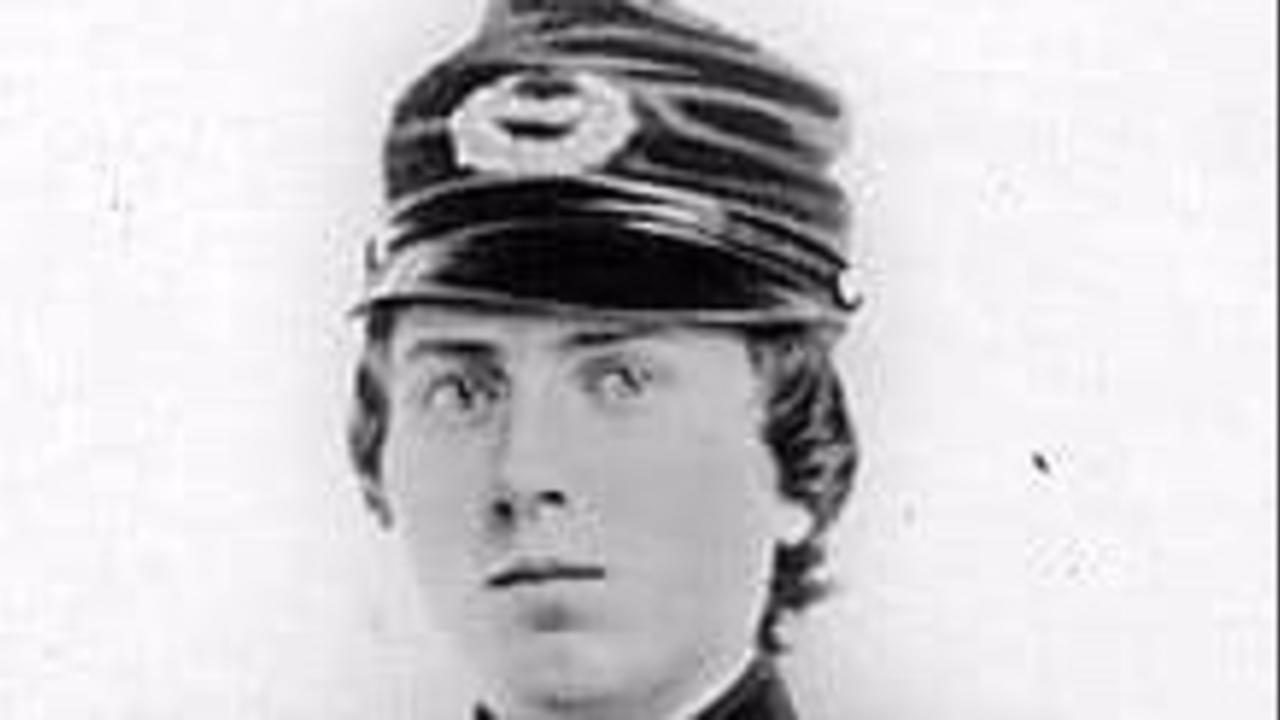
Many things to think about today on the eve of our nation’s independence, but if you’re looking for a great example of all that is right about America, here is one young man who 156 years ago this afternoon—led by example, who wouldn’t quit, and who sacrificed himself at a place called “The Angle,” near a weed-choked corpse of trees on Cemetery Ridge in Gettysburg, Pennsylvania.

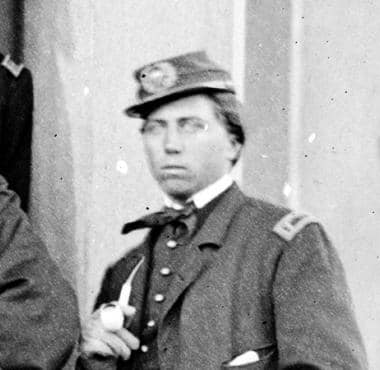
His name is 1st Lieutenant Alonzo Cushing. He was 22 years-old and an experienced veteran of numerous battles. At Gettysburg, he commanded Battery A, 4th United States Artillery. He died defending a vital part of the Union line against Pickett's Charge, and although mortally wounded would not leave his post. Grasping his intestines with one hand and the lanyard of his gun with the other, he shouted above the chaos of the battle to his Sergeant, Frederick Fuger standing beside him, "I’ll give them one more shot!" Seconds later a Confederate bullet struck him through the mouth, killing him instantly. His lifel...

Continue Reading...

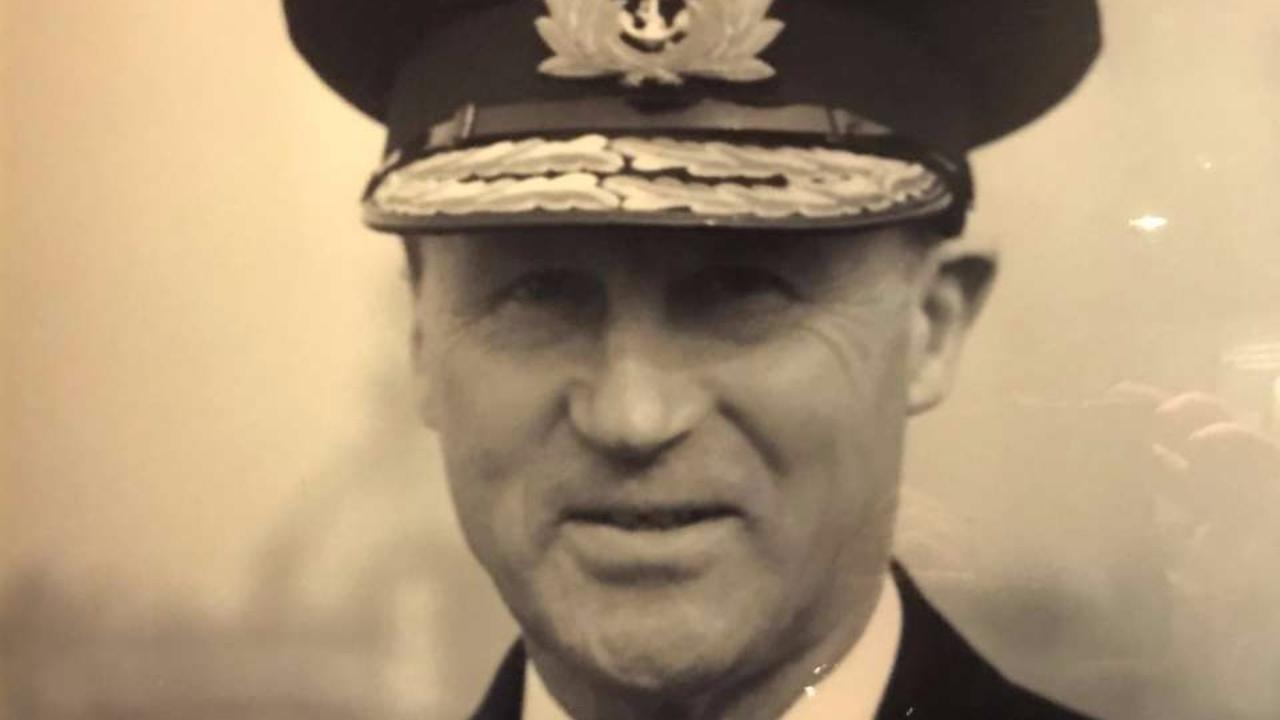
Admiral Bertram Ramsay’s Final Diary Entry the Night before D-Day.

‘Monday, June 5, 1944. Thus has been made the vital and crucial decision to stage the great enterprise which [shall?], I hope, be the immediate means of bringing about the downfall of Germany’s fighting power & Nazi oppression & an early cessation of hostilities.

‘I am not under [any] delusions as to the risks involved in this most difficult of all operations . . . Success will be in the balance. We must trust in our invisible assets to tip the balance in our favor.

‘We shall require all the help that God can give us & I cannot believe that this will not be forthcoming.’


Continue Reading...

The Dick Winters Leadership Monument in Normandy, France


Whenever I'm in Normandy, I always make a point to visit the Dick Winter's Leadership Monument.  You can't miss it.  It's right off the causeway on your way to Utah Beach.  In many ways, I believe it represents all of the values and principles of leadership that should be recognized during any visit here, and in any study of D-Day and the Battle for Normandy.  Here's a quick video from that monument to the young leaders who fought and won this monumental battle.


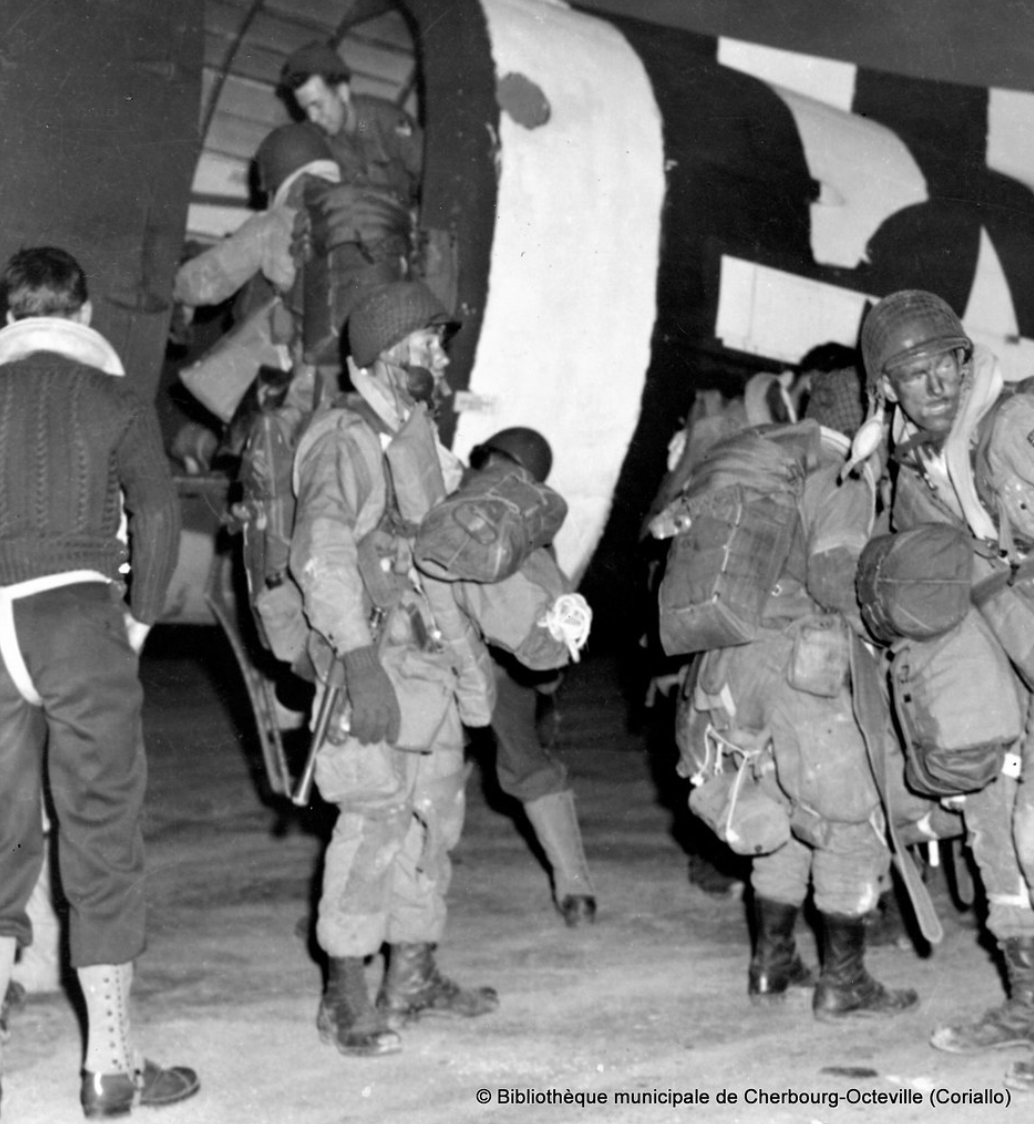
Paratroopers from 2d Battalion, 506th PIR loading for their Albany mission,
intended to jump on the DZ "C" in Hiesville at 0120 hours.

This photo was taken on Upottery airfield in Devon on the evening of June 5, 1944.
The aircraft is a C-47 (#42-93004 from 94th Squadron - 439th Troop Carrier Group -
Chalk number # 78 - serial # 12). The pilot (back) is 2nd Lt. Martin N. Neill.
2nd Lt. Carl E. George (co-pilot) helps the paratroopers to board.


William G. Olanie, Frank D. Griffin, Robert J. Noody, Lester T. Hegland

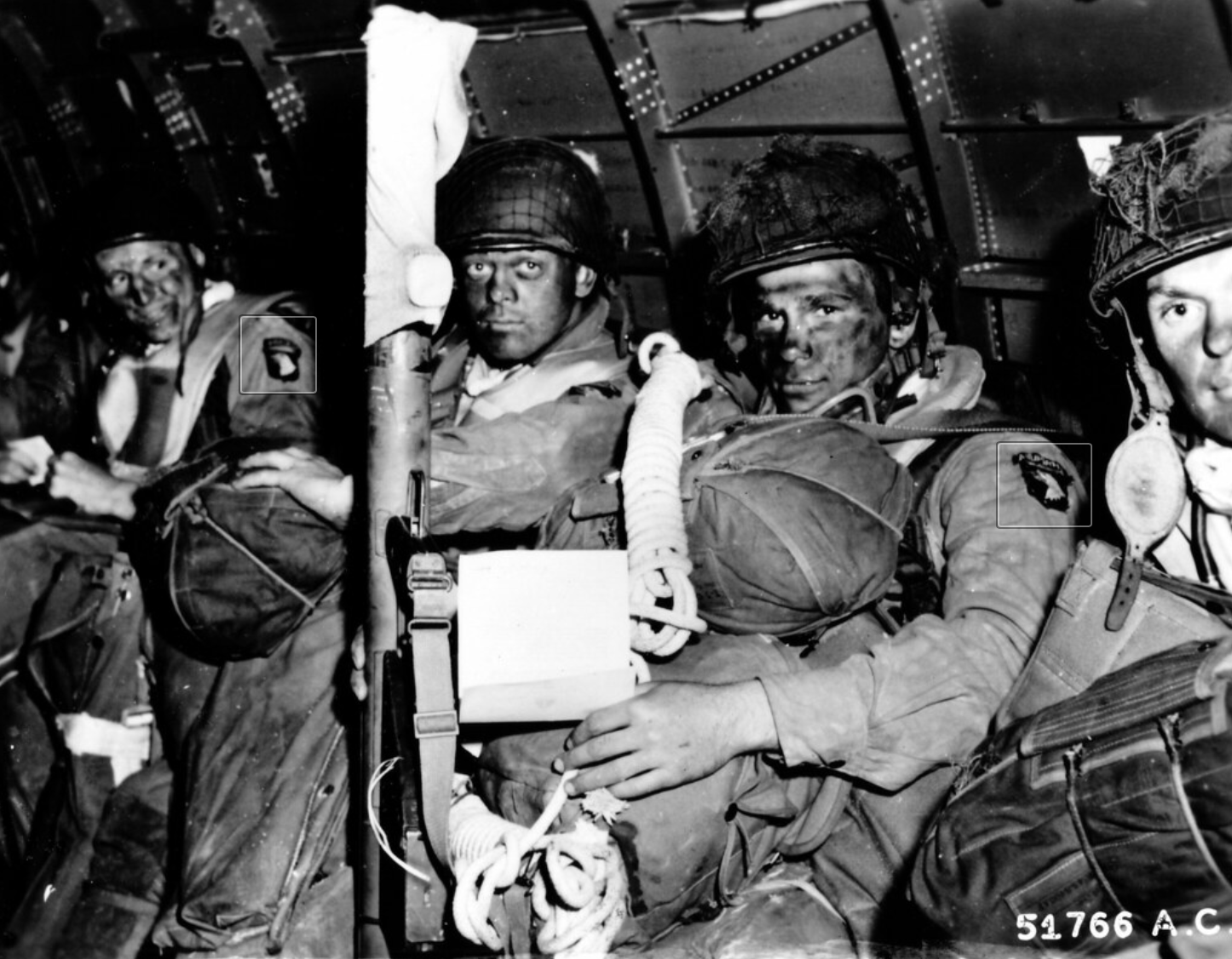
The 506th PI...
Continue Reading...
1 2 3
Close

50% Complete

Two Step

Lorem ipsum dolor sit amet, consectetur adipiscing elit, sed do eiusmod tempor incididunt ut labore et dolore magna aliqua.