General George Washington's Resignation as Commander-in-Chief of the Continental Army
On this day, December 23, 1783 General George Washington resigned his commission as Commander-in-Chief of the Continental Army. That act signaled his return to civilian life at Mount Vernon, but ultimately it was much more than that. It set the stage for how the United States would ultimately be led and governed. Today, Luke and I took a walk down to the Maryland State House in Annapolis. Unfortunately, because of the current health crisis, the State House is closed to the public, so we couldn't get in to shoot this as we'd intended—undeterred, we sat down on a park bench outside and did it there. We posted some additional photos from our previous visits to the State House. It was a windy day, and we did this pretty quickly--but hopefully, it will serve as a good reminder of how significant this day is, and especially, how meaningful George Washington's actions were 237 years ago. Today.
The Great Influenza by John Barry

Battle of Carentan: Purple Heart Lane
Just completed another "D-Day Experience" video program that discusses The Battle of Carentan and what became known by the Soldiers who fought there, as "Purple Heart Lane."
The objective of the attacking American forces was consolidation of the U.S. beachheads--Utah Beach and Omaha Beach--and establishing a continuous defensive line against the German counterattacks that were certain to follow.
This is an interesting battle and event to study--it features the first bayonet charge of World War II, a Medal of Honor to the man who led it, and multiple Distinguished Service Crosses.
It's also a very complex battle--primarily because of the series of bridges along the causeway into Carentan, the movements and maneuver, the logistics, personalities and key locations involved; not to mention the series of attacks and counterattacks that occurred over the course of those several days in June 1944--less than a week after D-Day. But one thing was as clear to those men and women then, as it is ...
Two Brothers at Normandy American Cemetery: Quentin and Theodore Roosevelt
75 years ago, today, Brigadier General Theodore Roosevelt, Jr. passed away from a heart attack in Normandy.
Ted and his younger brother Quentin were the sons of President Theodore Roosevelt. Ted was wounded at Soissons during the summer of 1918 and received the Distinguished Service Cross. In July of that year, Quentin was killed in combat.
As assistant division commander of the 4th Infantry Division, Ted led the first wave on Utah Beach on D-Day. For his actions, he was posthumously awarded the Medal of Honor.
Both Quentin and Ted are buried side-by-side at Normandy American Cemetery.
Here are their stories...
Leadership By Example: 1LT Alonzo H. Cushing in Gettysburg
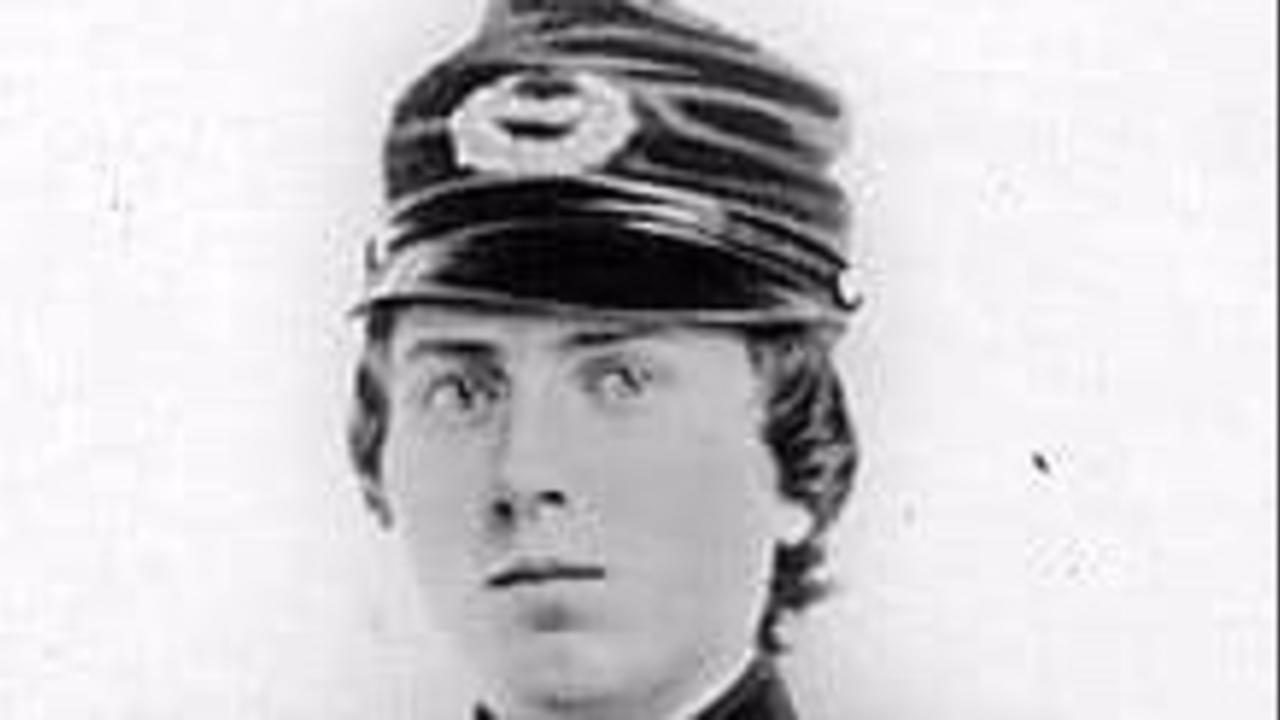
Many things to think about today on the eve of our nation’s independence, but if you’re looking for a great example of all that is right about America, here is one young man who 156 years ago this afternoon—led by example, who wouldn’t quit, and who sacrificed himself at a place called “The Angle,” near a weed-choked corpse of trees on Cemetery Ridge in Gettysburg, Pennsylvania.
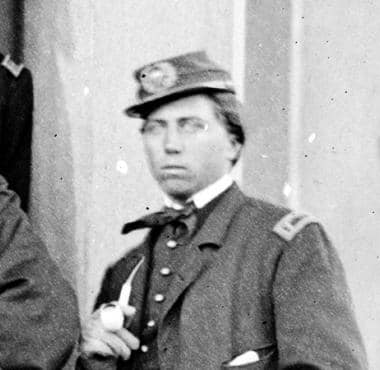
His name is 1st Lieutenant Alonzo Cushing. He was 22 years-old and an experienced veteran of numerous battles. At Gettysburg, he commanded Battery A, 4th United States Artillery. He died defending a vital part of the Union line against Pickett's Charge, and although mortally wounded would not leave his post. Grasping his intestines with one hand and the lanyard of his gun with the other, he shouted above the chaos of the battle to his Sergeant, Frederick Fuger standing beside him, "I’ll give them one more shot!" Seconds later a Confederate bullet struck him through the mouth, killing him instantly. His lifel...
The Dick Winters Leadership Monument in Normandy, France
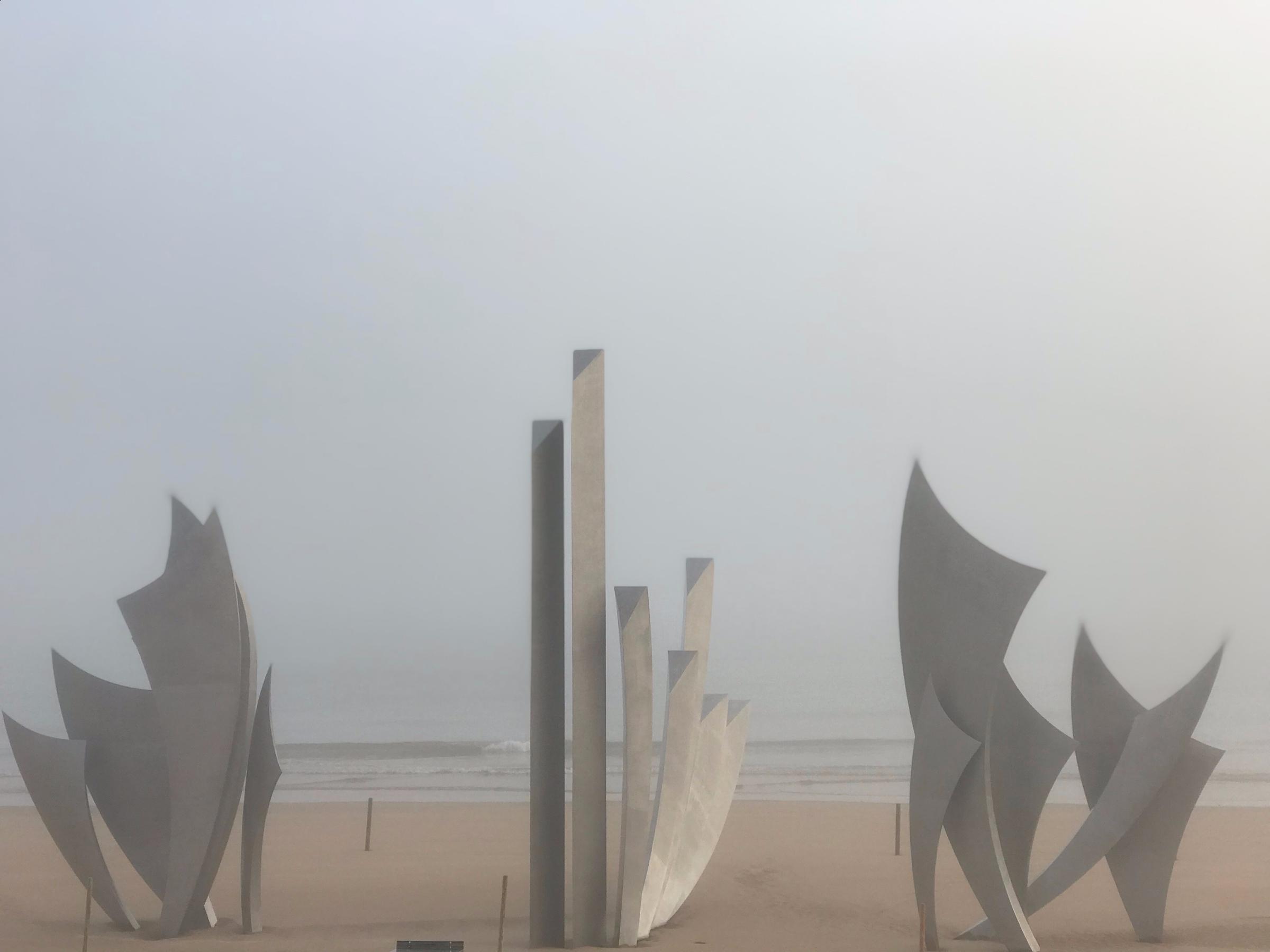
Whenever I'm in Normandy, I always make a point to visit the Dick Winter's Leadership Monument. You can't miss it. It's right off the causeway on your way to Utah Beach. In many ways, I believe it represents all of the values and principles of leadership that should be recognized during any visit here, and in any study of D-Day and the Battle for Normandy. Here's a quick video from that monument to the young leaders who fought and won this monumental battle.
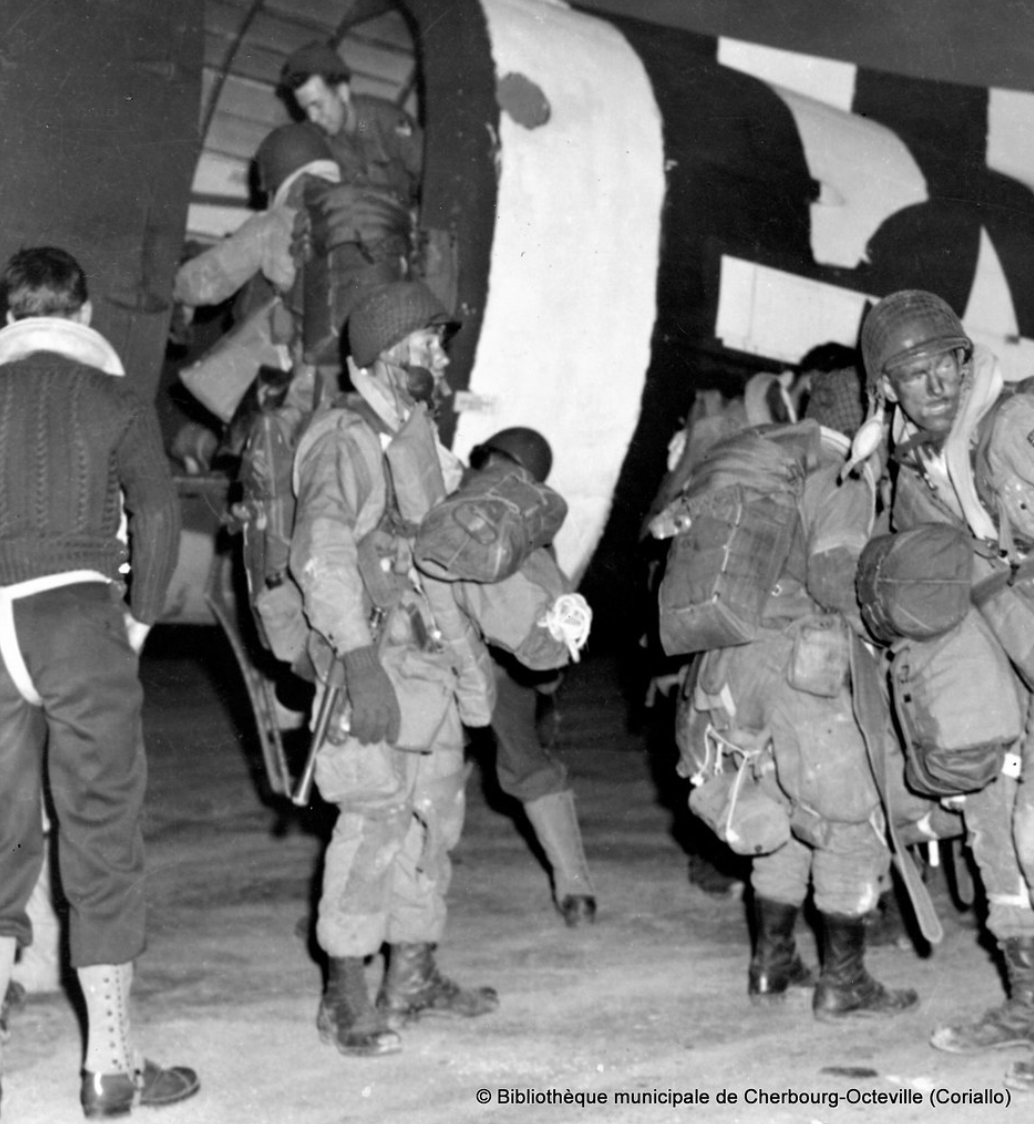
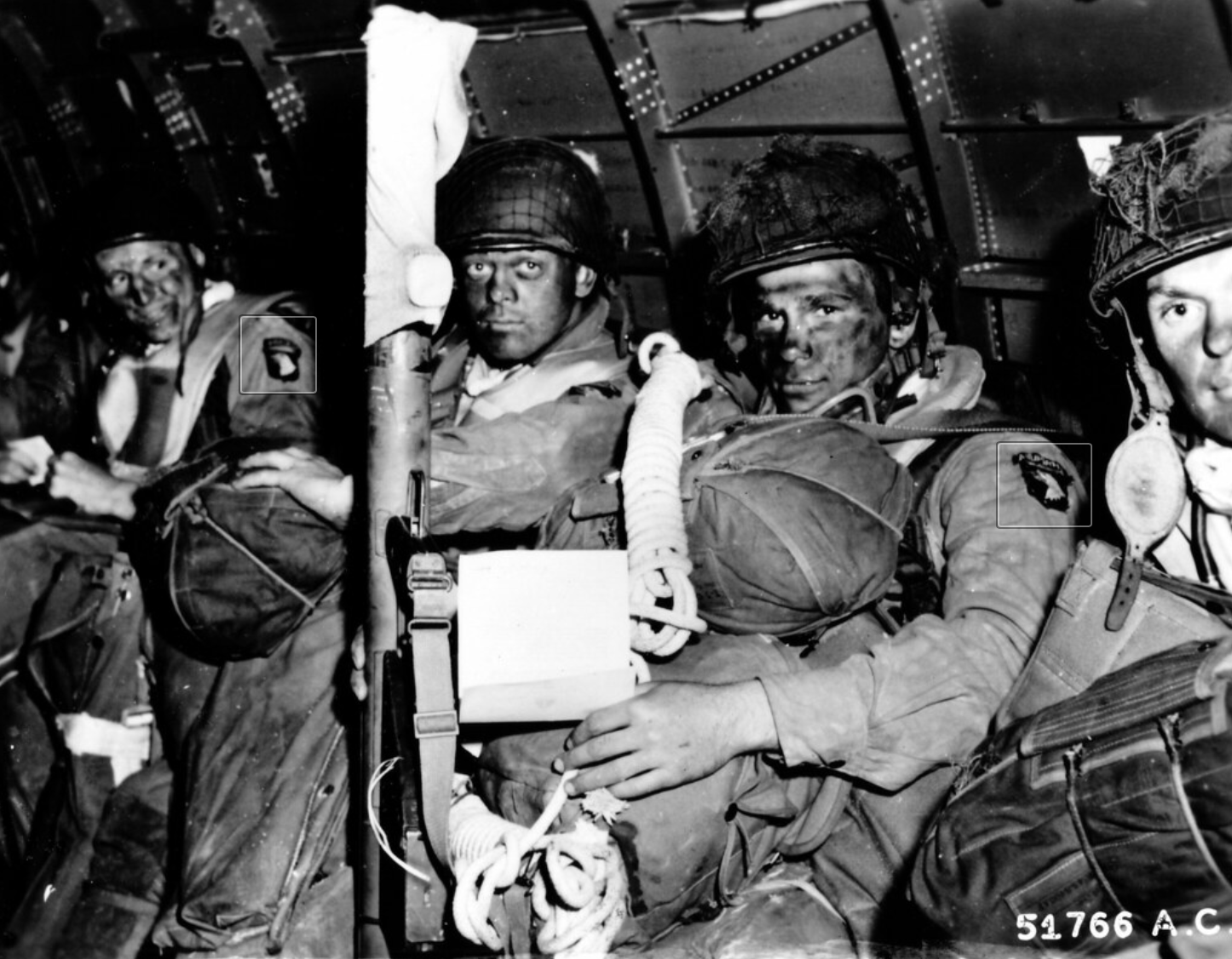
Paratroopers from 2d Battalion, 506th PIR loading for their Albany mission,
intended to jump on the DZ "C" in Hiesville at 0120 hours.

This photo was taken on Upottery airfield in Devon on the evening of June 5, 1944.
The aircraft is a C-47 (#42-93004 from 94th Squadron - 439th Troop Carrier Group -
Chalk number # 78 - serial # 12). The pilot (back) is 2nd Lt. Martin N. Neill.
2nd Lt.  Carl E. George (co-pilot) helps the paratroopers to board.


William G. Olanie, Frank D. Griffin, Robert J. Noody, Lester T. Hegland

The 506th PI...