Apollo 13

On This Day, April 11, 1970, Apollo 13 Launched from Kennedy Space Center.

No alt text provided for this image

The mission was commanded by Jim Lovell with Jack Swigert as command module pilot and Fred Haise as Apollo Lunar Module pilot. Swigert was a late replacement for Ken Mattingly, who was grounded after exposure to rubella.

No alt text provided for this image

Two days later, the lunar landing was aborted after an oxygen tank in the service module failed two days into the mission, leading to famous expression, "Houston, we have a problem."

No alt text provided for this image

To survive, the crew needed to overcome limited power, loss of cabin heat, shortage of potable water, and make makeshift repairs to the carbon dioxide removal system.

No alt text provided for this image

There was a critical need to adapt the command module’s cartridges for the carbon dioxide scrubber system to work in the lunar module. Working together, thousands of miles apart, the crew and mission controllers were successful in improvising a solution.

No alt text provided for this image

Looping around the Moon, the crew returned safely to Earth six days later on April 1...

Continue Reading...

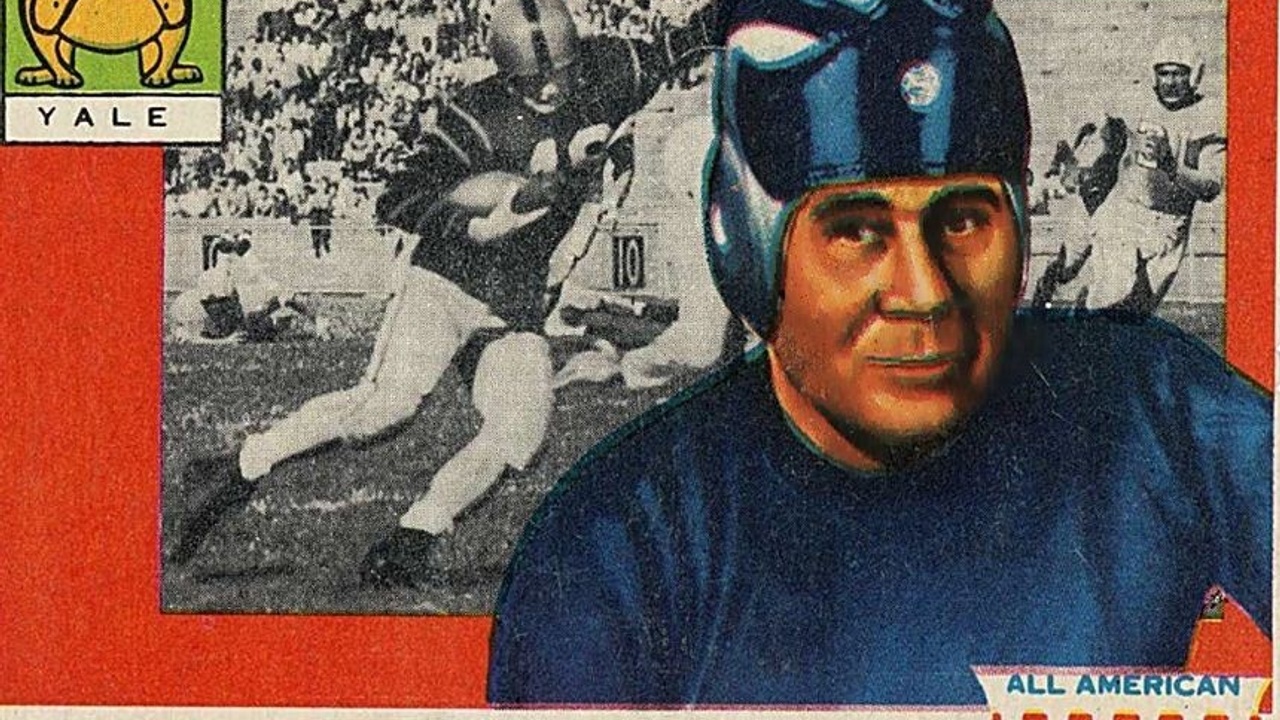
Football’s First Professional Player -- Who Played Longer than Any other Player in History--Wasn’t Recognized Until After his Death

William Walter "Pudge" Heffelfinger became the first professional football player in 1892, when he was paid a $500 bonus (about $13,500 in today's money) after scoring the winning touchdown for the Allegheny Athletic Association against the Pittsburgh Athletic Club (4-0). A touchdown counted for 4 points at the time.

No alt text provided for this image

William was born in 1867 in the then-small city of Minneapolis. William's father was Major Christopher B. Heffelfinger and his mother was Mary Ellen Totton. Both his parents were born in Pennsylvania. Maj. Heffelfinger came by riverboat to Minneapolis, eventually joining the Union Army at the outset of the Civil War, was wounded at Gettysburg, and after the war started the family shoe manufacturing business and dabbled in real estate. During William's lifetime, the Heffelfinger family rose to prominence in Minneapolis.

As a boy, William Heffelfinger was nicknamed "Pudge". He played baseball and football in high school. Occasionally, during his junior and senior years o...

Continue Reading...

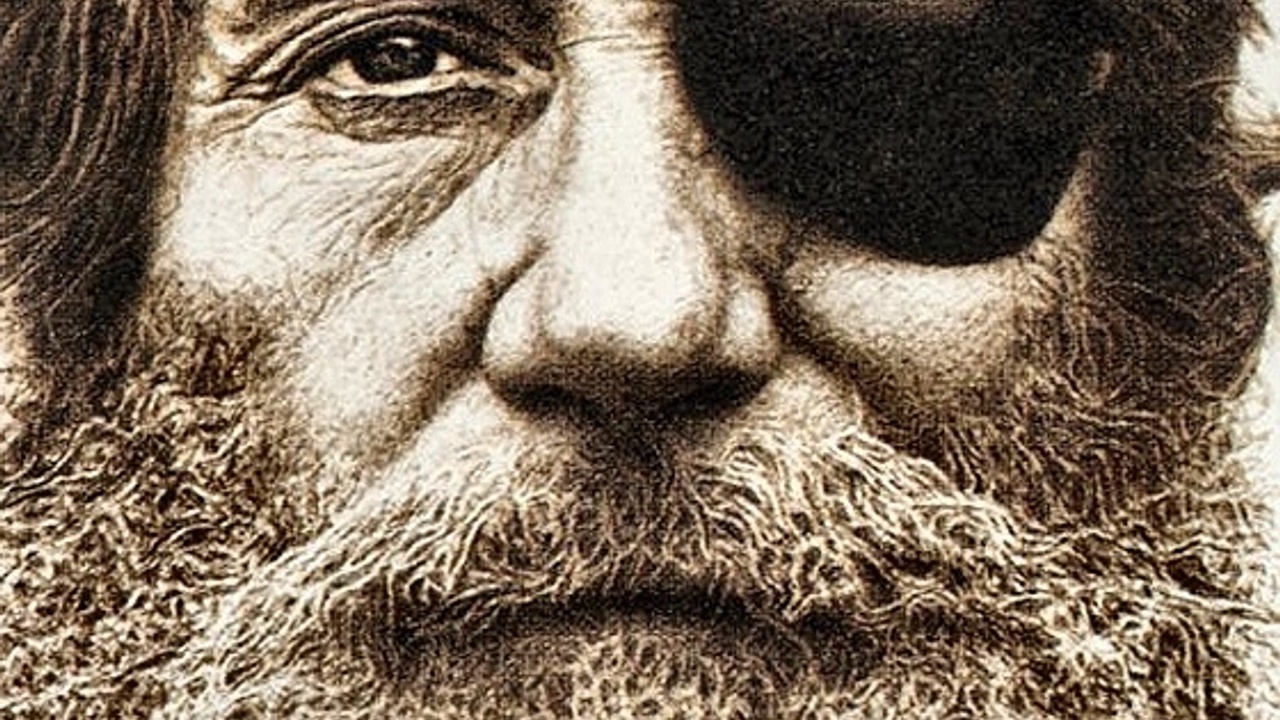
The One-Eyed Surfer who “Invented” the Wetsuit

American surfer, entrepreneur, adventurer, and inventor, Jack O'Neill was born On This Day, March 27, 1923.

O’Neill is widely credited with inventing the wetsuit. Wanting to surf longer in the colder waters of Northern California, he popularized the neoprene wetsuit. He established the O'Neill surf wear and gear company in 1952. He was widely known for his eye patch, which he wore due to a surfing accident.

No alt text provided for this image

Although O'Neill is widely perceived to be the wetsuit inventor, an investigation concluded that UC Berkeley physicist Hugh Bradner was most likely the original inventor.

Jack O'Neill was a Denver native who grew up in Oregon and southern California, where he began body surfing in the late 1930s. He received a degree in business from University of Portland in Oregon.

During World War II, O’Neill was a pilot in the Naval Air Corps before moving to San Francisco, CA, where he worked as a taxi driver, fisherman, lifeguard, longshoreman, traveling salesman, and draftsman. Duri

...
Continue Reading...

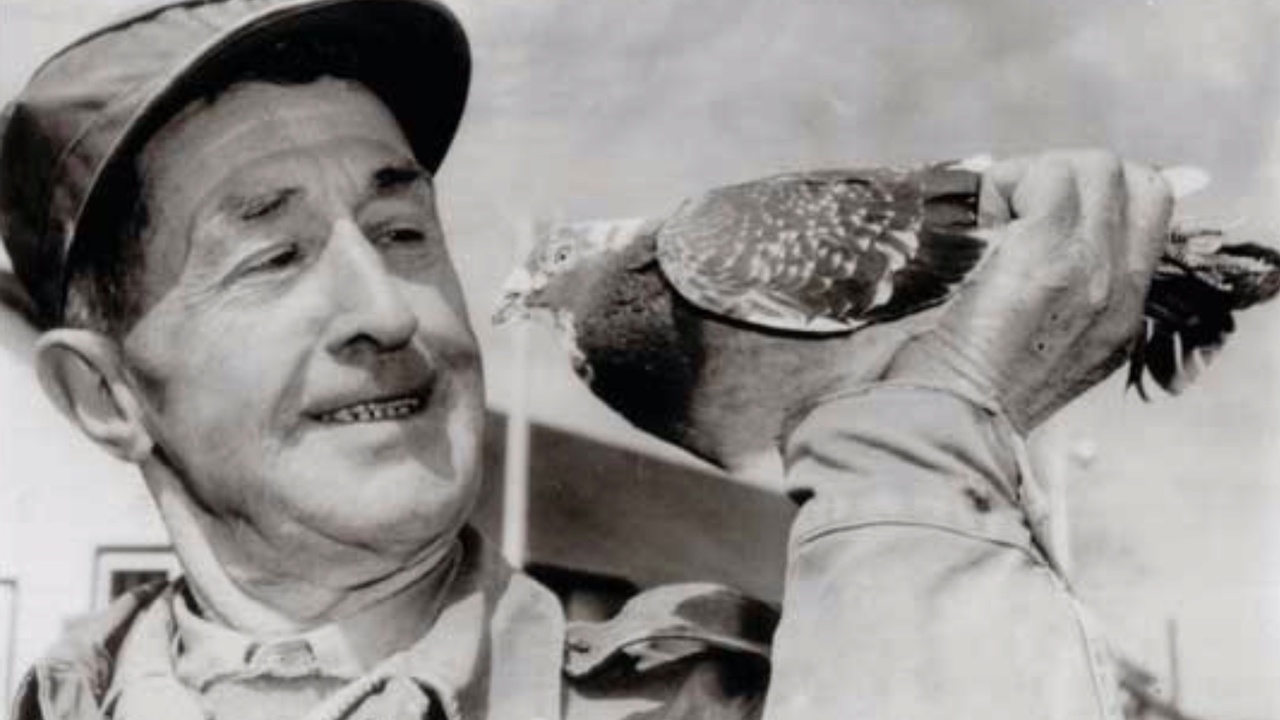
G.I. Joe Saved 1,000 Lives

The Bird, that is. Not the Action Figure.

When their country has needed their services, carrier pigeons have answered the call of duty. Perhaps the most famous was G.I. Joe. He was an American carrier pigeon credited with saving over 100 British troops and 1000 civilians.

No alt text provided for this image

G.I. Joe was born (hatched) On This Day, March 24, 1943 in Algiers, North Africa.

He underwent his “basic training” for two-way homing pigeons that had been perfected at Fort Monmouth, in New Jersey. Homing pigeons were used during World War I and World War II for communication and reconnaissance purposes.

In the summer of 1917, shortly after America’s entry in World War I, the Army started a carrier pigeon service at 74 training camps and posts, including Camp Meade. (Camp Meade became a permanent fort in 1928.) The U.S. Army Pigeon Breeding and Training Center headquarters was at Fort Monmouth, NJ.

No alt text provided for this image

The training camps together housed over 10,000 pigeons, with another 15,000 trained birds sent to Europe for s...

Continue Reading...

Marcel Marceau: The Legendary Mime Who Served in the French Resistance, Fought the Nazis, and Saved Countless Children

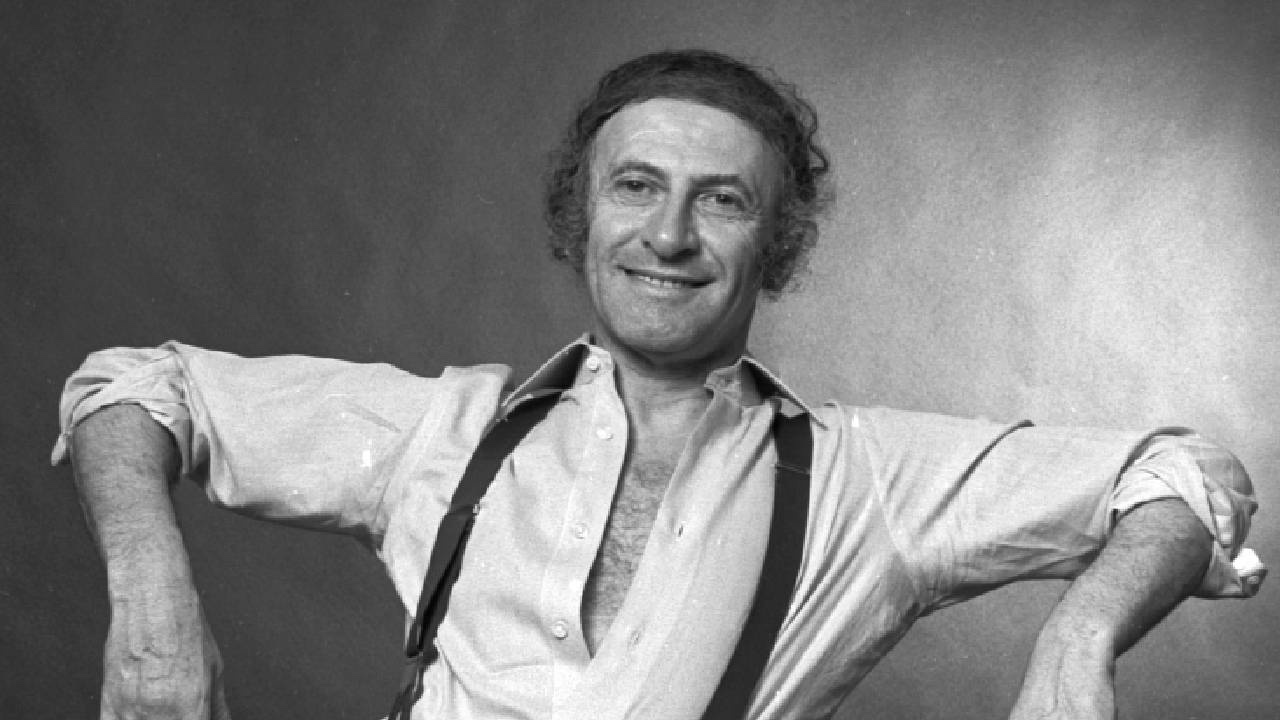
Renowned French Mime, Marcel Marceau, was born On this Day, March 22, 1923. Expert in the practice of silence, his most famous quote is, "".

Born in Strasbourg, France as Marcel Mangel— his father, Charles Mangel, was a kosher butcher originally from Będzin, Poland. His mother, Anne Werzberg, came from Yabluniv, present-day Ukraine.

When Marcel was four years old, the family moved to Lille, but they later returned to Strasbourg. When he was 16, the Nazis marched into eastern France. Marcel and his family fled with his family to Limoges in the southwest where he lived in hiding.

No alt text provided for this image

He would ultimately change his name to Marceau— to hide his Jewish roots, and to honor François Séverin Marceau-Desgraviers, a general of the French Revolution.

His father was a baritone who loved music and the theater, and he introduced Marcel to both at an early age. Marcel was captivated by the silent film stars of the era: Chaplin, Buster Keaton and the Marx brothers.

He was schooled in the Paris

...
Continue Reading...

“They melt in your mouth, not in your hand!”: The Origins of M&Ms and the Secretive, Controversial History of Forrest Mars, Sr.

Most people believe that the famous “M” on the candy shell stands for Mars Incorporated, the company that produces M&M’s. While Mars was the principal inventor of M&M's, there are two M’s in that name, and that name signifies the work of two men—both with the initial “M”—and who were originally responsible for the production of M&Ms.

No alt text provided for this image

Forrest Edward Mars, Sr. was one “M” and the other “M” was Bruce Murrie.

Today is a fitting time to discuss the origins of M&Ms because Forrest Mars was born on this day, March 21, 1904.

Forrest grew up in a candymaker’s house, and immediately had some some big shoes to fill. His father’s home business grew to invent and sell some of the world’s most famous candy bars, including Snickers, Mars Bars, and Milky Way. And Forrest continued and built on that legacy.

Here is the story of M&M candy and it’s controversial founder, Forrest Mars, Sr.

No alt text provided for this image

Forrest Mars was born in Wadena, Minnesota, but after his parents' divorce when he was 6 years old, and

...
Continue Reading...

Gideon Sundback—the Man who Who Saved us 5 Minutes, Every Day (Inventor of the Zipper)

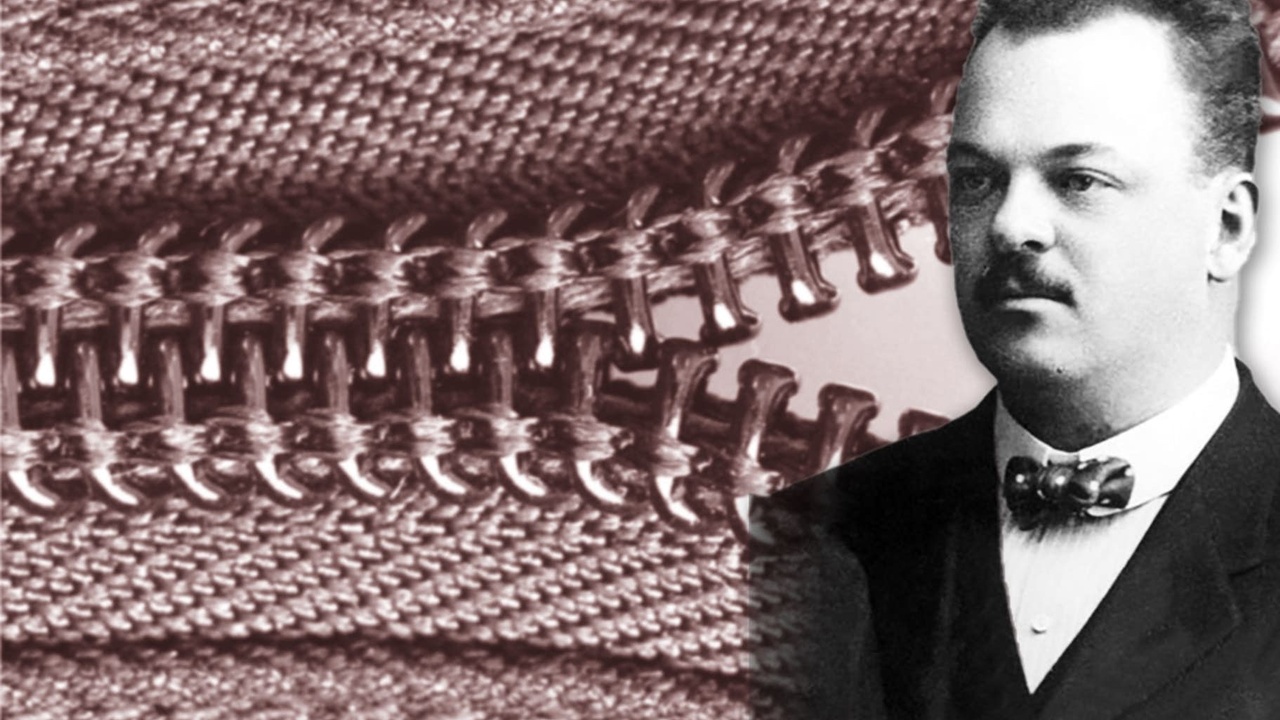
On This Day, March 20, 1917, the modern all-purpose zipper is patented, by Gideon Sundback.

No alt text provided for this image

These days, zippers are so commonplace on clothing that we don’t really them–until they stop working. We routinely take them for granted. We zip them up and down many times daily without ever giving a second thought to who invented them, how complex they are, or how much of an innovation they were more than a century ago.

But today, take a look at a zipper on whatever you’re wearing. You’ll see the little teeth are lined up on two separate pieces of cloth tape. The slider device that unites the teeth has to move smoothly up and down, or side-to-side, and it requires a small but easy-to-use pull-tab. Once closed, the teeth need to provide a firm hold. Zippers also need a “stop” piece at both the top and the bottom of the zipper to keep a slider from running off its track.

No alt text provided for this image

The challenge of the earliest zippers was making ones that were reliable and that would lie flat. If the zipper buc

...
Continue Reading...

The Unfortunate Story of Henry Faulds: The Father of Forensic Fingerprinting who Died On This Day, Unacknowledged

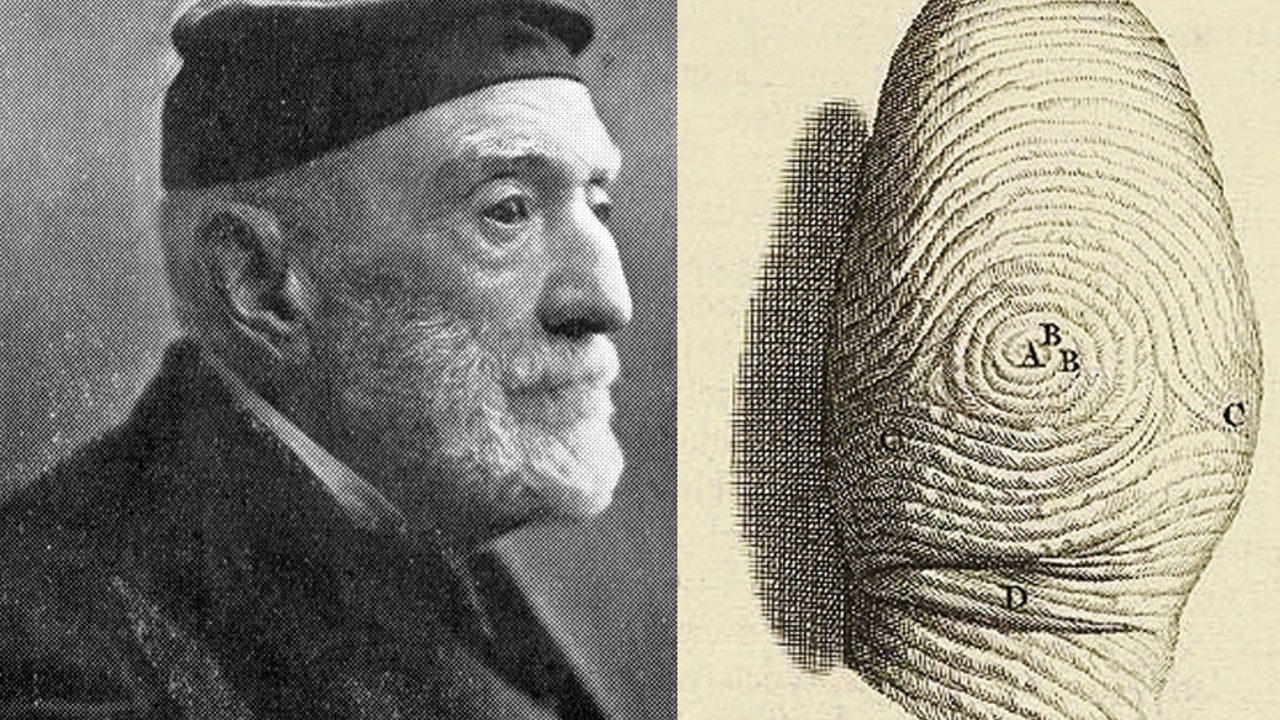
Henry Faulds was a Scottish doctor, missionary and scientist who has become widely known as the "Father of Fingerprinting." In 1880, he was the first to suggest using fingerprints for criminal investigations using a classification system that he developed. But during his lifetime, he never received the credit for his discovery. Here is his story...

No alt text provided for this image

Henry Faulds was born on June 1, 1843 in Beith, Scotland. His parents were initially wealthy but lost much of their fortunes following the City of Glasgow bank collapse in 1855.

Unable to continue his education, Henry had to drop out of school as a 13 year old to take up a job and to help support his family. He found employment as a clerk. Later on he became apprenticed to a shawl manufacturer. After working for a few years he decided to further his education. He was a bright young man and at the age of 21 he started attending classes in mathematics, logic, and classics at Glasgow University.

However, it was not long before he reali

...
Continue Reading...

Before Steve Jobs, there was Adam Osborne—Inventor of the Portable Computer

You may not remember the name of Adam Osborne as easily as Steve Jobs, but there was a time when he was even more famous. If you read computer books, use a laptop, or rely on low cost software then you can thank Adam Osborne for each of those. Sadly, he’s more widely known for an imprudent business decision that still carries his name—the "Osborne Effect.”

He created the first commercially available portable computer, the Osborne 1. After announcing the development of his company's new advanced computers, buyers chose to wait for the new computers, thus killing the sales of the current Osborne 1, bankrupting the company.

But Adam Osborne deserves much more credit than simply being remembered for a business phenomenon that’s been named after him.

He’s been described as one of the “most charming, persuasive, egotistical, and supremely confident people in the computing field, indeed, in all industry.”

Osborne was born in Thailand in 1939 to British parents and spent much of his ch

...
Continue Reading...

Douglas MacArthur: “I Shall Return!” ...It didn’t happen exactly the way (and where) you may have thought

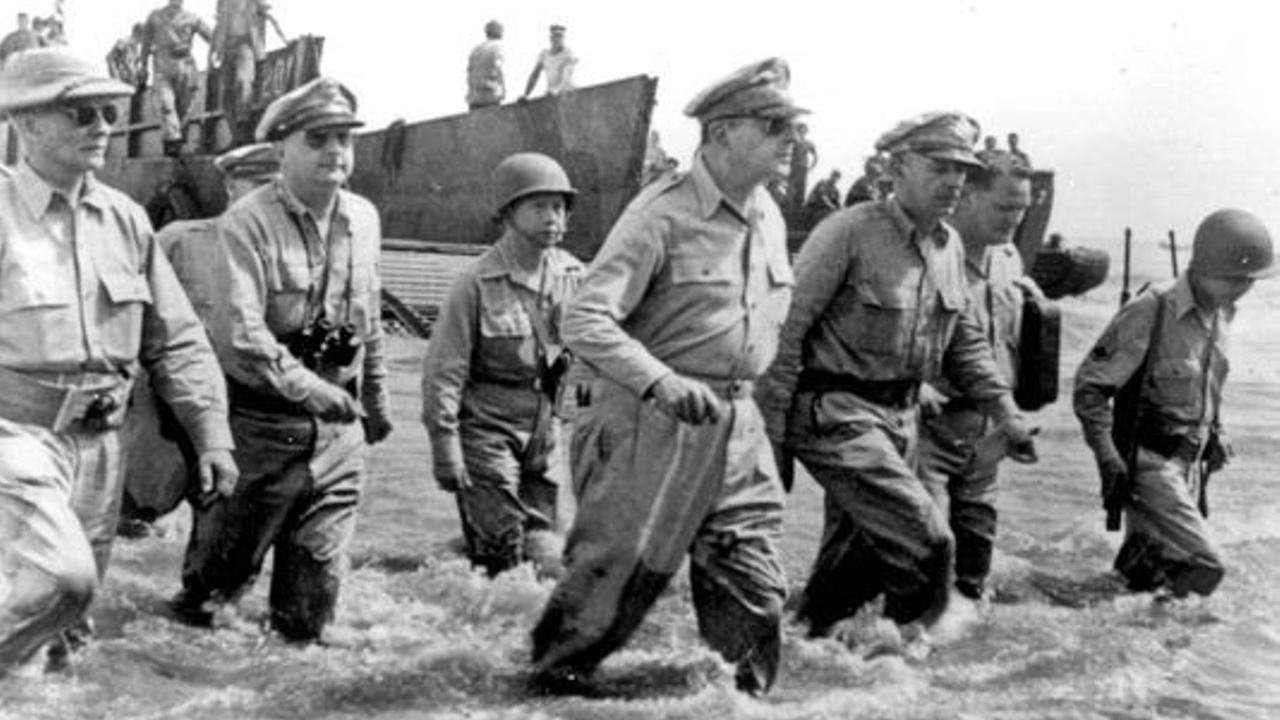
On this Day, March 17, 1942, General Douglas MacArthur first makes his famous declaration, "I shall return" after leaving the Philippines during World War II.

No alt text provided for this image

President Franklin Roosevelt, fearful of one of America’s most successful and well-known generals being taken captive by the Japanese if Corregidor fell, was too bitter a conclusion to contemplate.

On February 23, Secretary of War Harry Stimson and Chief of Staff George Marshall sent MacArthur a message ordering him to leave the Philippines for Australia.

The President directs that you make arrangements to leave and proceed to Mindanao. You are directed to make this change as quickly as possible … From Mindanao you will proceed to Australia where you will assume command of all United States troops … Instructions will be given from here at your request for the movement of submarine or plane or both to enable you to carry out the foregoing instructions. You are authorized to take your chief of staff General Sutherland.

Af

...
Continue Reading...
Close

50% Complete

Two Step

Lorem ipsum dolor sit amet, consectetur adipiscing elit, sed do eiusmod tempor incididunt ut labore et dolore magna aliqua.