July 2, 1863: The Second Day at Gettysburg
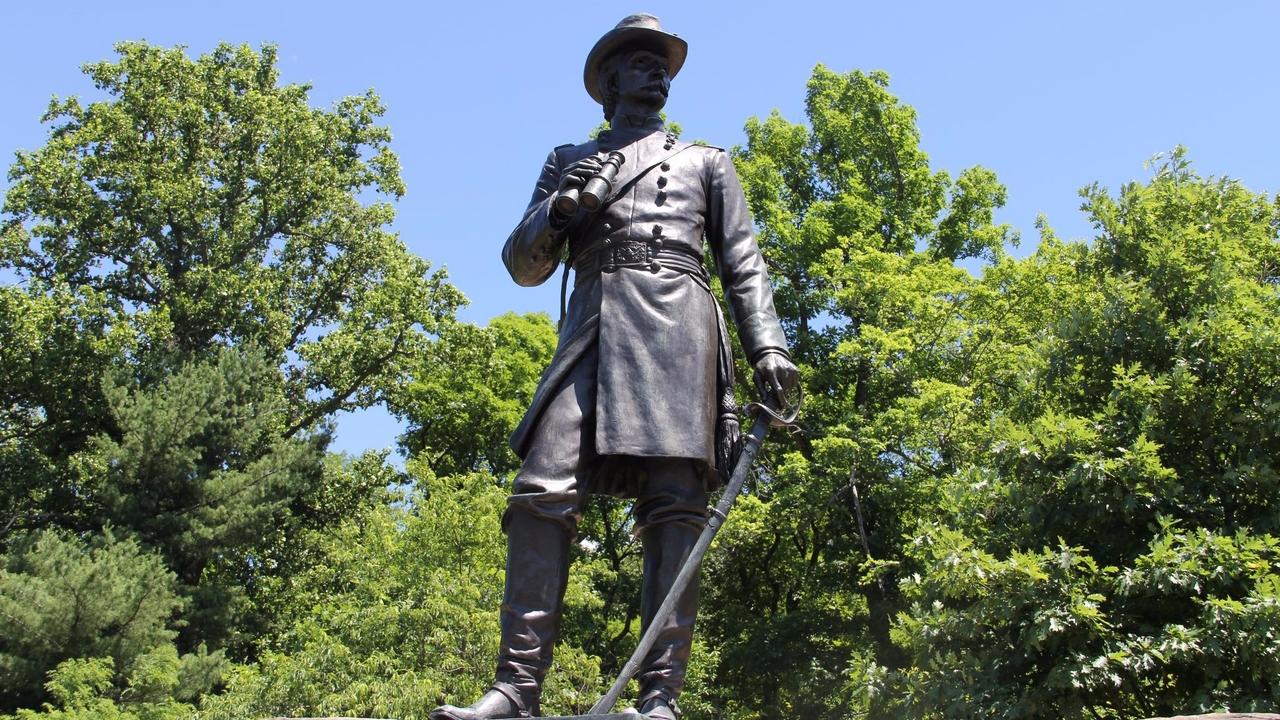
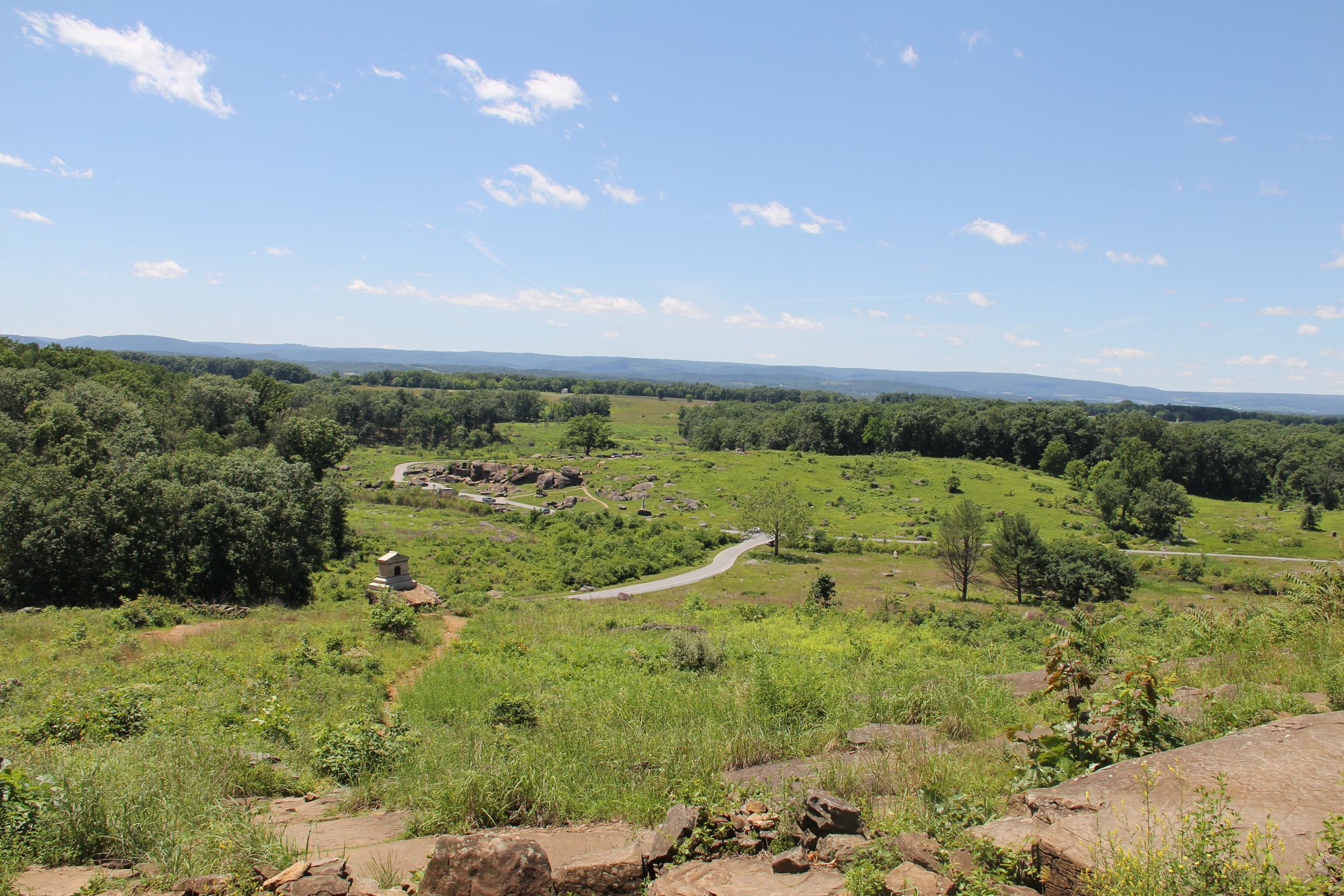
By the afternoon of July 2, 1863, all of General George Meade's seven infantry corps had arrived and occupied defensive positions on the hills and ridges south of Gettysburg. As each Union Corps took up their positions, the Federal line took on the shape of a fishhook. This configuration allowed Meade to take advantage of interior lines to move his troops freely.
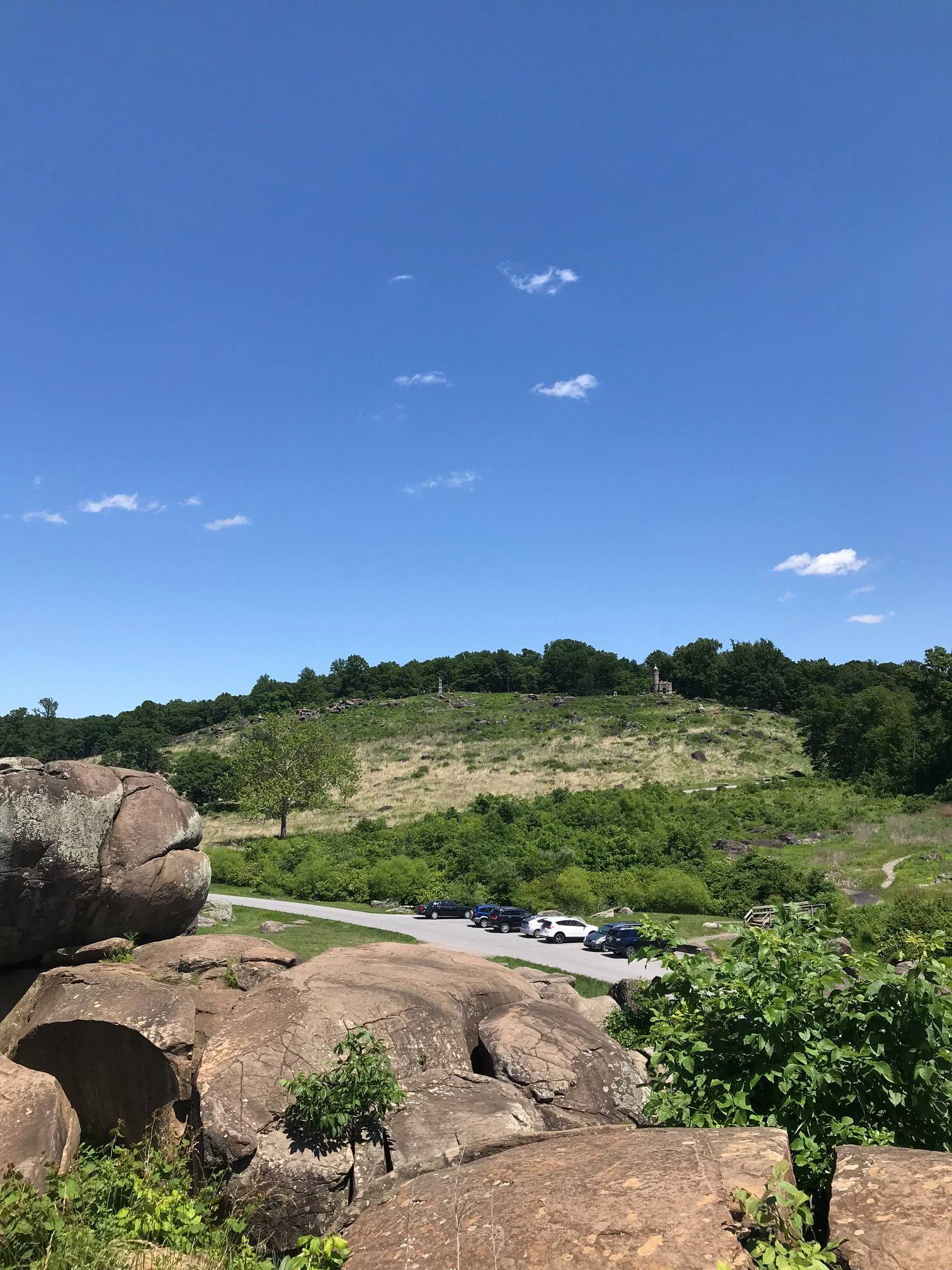
General Robert E. Lee's plan was to test both the right flank and the left flank of the Union line, and wanted Longstreet to lead a major attack against the Union's southernmost flank--the tail of the fishhook. Longstreet did so, but reluctantly, taking hours longer than anticipated.
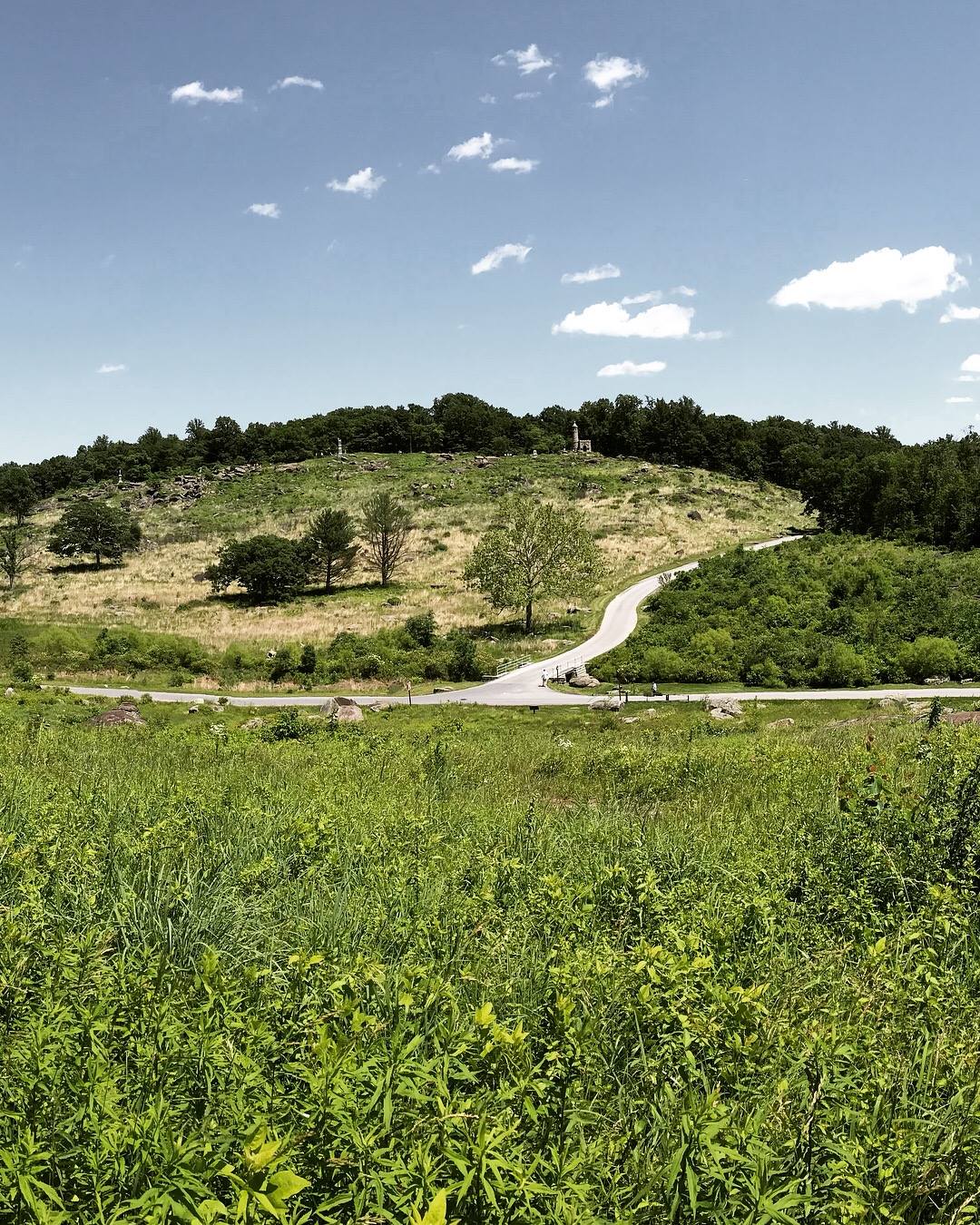
While Longstreet's countermarch has been described as a measure to confuse the Union forces, it was more due to a flawed reconnaissance by Lee's topographical engineer, Captain Samuel Johnston. Working against the Army of Northern Virginia, was the the sheer exhaustion of the rapid countermarches in scorching hot temperatures, without sufficient water.
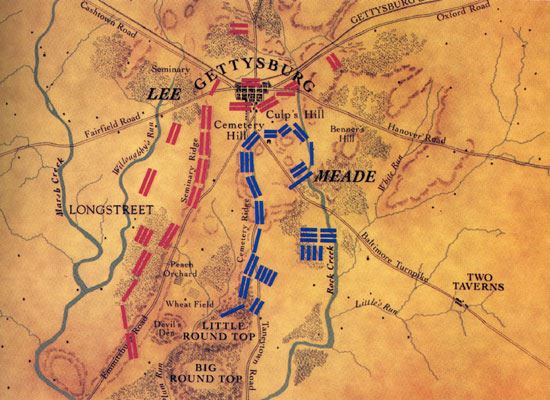
If Longstreet could pierce the Union line along Cemetery Ridge, a Confederate victory would follow.
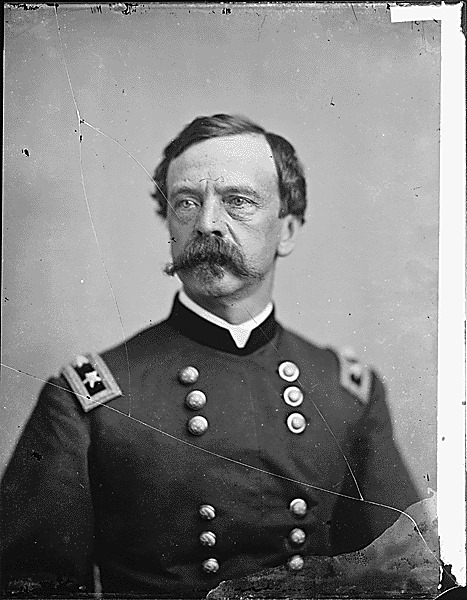
Working for the Confederates, Major General Dan Sickles' unilateral move to reposition his 3rd Corps out in front of the rest of the Union line to occupy what he believed to be superior ground--but dangerously exposed both him and the entire Federal defenses.
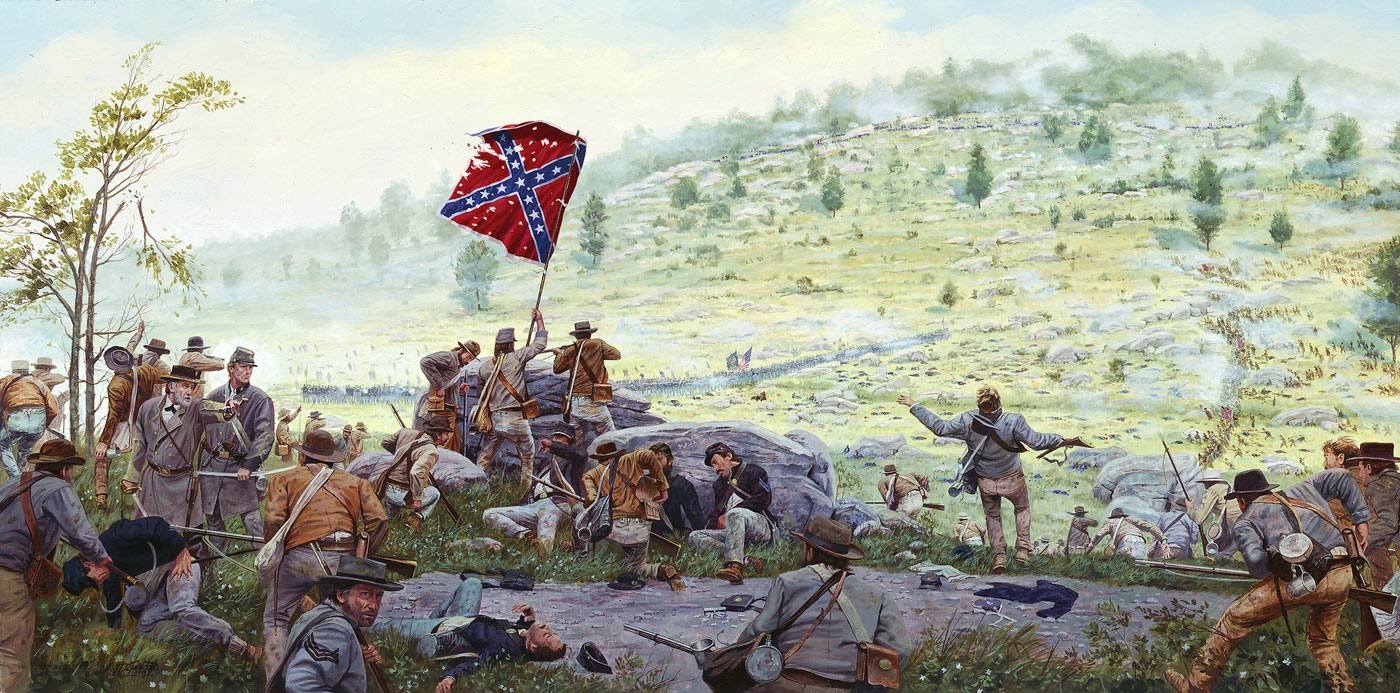
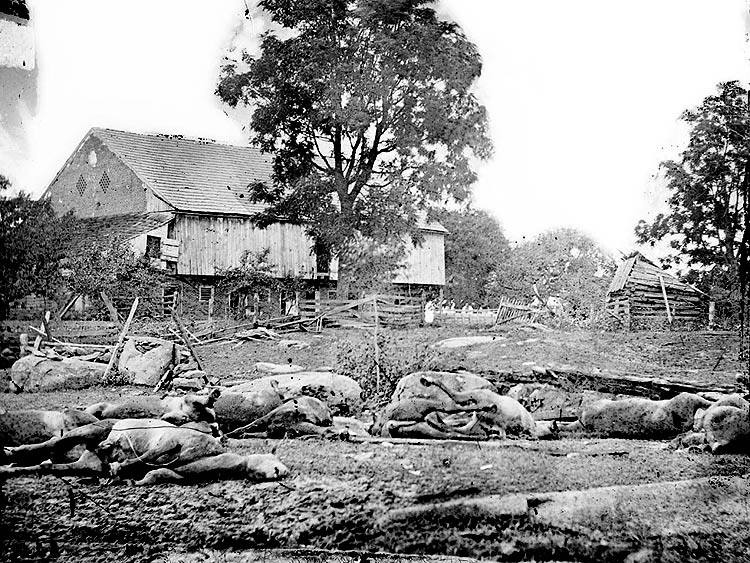
Warfield Ridge, Little Roundtop, The Peach Orchard, Devil’s Den, the Wheatfield, Trostle Farm...all would become infamous and haunted places on this second day of the Battle of Gettysburg. 155 years ago, today.